

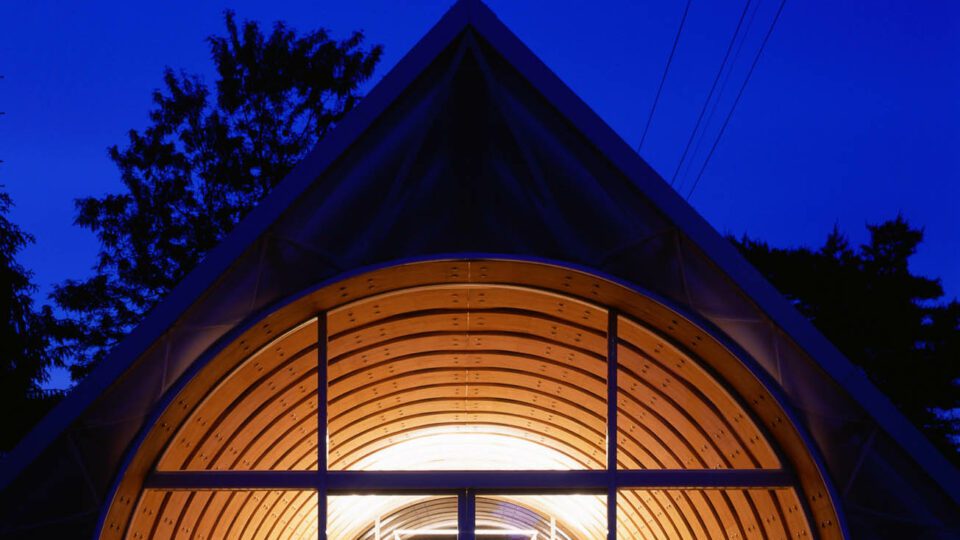
Today, were introducing 10 architects and designers you should know, from 20th century pioneers to Pritzker Prize-winners and those shaping the urban landscape today. This round-up surveys an array of approaches, from multicoloured paper-cut installations that transform interiors, to game-changing humanitarian structures and builds that address the worsening climate crisis. Here, we invite you to explore the diverse ethics and forms of practitioners who are constantly redefining our relationship with space, considering how design addresses modern social and environmental needs.
Shigeru Ban
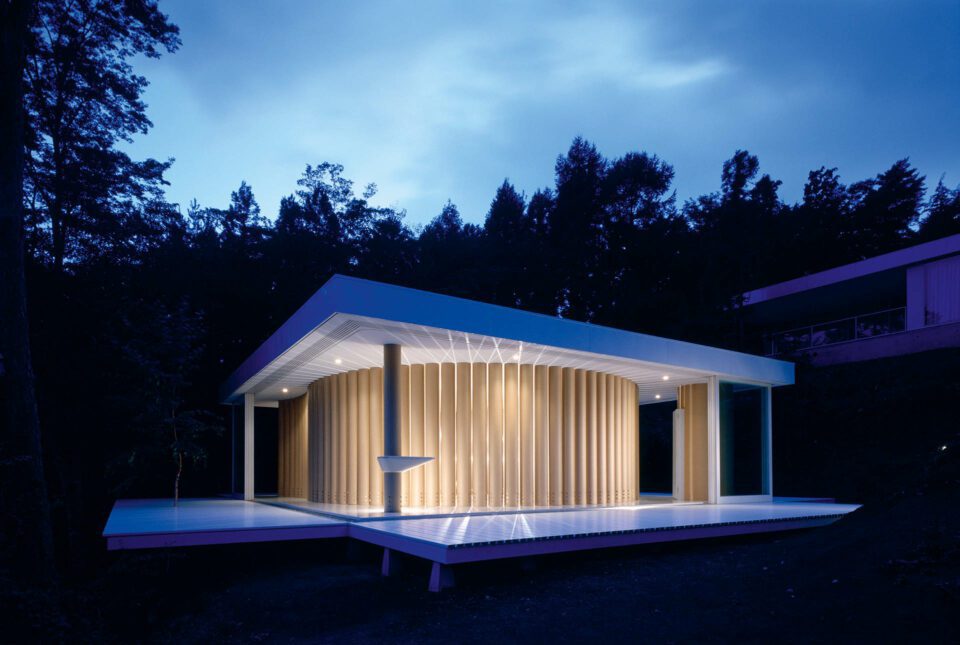
Curtains as walls in Tokyo, Styrofoam structures in Ukraine and a shipping container museum in New York: Japanese architect Shigeru Ban is renowned for thinking outside the box. Previously featured in Aesthetica Magazine, Ban was awarded the Pritzker Prize in 2014 for his inventive spirit. He develops systems from scratch rather than deriving influence from fashionable trends. One of his best-known quotes is “I don’t like waste,” and this commitment to using discarded materials led him to claim paper and cardboard as staples. In our interview, Ban discusses how problem-solving, altruism and generosity set his work apart.
Thomas Heatherwick
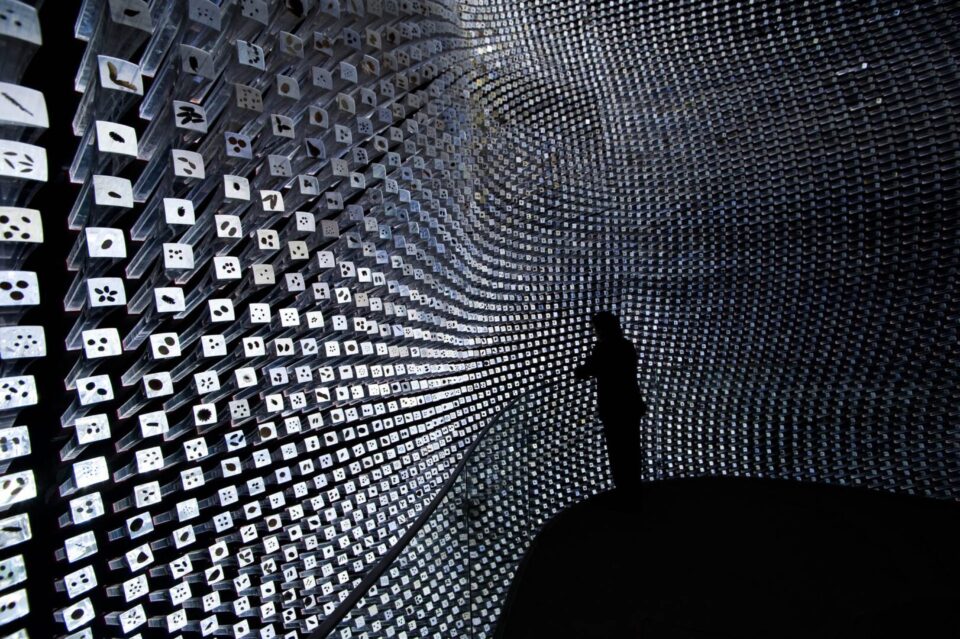
Thomas Heatherwick is one of the UK’s most prolific designers. In 1994, he founded his eponymous studio with the mission to unite the disciplines of architecture, urban planning, product design and interiors into a single creative workspace. Since then, he has worked on iconic projects such as Azabudai Hills in Tokyo, Little Island in New York and the Zeitz Museum of Contemporary Art Africa. Previously featured in Aesthetica Magazine, Heatherwick’s work is driven by a deep curiosity about materials and practical making. In our conversation he discusses the processes that turn ideas into reality.
Judith Chafee
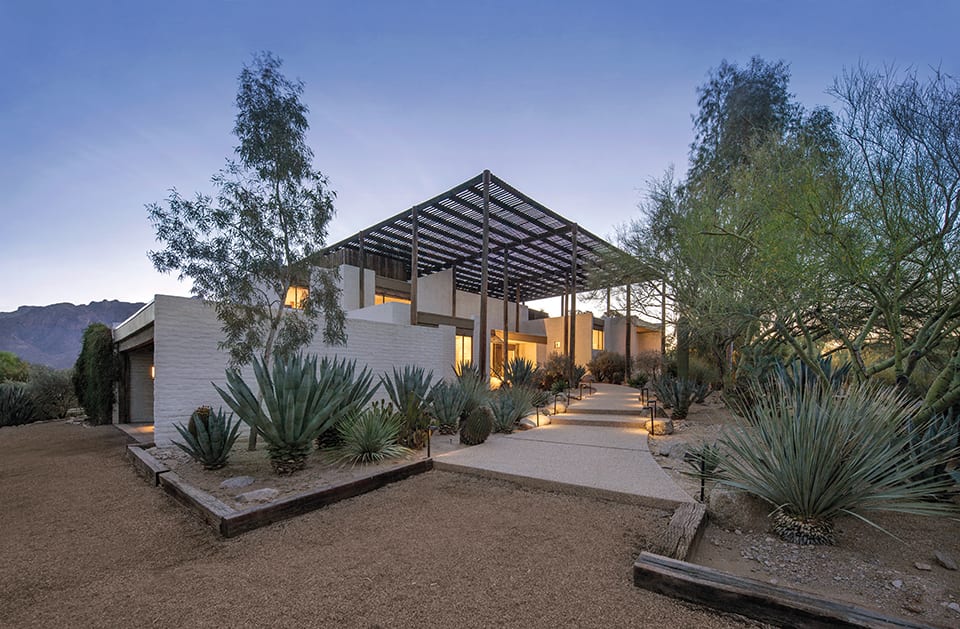
Judith Chafee (1932-1998) was an architectural pioneer who challenged a male-dominated industry with her deep sensitivity to the land. Her career was anchored by a life-long passion for the extreme environments of the American Southwest. An environmental steward, she combined a love of minimalism with organic forms to create buildings that seemed to grow out of the earth. Her work continues to be a source of inspiration in our current climate emergency, serving as a reminder that architecture should be governed by a respect for the planet. In this article, we explore her groundbreaking career.
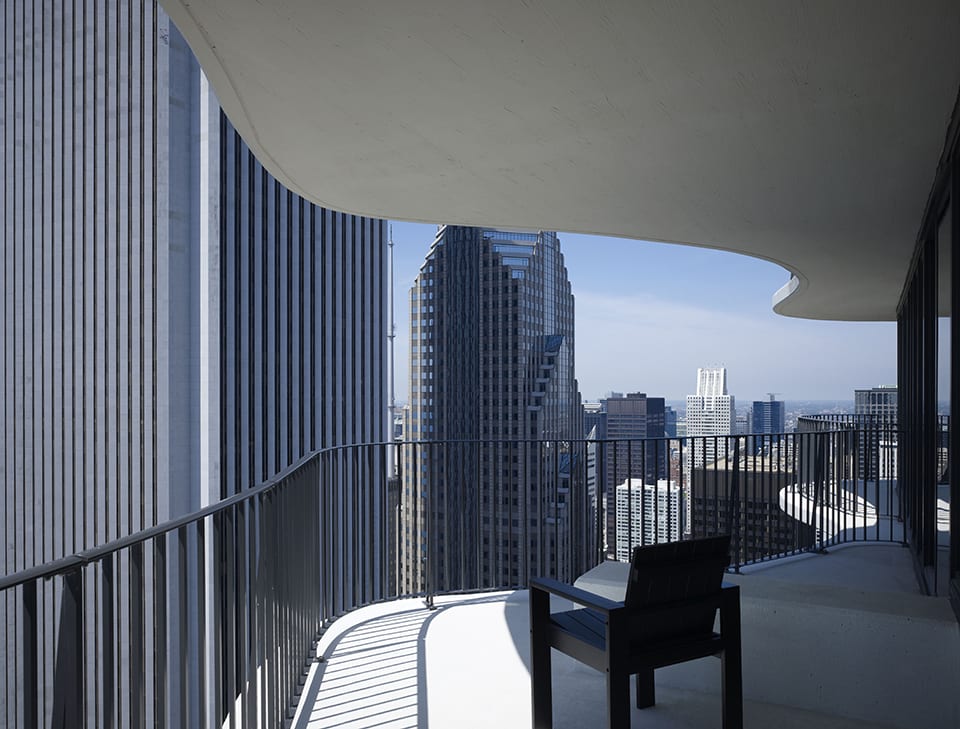
Jeanne Gang
Jeanne Gang has steadily been developing a fluid philosophy of architecture that faces the increasing challenges of the 21st century. Gang is renowned for design that meets the organic world, creating spaces that foster positive social exchange. Her studio, Studio Gang, reconciles the tension between the built and natural environments. From the ripple-like façade of Chicago’s Aqua Tower to the passive solar strategies of Solstice on the Park, her practice is an ongoing negotiation with nature. In our feature from the August/September 2026 issue, we discuss her fluid and evolving philosophy of architecture.
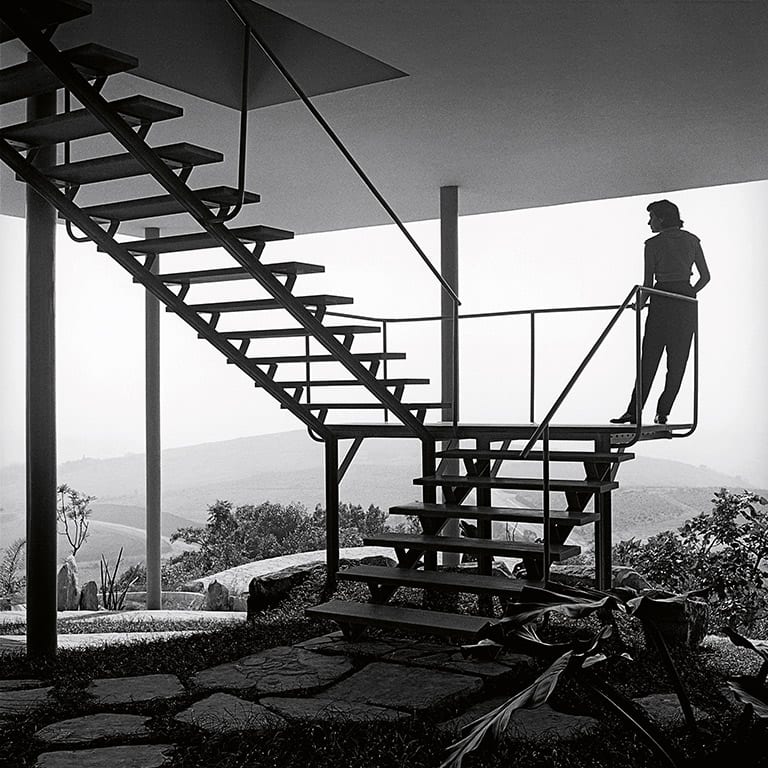
Lina Bo Bardi
Lina Bo Bardi (1914-1992) was a pivotal architect celebrated for structures that prioritize community, survival and shelter. Her legacy is defined by a commitment to sustainability and local resources. “I am endlessly curious about forms found in nature and how they relate to both climate and to function” she notes. From her iconic Glass House to the vibrant SESC Pompéia community centre, Bo Bardi’s work encourages us to view difficult situations as problems ready to be solved. Discover how her radical philosophy of hospitality offers lessons for building a more inclusive world.
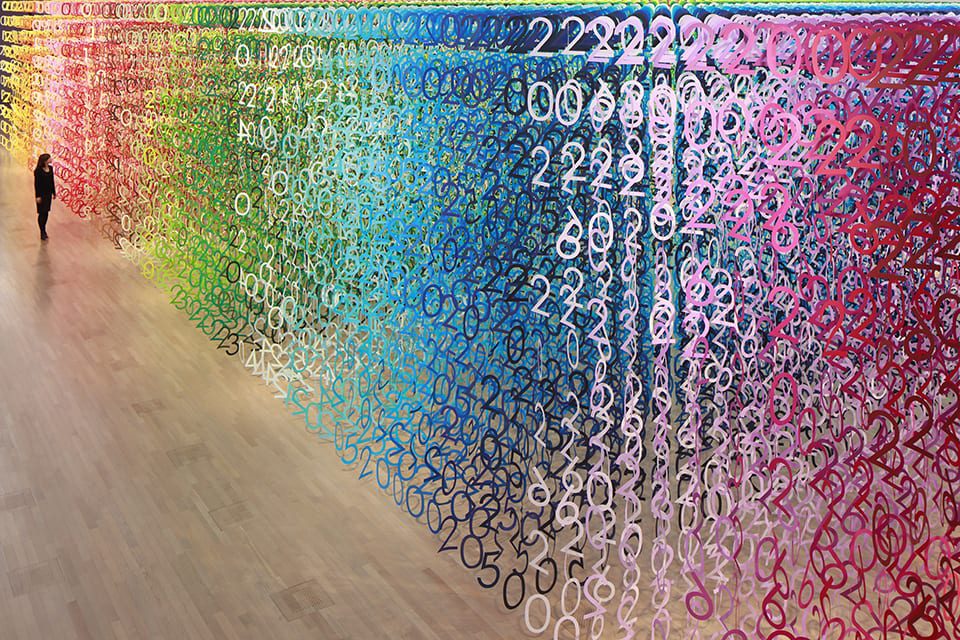
Emmanuelle Moureaux
Emmanuelle Moureaux (b. 1971) is a French architect who established a design practice in Tokyo in 2003. Her commercial and creative works are inspired by Japan’s seemingly infinite colours and textures. Speaking about moving to Tokyo, she says: “This relocation then provided the wider inspiration for my own design concept called shikiri – which means dividing (literally creating) space with colours, rather than as a finishing touch applied to surfaces. Through this methodology I want people to breathe and immerse themselves in colour – feeling the whole spectrum throughout their senses and through their entire body.”
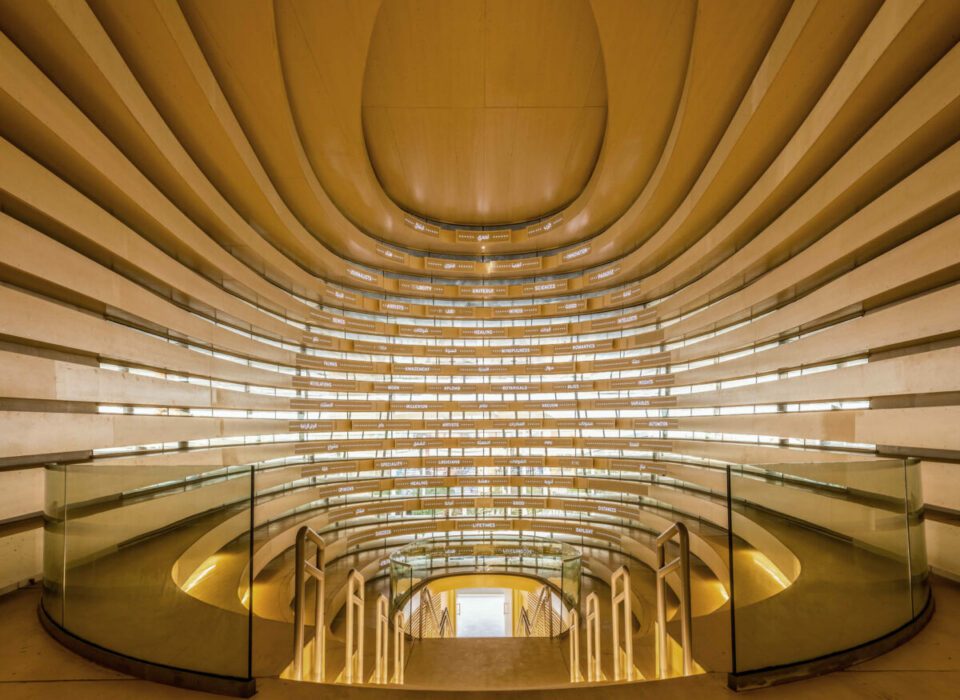
Es Devlin
Es Devlin (b. 1971) is a multidisciplinary artist who takes the medium of installation art, bending it into shapes of spectacle, performance and storytelling. Previously featured in Aesthetica Magazine, Devlin recalls a pivotal childhood moment, hearing snatches of various rehearsals overlay each other: “I see my practice in light, sculpture, theatre, music and text as a 28-year extension of that corridor.” Devlin has a unique job as a maverick who turns abstract ideas into concrete realities. Crucially, her role reminds us that visual art bleeds into everything we see and do, deftly conjuring tangible worlds into existence.
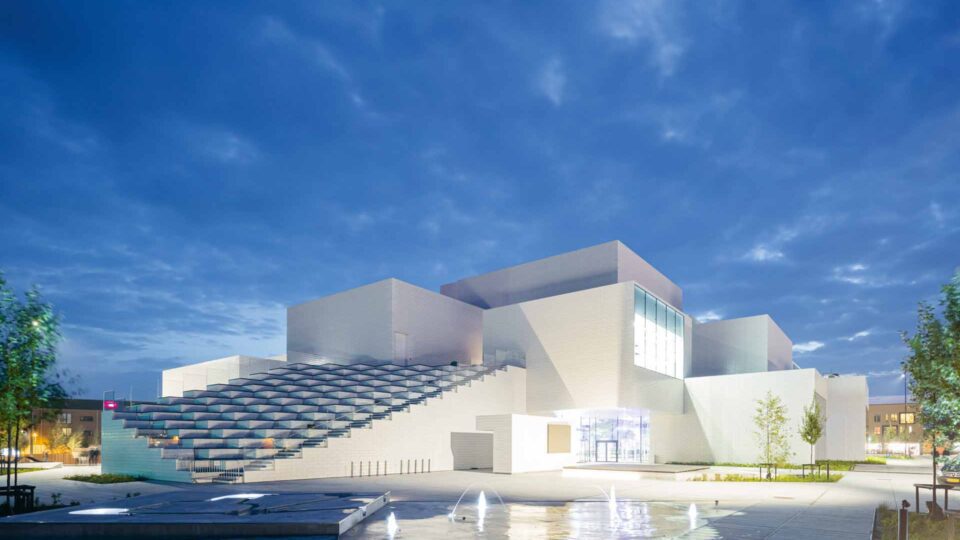
BIG
“Utopia is a place so perfect it can only exist in fiction, whilst pragmatism is looking at and dealing with the world based on how it is. But when you put them together, as an architect, you have a chance to turn a piece of reality into a fragment of your dreams.” says Bjarke Ingels (b. 1974) in an interview with Aesthetica Magazine. His Danish architecture firm BIG began as a small Copenhagen practice and has now grown into a major studio, with offices in Barcelona, London, Los Angeles, New York, Riyadh, Shanghai and Zurich. Their projects are some of the most creative designs in the world of modern architecture.
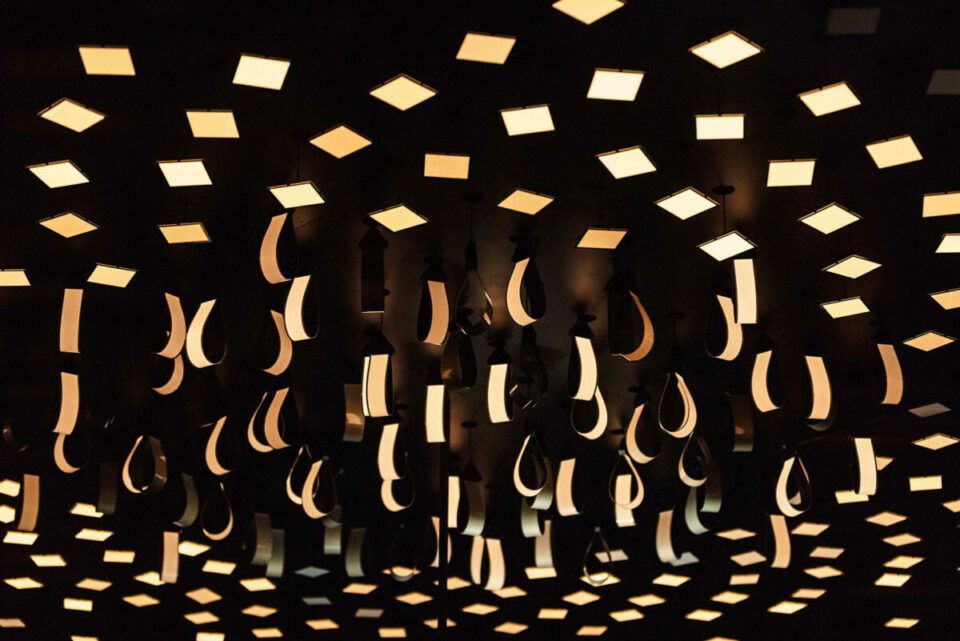
Jason Bruges
Jason Bruges is a pioneer of the hybrid space between art, architecture and technology. Through intervening in urban environments, he produces moments of theatre that weave magic into the fabric of a place. Each bespoke project explores the interrelationships between people, data and nature. When speaking to Aesthetica Magazine, he notes: “I have always created work that blends both physical and digital realms… I want to create work that interjects – that demands something of the audience.” By turning abstract concepts into concrete realities, Bruges invites us to rediscover our surroundings.
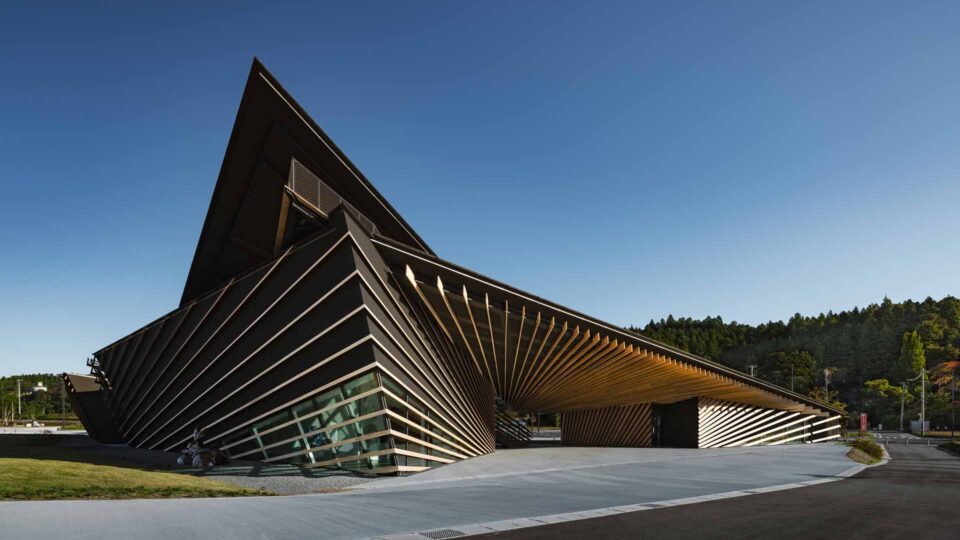
Kengo Kuma
Kengo Kuma (b. 1954) started his practice Kengo Kuma and Associates in 1986. In 1991, when Tokyo’s “bubble economy” burst, all of Kuma’s work in the city was cancelled. He spent time in the countryside and found a new appreciation of artisans who used their materials in daily life. Instead of using substances like concrete, Kuma chooses natural options: bamboo, clay, earth, paper, stone and wood. In conversation with Aesthetica Magazine he states “I take great pride in, and feel a sense of excitement about, working in a profession which is dedicated to the restoration of the connection between nature and humanity.“
Subscribe to Aesthetica & Save 50% in September | Click Here to Shop All Issues.
Words: Sophie Bullivant
Image Credits:
1. Paper House. Photo: Hiroyuki Hirai.
2. Imai Day Care Hospital. Photo: Hiroyuki Hirai.
3. UK Pavilion, (2007). Image: Daniele Mattioli. © Heatherwick Studio.
4. Image courtesy of Judith Chafee.
5. Studio Gang, Aqua Tower, Chicago, Illinois, USA, 2010. Image: Steve Hall, © Hall + Merrick.
6. Lina Bo Bardi at the Glass House, 1952 © Niemeyer, Oscar / AUTVIS, Brasil, 2019. © 2020 Museu de Arte de São Paulo, Museum of Contemporary Art Chicago, Museo Jumex, and Prestel Verlag, Munich • London • New York.
7. Emmanuelle Moureaux, Forest of Numbers, The National Art Center, Tokyo, 2017. Photograph: Daisuke Shima.
8. Pavilion design by Es Devlin. Image by Alin Constantin Photography.
9. Lego House, Billund, Denmark (2017), Image Credit: Iwan Baan.
10. Pixel Constellation (2016). Photo: Michal Sulima courtesy of Jason Bruges Studio.
11. Image courtesy of Kengo Kuma and Associates.


