
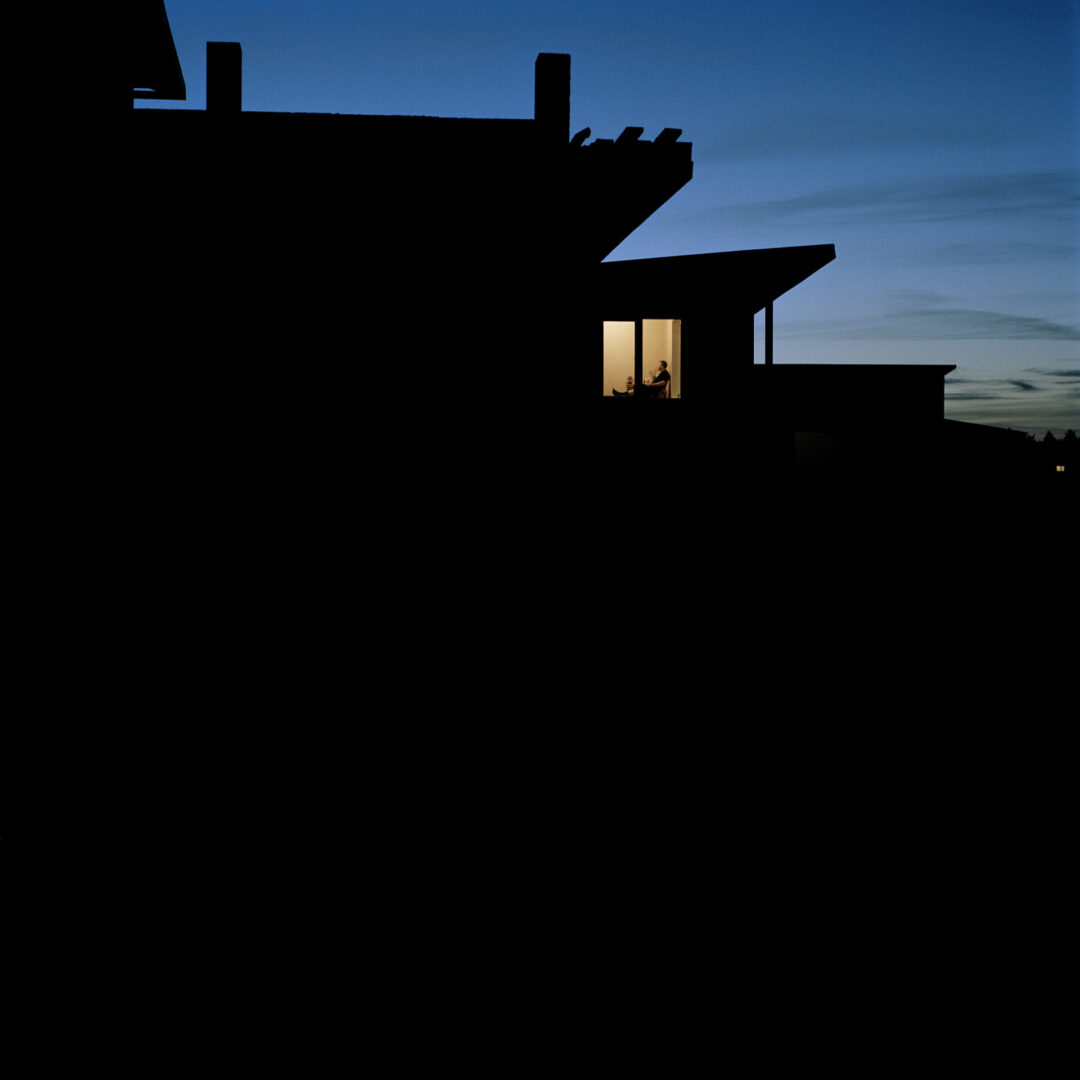
Estonia’s relationship with nature predates its artistic history. Long before landscape became a subject of national representation, the land shaped the conditions of everyday life, collective memory and cultural identity. This enduring connection provides the starting point for Estonian Art from Beginning to …, the inaugural exhibition at Tallinn Art Hall, which reopens on 4 December 2026 following a five-year, €13 million renovation. Bringing together more than 50 pieces of works by 13 different artists, dating from 1893 to the present-day, the exhibition considers how understandings of the natural world have shifted alongside broader social and cultural transformations. Landscape emerges as a living framework through which histories of labour, freedom, belonging and change can be understood by its observer.
The relationship between people and place is significant in Estonia, where national artistic identity developed against a much older history of inhabiting the land. Curated by Tamara Luuk and Siim Preiman, the exhibition brings historical and contemporary practices together, deliberately resisting a chronological account of artistic development. Romantic, realist, modernist and contemporary views instead reveal how certain ideas recur across generations, acquiring new meanings as circumstances change. This approach also complicates familiar narratives of modernity, in which urbanisation and technological progress are frequently associated with an inevitable departure from older relationships with nature. As contemporary existence becomes increasingly mediated by digital networks and global systems, the exhibition asks what might be lost when direct encounters with the environment become less central to everyday experience.
An unfinished title reinforces this sense of historical continuity and uncertainty. The ellipsis in Estonian Art from Beginning to … leaves open the possibility of an ending, although the curators suggest that it need not be understood as catastrophic or definitive. For Luuk, the distinction between the relative youth of Estonian art and the considerably older presence of Estonian nature is vital to the exhibition. Her reflections consider how a sparsely populated country, historically shaped by scarcity and close dependence on its surroundings, has arrived at a moment when the certainties of Western reason and progress appear fragile. This outlook raises questions about what contemporary society might recover from forms of knowledge rooted in physical experience, resourcefulness and a grasp of natural cycles.
An unexpected historical anecdote brings these concerns into focus. Sitakoti Mats, an Estonian peasant who lived at the turn of the 16th and 17th centuries, is remembered for collecting horse manure to fertilise rye, eventually attaining enough wealth to purchase his freedom from serfdom. As told, he later donated a chandelier to a church in exchange for being buried with Baltic German gentry. Beyond its folkloric absurdity, the account offers a pointed reflection on labour, social mobility and the transformation of supposedly worthless materials into sources of wealth. It also provides the inspiration for Jass Kaselaan’s new commission, Monument for the Shitbag Mats, a sculptural group of humming centaurs that translates the historical figure into a contemporary monument. Monumental yet deliberately awkward, the work unsettles typical distinctions between the heroic and the ridiculous, suggesting that national identity might be constructed as much through overlooked histories as through celebrated cultural achievements.
Folklore and historical memory also inform the exhibition’s engagement with the foundations of Estonian art. Kristjan Raud, a formative figure in the development of national artistic identity, drew on Symbolism and traditional imagery, using folklore to articulate a shared cultural imagination. His work is presented with that of his twin brother Paul Raud, one of the country’s leading painters of the early 20th century. Their inclusion establishes a crucial context for the contemporary practices that follow, while inviting consideration of how national traditions are continually reinterpreted and renewed. As curator Siim Preiman observes, before they were known as Estonians, people referred to themselves as “the people of the land”. This grasp of identity, rooted in a relationship with place, is a vital counterpoint to contemporary conditions in which cultural belonging is shaped by mobility, urbanisation and global exchange.
The exhibition’s contemporary works expand this historical conversation through varied approaches to image-making, material and perception. Painting by Tõnis Saadoja and photography by Paul Kuimet offer distinct ways of considering how landscapes are constructed, observed and mediated, while the sculptural installations of Eike Eplik and Mari-Leen Kiipli introduce questions of materiality and physical presence. Moving image provides another outlook through the practices of Tõnis Jürgens and Jevgeni Zolotko, whose video works extend the experience of landscape beyond the still image. Powerful drawings by Peeter Ulas widen the exhibition’s visual language. These practices reveal how nature is interpreted through different artistic generations, with contrasts in form and perspective exposing its changing cultural significance.
New commissions developed for the reopening bring the exhibition’s central ideas into closer relationship with contemporary experience. Installation artist Hanna Piksarv revisits an earlier work through the physical act of gathering firewood, using an elemental activity to consider labour, care and endurance. The gesture recalls the material conditions that have historically shaped human relationships with the environment, while questioning how such forms of knowledge survive within urbanised societies. Sarah Nõmm approaches transformation through a more intimate register, presenting a mixed-media installation concerned with pain, healing, desire and taboo. Her exploration of the body brings another dimension to the exhibition’s understanding of nature, shifting attention from external landscapes towards vulnerability, physical experience and the processes through which individuals negotiate their surroundings.
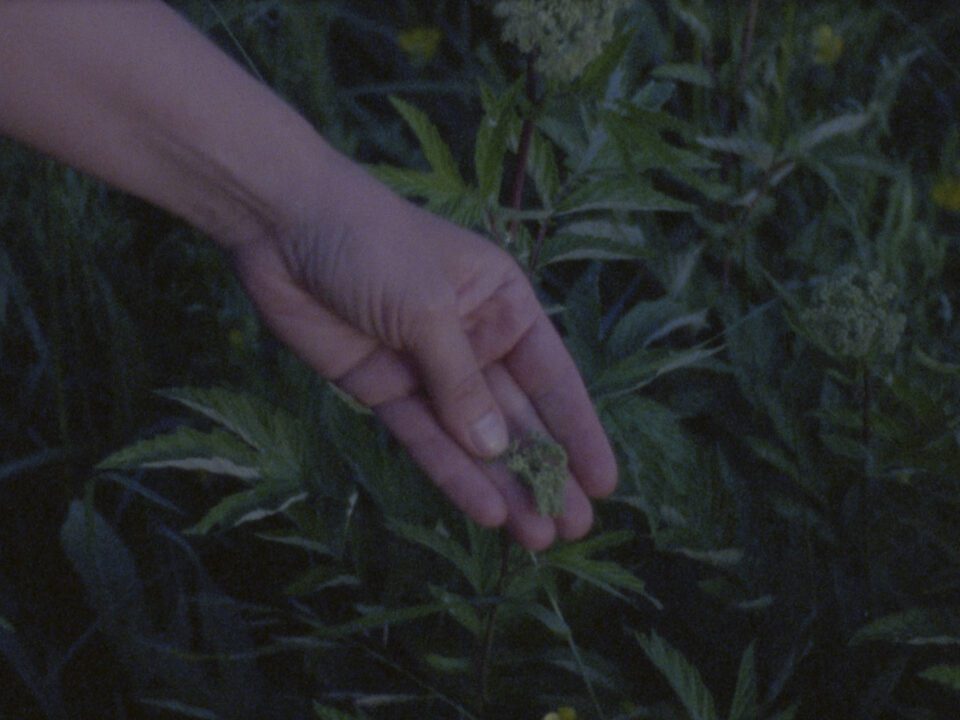
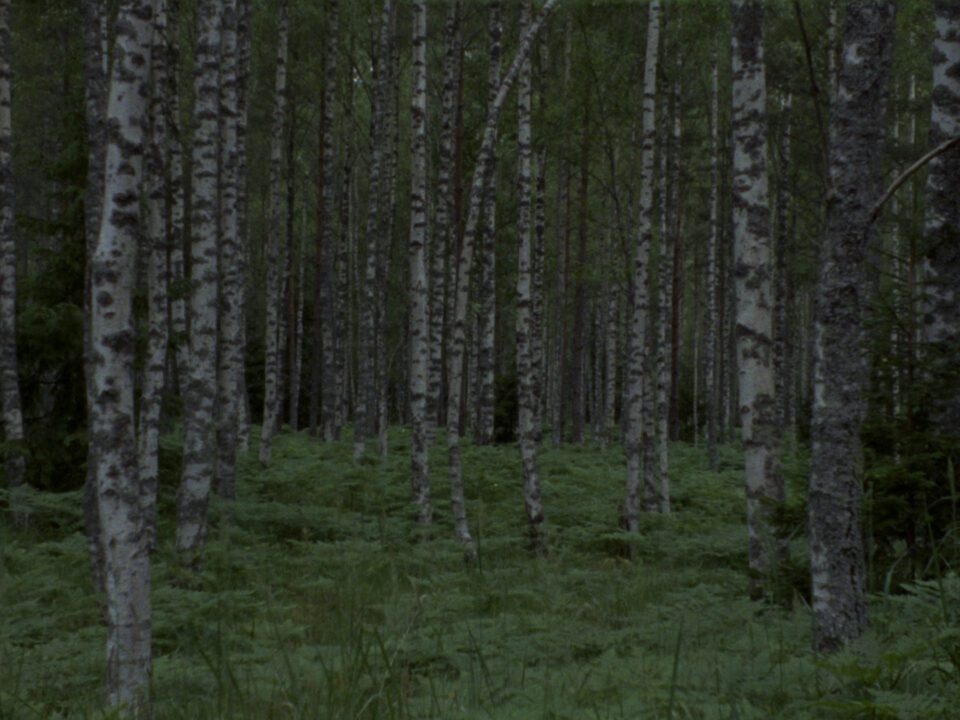
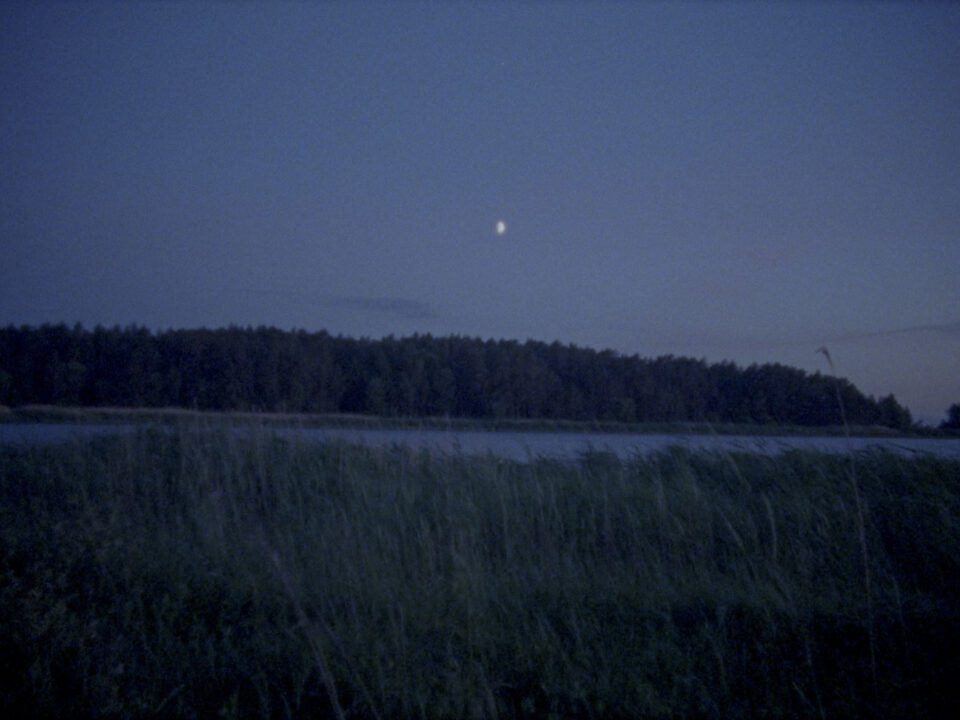
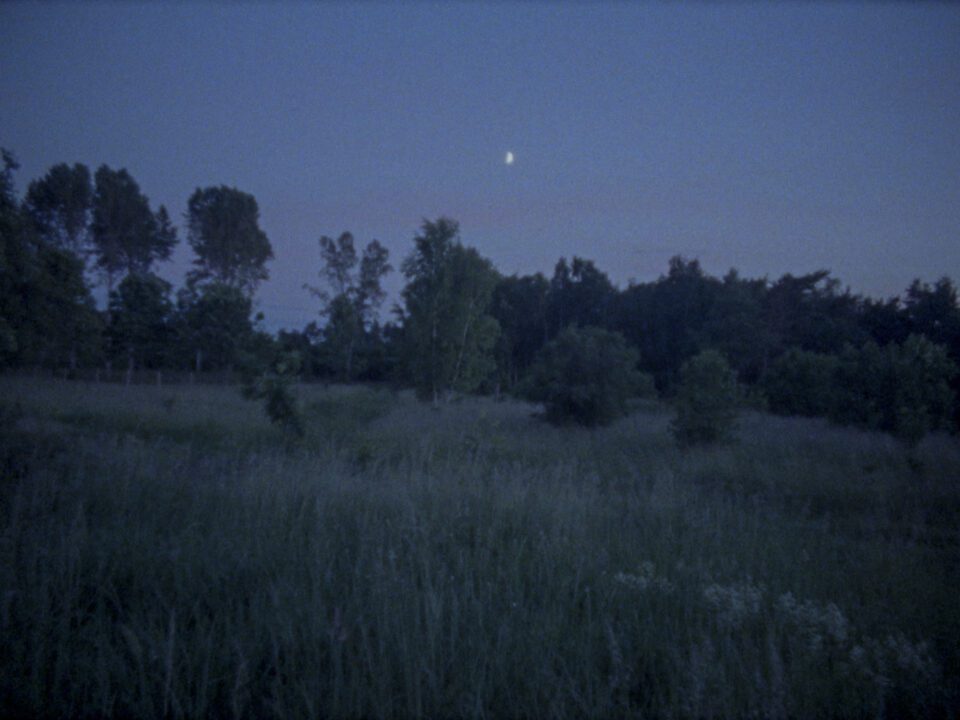
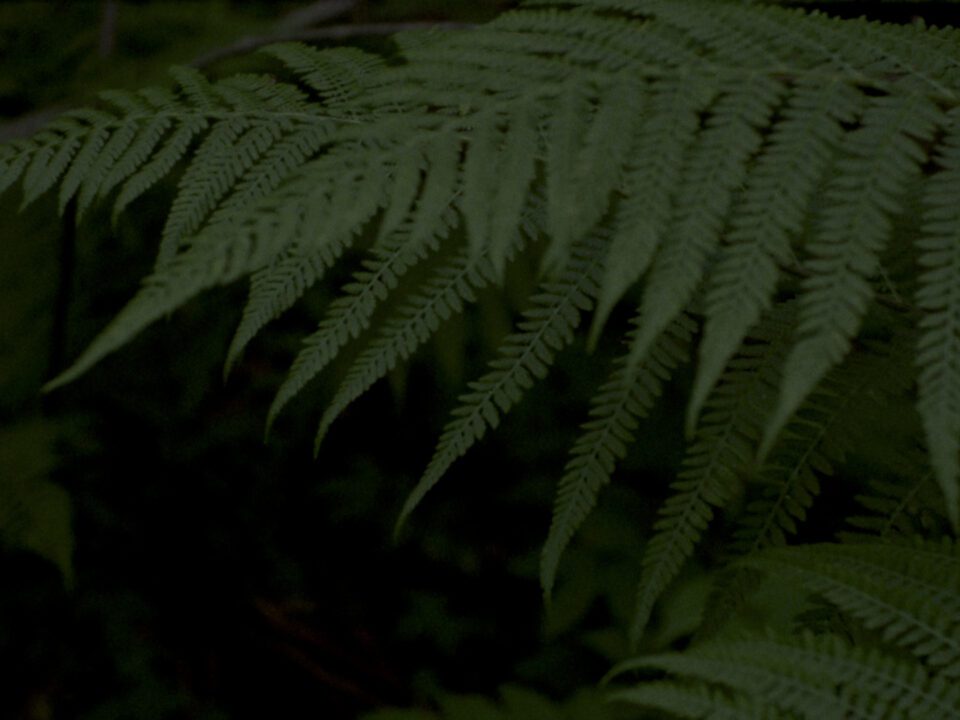
Moving-image similarly challenges the distance between observation and participation. For filmmaker and video artist Ingel Vaikla, Solstice marks the first film in her practice to focus directly on nature. Its inclusion is vital in a wider exhibition that questions how contemporary life has become detached from direct encounters with the environment. Film offers a specific means of attending to duration, atmosphere and processes of change, introducing temporal dimensions that differ from the more immediate experience of painting or sculpture. Across these practices, nature emerges as an active presence, continually shaped by human perception, cultural memory and material interaction. Landscape as a result extends beyond geography to include the complex relationships between bodies, histories and the spaces they inhabit.
Such concerns connect the exhibition to wider debates within contemporary art and ecological criticism. Landscape has historically been instrumental in constructing national identity, particularly within European painting, where representations of territory frequently reinforced ideas of belonging, ownership and cultural continuity. Contemporary ecological discourse has complicated these traditions by drawing attention to the interdependence of human and non-human life, as well as the political and economic systems that determine how environments are used and understood. The Estonian context offers a particular perspective on these questions, challenging narratives of progress founded on abundance, expansion and technological advancement. Preiman’s observation that natural forces and companion species remain recurring subjects in contemporary art, despite the increasingly virtual character of modern existence, points towards an unresolved tension between technological acceleration and ecological dependence. The exhibition is the exploration of this contradiction through pieces of works that alternate between historical reflection and contemporary experimentation.
The reopening of Tallinn Art Hall provides an important institutional dimension to this discussion. Founded in 1934 as Estonia’s first purpose-built contemporary art venue, the institution has supported successive generations of artists while connecting local practice with international developments. The five-year renovation, designed by Juhan Rohtla of KUU with interiors by Tarmo Piirmets of PINK, retains the building’s historic façade while substantially expanding its exhibition and production facilities. New galleries, accessible public areas, outdoor exhibition spaces and a revitalised courtyard create opportunities for different forms of artistic engagement, while an underground Black Box accommodates performance, film, sound and experimental practice. The architectural transformation positions the Art Hall as a flexible environment for artistic production, exchange and public participation.
This expanded institutional role is reflected in the programme accompanying the inaugural exhibition. Performance and public art by John Grzinich, Vaim Sarv, Kärt Heinvere and Raahel Rüütel will extend the reopening across different forms of artistic practice, while Flo Kasearu presents a major site-specific performance in Freedom Square, curated by Andrew Cummings as part of his Upé Foundation fellowship. Improved technical infrastructure also enables the institution to accommodate large-scale installations, complex multimedia works and significant global museum loans. A new residency exchange with MMCA Seoul further develops chances for dialogue between Estonian artists and international institutions. These initiatives place artistic experimentation and sustained relationships at the centre of the Art Hall’s future.
Questions of participation and collective experience continue through Dénes Farkas’s forthcoming four-year project, Soup Kitchen, which explores hospitality as a form of artistic practice. Bringing people together for regular communal meals, conversation and discussion around art, the project considers how cultural institutions might create encounters beyond conventional exhibition formats. Its emphasis on shared experience resonates with the inaugural exhibition’s interest in the social and material relationships that connect individuals to their surroundings. At a moment when ecological uncertainty, technological change and questions of national identity are reshaping cultural discourse, Tallinn Art Hall opens with a proposition that is both historically grounded and distinctly contemporary.
Estonian Art from Beginning to …, on view from 4 December 2026 to 28 March 2027, suggests that the future of artistic thinking may depend, in part, on reconsidering older relationships with the natural world. These various histories offer individuals a way to understand not only where it is Estonian culture has originated from, but also how its relationship with the land might continue to evolve.
Tallinn Art Hall and Estonian Art from Beginning to… opens 4 December.
https://www.kunstihoone.ee/en/programme/
Words: Simon Cartwright
Image Credits:
1. Paul Kuimet_Untitled 15 (Cigarette) , from the series In Vicinity, pigment print in frame, 70 × 70 cm, 2010
2-6. Ingel Vaikla, Pööriöö, Solstice, 2026. Still from the video.


