It is difficult to comprehend that we will no longer encounter a new photograph by Martin Parr. For more than five decades, his camera was a constant presence within contemporary life – moving through beaches, shopping centres, tourist destinations, streets and social gatherings to reveal the extraordinary within the everyday. His passing in December 2025 represents a profound loss, not only because photography has lost one of its most recognisable figures, but because we have lost the possibility of seeing the world newly interpreted through his perspective. Much has been written about Parr’s influence, his role in redefining documentary photography and his distinctive use of colour, humour and social observation. However, perhaps the most personal measure of his impact is the sense of absence that remains – the knowledge that there will not be another image arriving to challenge, amuse or unsettle us.
Parr’s photographs have always operated in the space between familiarity and surprise. He looked closely at the rituals of ordinary existence, finding meaning in moments that might otherwise pass unnoticed – a gesture, an expression, a social habit or an encounter between people and their surroundings. “I truly believe that the ordinary is much more interesting than people make out,” Parr once reflected, a statement that captures the foundation of his entire practice. His achievement was that he transformed our understanding of everyday life. Through his lens, the commonplace became a site of cultural analysis, revealing how societies express themselves through behaviour, consumption, aspiration and identity.
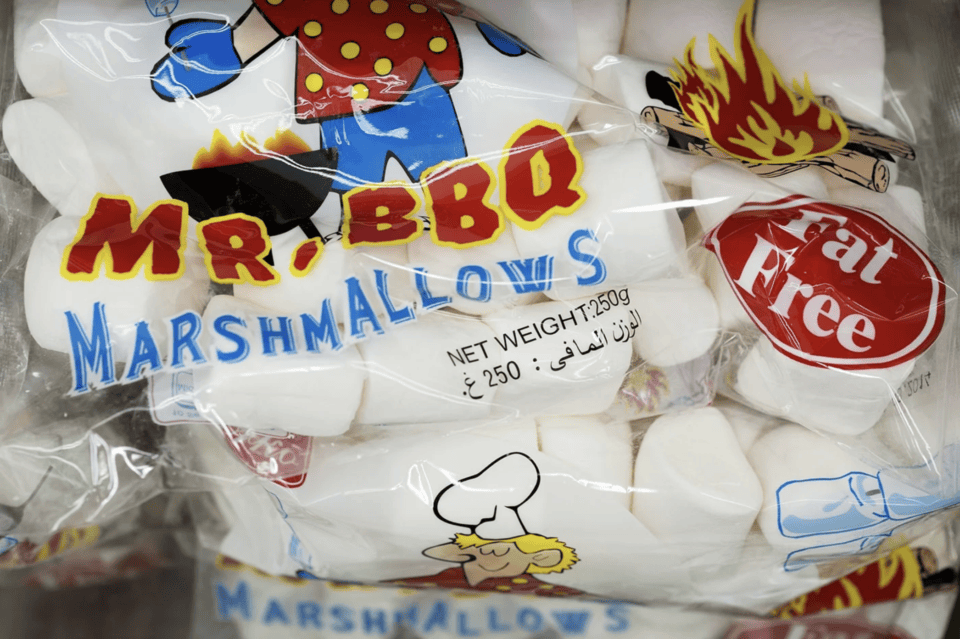
The humour within Parr’s work has sometimes led viewers to underestimate its complexity. His images can appear playful, exaggerated or even absurd, but beneath their immediate visual impact lies a sharp awareness of social structures and human behaviour. Parr understood that people reveal themselves through the environments they create and the choices they make, whether through tourism, food, fashion or leisure. His photographs are affectionate but never sentimental. As he explained, “My black-and-white work is more of a celebration, and the colour work became more of a critique of society,” demonstrating how colour became a tool for examining the intensity and contradictions of contemporary experience.
Parr’s influence comes from his ability to expand the possibilities of documentary photography. He challenged the traditional expectation that serious photographic practice should be restrained, objective or visually quiet. Instead, he embraced colour, proximity and visual excess, creating images that demanded attention while questioning the values embedded within them. His work demonstrated that social commentary could exist alongside humour, and that laughter could become a route towards deeper reflection. “I am what I photograph,” Parr stated – a phrase that acknowledges the complicated relationship between photographer and subject, between observer and participant.
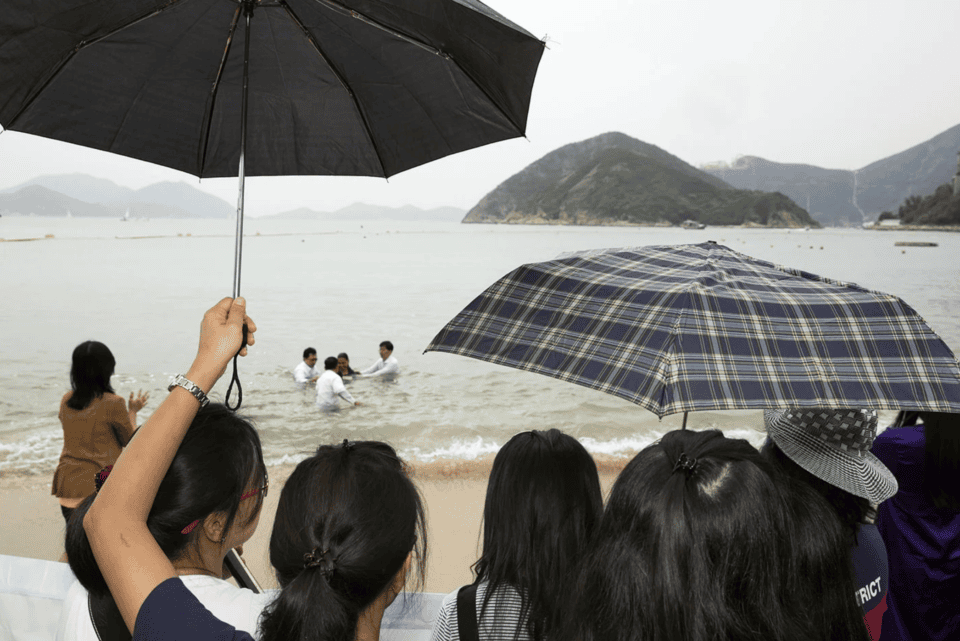
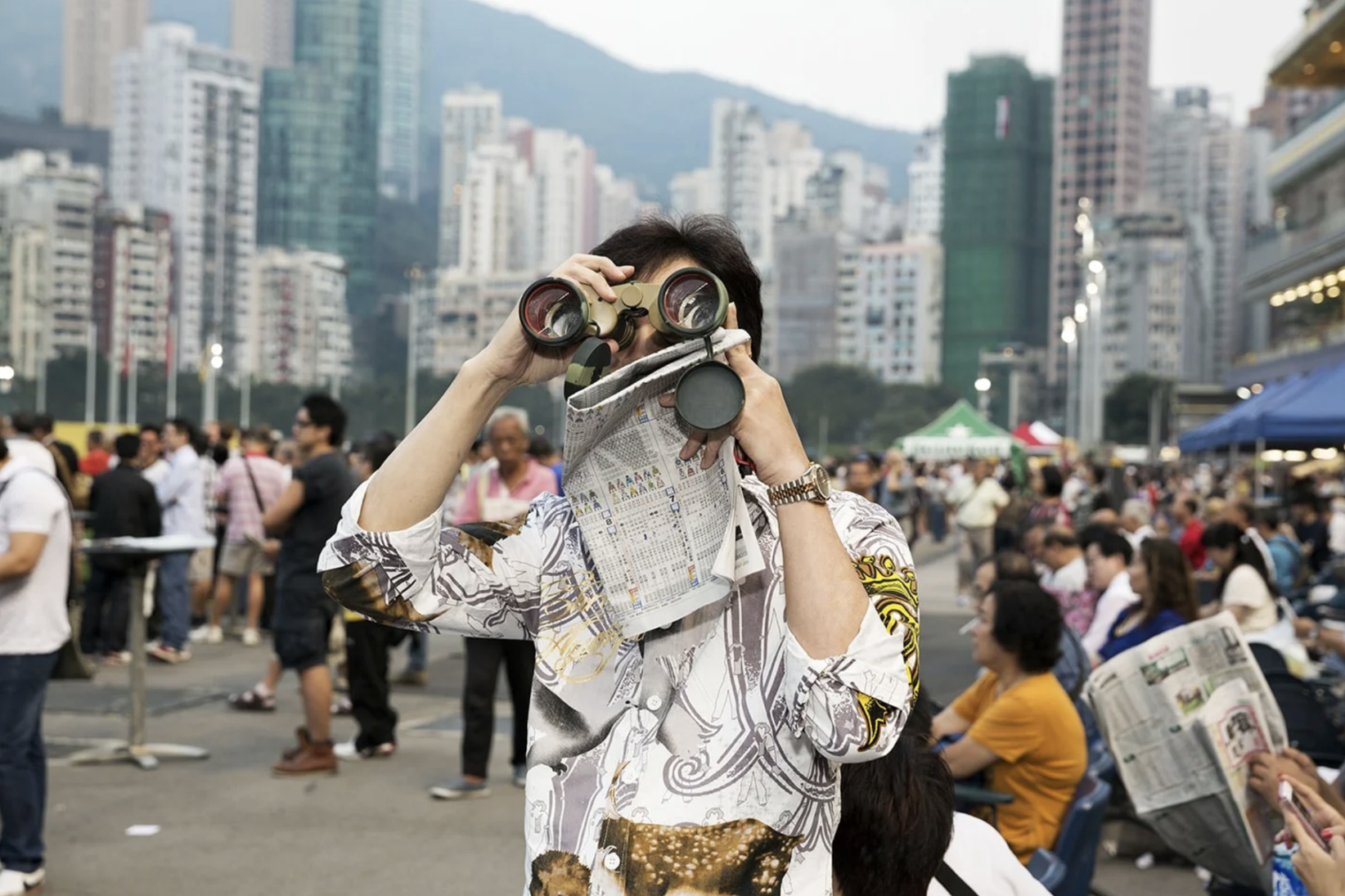
This relationship is particularly important when considering Parr’s connection with Hong Kong. In 2013, Parr was commissioned by Blindspot Gallery to produce a new body of work about the city, resulting in the publication Hong Kong Parr and later becoming the focus of his first solo exhibition in Hong Kong at the gallery in 2014. The project offered a different perspective on a city frequently represented through images of architecture, financial power and urban speed. Rather than focusing solely on Hong Kong’s global identity, Parr looked towards the social details that define everyday experience – the people, behaviours and interactions that shape the rhythm of public life.
The importance of the Hong Kong series lies in Parr’s ability to capture the city as a space of constant negotiation. His photographs explore the relationship between individual and collective experience, between personal identity and the larger forces of commerce, tourism and modern urban living. Hong Kong offered Parr a landscape filled with contradictions – a place where tradition and globalisation exist alongside one another, where moments of intimacy occur within an environment defined by density and movement. His camera was drawn to these tensions, not as evidence of conflict, but as expressions of how people adapt to the rapidly changing environments around them. The resulting images feel both specific to Hong Kong and connected to Parr’s broader examination of contemporary society.

What makes returning to this body of work particularly meaningful now is the awareness of time passing. The Hong Kong Parr photographed in 2013 belongs to a particular moment, and revisiting these images more than a decade later creates a complex feeling of recognition and distance. Photography has always possessed this ability to preserve what has changed, allowing images to become records not only of places but of social conditions and collective memories. There is an unavoidable sense of imagining what Parr might have photographed had he returned to Hong Kong today. His absence makes these photographs feel less like observations and more like open-ended conversations with a city that continues to transform.
The 2014 exhibition at Blindspot Gallery represented a significant moment because it brought Parr’s photographic vision into direct dialogue with the place he had documented. His practice has always depended on encounter – on being physically present, observing carefully and allowing unexpected moments to emerge. Parr once noted, “I never think of photographs as being individual. Always as a group,” and this idea is especially relevant to the Hong Kong series. Each image contributes to a wider portrait, where individual scenes combine to reveal broader patterns of social behaviour. Together, they form a visual study of how people inhabit, negotiate and experience a city.
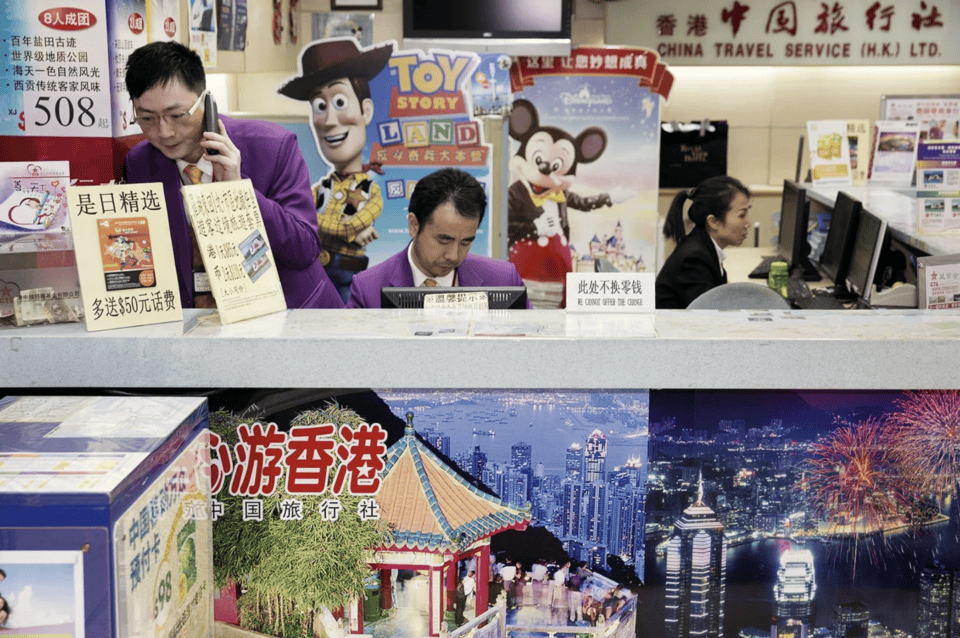
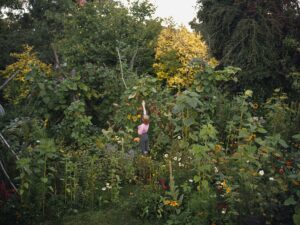
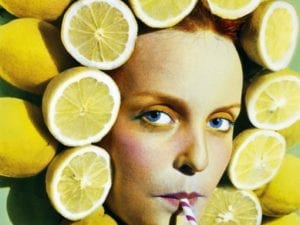
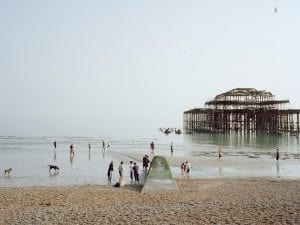
Now, Blindspot Gallery’s online exhibition creates a new opportunity to encounter Parr’s work beyond geographical boundaries. Bringing together important bodies of work including The Last Resort (1983–1985), Luxury (1995–2011) and Hong Kong (2013), the exhibition provides a renewed perspective on the development of a photographer who consistently questioned how images shape our understanding of society. The digital presentation is particularly fitting for Parr’s practice, as his photographs have always examined a world increasingly defined by visibility and circulation. By making these works accessible online, the gallery continues the conversation that began through the physical exhibition space.
The online format also reinforces the continuing relevance of Parr’s photography. His images belong to specific places and moments, yet their questions remain universal. How do we construct identities through consumption and leisure? What can small everyday interactions tell us about larger cultural shifts? These questions continue to resonate because Parr’s photographs were never only about what was in front of his camera – they were about the systems, emotions and behaviours that shape human experience. His work remains powerful because it encourages viewers to become attentive observers of their surroundings.
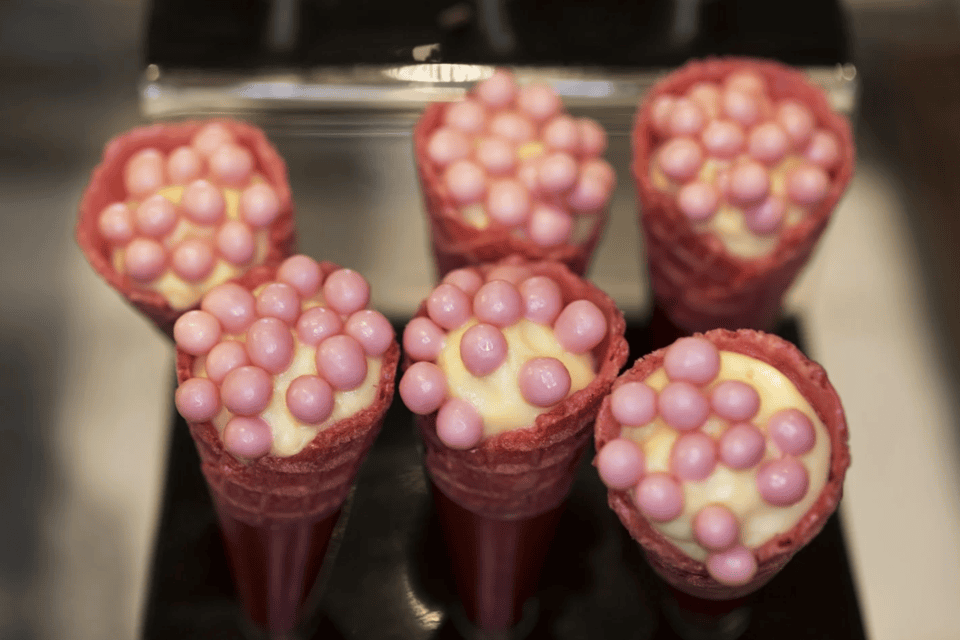
Martin Parr’s greatest contribution was not simply the creation of an extraordinary photographic archive, but the transformation of how we understand the everyday. He showed that ordinary moments are not empty spaces between significant events; they are where culture reveals itself most clearly. His photographs continue to challenge assumptions about documentary practice, proving that humour and critique can exist together, and that looking closely can be an act of discovery. In a visual culture increasingly overwhelmed by images, Parr’s legacy feels especially important because he taught us not merely how to photograph the world, but how to pay attention to it.
Martin Parr: Hong Kong is on view online at Blindspot Gallery until 31 August: blindspotgallery.com
Words: Anna Müller
Image Credits:
All images: Martin Parr, Hong Kong, 2013. Pigment print.