

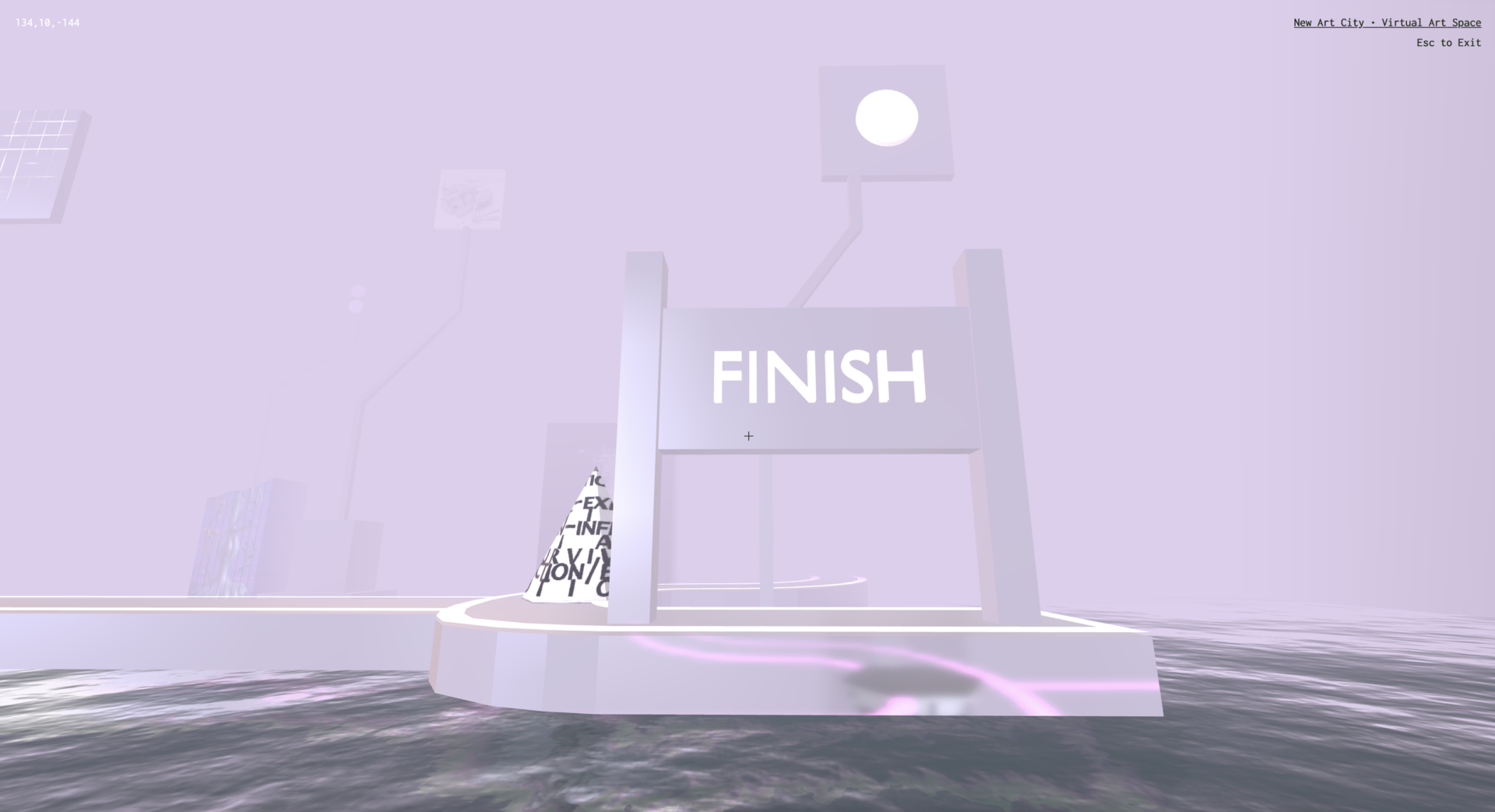
How can a museum become part of public education? It’s a question that’s increasingly on the lips of the art community. Arts Council England funds the Museums and Schools Programme, aiming to increase the number of opportunities and access to high-quality museum-based learning for children in under-served places. Meanwhile, the shift towards immersive displays have opened new ways of interacting with ideas, allowing audiences to more fully engage with the concepts presented. In fact, a 2015 study found that families who attended an immersive shows were more likely to describe themselves as part of the exhibition. This investigation is continued by artist Forrest Wu, whose practice is concerned with how galleries can become places where people learn – not just where they look at art.
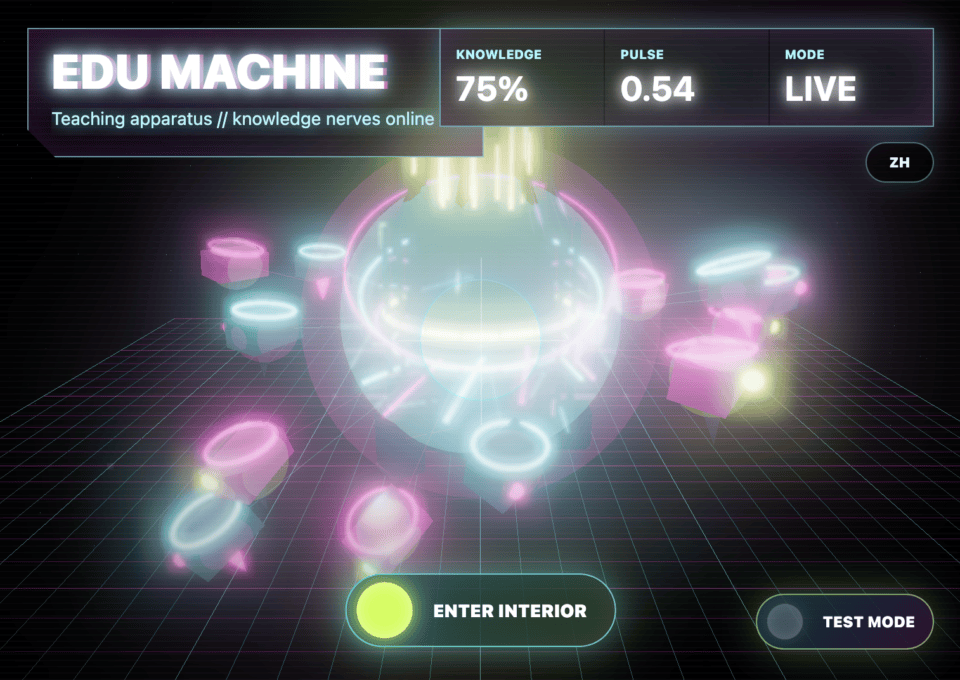
Wu’s research is grounded in the history of education, considering how what we learn is shaped by disease, war, migration, technological change and institutional disruption. He describes his curatorial approach as “not a fixed institutional system, but as an environmental technology: a way of organising knowledge, bodies, attention and social relationships.” He seeks to bring together artists, educators, researchers, young people and local communities to create an environment thar contributes to public participation, youth education, intercultural exchange and social innovation. Wu continues “exhibition spaces can offer alternative forms of public learning. These spaces may organise knowledge, connect communities, regulate attention and create opportunities for experimentation.”
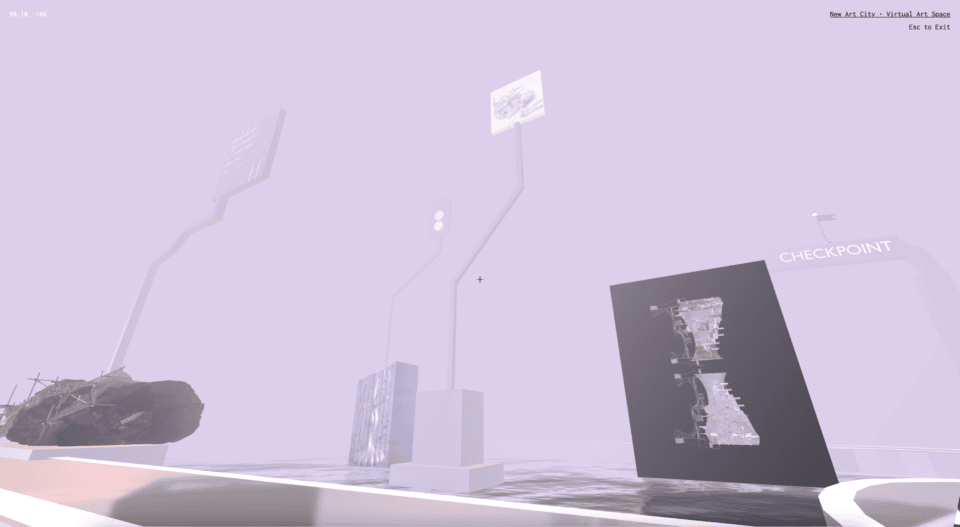
Perhaps his most significant line of enquiry is “Physical-Digital Curatorial Practice,” an original method that combines each physical exhibition with a purpose-built virtual learning environment that extends, rather than replicates, the exhibition into the digital realm. This project has been part of shows at The Museum of Kyoto, The Wind H Art Center and SFZY Gallery in Beijing. Wu’s inquiry began during the Covid-19 pandemic, when physical access to cultural spaces was repeatedly disrupted. He implemented this for Cache (2022), an exhibition at A60 Art Space in Milan, exploring what individuals and societies choose to retain when familiar systems of access, encounter and stability become unreliable. Alongside the physical exhibition, a virtual learning environment extended these questions into a parallel digital space. Hans Ulrich Obrist, perhaps the most renowned and well-known curator working today, explained that a curator should be a “junction-maker,” explaining how “I think of my work as that of a catalyst – and a sparring partner.” Wu’s work does this, offering a new path to audiences that they may well have never walked before. Yet, Wu takes it one step further, not only considering how the art is arranged, but how the visitor engages with the gallery as a whole, challenging their thinking on another level.
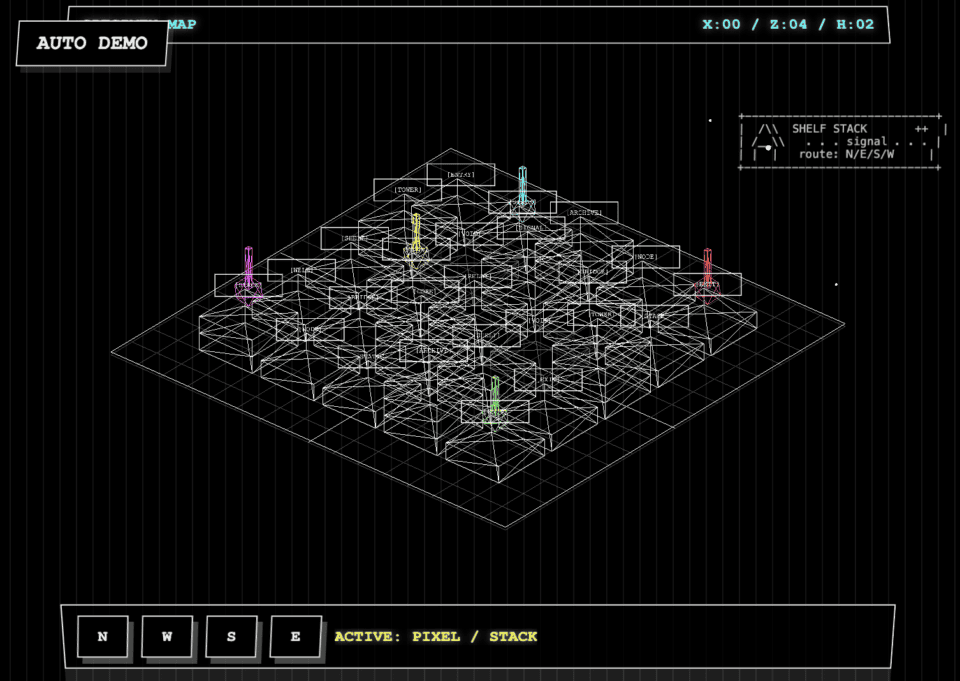
The artist’s most recent project, Dwelling, explores how ideas of home, belonging, identity and community are being reshaped by movement, migration and an increasingly interconnected world. Across different cultural and materials perspectives, the works consider how we inhabit spaces, histories, environments and on another – and how forms of belonging might emerge within states of uncertainty and change. Wu draws on the East Asian notion of impermanence, belonging as something continually formed.
Wu is an artist with unique ambition, taking his practice beyond the bounds of creative output and into the realm of museums as a site for social justice and innovation. Together, it makes for an expansive career, with each exhibition engaging deeply with audiences. Here, the artist makes a bold statement: that creative practice becomes more meaningful when communities are given new ways to engage.
Words: Emma Jacob
Image Credits:
All images courtesy of Forrest Wu.


