

The concept of time has long fascinated artists – from the 17th century vanitas still life tradition of the Dutch masters to Salvador Dalí’s melting clocks and On Kawara’s date paintings. In photography, during the 20th century, Harold “Doc” Edgerton pioneered the electronic flash, becoming known for producing famous images of a milk drop hitting a table or an apple pierced by a bullet. Later, Hiroshi Sugimoto condensed full movies into single, haunting shots of empty theatres. Elsewhere, in film, Tacita Dean uses the slow, material qualities of analogue, whilst Christian Marclay assembled thousands of cinema and television clips of clocks to create his 24-hour-long masterpiece The Clock (2010). Through performance, Marina Abramović continues to test the boundaries of what can be endured. The list is endless.
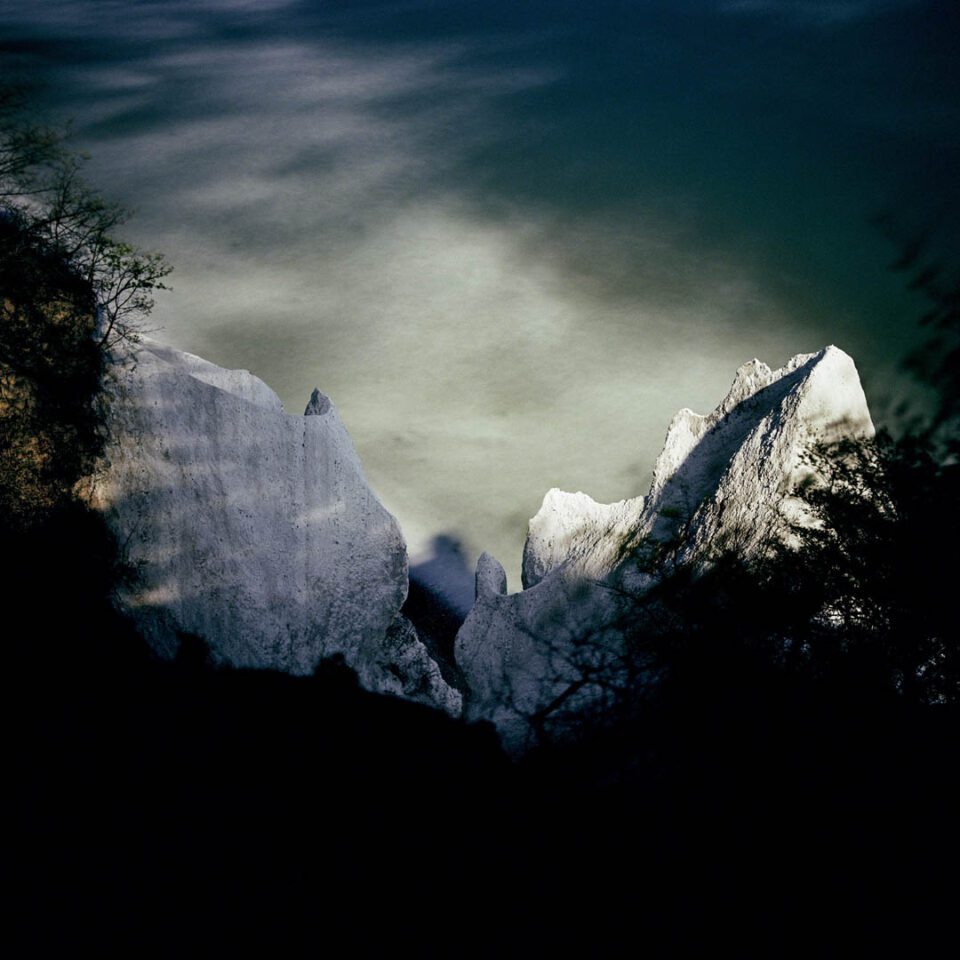
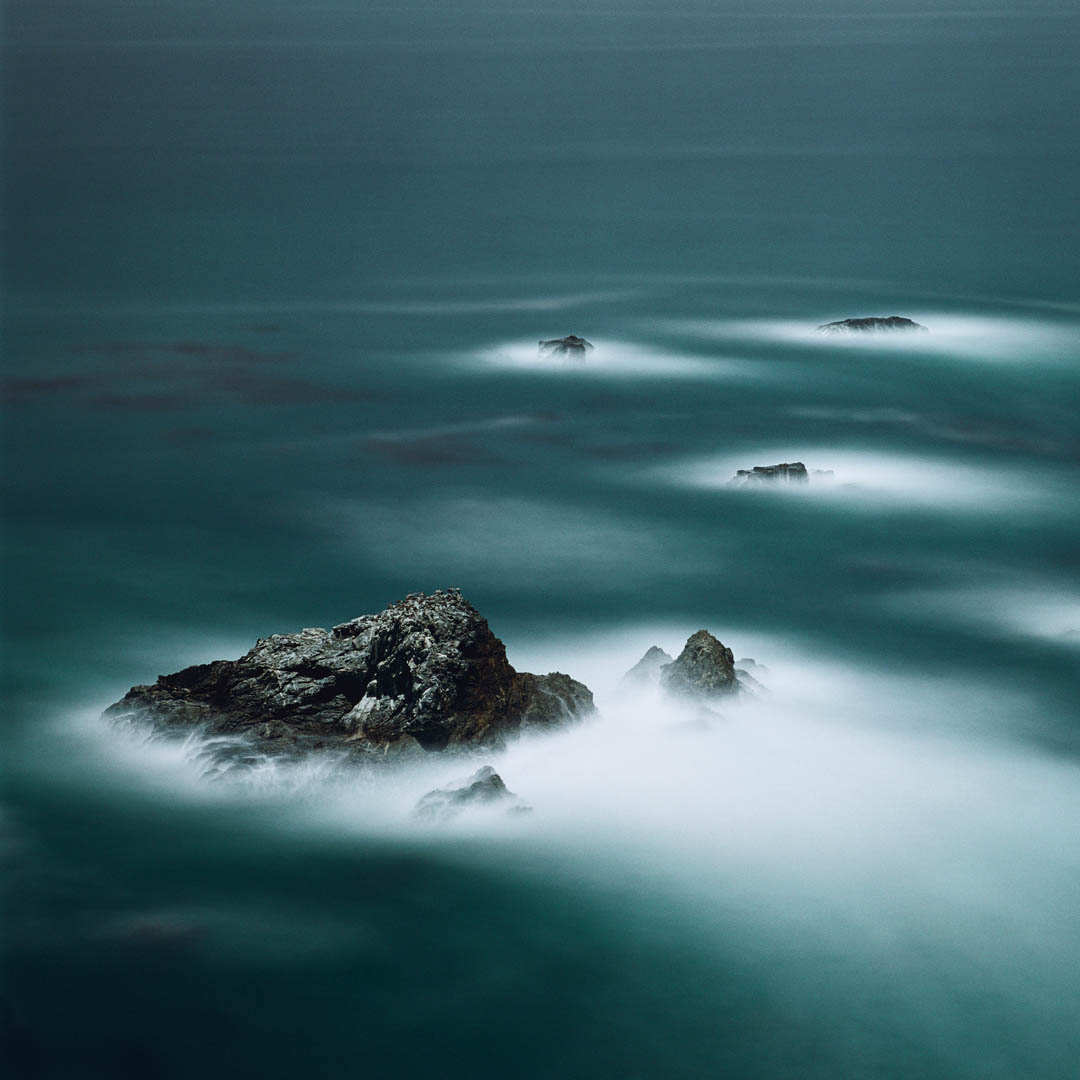
It’s these ideas – of duration, nostalgia and preservation – that interest British photographer Darren Almond (b. 1971). Since 1998, the Turner Prize-nominee has been working on a collection of long exposures documenting landscapes around the world at night, made under the illumination of a full moon. His technique involves keeping the camera’s shutter open for a long period, usually more than 15 minutes, to allow light to enter the frame. The results are extremely atmospheric, freezing several moments – water flowing, trees swaying, ice cracking – into a single shot. “With long exposures, you can never see what you are shooting,” Almond says, “but you are giving the landscape longer to express itself.”
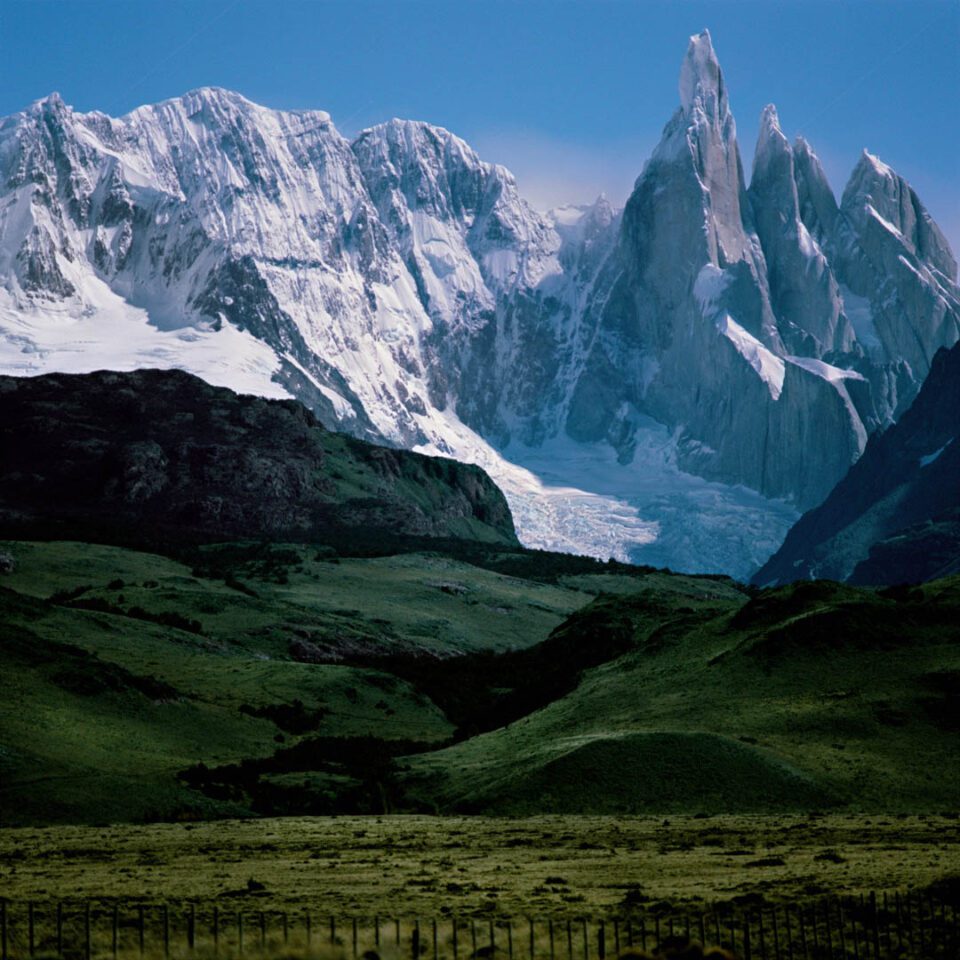
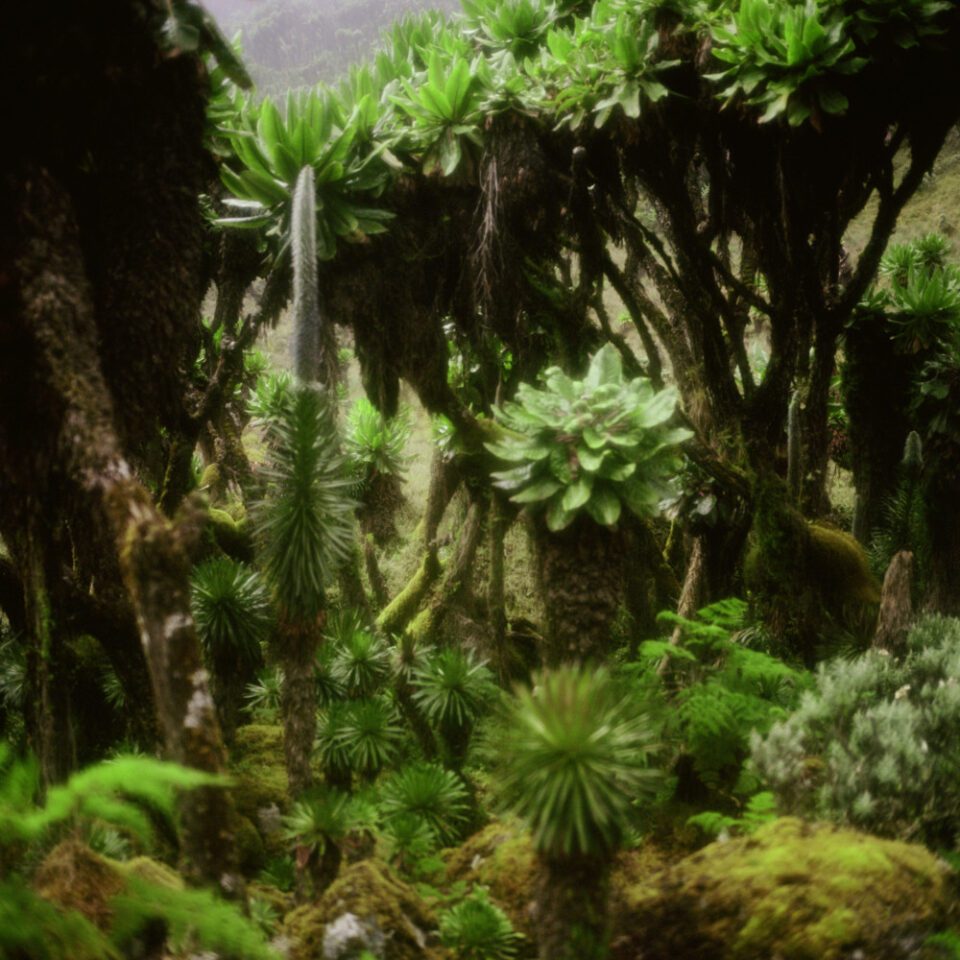
This summer, TASCHEN is publishing an expanded edition of the series, titled Fullmoon, describing it as a “breathtaking nocturnal journey around the globe.” Featuring an introduction by Sheena Wagstaff and an essay by Brian Dillon, the new book brings together more than 370 photographs – from Yosemite to the Japanese seashore, Patagonia to Bermuda and the Alps to the English meadows. Water – whether falling, rolling or crashing – is rendered silky smooth. Peaks are highlighted in luminous white, whilst trees drop into deep shadow. Plant movement is indicated by a slight blur in the undergrowth. Stars stream across the sky, forming patterns of dots and dashes. Throughout, the world’s edges become softened, like stepping into a dream. Often, the light is so bright you’d be forgiven for forgetting these are taken after the sun sets.
As readers turn the pages, they are met not only with images but quotes – from artists, anthropologists, historians, thinkers and poets, including Edgar Allan Poe, Gerhard Richter and John Berger. These snippets are perfectly matched with the visuals: reflections on the moonlight – from John Ruskin and Tahereh Mafi, among others – appear throughout, whilst a verse from Samuel Taylor Coleridge’s The Rime of the Ancient Mariner (1834) – “The ice was here, the ice was there, / The ice was all around: / It cracked and growled and roared and howled, / Like noises in a swound.” – accompanies white-out shots of the Antarctic.
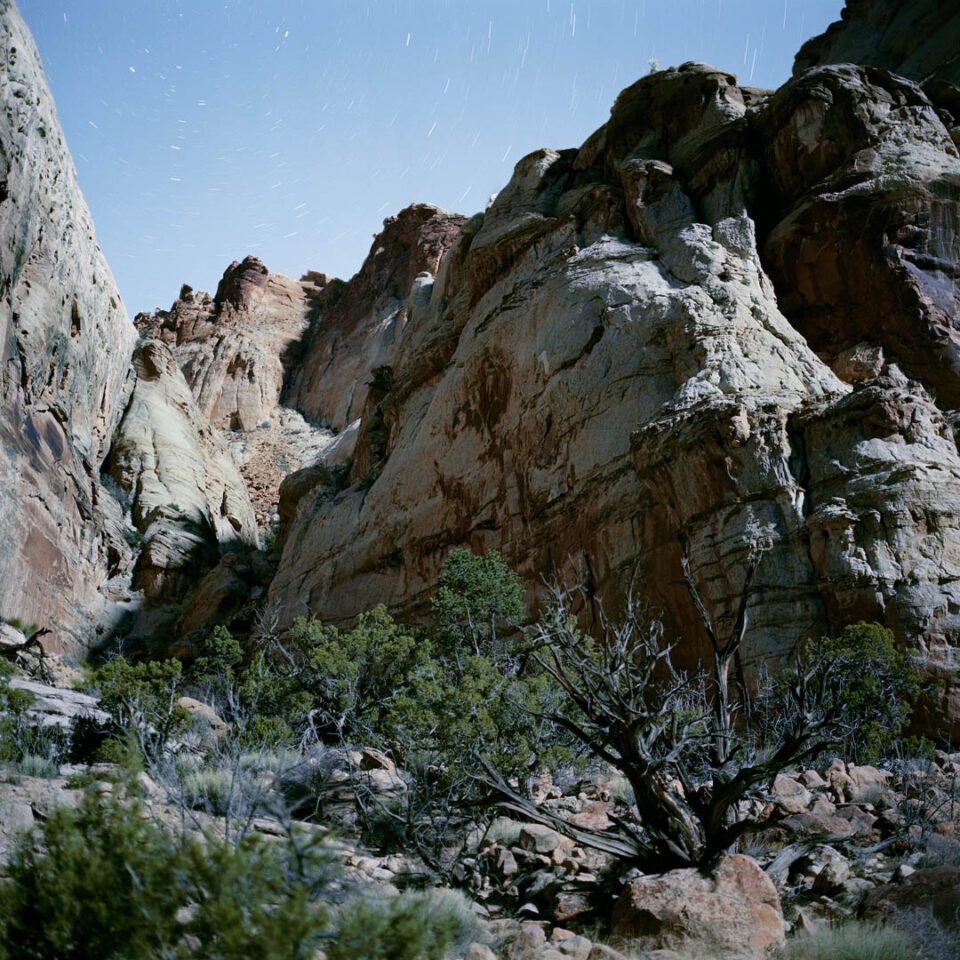
Almond is often positioned within a rich tradition of Romanticism, the 18th century movement that prioritized emotion and the awe-inspiring beauty of nature. A notable comparison is with the painter J. M. W. Turner (1775-1851), whose storm-lashed seascapes revel movement and the changing effects of light. Almond has long engaged with the traditions of landscape painting, retracing the locations depicted by Turner, John Constable, Caspar David Friedrich and John Ruskin for another photographic series. He captured his first Fullmoon picture near Montagne Sainte-Victoire, the mountain that inspired many of Paul Cézanne’s final works. In her introduction, Wagstaff expands on Almond’s dialogue with Turner and situates the Fullmoon series within a wider lineage of explorers, poets, writers and activists. Dillon’s accompanying essay, meanwhile, explores the cultural history of moonlight itself.
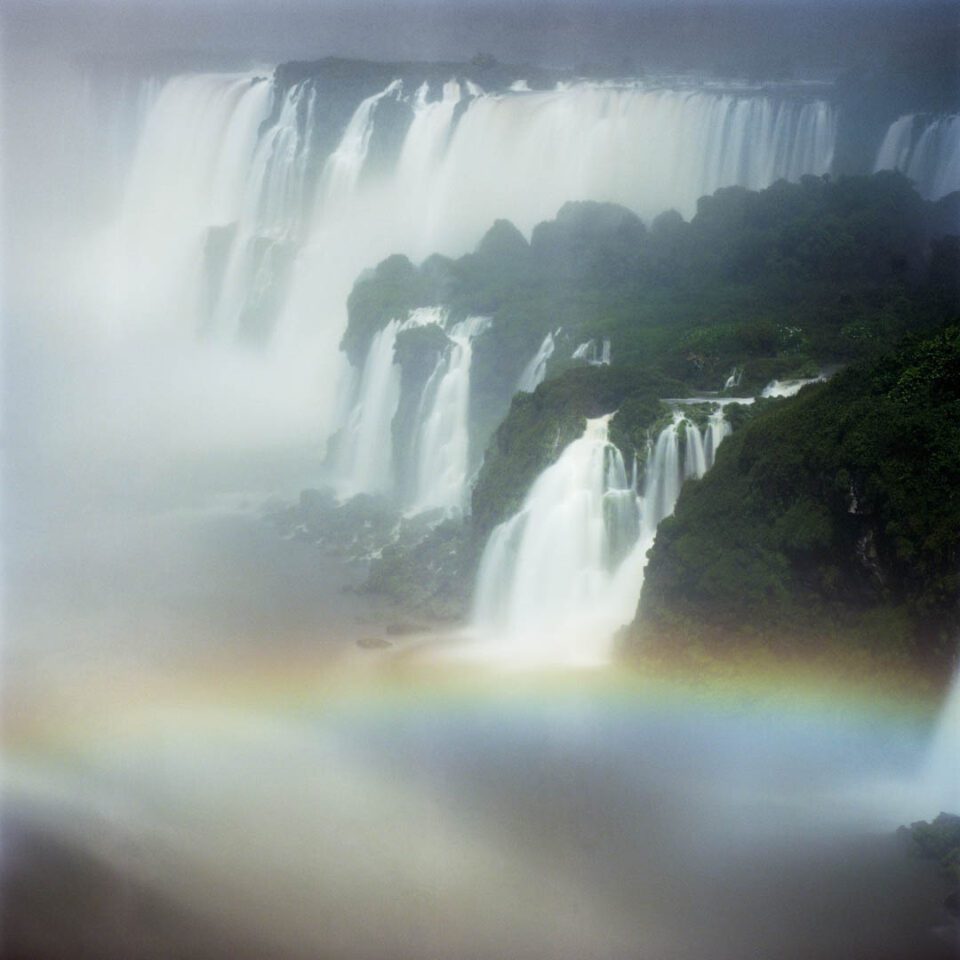
This book is, above all, rooted in the passage of time. In a fast-paced world, shaped by technology and an always-on culture, Almond’s photographs invite us to slow down – a testament to the value of exploration, observation and patience. There is something calming about the fact that each image can only be made once a month, under the light of a full moon, and may never be repeated again. Yet, though seemingly still, these pictures contain multitudes: rising tides, gathering clouds, bending trees and glaciers on the point of fracture. In this way, the works are both contemplative and prophetic, hinting at the accelerating effects of climate change. As Almond puts it, “there is always a portion of the world in shadow.”
Darren Almond. Fullmoon, TASCHEN. Available now.
Words: Eleanor Sutherland
Image Credits:
1. Pacific, 2005 © 2026 Darren Almond.
2. Rügen V, 2004 © 2026 Darren Almond
3. Cerro Torre, 2013 © 2026 Darren Almond
4. Bujuku, 2009 © 2026 Darren Almond
5. Utah North Star, 2012 © 2026 Darren Almond
6. Moonbow, 2011 © 2026 Darren Almond


