

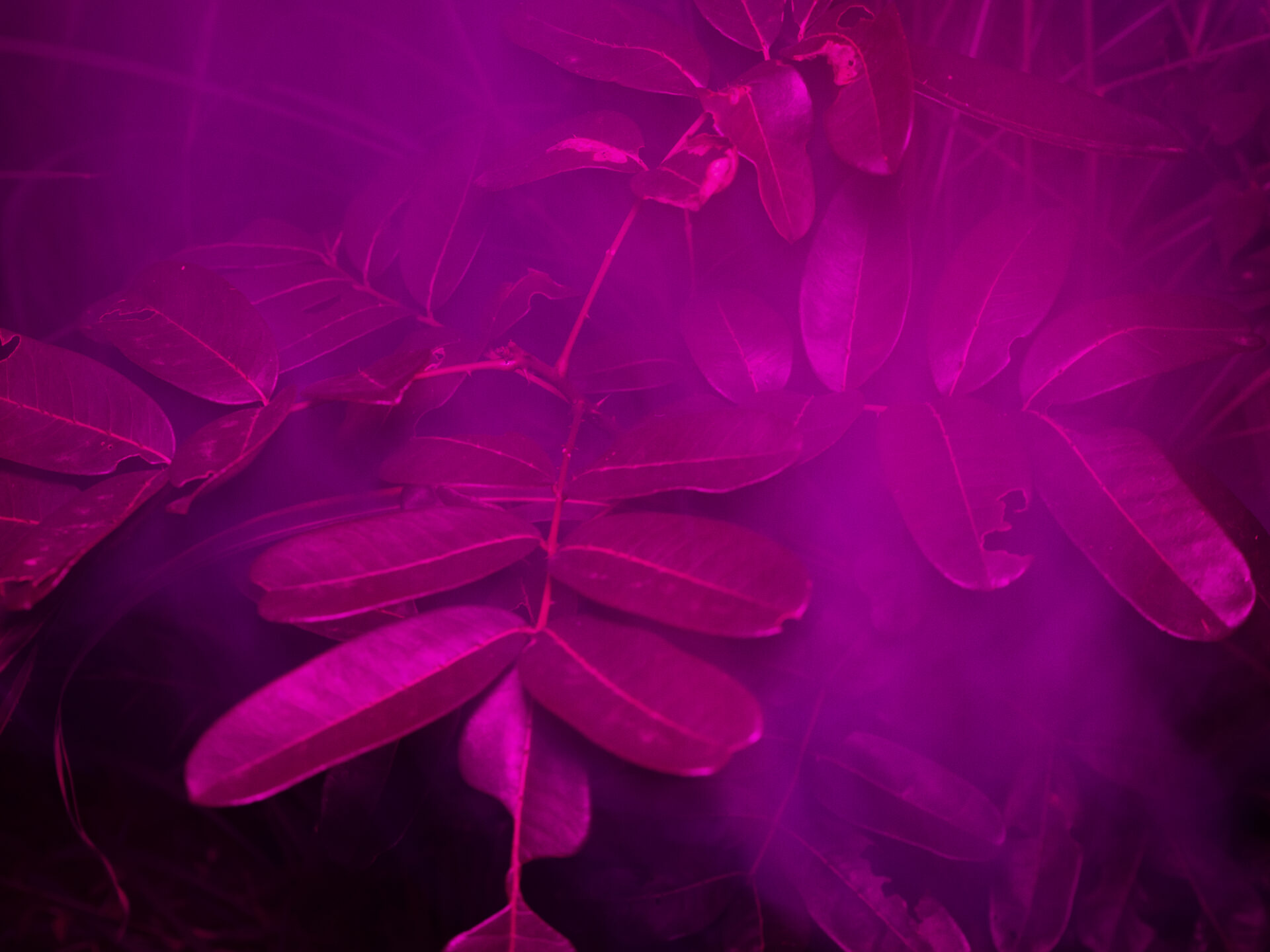
The edge is a location of both tension and possibility. It is a moment where certainty falters and perspective shifts. Faultlines appear in landscapes, communities and the psyche, representing instability as well a potential. KYOTOGRAPHIE 2026, Kyoto’s international photography festival, brings together more than 13 artists from around the world, presenting exhibitions that explore and play with “in-between” spaces found across the city. The main programme navigates experimental image-making, social and historical peripheries, urban and technological thresholds, humanity’s encounter with nature at its extremes and much more. Lucille Reyboz and Yusuke Nakanishi, co-Founders and Directors of the event, say: “We see radical approaches to photography alongside studies of urban decline, while documents of marginal communities intersect with ongoing issues of colonisation and territorial disputes. The edge is a place of uncertainty…but also a place where something ends to make way for something new.”
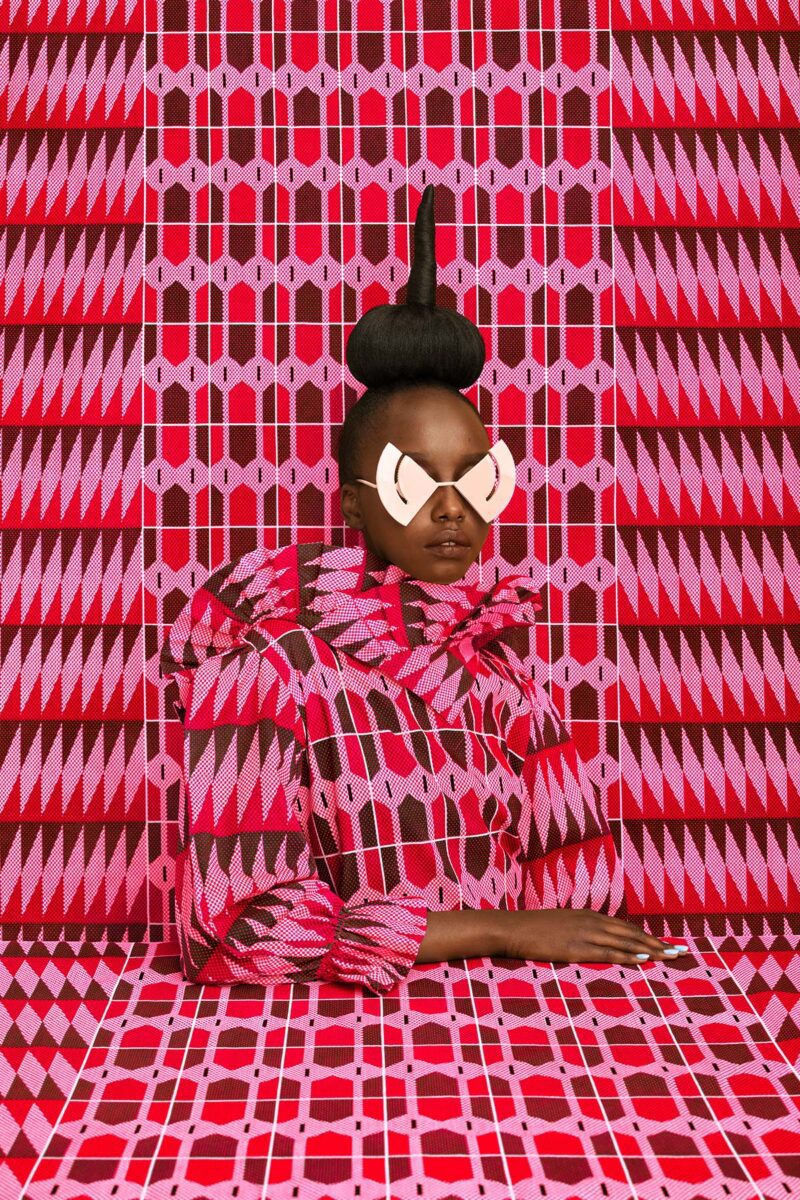
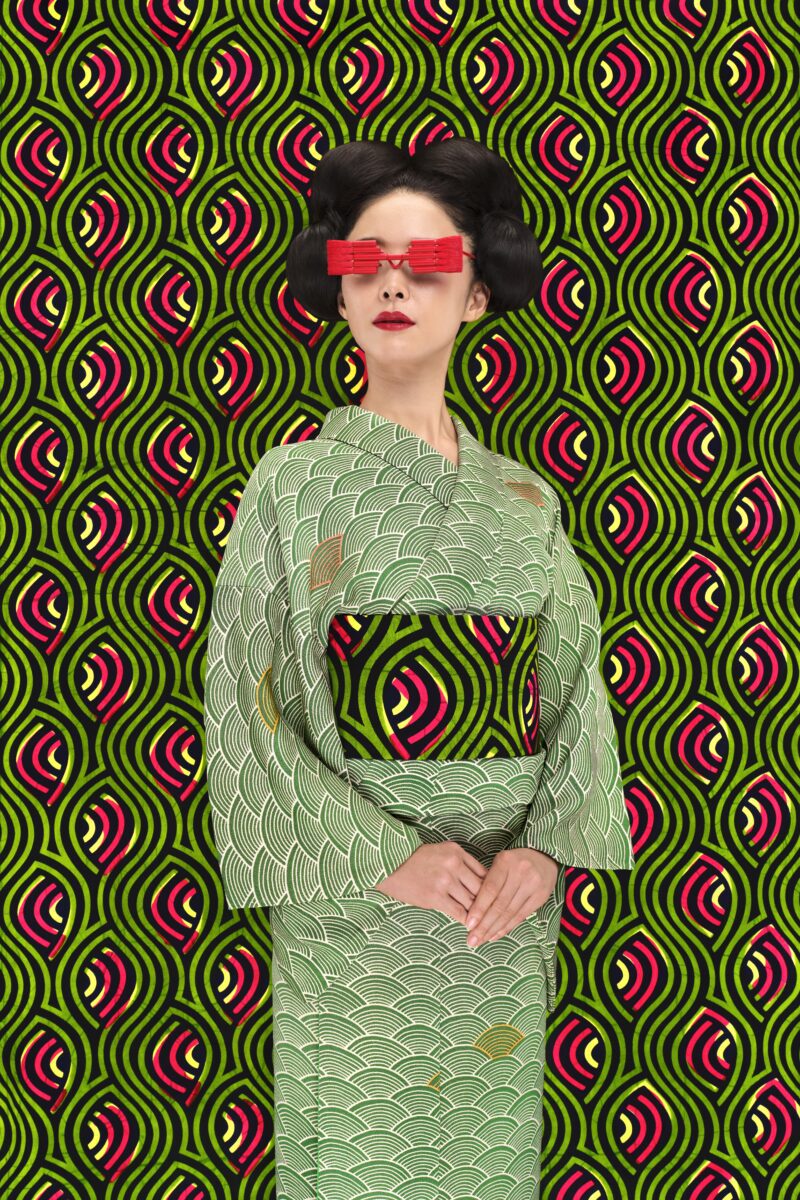
The programme spans several generations, movements and continents, bringing together disparate practitioners under the single vision of defining and documenting “the edge.” Daido Moriyama plunges into urban chaos, depicting streets that radiate unpredictability and grit. The artist is a pioneer of the avant-garde, producing black-and-white street photography that captured the rapid transformation of Japanese society in the decades following WWII. Linder Sterling challenges identity and representation with bold provocative interventions, whilst Anton Corbijn examines the intersections of celebrity, myth and perception. Yves Marchand & Romain Meffre trace decay and abandonment, revealing histories embedded in structures on the brink. Meanwhile, Juliette Agnel’s subtle observations of minerals and plants, which are often taken at night, engage with “invisible forces” that connect humanity and nature.
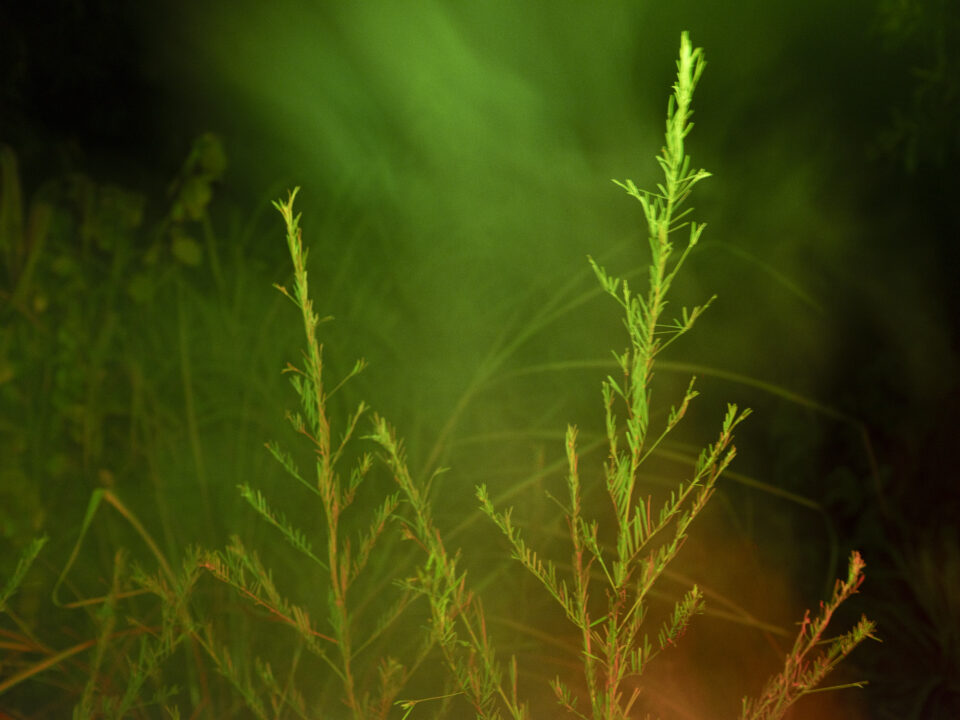
KYOTOGRAPHIE also foregrounds the changemaking potential of images. There is a tribute to the late Palestinian photographer Fatima Hammouna, alongside displays by Federico Estol and Lebohang Kganye, who trace identity, memory and migration. Elsewhere, Pieter Hugo and Ernest Cole reveal how the camera can interrogate systemic inequalities. Together, these artists navigate social, psychological and physical boundaries. The 2026 edition shows how uncertainty can provoke fresh ideas and ways of engaging with the world. From urban scenes to still life, it positions the medium as a force for disruption and illumination.
Kyotographie runs at various locations across Kyoto until 17 May: kyotographie.jp
Words: Emma Jacob
Image Credits:
1. Juliette Agnel / courtesy Galerie Clémentine de la Féronnière & Photo Days.
2. An Abundance Of Plenty, 2024. © Thandiwe Muriu, Courtesy 193 Gallery.
3. For KYOTOGRAPHIE African Residency Program 2025 © Thandiwe Muriu, Courtesy 193 Gallery.
4. Juliette Agnel / courtesy Galerie Clémentine de la Féronnière & Photo Days.


