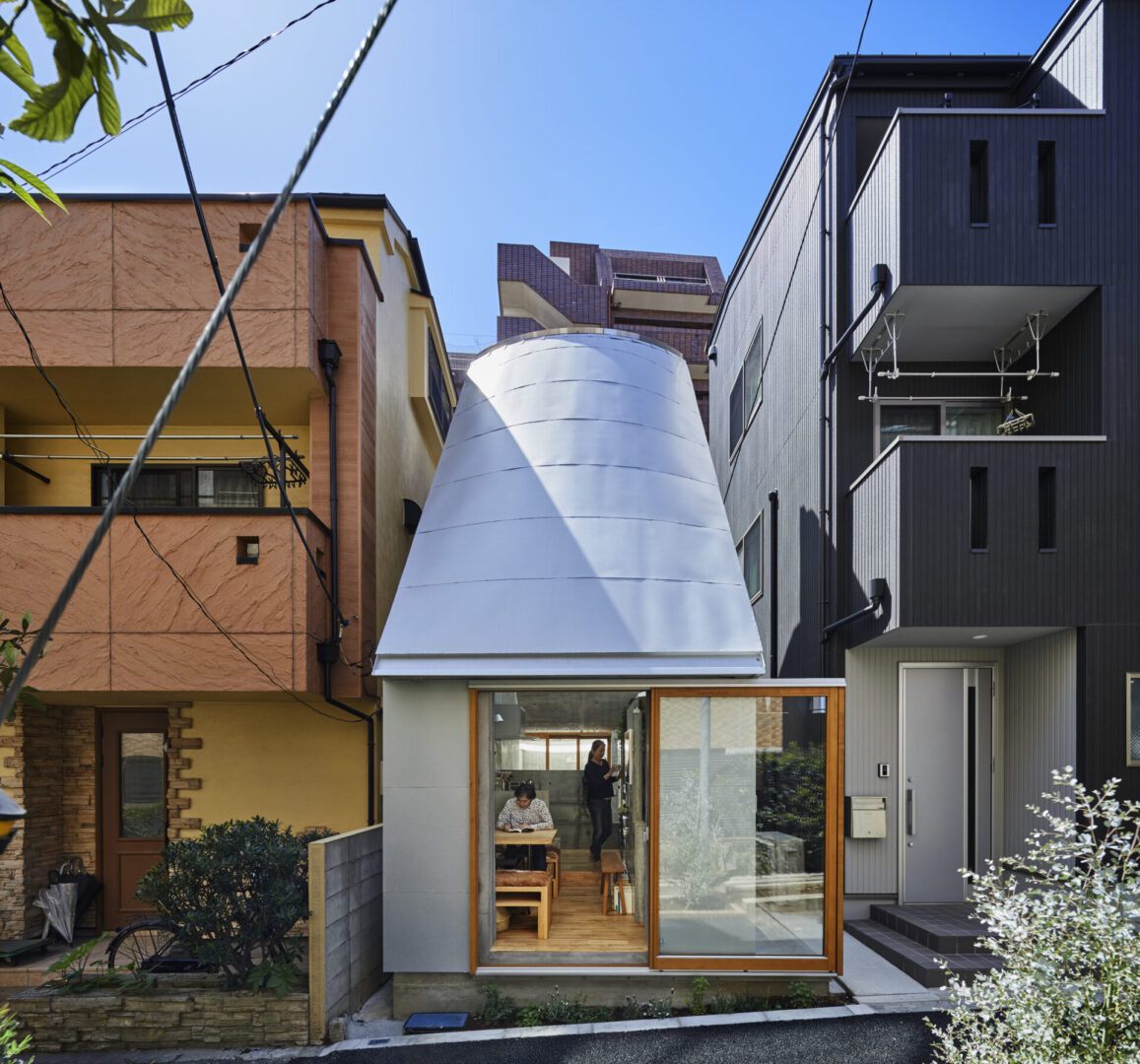
A new book by gestalten reveals how Japanese homes, understated yet radical, show that even the everyday can be transformed into something unexpected. A House in Japan: Lessons in Living explores how a thoughtfully designed home can fundamentally transform how we live. The featured houses prioritise clarity over excess, intent over display. They adapt to daily rhythms, whilst proposing fresh ways of living. The book is a showcase of unbridled creativity, from A Cat Tree House, which is a multi-level residence built around the perspective of the owners’ two cats, to Building Frame of the House, which sees seven floor plates stagger and float to create a single, fluid room. Aesthetica spoke to gestalten’s Commissioning Editor, Francois-Luc Giraldeau, about why Japanese architecture remains universally appealing.
A: How did the idea for this book first come about?
FLG: No other building type in Japan carries as much architectural ambition per square meter as the private home. Residential design elsewhere tends toward the conservative, but in Japan, it’s where architects take their boldest risks. The house becomes a laboratory for spatial ideas, a testing ground where radical concepts of privacy, community and routine are built and lived. We wanted to create a book that moves beyond the fetishisation of “Zen” minimalism, instead providing an accessible study of how the domestic realm functions as a site of architectural inquiry. The catalyst was recognising that so many of these projects share a common intelligence, a way of thinking through constraint and material honesty, that deserves to be examined as a coherent body of work rather than as isolated case studies.
A: What is it about Japanese homes that make them so distinct from other buildings around the world?
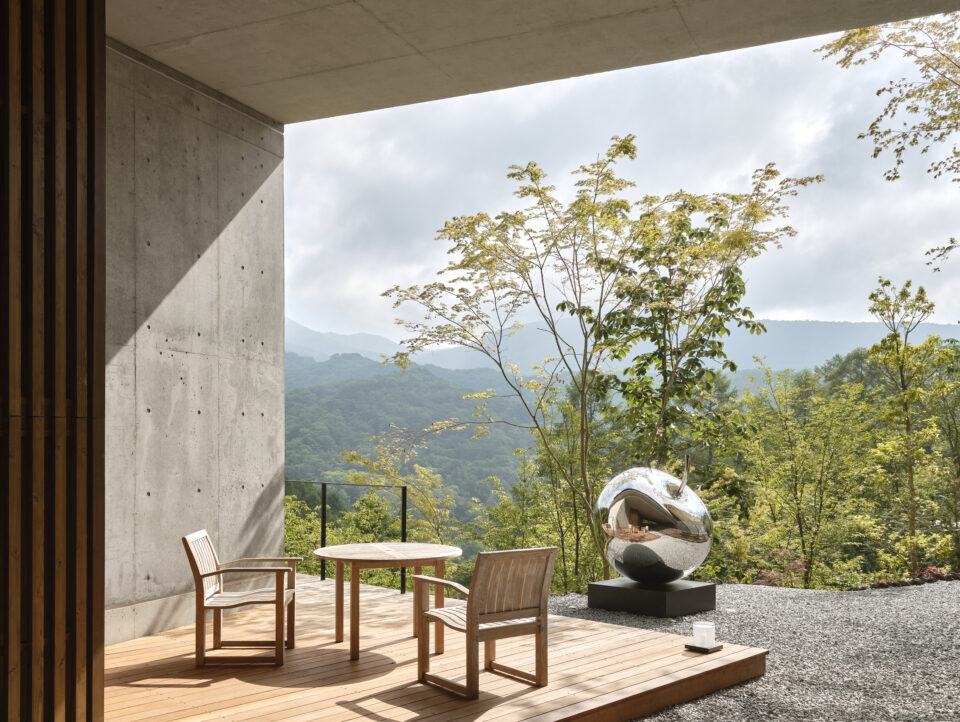
FLG: Several forces converge. Land scarcity and strict zoning regulations impose conditions that most western architects would consider prohibitive: irregular plots, minimal setbacks and neighbours at arm’s length. Rather than treating these as limitations, Japanese architects consistently reframe them as generative constraints. A cultural disposition toward impermanence also plays a role. Most Japanese houses are built to last roughly 30 years, which liberates architects from the burden of posterity and encourages a kind of propositional boldness. Add to that a deep material literacy and an attention to thresholds, and you get a tradition that is simultaneously ancient and experimental. We’ve also noticed a willingness among residents to inhabit spaces that demand active engagement, such as climbing ladders or living in full view of the street. It’s truly an architecture that requires participation.
A: How can a thoughtfully designed home change how we live?
FLG: A well-designed home shapes the cadence of daily life. An architect considers where light enters, how rooms transition or where a corridor narrows before opening into a shared space, which means they are choreographing a specific experience. The homes in this book demonstrate that architecture can alter how a family gathers, an individual finds solitude and work and rest coexist under one roof. When design privileges intent over excess, it compels the inhabitant to live with greater awareness.
A: Many of the homes in A House in Japan are shaped by “constraint.” Can you explain what this means and why it’s important for the architecture?
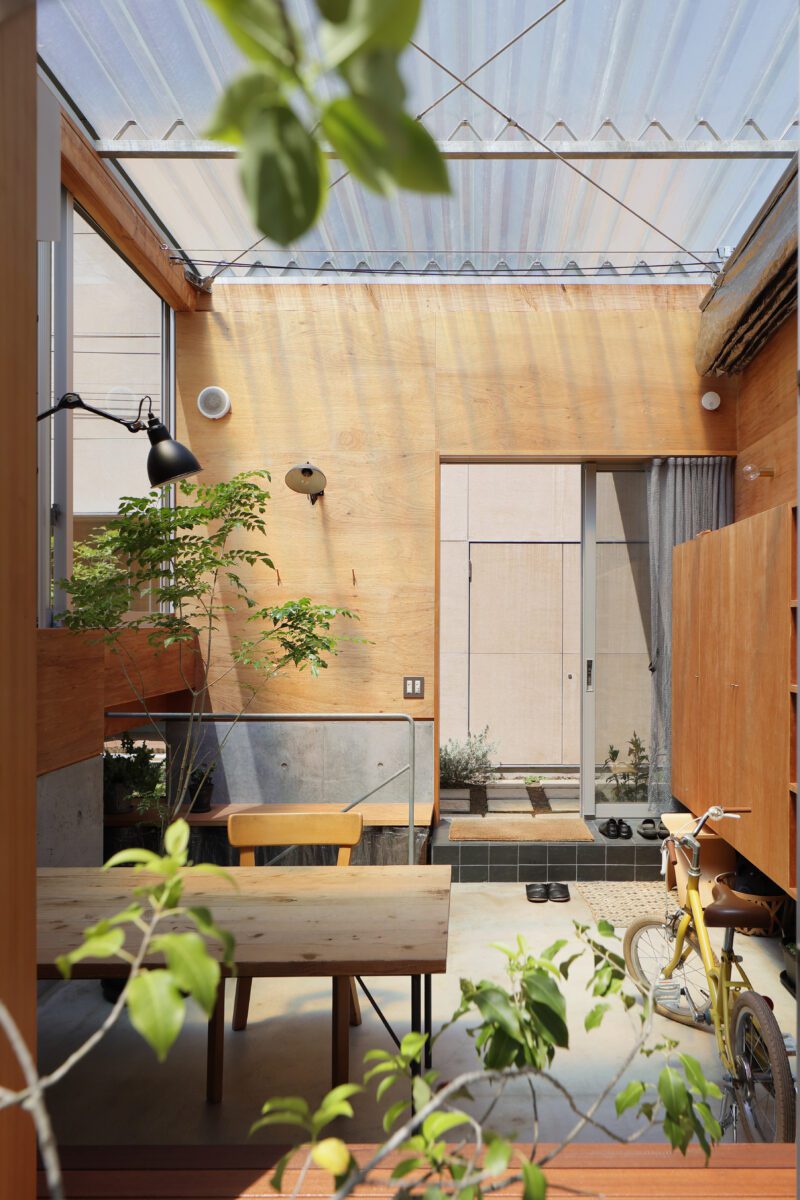
FLG: Constraint operates on multiple registers here. There is the physical: plots that measure barely fifty square meters, building codes that dictate height and seismic requirements that inform every structural decision. There is the environmental: humid summers, harsh winters and the ever-present reality of earthquakes. And there is the cultural: a deeply ingrained economy of means where excess is not admired, and restraint carries its own aesthetic authority. What makes constraint productive is that it forces invention. When you cannot build outward, you build upward, inward or in section. Square footage is scarce, so every surface becomes multifunctional. We’ve featured examples that treat limitation as a discipline to work within. The results are more inventive than what freedom alone tends to produce.
A: Talk us through the process of selecting which structures were featured in the book? What criteria did you use to decide what should be included?
FLG: Every project had to express a clear idea: a proposition about how to live rather than a mere demonstration of how to build. We focused exclusively on completed works to avoid the speculative nature of renders, and prioritised projects that revealed something unique about flexibility, circulation or the relationship between interior and exterior. We also sought a balance between urban and rural, compact and expansive, emerging studios and established practices. We tried to avoid homes that photograph beautifully but feel cold. We wanted interiors with evidence of habitation, spaces where you sense that someone actually cooks, reads, argues and sleeps. The sequence is designed so that each project speaks to the next, creating a conversation across the book rather than a taxonomy.
A: Did researching these projects change your own understanding of what a home needs to be?
FLG: Absolutely. It dismantled the western assumption that comfort equates to abundance. In many ways, it recalibrated our sense of what is essential versus what is merely an inherited habit. It also made us more attentive to the small, deliberate gestures that distinguish a considered space from a merely functional one. Ultimately, our main takeaway was that domestic architecture can be radical without being loud.
A: Do you have a particular favourite from the buildings in the book?
FLG: I tend to resist favorites, yet I’m drawn to the homes that blur the boundary between the interior and the street. There are several examples in the book where the foyer is expanded into a semi-public doma or an earthen floor. These spaces act as social thresholds that invite the city in rather than walling it off. They represent a generosity of spirit that is rare in contemporary urban planning.
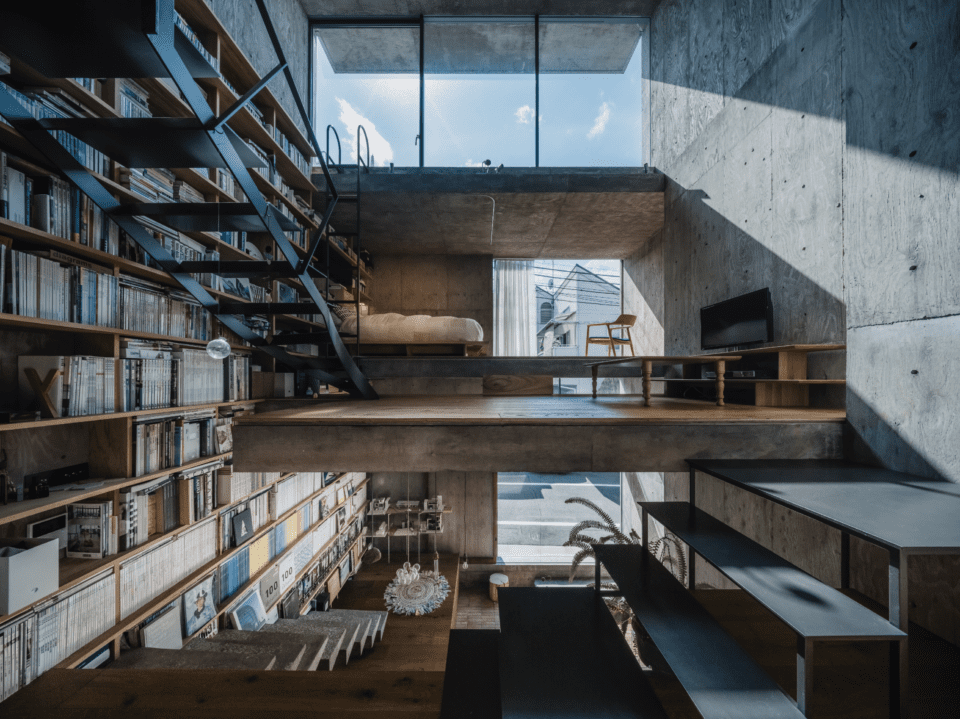
A: What does A Cat Tree House reveal about the future of domestic living?
FLG: It’s one of the most disarming projects in the book precisely because it takes a seemingly eccentric premise and arrives at a genuinely rigorous architectural proposition. It serves as a playful yet profound critique of anthropocentric design. By integrating the needs of a non-human inhabitant into the home’s structural logic, the architect disrupts standard domestic hierarchies. It suggests a shift away from rigid functionalism toward spaces that accommodate diverse forms of movement. It goes without saying that the lesson isn’t that we should all design for cats, but that fertile design thinking often begins by questioning who a home is actually for. It asks us to consider thermal comfort as a spatial experience and to think of a house as a continuous, navigable topography rather than a stack of rooms. Also, given that pet cats in Japan outnumber newborn children by a factor of ten, it reflects shifting household compositions. It suggests that architecture must adapt to the families we now have, not the ones we once assumed.
A: The subtitle reads “lessons in living.” What lessons felt most urgent to share now?
FLG: The most urgent lesson is that we can live better with less. This is not a moralising stance on asceticism but a practical observation on resourcefulness. In an era of climate crisis and urban density, the Japanese approach to small-footprint living offers a viable template for the future. It teaches us that adaptability is extremely valuable; the ability to reconfigure a space to suit changing needs is the ultimate luxury. It’s also worth pointing out that the minimalism in this book is not about deprivation but about precision. It’s about knowing what to include and having the confidence to leave the rest out. Finally, we benefit from considering how architecture engages in dialogue with its context. These homes respond to the site, climate and patterns of daily life. At a moment when housing feels increasingly generic, these projects offer a counterargument: the home can still be a space of intention, invention and even resistance.
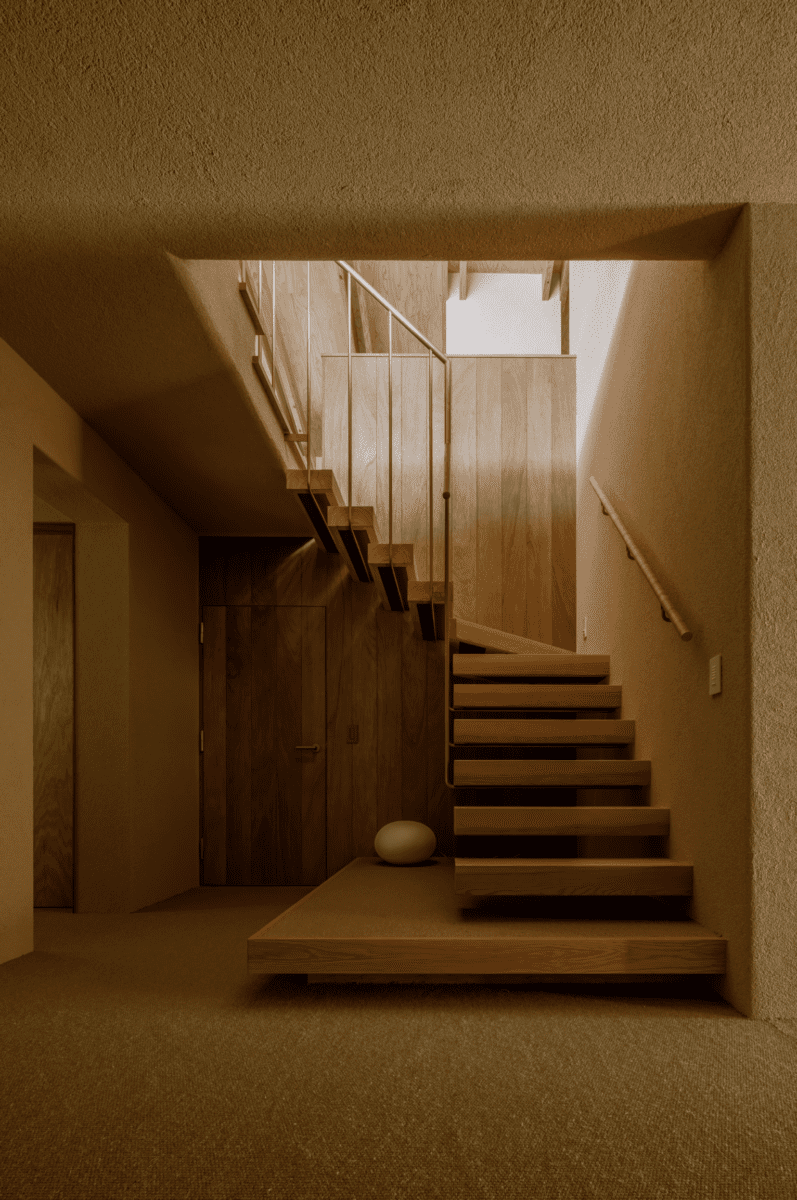
A: What can these homes teach us about emotional well-being and sustainability?
FLG: Japanese architects have been grappling with urban density for decades, and the accumulated intelligence is considerable. They’ve shown us that light and air are not luxuries but necessities that can be engineered even on the tightest sites. On sustainability, the approach is less about visible green technology and more about fundamental spatial economy. Building small is itself a sustainable act. So is designing for disassembly, using local timber and creating homes that perform thermally through section and orientation rather than solely through mechanical systems. What these projects teach is that density need not mean compromise. It can mean the opposite: a more deliberate, considered relationship between the individual and the built environment.
A House in Japan will be published by gestalten on 5 March: uk.gestalten.com
Words: Emma Jacob & Francois-Luc Giraldeau
Image Credits:
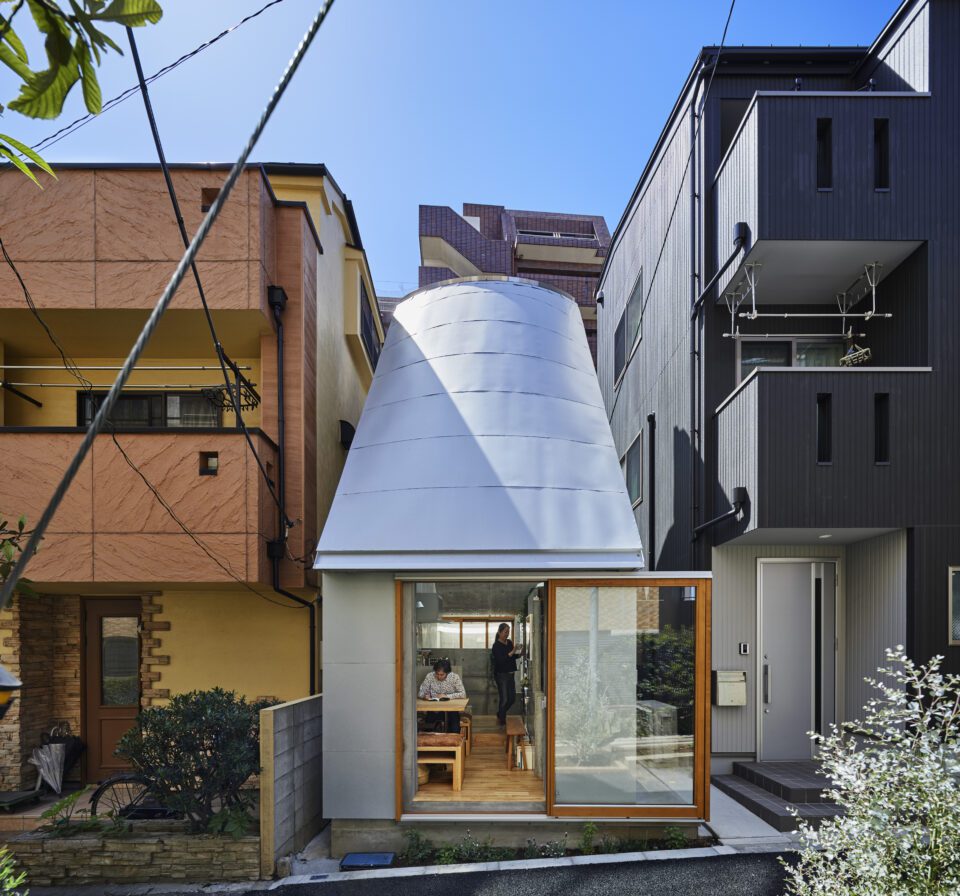
1&4. Takeshi Hosaka, LOVE2 HOUSE, Bunkyo, Tokyo. Photo Nacasa & Partners Inc., A House in Japan, gestalten 2026
2. AB Concept, Itsu Sho Sha, Karuizawa, Nagano, Photo Owen Raggett, A House in Japan, gestalten 2026.
3. Unemori Architects, Two Houses, Tokyo, Photo Kai Nakamura, A House in Japan, gestalten 2026.
5. Masato Igarashi, Building Frame of the House Tokyo, Photo Ooki Jingu, A House in Japan, gestalten 2026.
6. Unemori Architects, Two Houses, Tokyo, Photo Kai Nakamura, A House in Japan, gestalten 2026.