

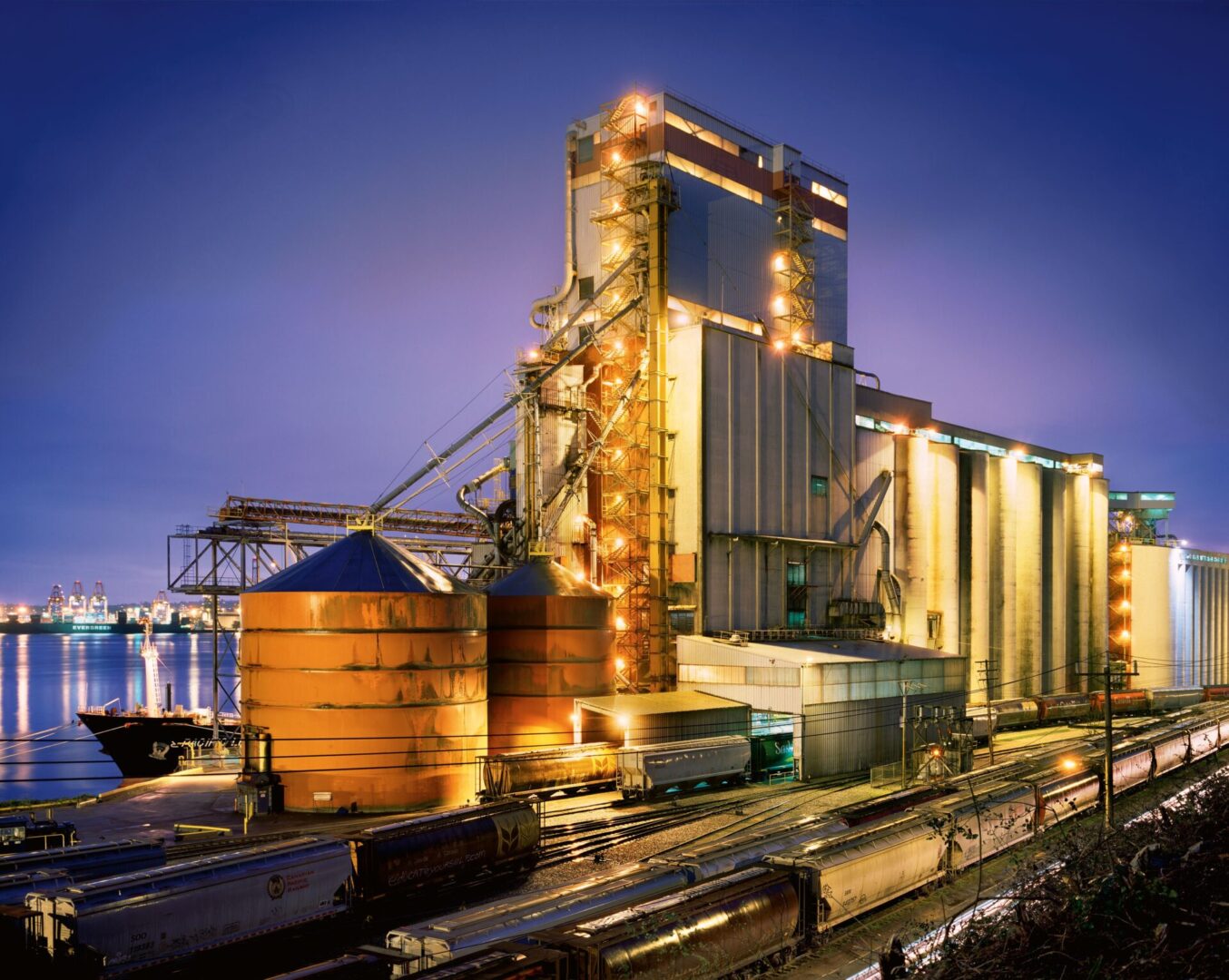
Canadian photographer Greg Girard is best-known for his photographs capturing urban landscapes of Asian cities like Tokyo, Hong Kong and Shanghai throughout an era of rapid growth and change. Now, Polygon Gallery in Vancouver celebrates the renowned figure with his first career survey. The exhibition presents more than 160 photographs spanning the past half century, including never-before-seen outtakes from his iconic photobooks. The show highlights Girard’s deep engagement with the urban landscape, beginning with his early work in Vancouver, where he documented the city’s streets, neighbourhoods and shifting social fabric in the 1970s and 1980s. His images from this period, collected in Under Vancouver, 1972-82 (2017), reveal a city in flux and a photographer attuned to both human presence and architectural change. Later, his record of life in Hong Kong’s Kowloon Walled City formed the basis of countless reimagining of a dystopian, romantic, Asia-influenced near future in film and video games. We caught up with the artist ahead of the show’s opening to look back at his illustrious career.
A: Take us back to the start. Where did you get your first camera?
GG: I bought my first camera when I was 16 at a camera store in a strip mall near where I lived in Canada, with money saved up working a part-time job.
A: The show features works that span the past half century. How has your practice changed over time?
GG: There were three main phases: the first 15 years when I made pictures more or less for myself. And then a 15 or 20 year period when I worked for magazines, and was very happy to have figured out how to make a living as a photographer. And then more recently I’ve experienced a returning to that earlier period of making pictures “for myself” but applying everything I learned from that “professional” phase.
A: What first drew you to cities and neighbourhoods undergoing rapid transformation?
GG: In the beginning I was simply attracted to places where life was lived publicly, in the streets. Downtown Vancouver at first, as a teenager. And then soon after to Hong Kong and other places in Asia. Seeing rapid transformation really only happened when I first started visiting mainland China in the 1980s, when early economic reforms were starting to transform the physical and social landscape. China is a very special case in the sense it was detached from the capitalistic grid from 1949 until the late 1980s, and the “catching up” that happened was unlike anything that has happened anywhere on earth.
A: How do you balance documenting architecture with capturing the people who inhabit these spaces?
GG: I don’t really know. Sometimes you can best see the way people live in a place without any actual figures in the picture. Sometimes people being aware of you makes for a fine picture.
A: Looking back at your early work in Vancouver. How did that series shape your perspective as a photographer?
GG: You learn early as a young photographer just how dramatically things can open up by asking a stranger to take their photo. Five minutes later you’re in their hotel room and they’re showing you their secrets.
A: What interests you most about places on the verge of change or disappearance?
GG: We could be talking about the whole world with that question. None of us really knows for sure if we’ll be here tomorrow.
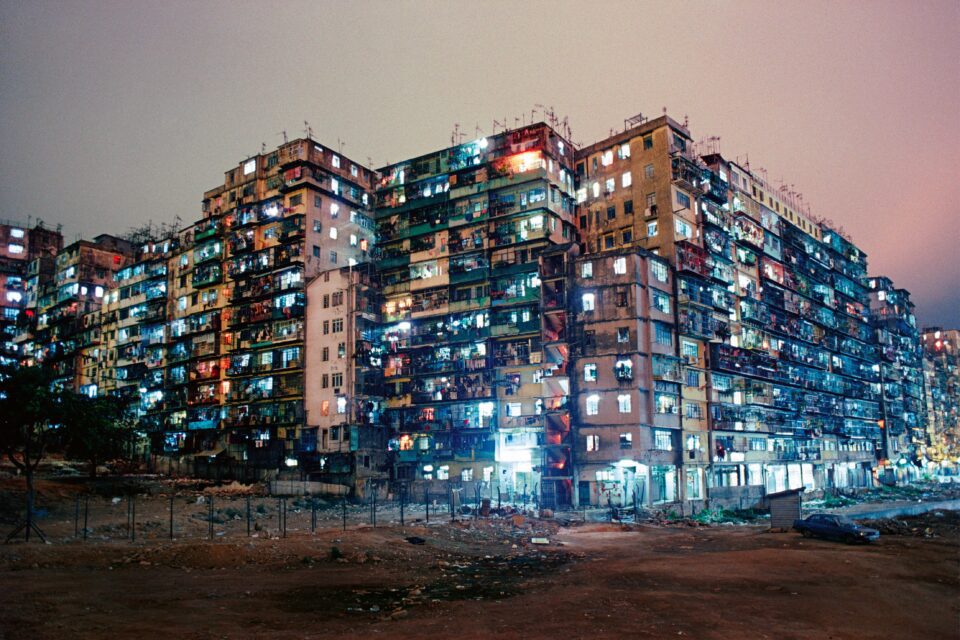
A: Why do you think your record of life in Hong Kong’s Kowloon Walled City captured imaginations so completely?
GG: Perhaps the notion of an unplanned city, and the myths about it that have taken on a life of their own: that it was lawless and yet somehow perfectly accommodating, that its chaos was a kind of beauty.
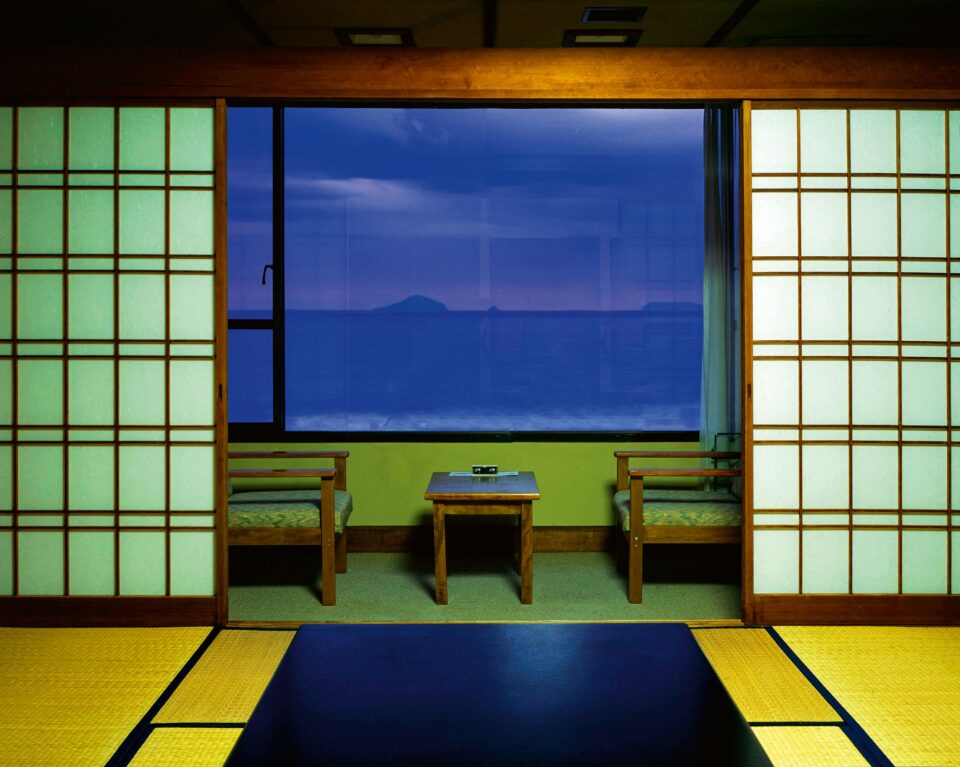
A: This exhibition includes previously unseen outtakes from across your career. What was it like revisiting those images, and did you discover anything new in the process?
GG: It was enlightening working with the director Reid Shier and curator Elliott Ramsey and how they gravitated to my pictures of people, from the early work to more recent work. I’m not really “known” for those kinds of pictures and yet that’s what I was drawn to in the beginning myself, and have never really been far from over the decades. And so, in addition to the city pictures for which I’m better known, we’ll be seeing a lot of people pictures in the exhibition which have never been shown before.
A: Do you have a particular favourite image or series you’ve taken?
GG: I spent the last 6 or 7 years photographing a certain kind of drinking place in Japan known as a “snack”. I discovered that the most common name for these places is “Sakura” (cherry blossom) and so I crisscrossed the country looking for them. I photographed in 29 out of Japan’s 47 prefectures and recently published a book about this unique “snack” culture (called Snack Sakura), but there are still 19 prefectures to go and so I’m continuing to work on the project for Volume II. My favorite project tends to be the one I’m working on.
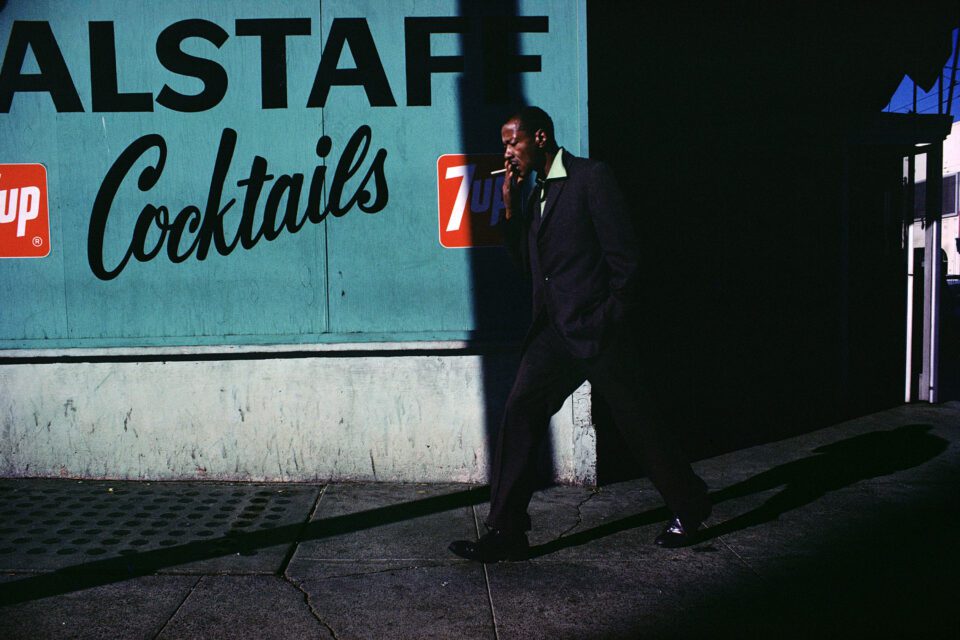
A: After fifty years behind the camera, what continues to excite you about photography?
GG: There are still photographs I haven’t seen that I want to make.
Greg Girard is at the Polygon Gallery, Vancouver from 10 July – 25 October: thepolygon.ca
Words: Emma Jacob & Greg Girard
Image Credits:
1. Greg Girard, Richardson Grain Terminal, North Vancouver, 2013. Image courtesy of the artist and Monte Clark Gallery, Vancouver.
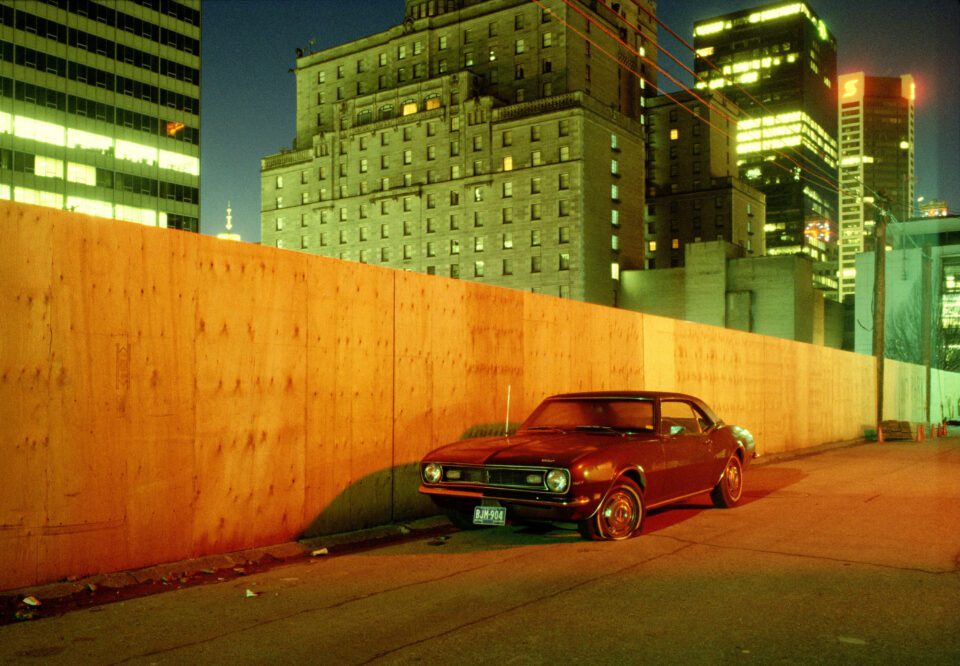
2. Greg Girard, Camaro in Alley, Vancouver, 1981. Image courtesy of the artist and Monte Clark Gallery, Vancouver.
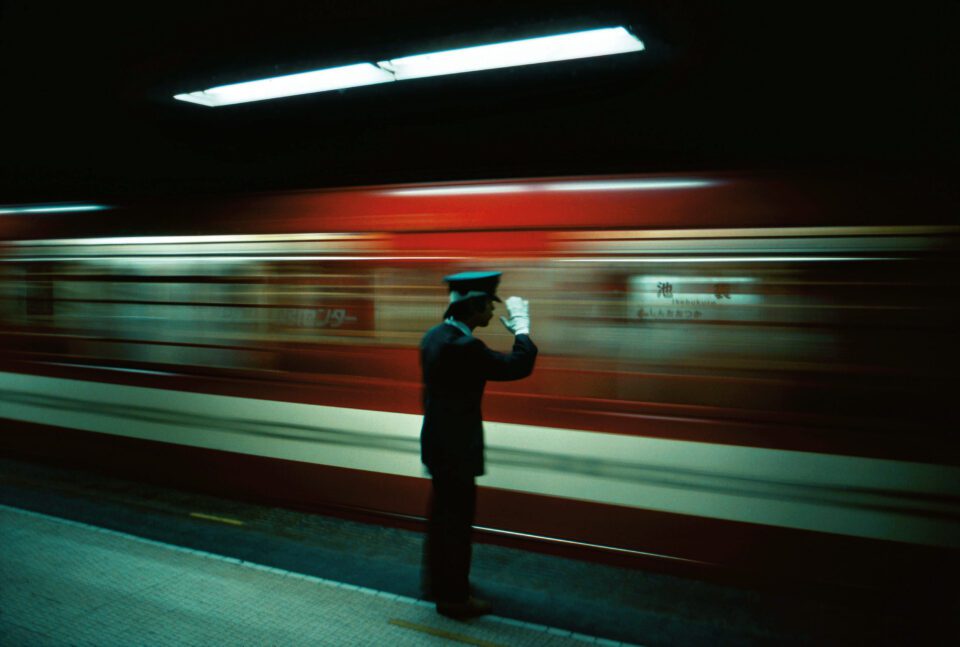
3. Greg Girard, Platform Conductor, Tokyo, 1976. Image courtesy of the artist and Monte Clark Gallery, Vancouver.
4. Greg Girard, Kowloon Walled City, from SE Corner, Hong Kong, 1987. Image courtesy of the artist and Monte Clark Gallery, Vancouver.
5. Greg Girard, Hotel Room, Izu-Inatori, Japan 2020. Image courtesy of the artist and Monte Clark Gallery, Vancouver.
6. Greg Girard, Man with Cigarette, San Francisco, 1974. Image courtesy of the artist and Monte Clark Gallery, Vancouver.


