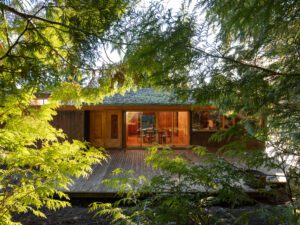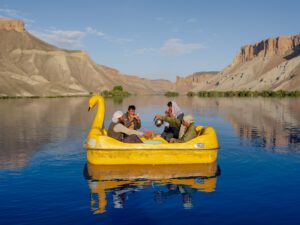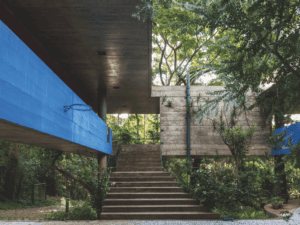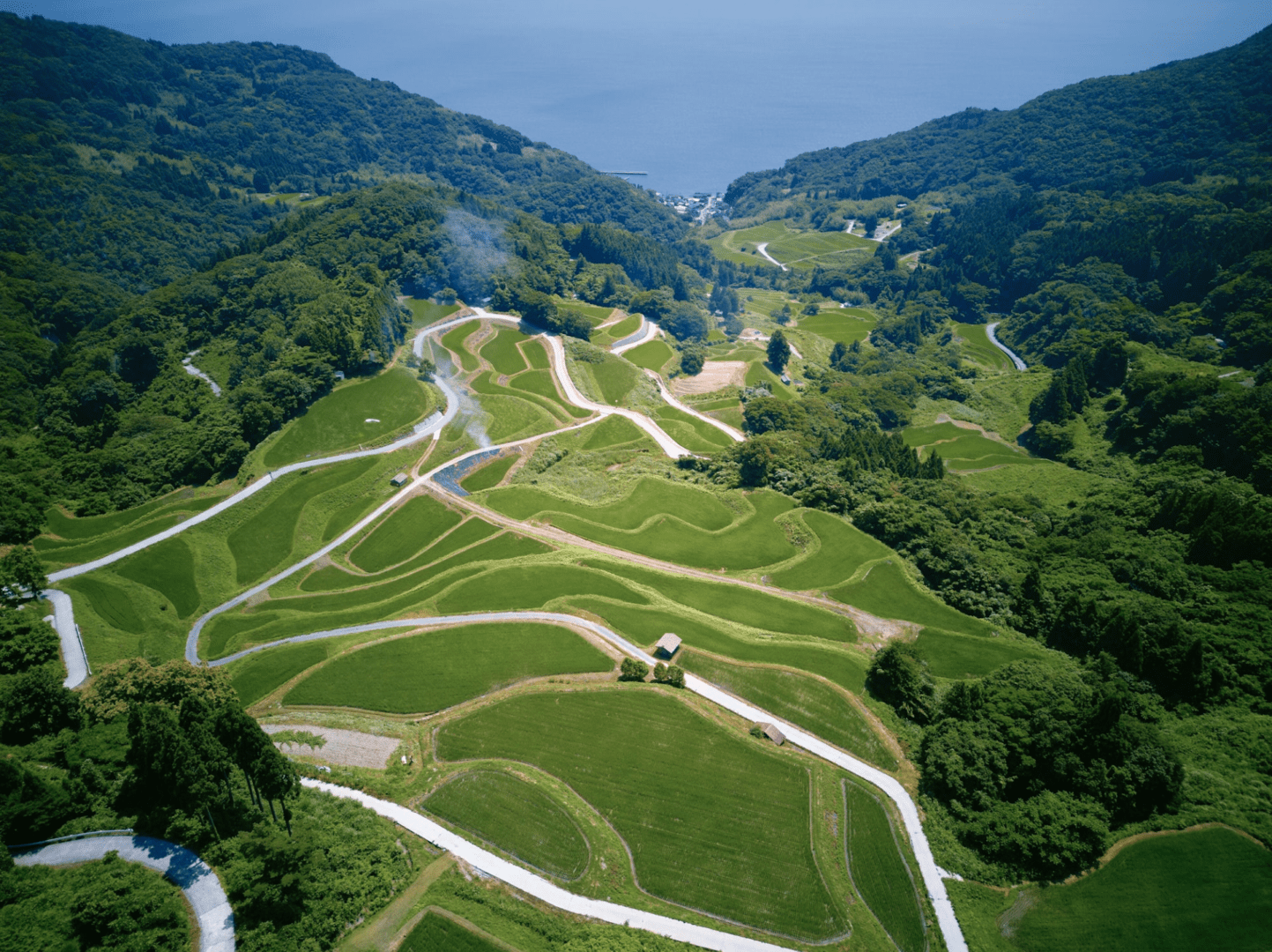
Last year, Tokyo welcomed 524 million visitors. It also ranked second in Condé Nast Traveller’s 2025 list of “Best Cities in the World.” For decades, it’s been a beacon of innovation, modernity and technological advancement. The city is often at the heart of conversations around Japanese architecture, coming to symbolise renewal and reinvention after it was rebuilt from the massive destruction of the Great Kantō Earthquake and the bombing campaigns of WWII. Photographer Irwin Wong seeks to expand international perspectives on Japan, encouraging audiences to imagine a different reality. His latest book, produced alongside writer Rob Goss, documents the cultural diversity and authentic spirit found in Japan’s rural regional communities – far away from well-trodden tourist trails. Another Japan: Life and Culture Beyond the Metropolis explores how resilient communities are redefining life beyond the urban sprawl.
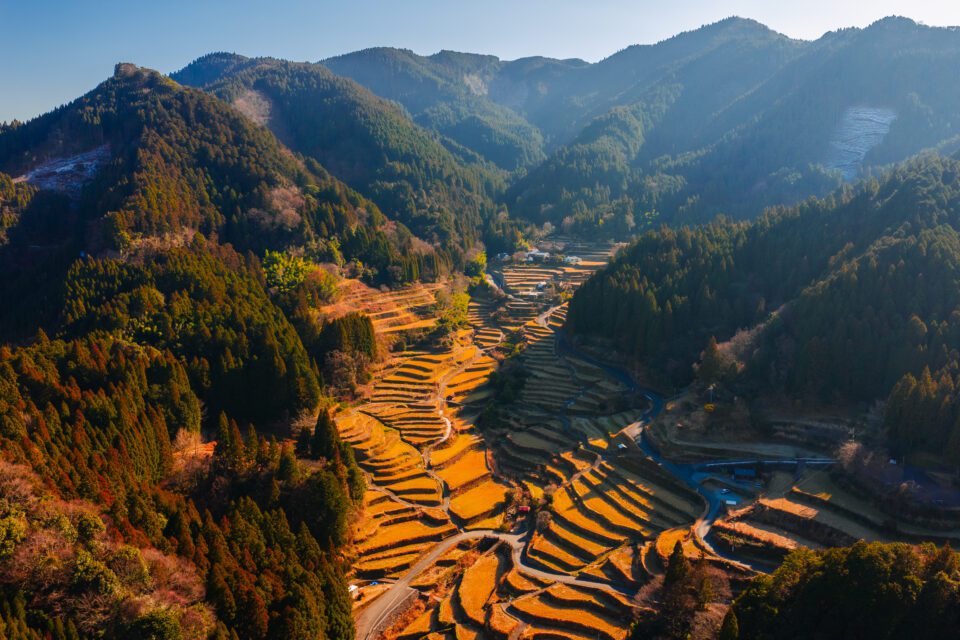
In the book’s introduction, Wong and Goss set out the overall landscape of Japan, offering readers a rough sketch that the subsequent pages bring to life. They’re frank about what they’ve seen during their travels: an ageing population, young people moving to metropolises for work, a dwindling birthrate. On the surface, it’s a story told all over the world – rural communities are struggling in the face of limited opportunities and resources. Yet, the pair “wanted to document that but also highlight the communities that are working to buck the trend.” They conclude the preface by saying: “In the communities we have spent time in for this book – and in others we haven’t been able to include – things feel different. We’ve met positivity and contentment. There’s been a warmth that sometimes gets lost in the chaos of life in Tokyo; farmers and artisans have welcomed us into their workshops and homes; conversations with strangers have unfolded in local cafes and bars; life has slowed down enough for one to appreciate the simple moments more deeply.” This publication, then, is an ode to the architecture, creatives and communities that make up rural Japan.
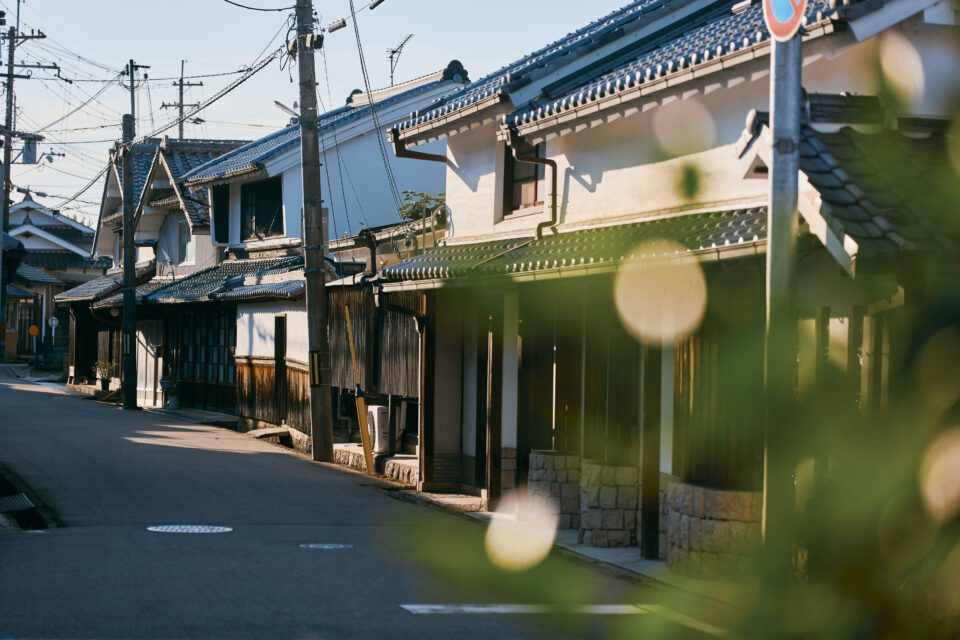
Another Japan really does take readers off the beaten track. In one chapter, Goss describes a visit to Higashikawa, a hot spot for art, photography and design in the Hokkaido countryside. The photographs are stunning, revealing a town piled high with mountains of snow, the type that would see major cities grind to a halt. The area first rose to prominence in 1985, when it launched a month-long summer photography festival, welcoming artists from Japan and abroad. Since then, it has blossomed into an creative hub, and in recent years has hosted exhibitions on major names like Herbie Yamaguchi and teamLab. The area is a beautiful blending of contemporary and tradition, with initiatives like the Kimi no Isu (Your Chair) project, which sees local artists make chairs that are gifted to all children born in Higashikawa. Perhaps most interesting about the area is the community that has flourished as a result of its artistic pursuits, as Goss explains, the town “provides many of the ingredients an artist needs to thrive: a tight-knit community, nature that can inspire creativity, and a supportive network of other creatives.”
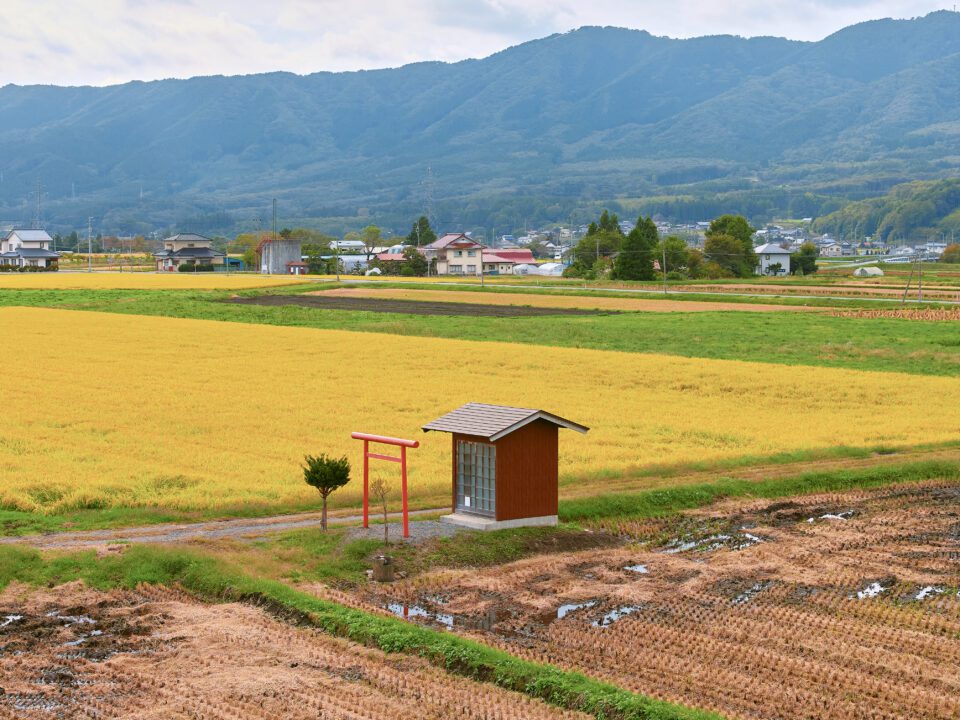
Meanwhile, Satouchi Art Islands are a masterclass in regeneration, where contemporary art and world-class architecture by Tadao Ando have transformed islands once scarred by industrial waste. Ando has designed 10 museums and buildings on the island of Naoshima, starting with Benesse House Museum in 1992, which is now home to Yayoi Kusama’s iconic sculpture of a polka-dot yellow pumpkin perched on a jetty by the sea. Ando’s other architectural works here include the Lee Ufan Museum and the Chicu Art Museum, plus the latest major venue, the Naoshima New Museum of Art, which opened in 2025. Elsewhere on the island, names like Rei Naito, Tatsuo Miyajima, Hiroshi Sugimoto, Hiroshi Senju, James Turrell, Yoshihiro Suda and Shinro Ohtake have new life to a collection of historic buildings and energised the port with a steady stream of visitors. This remarkable transformation is testament to the power of art, and a reminder that access to world-class names does not have to be reserved for major cities. It can be embedded into life in all communities, and life in these areas will be better off for it.
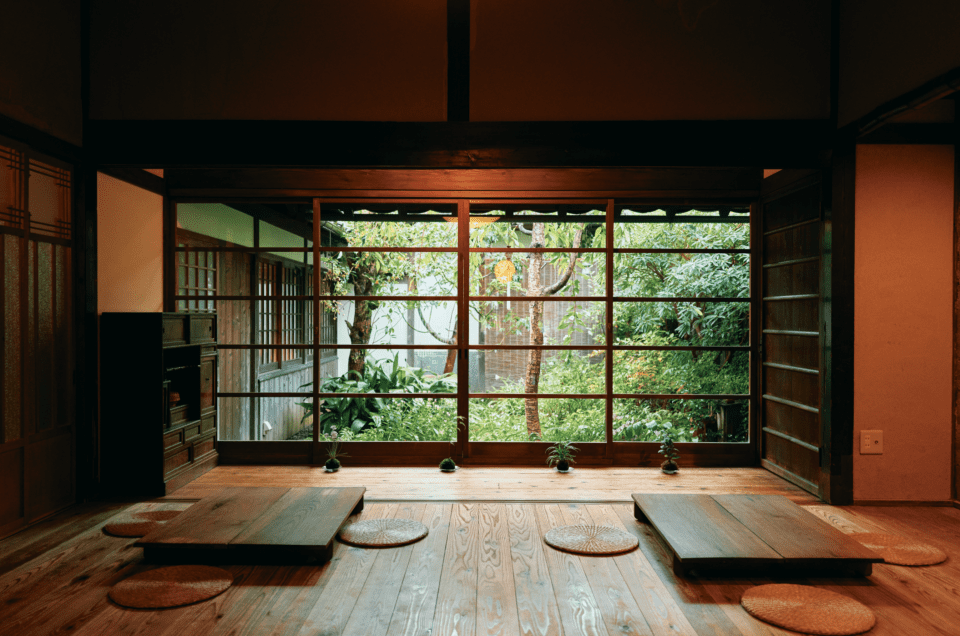
Irwin Wong and Rob Goss have produced a publication that goes far beyond a conventional travelogue. Another Japan is an essential record of communities that prove real meaning is found in the simple moments and the enduring ties between people and place. It serves as an indispensable resource for anyone seeking to understand the nuanced, authentic soul of modern Japan.
Another Japan: Life and Culture Beyond the Metropolis is published by Gestalten on 14 July: gestalten.com
Words: Emma Jacob
Image Credits:
All images: Irwin Wong, Another Japan, gestalten 2026