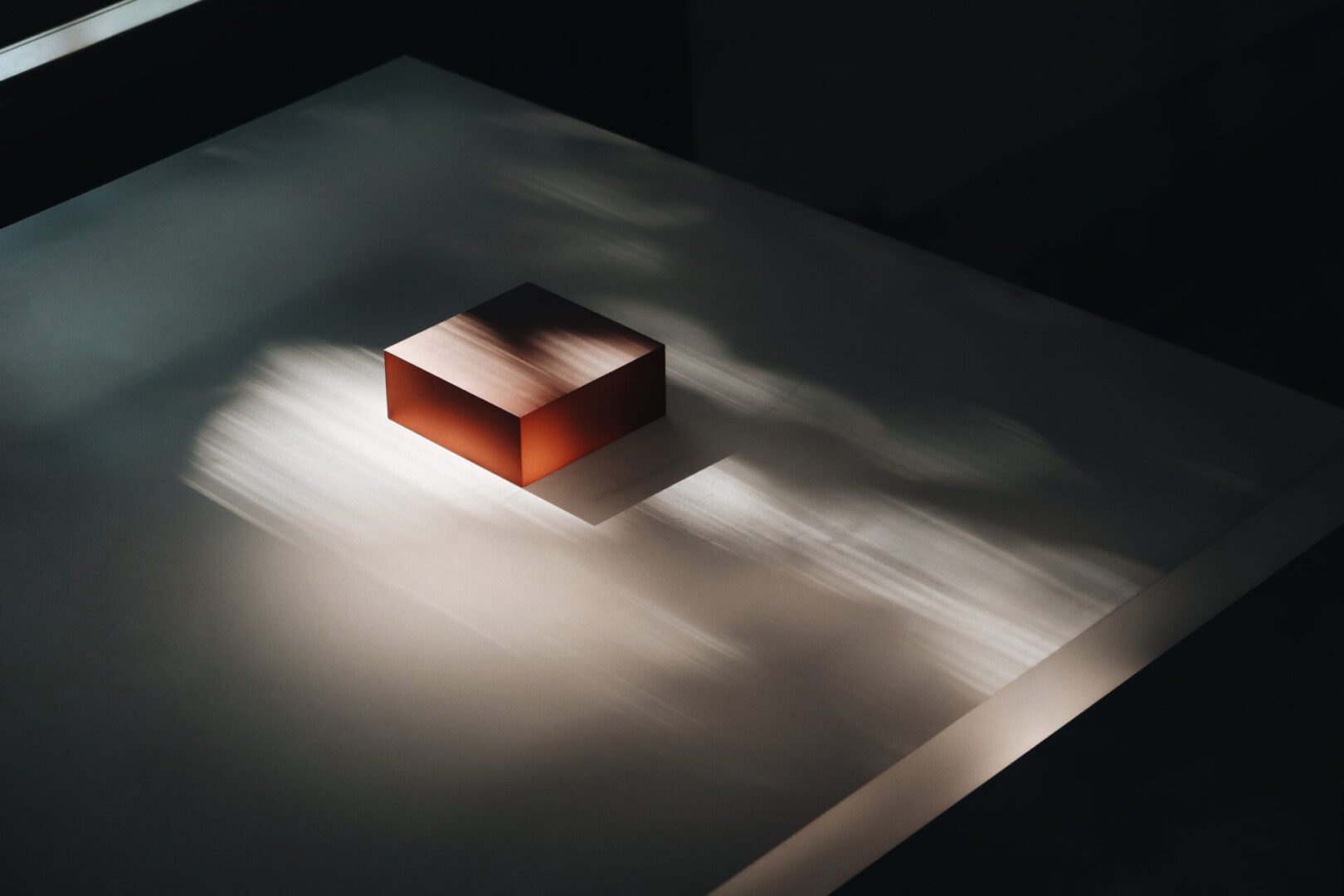
Minimalism emerged in the late 1950s, when artists began to turn away from the gestural art of the previous generation. The idea was to reject the belief that art must depict external reality, instead prompting viewers to solely respond to what is in front of them. Simple geometric forms, industrial materials and repetitive structures became defining characteristics of the movement, encouraging a direct and unmediated encounter between the object and the viewer. Artists such as Donald Judd employed fabricated metal boxes to eliminate traces of the artist’s hand, while Dan Flavin transformed ordinary fluorescent light tubes into sculptural installations that explored space through light itself. Since then, the concept has permeated almost every aspect of art, design and architecture, from Frank Stella’s famous proclamation “what you see is what you see” to Tadao Ando geometric architectural forms.
This new book from Jonas Bjerre-Poulsen and Sarah Dorweiler considers Minimalism’s place in our contemporary moment. It’s a fascinating perspective, examining how the human instinct for reduction emerges in the face of an overwhelming saturation of digital information and physical excess. Rather than treating it as a simple design choice, the authors frame Minimalism as a human drive for clarity. The publication’s introduction explains how “we are living in a moment defined by saturation – of images, of information, of choice – in which attention is fragmented and speed is often prioritised over reflection. The excess that surrounds us is physical as well as digital and psychological, shaping how we see, how we focus, and how we relate to space. In such a context, the desire for clarity is not aesthetic but cognitive, not stylistic but deeply human.” It makes a vital point. There’s a growing focus in contemporary discourse of decluttering and recentring on quality and calm. On Instagram, 29.7 million posts are tagged with “minimalism,” whilst trends like “Project Pan” and “Digital Decluttering” see people try to take back control of their own space. Then there’s the TV shows, with programmes like Tidying Up with Marie Kondo and BBC’s Sort Your Life Out encouraging people to part with their possessions.
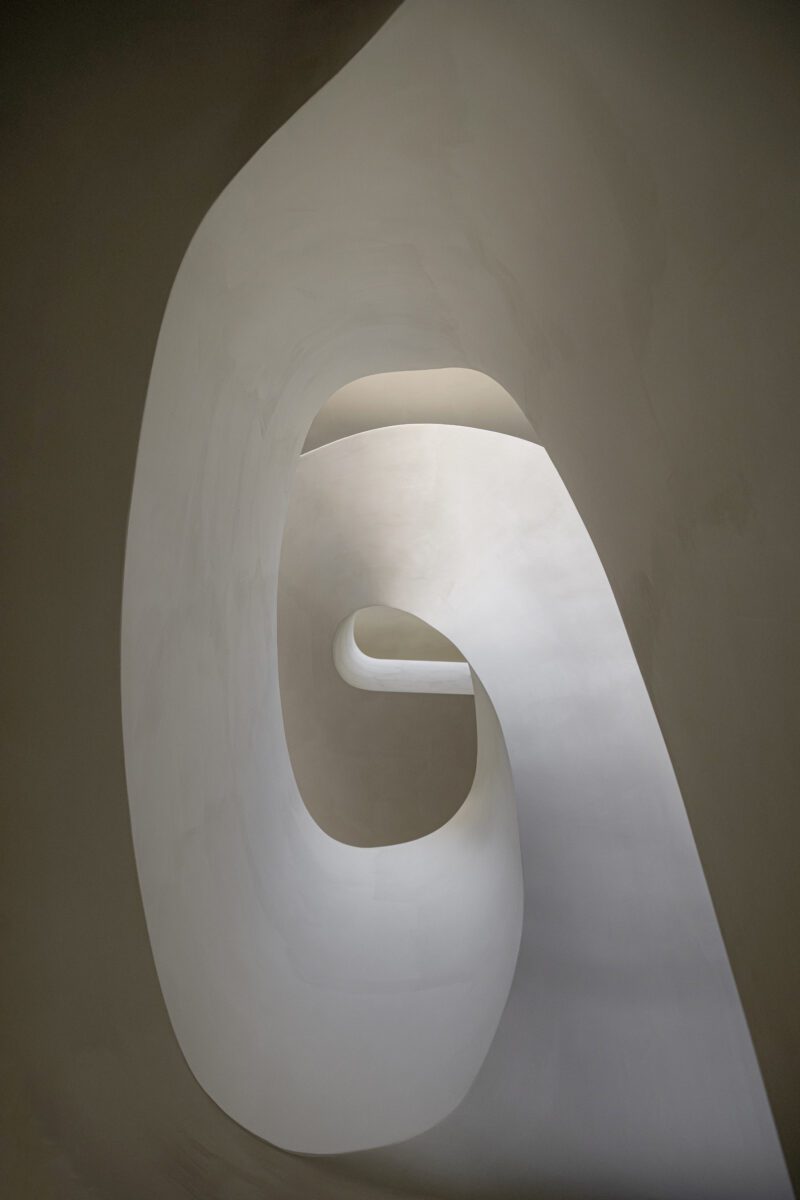
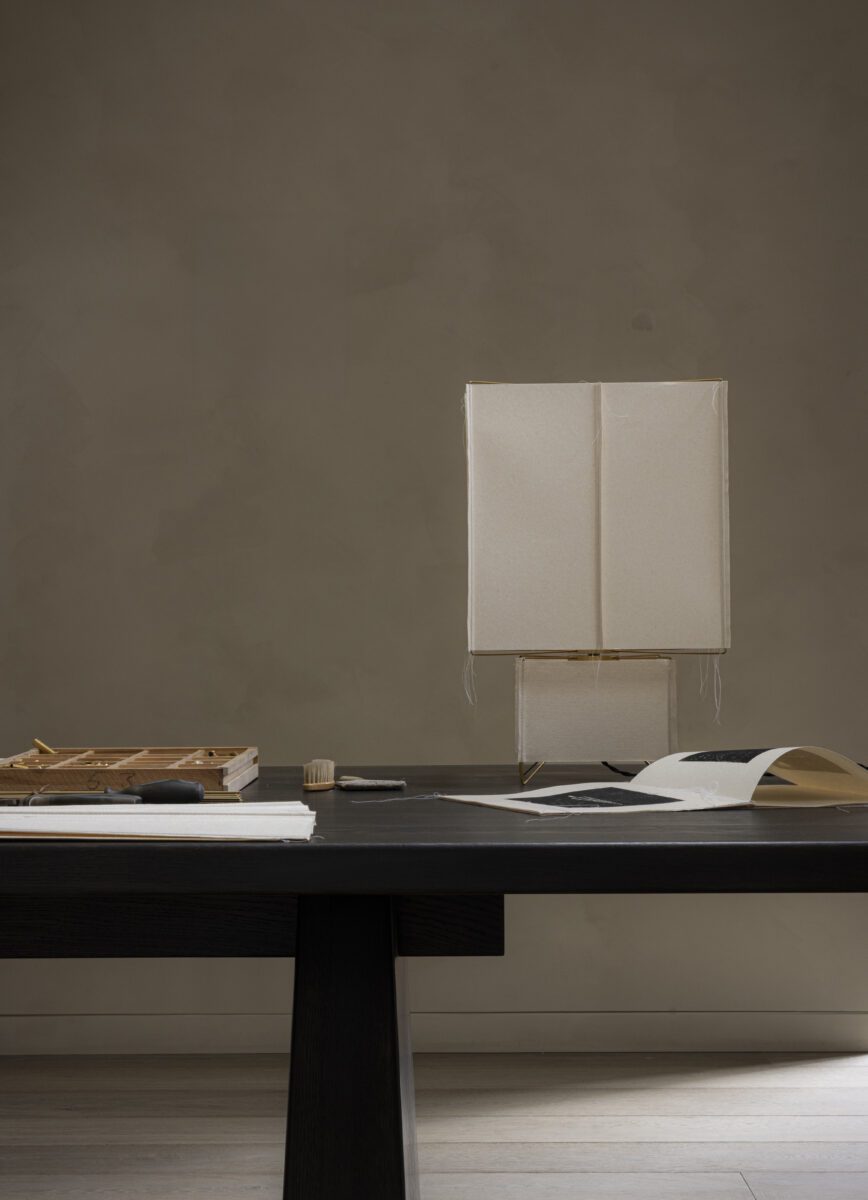
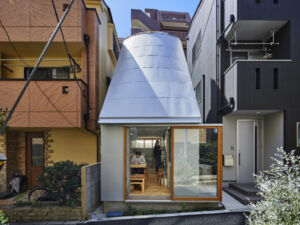
It is only natural that this instinct for clarity translates into the world of art and design. Bjerre-Poulsen and Dorweiler explain how “this sensibility is not new, nor does it belong to any one movement or moment.” It stretches across time and location, sometimes as philosophy, sometimes as necessity. “In Japan, Zen aesthetics embraced imperfection and transience, allowing meaning to reside in what remains. Shaker furniture distilled fuction into ritual, its clarity carrying a modest, almost spiritual presence. In Modernism, figures such as Adolf Lood, Mies van der Rohe and Alvar Aalto explored essence in different registers – at times austere, at times sensory and visceral. In the course of modern art, too, artists such as Agnes Martin and Donald Judd pursued a kind of near-silence, where perception itself is the subject.” Throughout the book, the authors expand on this well-established tradition, considering the artists who are working today and responding to our current moment of overwhelm and uncertainty.
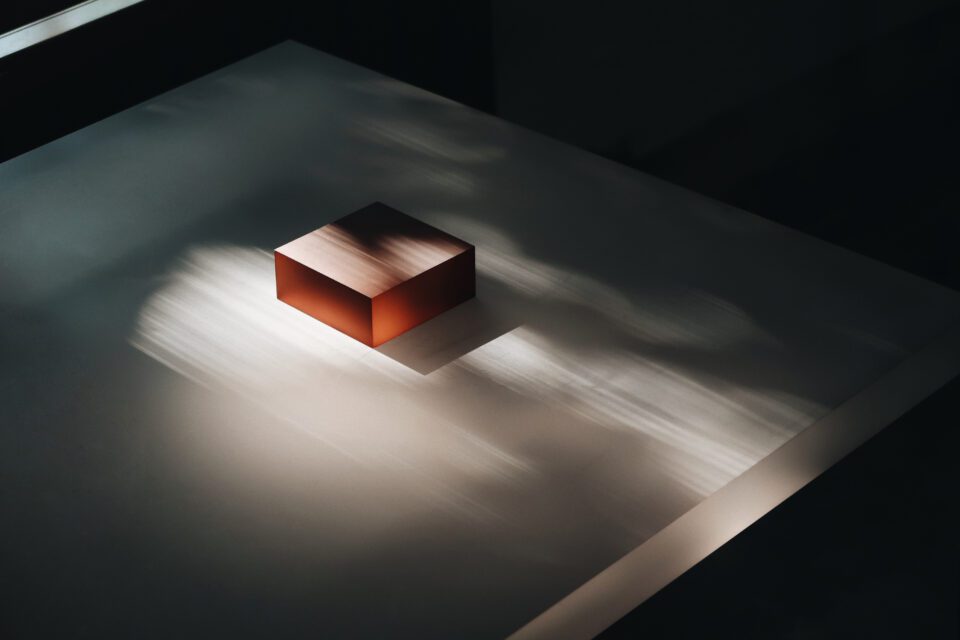
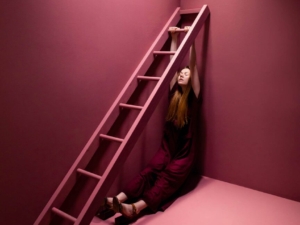
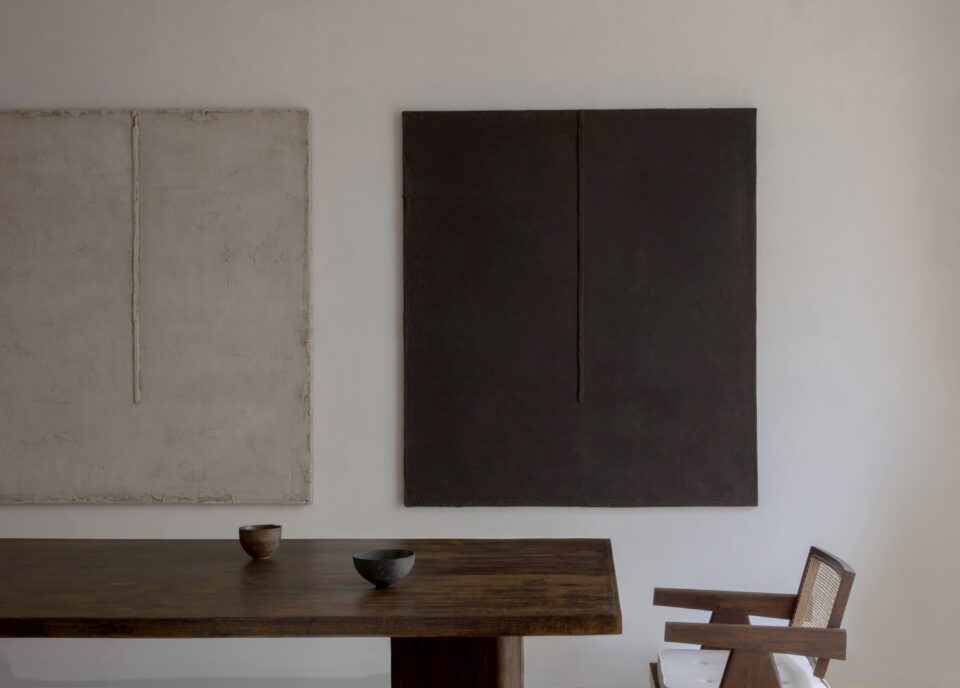
Through five thematic lenses – Balance, Contrast, Materiality, Rhythm and Space – the publication profiles 20 international artists, designers and architects who embed this ethos in their practice. The scope of this project is truly impressive. Readers are taken from the Seoul-based studio of Rahee Yoon, who uses light as their primary material, to the monochromatic paintings of Antonia Ferrer, who viewers her practice as “accumulations of gesture, time and material.” Meanwhile, the Space and Rhythm sections highlight John Pawson, Studio MK27 and Nicolas Schuybroek, demonstrating how careful design can shape emotion and movement. Particularly engaging are the features on specific artists and designers, examining their practice on a deeper level to understand their drive to create peace and order. One prime example is Danielle Siggerud, featured in the Balance section, whose “material choices reinforce the emotional charge of a space.” This is craftsmanship writ large, where no detail is too small. She uses rough stone, painted metal and sleek design to create balance and harmony. The authors explain how: “ultimately, her work offers architecture at human scale, and lived experience remains the measure of success.”
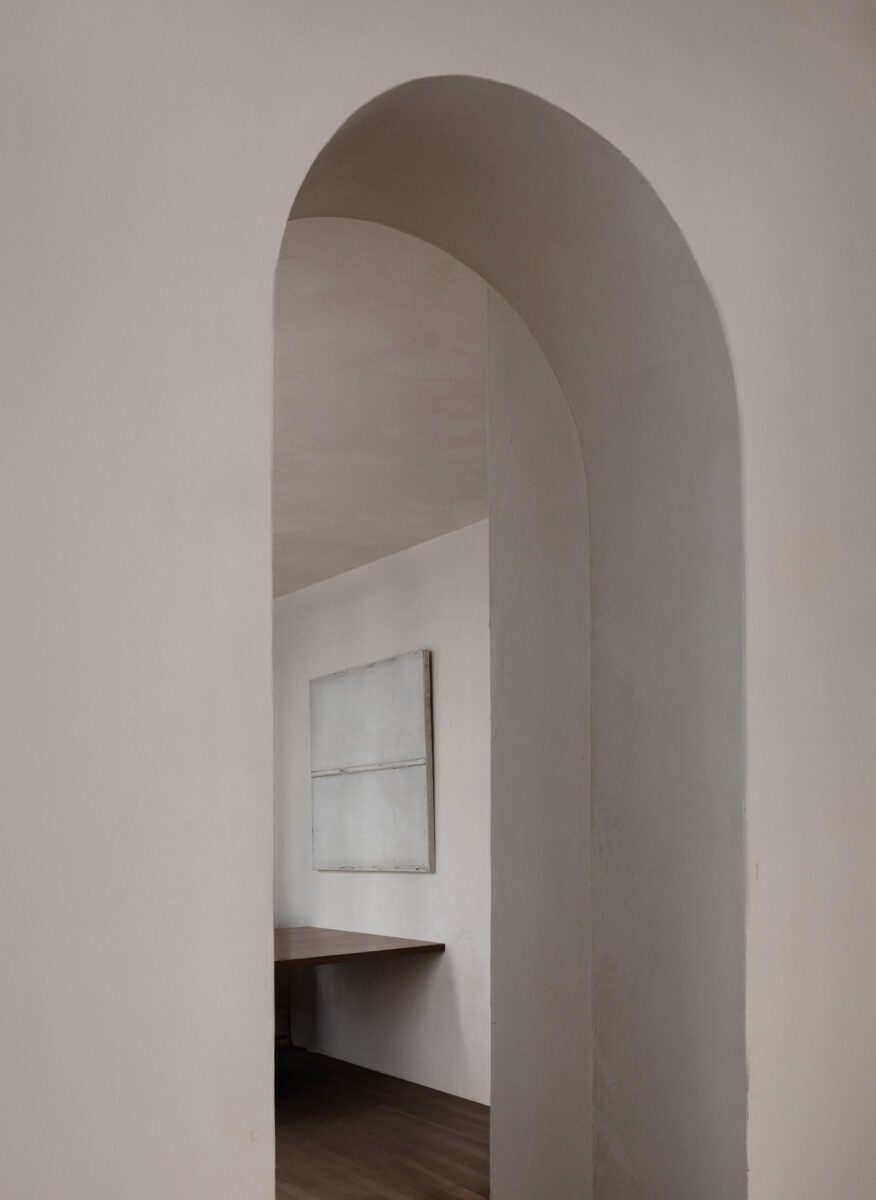
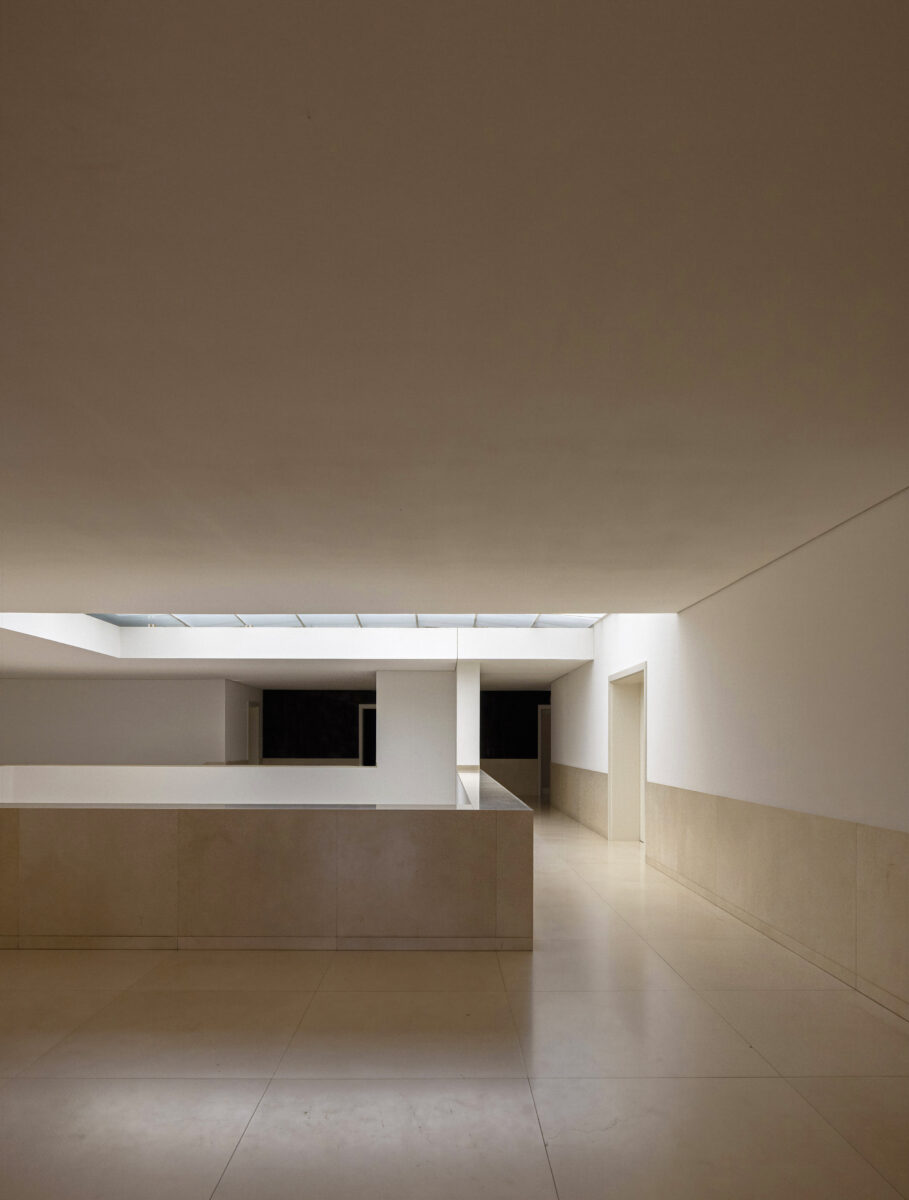
The Art of Less goes beyond where many other art books leave off, exploring not only the artistic movement and its practitioners, but how it relates to our psyche, worldview and human experience. Minimalism, in this publication, is more than an aesthetic choice. It is a way of seeing, feeling and engaging with our surroundings. Bjerre-Poulsen and Dorweiler traces connections between art, philosophy, psychology and everyday life, inviting readers to consider why we reach for simplicity in times of chaos. In doing so, they offer a deep understanding of how design intersects with every part of her existence.
The Art of Less: An Exploration of Essence is published by gestalten on 1 September: gestalten.com
Words: Emma Jacob
Image Credits:
1&5. Photo Sooin Jang, Rahee Yoon, The Art of Less, gestalten 2026.
2. Photo Jonas Bjerre-Poulsen, The Art of Less, gestalten 2026.
3. Photo Jonas Bjerre-Poulsen, Danielle Siggerud, The Art of Less, gestalten 2026.
4. Photo Jonas Bjerre-Poulsen, Christian Jade, The Art of Less, gestalten 2026.
6. Photo Jonas Bjerre-Poulsen, The Art of Less, gestalten 2026.
7. Photo Jonas Bjerre-Poulsen, The Art of Less, gestalten 2026.