

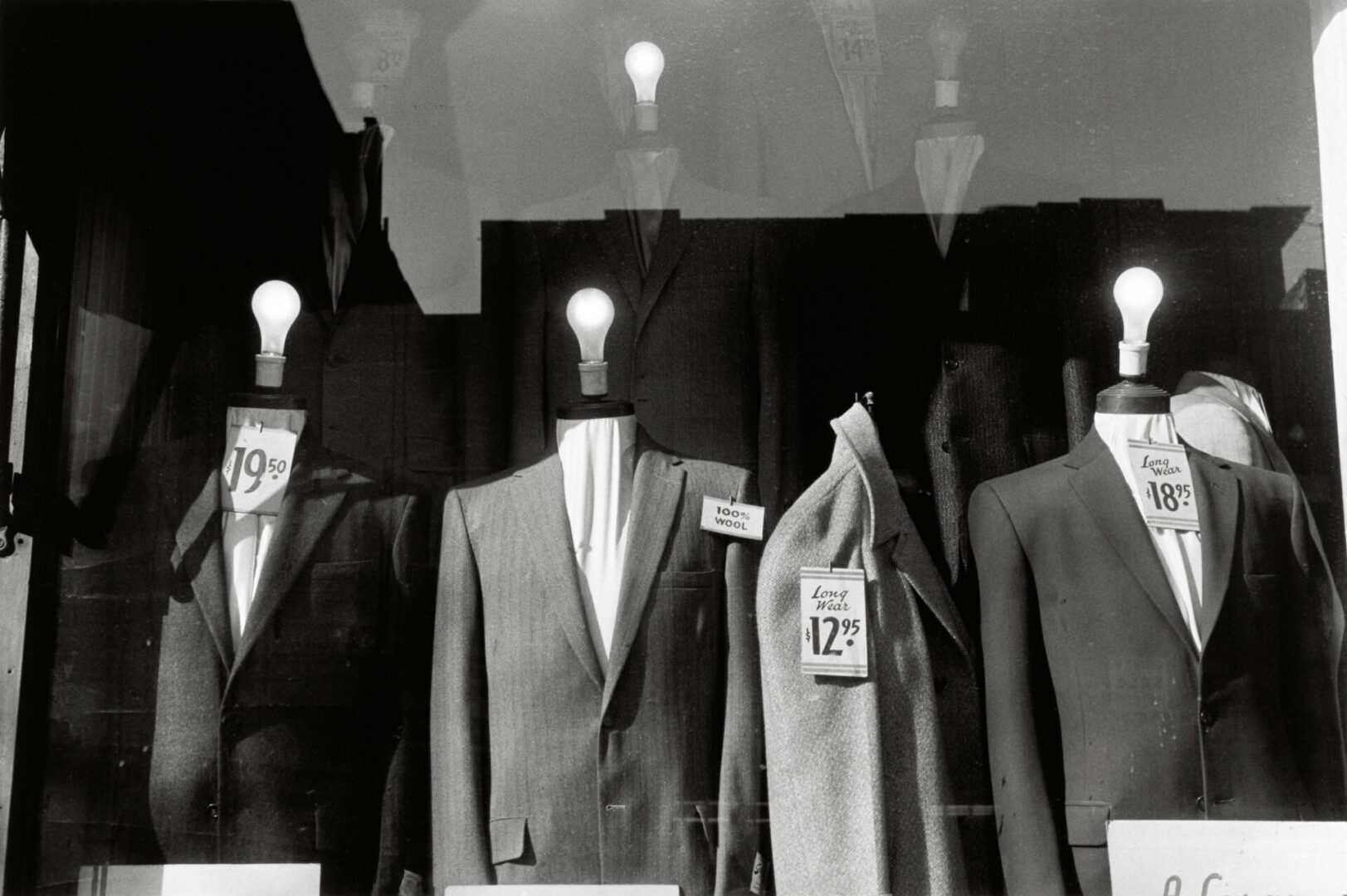
For more than seven decades, Aperture has occupied a singular position within the international photography landscape. Founded in 1952, the New York-based non-profit has never been simply a publisher. Through its influential quarterly magazine, landmark photobooks, exhibitions and public programmes, it has shaped the critical language surrounding photography, championing generations of artists whilst continually asking what the medium can reveal about society, politics and identity. Long before photography became central to contemporary art discourse, Aperture recognised the power of the image as both document and artistic expression, creating a platform where photographers, writers and curators could engage in conversations that continue to resonate across the globe.
That role has become increasingly significant as photography has moved from the margins to the centre of cultural production. The medium now occupies a privileged position within museums, biennials and art fairs, but much of the critical infrastructure supporting that visibility was built by organisations such as Aperture. Through publishing, commissioning essays, nurturing emerging talent and preserving photographic histories, it has helped define how audiences understand visual culture. Rather than merely reflecting developments in photography, Aperture has consistently anticipated them, creating a space where artistic experimentation and intellectual enquiry intersect. Its influence extends far beyond New York, informing international conversations around representation and documentary practice.
Aperture exists within an ecosystem of institutions that have transformed photography into one of the defining artistic languages of the 21st century. Across the world, dedicated photography museums and galleries have become essential cultural destinations, each contributing distinct perspectives on the medium. The International Center of Photography in New York has long explored the intersection of photography, social justice and visual storytelling through exhibitions, education and archival research. Meanwhile, The Photographers’ Gallery has established itself as one of Europe’s foremost spaces for contemporary photography, presenting ambitious exhibitions alongside debates about technology, image-making and visual literacy. These institutions have expanded the definition of photography itself, embracing everything from analogue practice to AI-generated imagery and experimental moving-image.
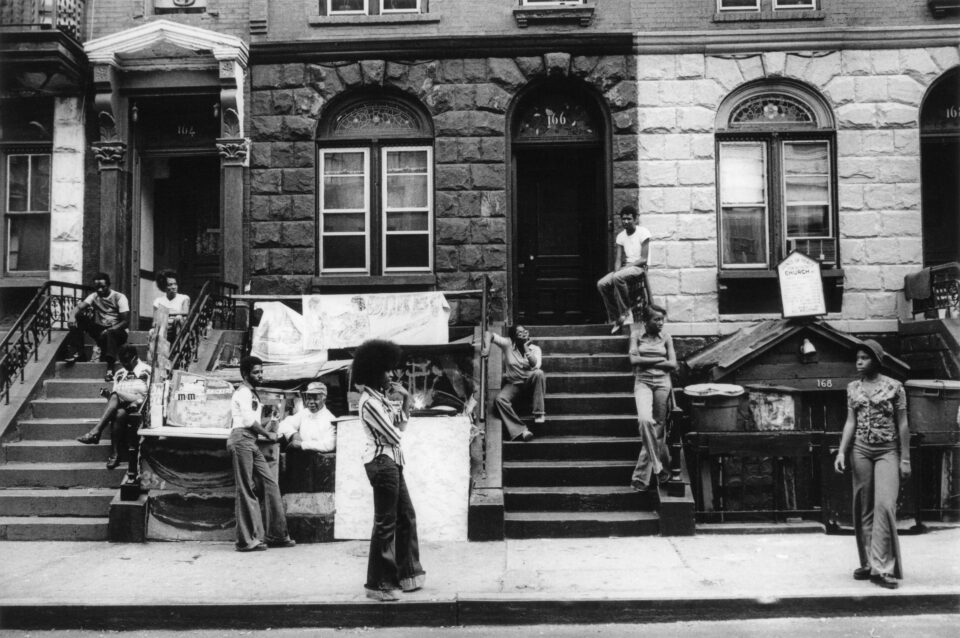
Elsewhere across Europe, organisations continue to demonstrate the extraordinary breadth of photographic practice. FOAM in Amsterdam has built an international reputation for showcasing both established practitioners and emerging voices, combining bold exhibitions with publishing and educational initiatives. The Fotomuseum Den Haag offers equally compelling programmes, balancing historical collections with contemporary commissions that interrogate the relationship between photography, fashion, design and society. Alongside these institutions sit important centres including Maison Européenne de la Photographie, C/O Berlin, Fotografiska, Museum für Fotografie and Ryerson Image Centre, each expanding public engagement through exhibitions, publishing, education and artist development. Together, they represent an international network where photography is understood not simply as a medium, but as a vital means of examining contemporary life.
This flourishing photographic landscape mirrors a wider global resurgence in cultural infrastructure. Across Europe and North America, cities are investing in ambitious museum projects that reflect changing audience expectations and the growing importance of culture within civic life. Institutions are increasingly conceived not as static repositories but as flexible spaces for participation, dialogue and interdisciplinary exchange. Visitors seek experiences that extend beyond exhibitions alone, looking for talks, workshops, publishing programmes, retail spaces, cafés and opportunities to engage directly with artists and ideas. Museums have become places where communities gather as much as destinations for viewing collections.
Belgium’s new BRUSK exemplifies this shift. Designed as a major centre for contemporary art and exhibitions in Bruges, the institution reflects an architectural and curatorial ambition that prioritises openness, experimentation and international collaboration. Likewise, Depot Boijmans Van Beuningen in Rotterdam has fundamentally reimagined the museum experience by making conservation, storage and research visible to the public. Rather than concealing the mechanics of cultural production, the building invites visitors behind the scenes, transforming transparency into an integral part of the visitor experience. These projects reflect an understanding that audiences increasingly value access and participation.
The UK is witnessing a similar transformation. London’s V&A East represents one of the most ambitious museum developments in Europe, opening collections, archives and conservation practices to entirely new audiences. Rather than positioning museums as authoritative institutions speaking to visitors, these projects invite audiences into the very process of cultural production. The emphasis is on accessibility, inclusivity and curiosity – qualities that increasingly define successful contemporary institutions. As museums respond to rapidly evolving technologies and shifting visitor expectations, architecture itself has become a tool for encouraging conversation and connection within wide audiences.
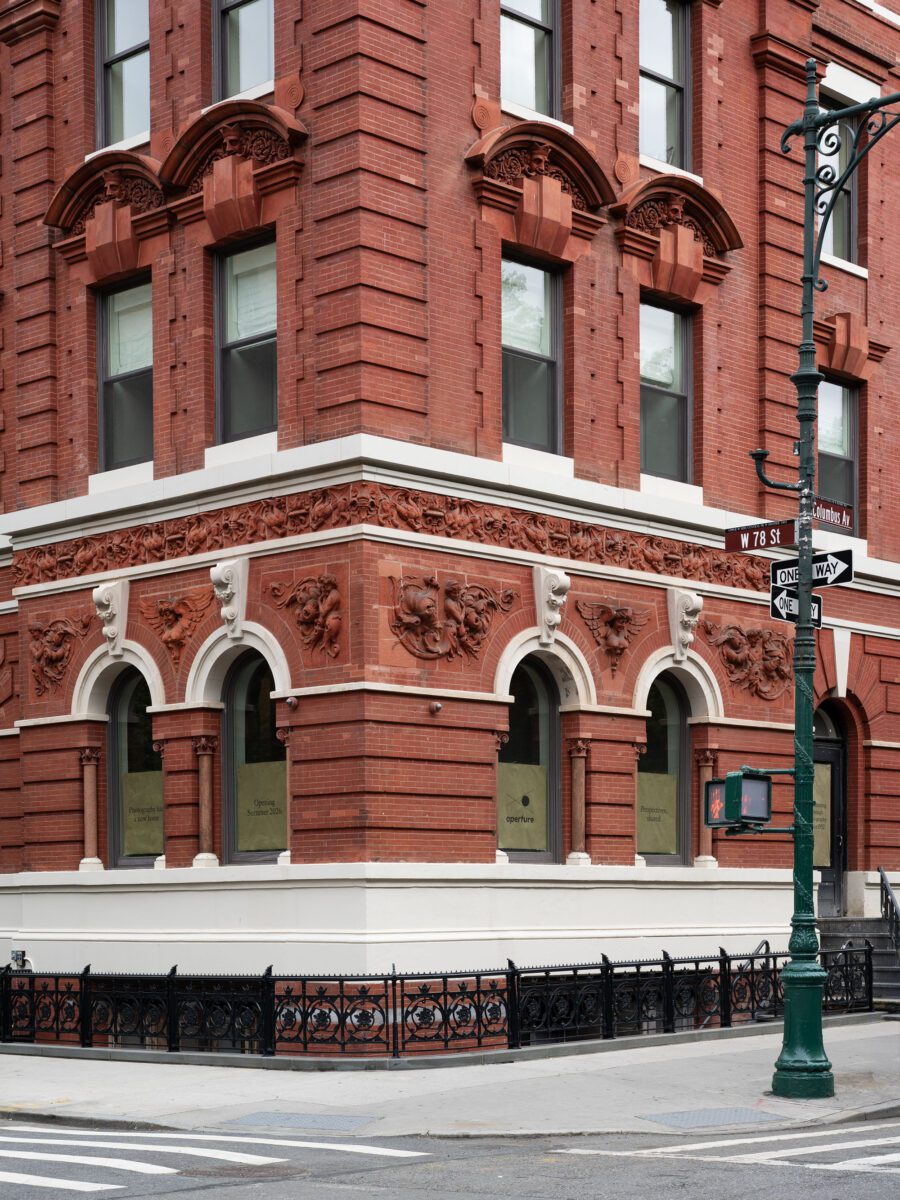
It is within this wider international context that Aperture’s announcement of a permanent new home feels especially timely. Opening on 18 September 2026, the organisation’s new headquarters at 380 Columbus Avenue on Manhattan’s Upper West Side represents far more than a change of address. Situated opposite the American Museum of Natural History and moments from Central Park and the New York Historical, the location places Aperture within one of the city’s most significant cultural corridors whilst embedding it within a vibrant residential neighbourhood. The move reflects an understanding that photography thrives through proximity – to audiences, artists, institutions and the everyday rhythms of urban life.
Designed by award-winning architecture practice LEVENBETTS, the 10,000-square-foot space occupies two floors of a carefully restored 1886 building. Rather than separating publishing from public engagement, the new headquarters deliberately reveals the inner workings of the organisation. Visitors will encounter flexible exhibition spaces, artist talk venues, a dedicated bookstore, offices and areas designed for collaboration, creating an environment where publishing, exhibition-making and public discourse exist side by side. Transparency becomes an architectural principle, allowing audiences to witness the processes through which photography is researched, discussed and disseminated.
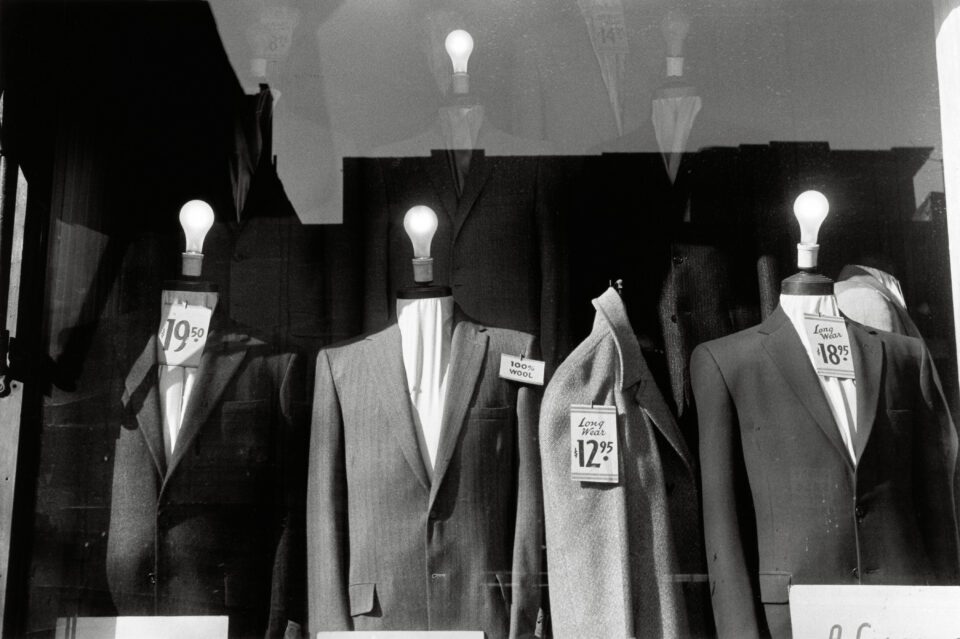
The inaugural installation, Aperture Loves New York, perfectly encapsulates that vision. Curated by Executive Director Sarah Meister, the exhibition celebrates photographers whose practices have shaped – and been shaped by – New York City. Bringing together works by Diane Arbus, Dawoud Bey, Robert Frank, Deana Lawson, Nan Goldin, Carrie Mae Weems, Stephen Shore, Tina Barney, Lee Friedlander, Awol Erizku and Coreen Simpson, the presentation also foregrounds Aperture’s long history as a publisher, pairing photographs with the books that have helped define photographic scholarship. It is both a celebration of the city and an acknowledgement of publishing’s enduring role in shaping the history of the medium.
Sarah Meister describes the move as “an exciting chapter for Aperture,” explaining that the organisation is “creating an open, dynamic space for encountering photography – one that invites dialogue, fosters discovery, and brings us into closer engagement with our community.” She continues: “Rooted in New York yet connected to a global audience through our publications and programs, this space reflects our enduring belief in photography as a powerful tool for understanding the world and one another.” Her words capture the institution’s longstanding mission, positioning the building not simply as a venue but as “a welcoming forum for artists, writers, neighbours, and visitors alike,” where curiosity remain central to its identity.
That emphasis on dialogue is echoed by Board Chair Cathy M. Kaplan, who describes the opening as “a major milestone for our organization and for the field of photography.” Kaplan notes that “Aperture is a publisher, but it is also a cultural platform with a legacy that spans more than seventy years,” adding that the new headquarters enables the organisation “to build upon this history and expand our audiences and activities while remaining committed to nurturing a vibrant culture around photography.” It is a statement that speaks not only to Aperture’s future but to photography as one of the defining mediums of our time.
As new museums, cultural centres and interdisciplinary institutions emerge across the globe, Aperture’s permanent home reinforces the importance of dedicated spaces where photography can be experienced, debated and understood within wider artistic and social contexts. It joins an international constellation of organisations committed to expanding access and supporting artists whose work reflects an increasingly interconnected world. At a moment when images shape politics, identity and collective memory more profoundly than ever before, Aperture’s new home represents more than an architectural milestone. It is an investment in photography’s future, strengthening the global dialogue between artists, institutions and audiences, and reaffirming the power of visual culture to deepen our understanding of one another.
Aperture’s new museum opens on Manhattan’s Upper West Side, New York on 18 September: aperture.org
Words: Simon Cartwright
Image Credits:
1&4. Lee Friedlander, New York City, 1959; from Lee Friedlander: Life Still(Aperture, 2026). © 2026 Lee Friedlander. Courtesy Lee Friedlander; Fraenkel Gallery, San Francisco; and Luhring Augustine, New York.
2. Carrie Mae Weems, Harlem, 1978; from the series Preach, 2024; from Carrie Mae Weems: The Heart of the Matter(Aperture, 2025). © Car-rie Mae Weems and reproduced courtesy the artist and Gladstone Gallery, New York, Fraenkel Gallery, San Francisco, and Galerie Barbara Thumm, Berlin.
3. Columbus Avenue. Courtesy of Aperture.
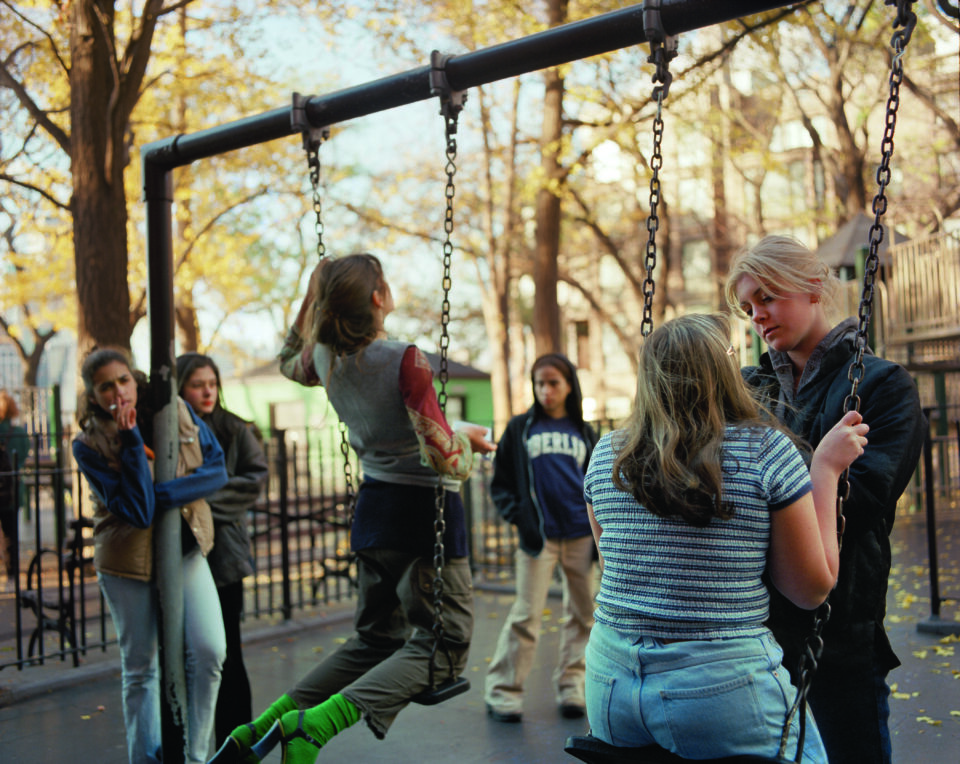
5. Justine Kurland, Playground, 1998; from Justine Kurland: Girl Pictures(Aperture, 2020). © Justine Kurland.


