
Liverpool has always been a city of cultural reinvention. Its maritime history, international connections and working-class creative traditions have shaped an artistic identity that extends from the global influence of popular music to experimental visual art, theatre and contemporary performance. The designation of European Capital of Culture in 2008 accelerated a period of urban transformation, bringing renewed investment to its waterfront and placing cultural production at the centre of the city’s future. However, Liverpool’s creative identity has never depended on a single initiative. Independent music venues, artist-led spaces and established cultural institutions continue to sustain a distinctive environment in which historical narratives meet contemporary experimentation. The forthcoming reopening of Tate Liverpool in autumn 2027 offers an opportunity to consider how this cultural landscape has evolved, and what role a major public gallery might play in shaping its next chapter.
The city’s artistic character is inseparable from its history of exchange. As one of Britain’s most significant ports, Liverpool became a meeting point for different cultures, ideas and visual traditions, while its musical heritage established an international reputation for creative innovation. The Beatles and the wider Merseybeat movement transformed popular music during the 1960s, leaving a legacy that continues through independent venues, recording studios and contemporary music communities. A similarly diverse ecology informs the visual arts. The Walker Art Gallery holds significant collections of European painting and sculpture, while the World Museum and Museum of Liverpool explore histories spanning archaeology, natural science, maritime trade and social identity. The International Slavery Museum and Maritime Museum confront the more complex histories of Liverpool’s global connections, while FACT examines the intersections of art, film and technology. The Bluecoat, meanwhile, remains an important centre for contemporary visual art and interdisciplinary exchange, complemented by the city’s theatres, Liverpool Philharmonic Hall, the Cavern Club and the creative communities of the Baltic Triangle.
Liverpool’s designation as European Capital of Culture in 2008 marked a turning point in its post-industrial transformation. Investment in public spaces, cultural infrastructure and the waterfront helped reposition the city internationally, while a year-long programme of exhibitions, performances and public events brought renewed attention to its creative communities. The significance of this period, however, extends beyond architectural regeneration or increased cultural tourism. It demonstrated how artistic activity could become part of a wider conversation about economic change, social history and civic identity. Nearly two decades later, the relationship between cultural investment and meaningful community participation remains an important question for regional institutions. Liverpool’s experience offers a particularly interesting case study: a city whose cultural reputation has been shaped as much by grassroots creativity and independent production as by its major museums and galleries. Tate Liverpool’s redevelopment enters this landscape at a moment when the responsibilities of public cultural institutions are being reconsidered.
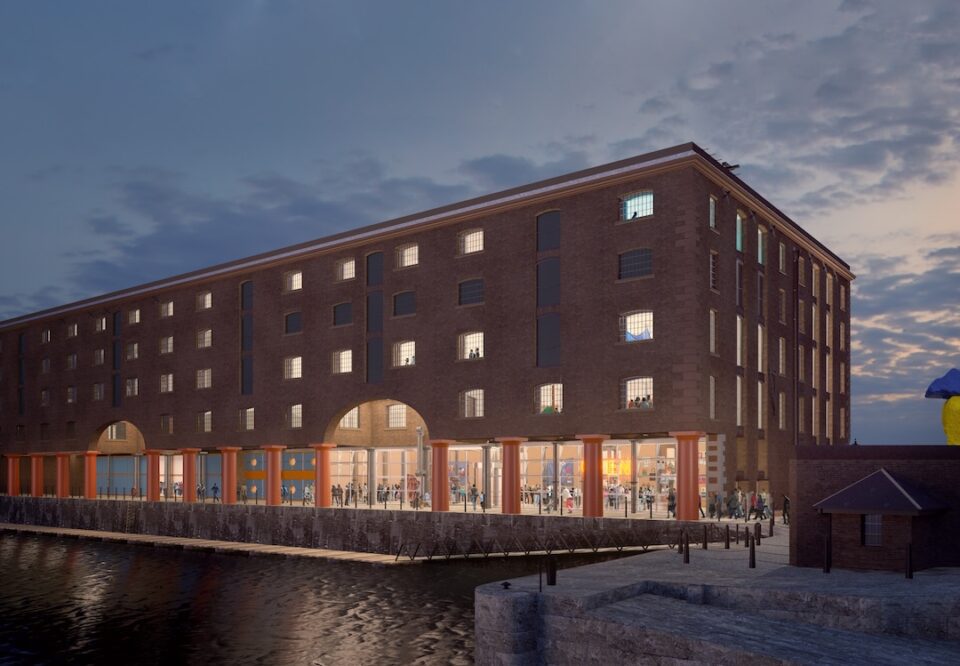
Opened in 1988 at the Royal Albert Dock, Tate Liverpool was established to bring modern and contemporary art beyond London whilst contributing to the regeneration of the historic waterfront. Housed in a former warehouse, the gallery helped transform an area once defined by maritime trade into a destination for international art and culture. Its programme soon developed an identity extending beyond the presentation of Tate’s national collection, bringing historical surveys into dialogue with contemporary practice. Exhibitions including The Real Thing: Contemporary Art from China (2007), Peter Blake: A Retrospective (2007) and Gustav Klimt: Painting, Design and Modern Life in Vienna 1900 (2008) demonstrated the breadth of its curatorial interests. The gallery also examined Liverpool’s own artistic history through Centre of the Creative Universe: Liverpool and the Avant-Garde (2007), exploring the city’s contribution to international artistic innovation. These exhibitions established a programme in which regional identity and global artistic discourse were not competing priorities, but complementary perspectives.
A defining moment came in 2007, when Tate Liverpool became the first venue outside London to host the Turner Prize exhibition. Presenting shortlisted artists Zarina Bhimji, Nathan Coley, Mike Nelson and Mark Wallinger, the exhibition challenged assumptions about the geographical concentration of Britain’s contemporary art world. Its arrival, immediately before Liverpool’s year as European Capital of Culture, also demonstrated the potential of regional institutions to shape national artistic conversations rather than simply receive them. This distinction remains important within ongoing debates about cultural centralisation, access and the distribution of public investment. Tate Liverpool’s history therefore provides more than a backdrop to its forthcoming transformation: it establishes an institutional precedent for connecting ambitious international programming with the histories and communities of a place.
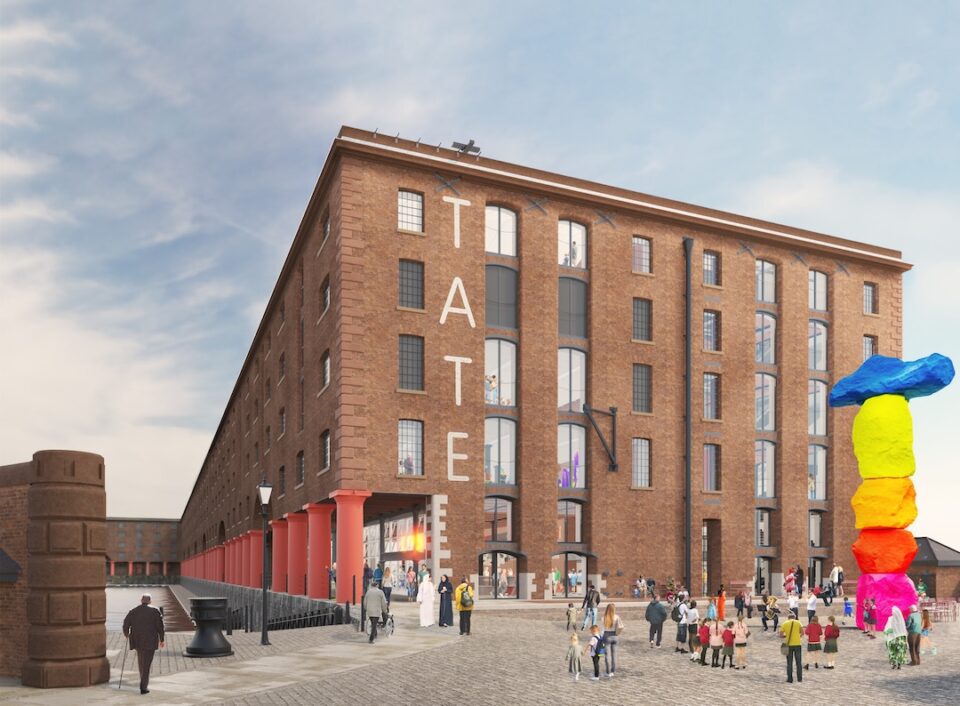
Following its closure in October 2023, the gallery has undergone a £30 million redevelopment designed by 6a architects. The transformation will reconfigure the historic warehouse, creating more flexible exhibition spaces for Tate’s collection alongside improved facilities for visitors, families and community groups. New public areas for play, learning and relaxation will offer views across the Mersey, while a new Art Hall will provide a central setting for commissions, events and collective experiences. The architectural approach seeks to retain the industrial character of the original building while reconsidering how its spaces might accommodate contemporary artistic practice and public engagement. Such interventions reflect a broader shift in museum design, where architecture is increasingly understood as an active part of the cultural experience rather than a neutral container for artworks. When Tate Liverpool reopens in autumn 2027, the project will represent both a substantial architectural investment and an opportunity to reconsider the relationship between the gallery, its audiences and the city.
Its reopening exhibition, Surrealism: Staging Dream Worlds, will explore the movement’s relationship with theatre, dance and the performing arts, bringing a less familiar dimension of its history into focus. Running from autumn 2027 to spring 2028, the presentation will assemble paintings, sculptures, costumes, masks, photographs and films by artists working from the 1920s to the 1990s. Featuring Salvador Dalí, Eileen Agar and Man Ray, among others, it will consider how Surrealist practitioners extended their investigations into the unconscious beyond conventional artistic mediums. Performance offered a particularly fertile territory for these experiments, allowing artists to challenge distinctions between reality and fantasy, private identity and public appearance, image and physical presence. Rather than treating theatre and dance as peripheral influences, the exhibition positions them as central to Surrealism’s wider cultural ambitions. Its interdisciplinary perspective also invites consideration of the movement’s continuing influence on installation, performance and participatory art.
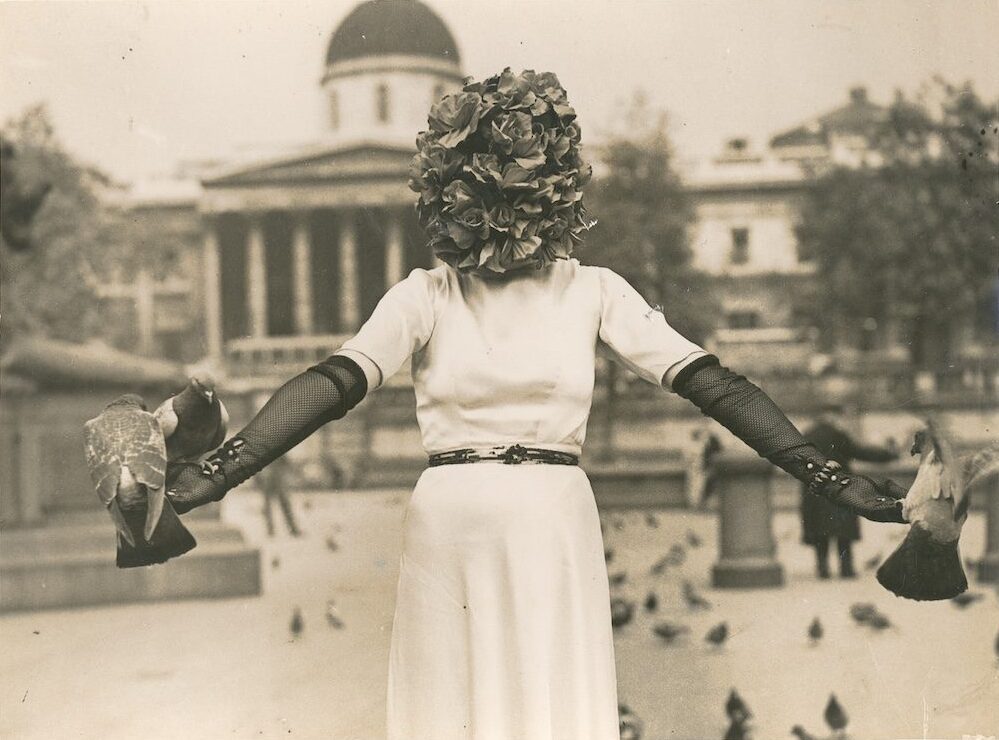
The performing body provides a compelling lens through which to examine these ideas. Dorothea Tanning’s costume designs for the ballet The Witch demonstrate how Surrealist imagery could move beyond the canvas, acquiring physical presence through choreography and movement. Such works unsettle established distinctions between fine art, costume and applied design, revealing how the body itself became a site of artistic experimentation. Photographs of Sheila Legge as the Surrealist Phantom of Sex Appeal in 1936 offer another example of this theatrical impulse. Her extraordinary appearance transformed Trafalgar Square into an unexpected stage, disrupting everyday visual conventions and turning public space into a setting for artistic intervention. These gestures raise questions that remain pertinent to contemporary performance: how identity is constructed, how bodies are read by others, and how artistic interventions can interrupt the familiar rhythms of public life.
Surrealism’s experimental ambitions also extended to the relationship between artwork and audience. Ted Joans’ multimedia happenings brought together poetry, visual imagery and collective participation, anticipating later artistic practices in which the boundaries between disciplines and spectatorship become increasingly fluid. The movement’s artists were equally interested in the possibilities of exhibition-making itself, frequently rejecting conventional arrangements in favour of immersive, psychologically charged environments. Objects, images and architecture became part of a carefully constructed encounter, challenging the expectation that audiences should approach art as passive observers. Drawing on this, Surrealism: Staging Dream Worlds will guide visitors through a sequence of environments designed to evoke the movement’s influence on live art and performance. The curatorial approach places experience and spatial engagement alongside the artworks themselves, connecting historical experimentation with contemporary discussions about participation, spectatorship and the museum as a public space.
The choice of Surrealism also establishes a direct connection with Tate Liverpool’s origins. An exhibition of Surrealist works from Tate’s collection inaugurated the gallery in 1988, making the forthcoming presentation both a return to its beginnings and an opportunity to reconsider the movement through a contemporary lens. Interim director Jemima Pyne describes Surrealism as an invitation to see the world differently, emphasising its capacity to stimulate curiosity and challenge familiar perspectives. This historical continuity is more than a commemorative gesture. By foregrounding performance, collaboration and theatrical experimentation, the curators will extend the movement’s established narrative, bringing lesser-explored practices into conversation with wider developments in contemporary art. The exhibition also raises a broader curatorial question about how familiar artistic histories might be revisited through interdisciplinary perspectives, allowing established movements to be understood through practices that have sometimes remained outside their dominant narratives.
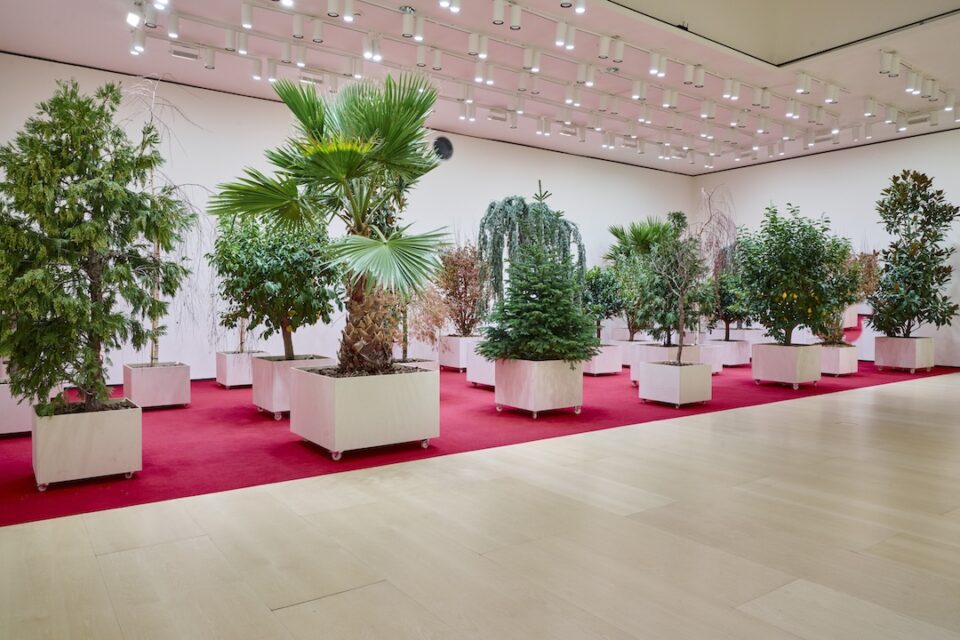
Further exhibitions and commissions will introduce different artistic perspectives into the transformed building. Chila Kumari Singh Burman: Demolish Serious Culture will be the first major retrospective devoted to the Liverpool-born artist, whose politically engaged practice explores identity, cultural heritage and female power. Combining popular imagery, South Asian visual references and personal experience, Burman’s work challenges hierarchies between fine art and popular culture while questioning the ways in which identity is represented. Her inclusion brings questions of cultural authority and representation into the reopening programme, creating a contemporary counterpoint to the historical concerns of the Surrealism exhibition. Meanwhile, Asad Raza will produce the first major commission for the new Art Hall, developing his interest in multisensory environments and participatory experiences. His practice frequently explores the relationship between human activity and the natural world, inviting audiences to reconsider their surroundings through processes of exchange and interaction.
Tate Liverpool’s return raises questions that extend beyond the reopening of a major gallery. The city’s cultural history demonstrates how artistic activity can shape urban identity, challenge established narratives and create new forms of public engagement, but the value of cultural regeneration depends on more than architectural investment or international recognition. It rests on the ability of institutions to sustain meaningful relationships with artists, audiences and the communities around them. Tate Liverpool’s transformation offers an opportunity to reconsider these responsibilities while reconnecting the gallery with the independent and institutional networks that have shaped the city’s creative landscape. With Surrealism: Staging Dream Worlds providing the opening exhibition, the institution will return to a movement that helped define its original identity, whilst exploring ideas that are central to contemporary artistic discourse. Its reopening in autumn 2027 therefore marks not simply a return to the waterfront, but a renewed conversation about imagination, cultural memory and the possibilities of public art.
Tate Liverpool reopens autumn 2027.
Words: Simon Cartwright
Image Credits:
1. Claude Cahun, Sheila Legge as Surrealist ‘Phantom’, Trafalgar Square, (1936). © Claude Cahun. Image courtesy Jersey Heritage Collections.
2. Concept art for reimagined Tate Liverpool © 6a architects.
3. Installation view of the Exhibition: Arts of the Earth, Guggenheim Museum Bilbao, from December 5, 2025 to May 3, 2026. Photo © Guggenheim Museum Bilbao Foundation.
4. Concept art for reimagined Tate Liverpool © 6a architects.


