In 2019, Billie Eilish released the Grammy Award-winning album When We All Fall Asleep, Where Do We Go? The question of where the mind travels during sleep has long fascinated artists, from the Surrealists – such as René Magritte, Leonora Carrington, Max Ernst and Salvador Dalí – to earlier depictions of dreams and visions. Significant examples include The Nightmare by Henry Fuseli (1781) and Antonio de Pereda’s The Knight’s Dream (c. 1650), but the theme extends as far back as medieval depictions of individuals receiving spiritual messages. For five decades, British artist Susan Hiller (1940-2019) likewise walked the line between the known and the unexplained. Bad Dreams at KW Institute for Contemporary Art is the first survey of the artist’s work in Berlin – a city that shaped her practice in the early 2000s. Now, her work, which is held in numerous global public and private collections, including the Centre Pompidou, Paris; Museum of Modern Art, New York; and Tate, London, returns to the German capital.
The display draws on Hiller’s longtime fascination with phenomena that resist easy explanation – what she called “situations, ideas and experiences that haunt us collectively.” These include not only sleep but trances, hallucinations, spirituality, faith, altered states of consciousness, encounters with the otherworldly and mystical phenomena of all kinds. “Across cultures and times, these have given form to an array of human desires, fantasies, fears and beliefs,” KW Institute explains. Bad Dreams unfolds as a series of encounters with various apparitions: ghostly images, bodies that defy gravity, children who display supernatural abilities and voices that recount UFO sightings. Playroom wallpaper and toy kitchens point to the domestic sphere as a space where social expectations and imagination take shape, whilst holy water, enigmatic images and other curiosities reveal how ordinary things become charged with meaning.
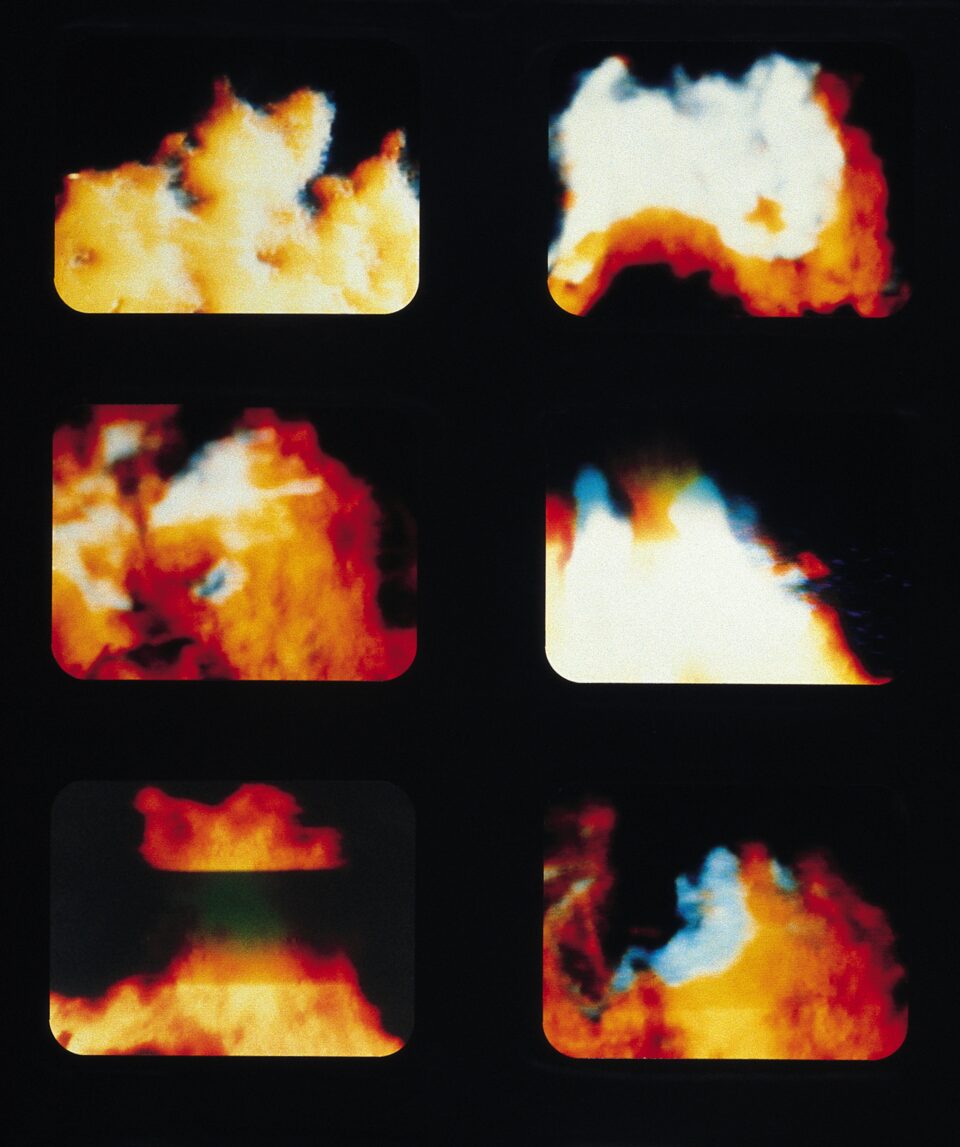
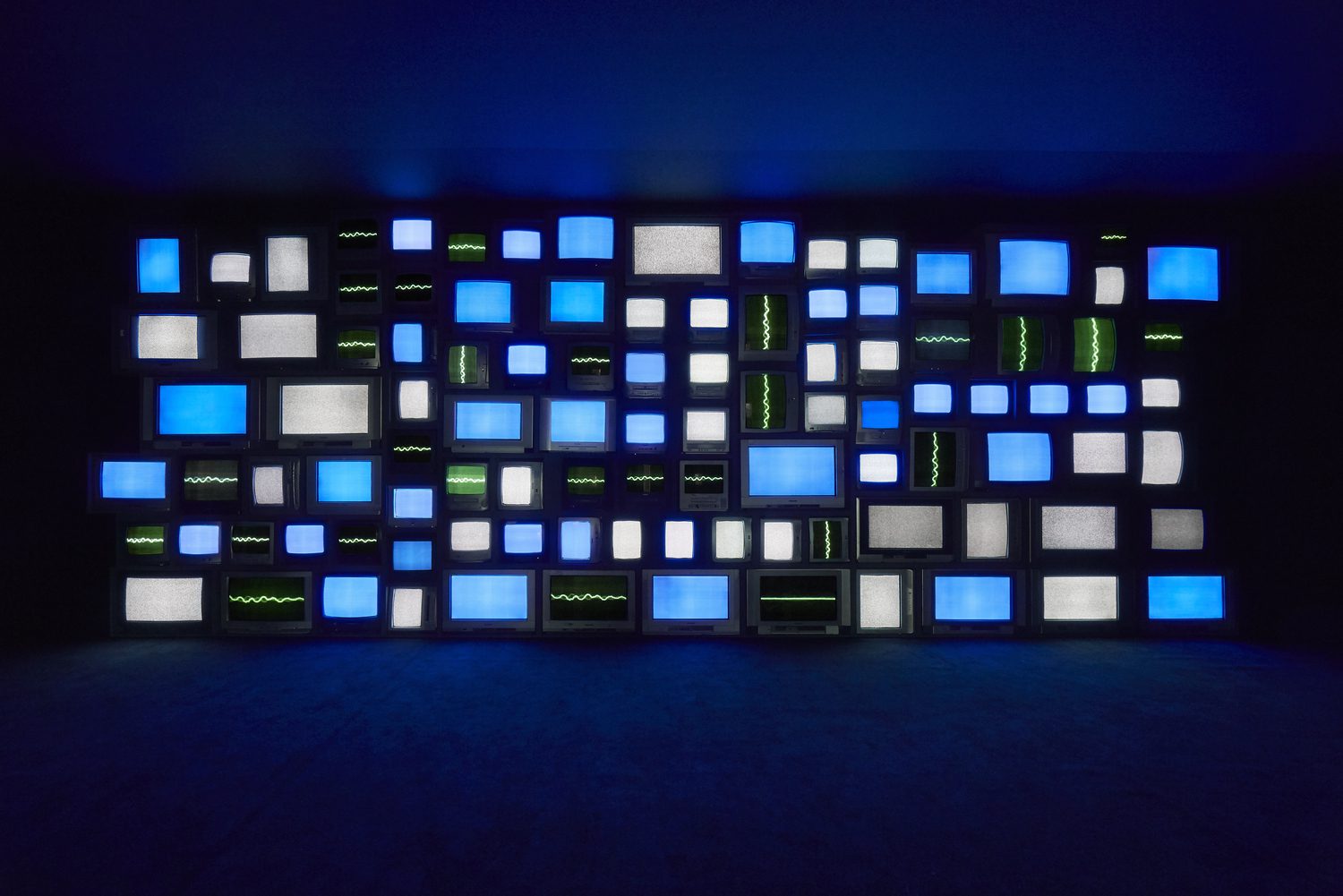
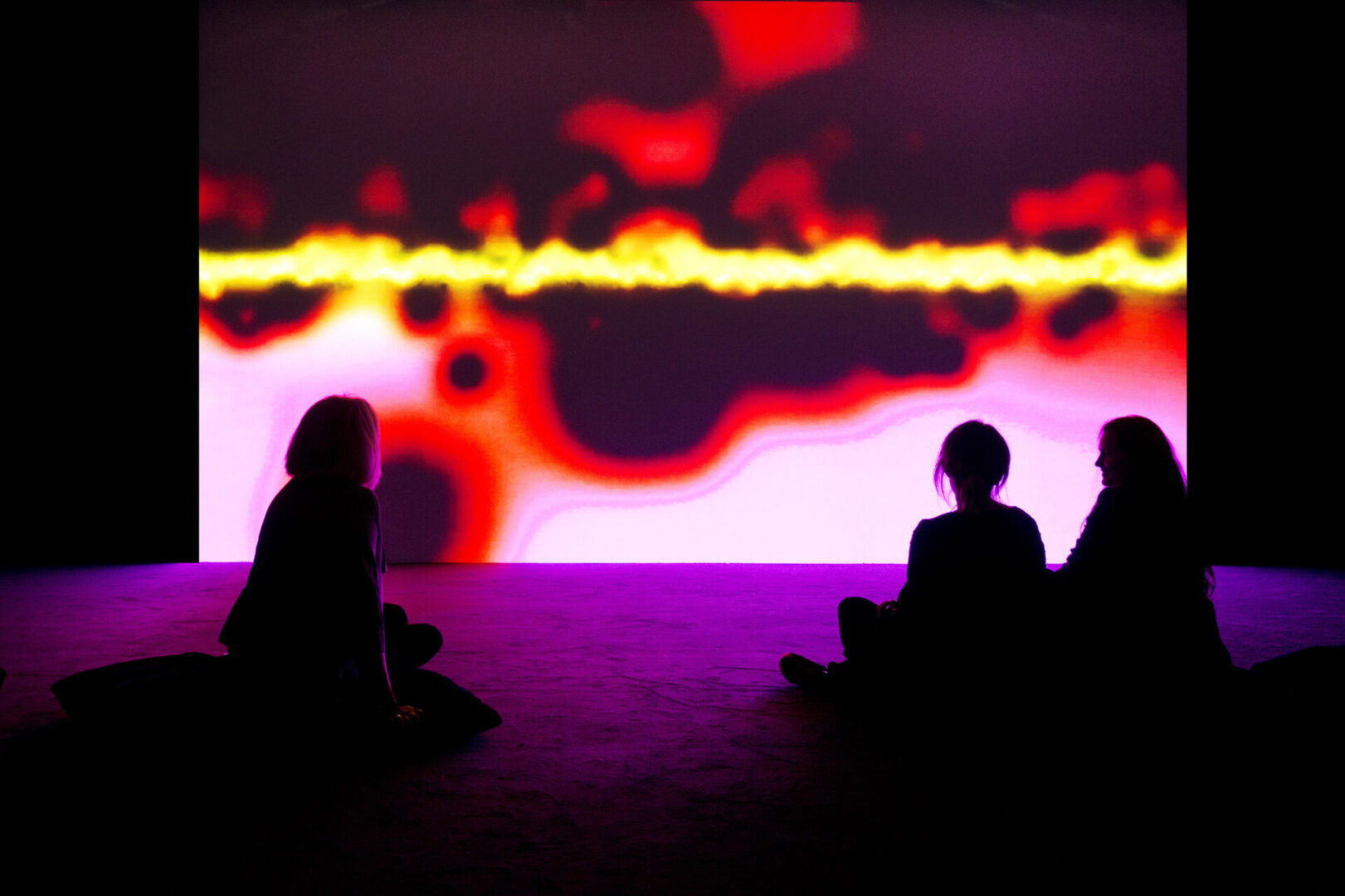
Channels (2013) is one such example. Through a huge wall of stacked TV monitors – some upright, some on their sides – disembodied voices report on near-death experiences in many languages. Hiller positioned these tales as a recurring part of human life. As she explained to The Guardian in 2016: “I am interested that these stories occur all over the world and always have done.” Likewise, in Resounding (Ultraviolet) (2014), witness accounts of unexplained visual occurrences are juxtaposed with audio transcriptions of cosmic phenomena and lucid dreaming. Elsewhere, Belshazzar’s Feast (1983-1984) draws on contemporaneous new reports of apparitions appearing on TV screens after the end of late-night broadcasts. According to Tate, Hiller described the people who experienced them as “using television in the way that people used to use their fires”: to “get ideas, see shapes” and stimulate “imagination, creativity, even prophecy.”
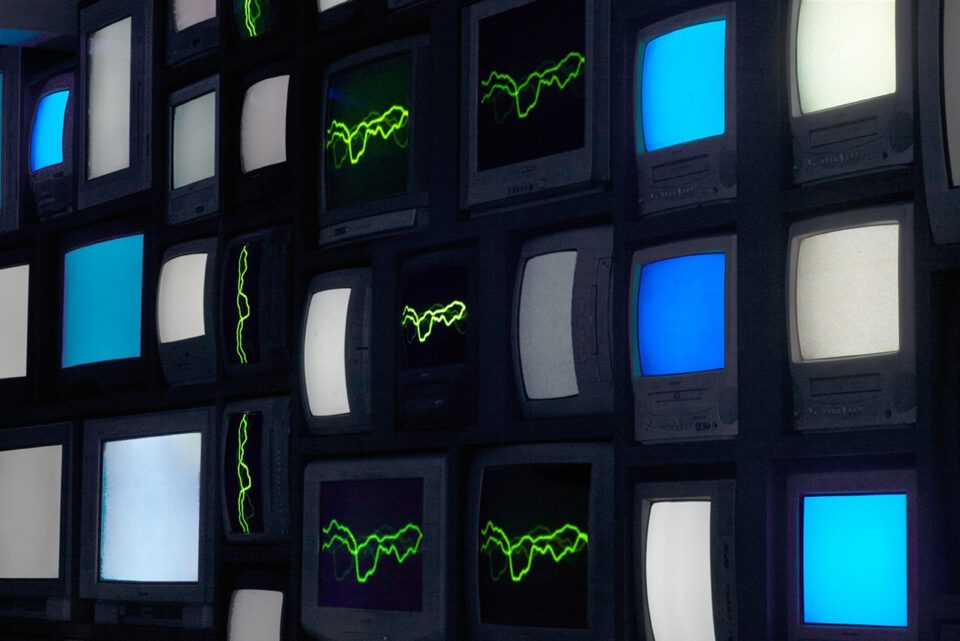
Hiller was among the first artists to explore the internet as a medium. She saw it as “a repository of psychic desires, beliefs and secrets” – a place where human thoughts and feelings endlessly collect and collide. It’s an idea that is especially pertinent in today’s online world, dominated by doomscrolling, social media and AI chatbots. Indeed, Channels, with its towering, glowing screens, shares many visual similarities with the work of video art pioneer Nam June Paik (1932-2006), who coined the phrase “electronic superhighway” to predict the future of communication in the digital age back in 1974. It’s this vision that made Hiller such a groundbreaking figure in conceptual and multimedia art. Her 50-year practice probed how fantasy, fear and meaning are constructed, and how they shape our perceptions of the world. She wasn’t simply interested in dreams or the supernatural; she was fascinated by how people construct meaning around experiences that resist rationalisation. Bad Dreams returns to the question not only at the heart of her work, but also at the centre of human experience: how do we give form to what we cannot fully explain?
Susan Hiller: Bad Dreams is at KW Institute for Contemporary Art, Berlin, from 17 October to 10 January.
Words: Eleanor Sutherland
Image Credits:
1. Susan Hiller, Channels, 2013. Courtesy Lisson Gallery © Estate of Susan Hiller.
2. Susan Hiller, Resounding (Infrared), 2013, Installation shot at Hayward Gallery, London, 2014. © Estate of Susan Hiller. Photo: Hayward Gallery.
3. Susan Hiller, Belshazzar’s Feast, 1983-84. Courtesy Lisson Gallery © Estate of Susan Hiller.
4. Susan Hiller, Channels, 2013. Installation shot at Matt’s Gallery, London, 2013. © Estate of Susan Hiller. Photo: Peter White.