Contemporary design today is as much about narrative as it is about form. At the Design Museum in London, Simone Brewster’s first museum show PLATFORM makes this clear, presenting objects that are functional, sculptural and rooted in cultural memory. Spanning four sections: Passages, Everyday Ornaments, Scales of Emotion and Body Narratives – the exhibition interrogates identity, heritage and value. Brewster combines the precision of architectural thinking with the fluidity of sculpture, suggesting that design must engage social histories and formal innovation. This is design that asks why objects exist, what they communicate and who benefits from their creation. Within the museum’s programme, which includes major shows such as Wes Anderson: The Archives and Blitz: The Club that Shaped the 80s, Brewster’s work situates contemporary practice in a cultural dialogue that encompasses both aesthetic and social concerns.
The Design Museum’s influence extends far beyond any single exhibition. Founded in 1989 by Sir Terence Conran, with Stephen Bayley as its first director, the museum began in a converted warehouse on Shad Thames as a dedicated space for design and its role in everyday life. After almost three decades at that site, it relocated in November 2016 to the landmark former Commonwealth Institute building in Kensington, tripling its space and establishing itself alongside institutions such as the V&A and the Science Museum. This move allowed the museum to expand its remit, offering ambitious temporary exhibitions, permanent displays and learning programmes that examine design’s impact on society. Through public events and educational initiatives, the Design Museum functions as a national and global hub, connecting audiences to design thinking, making processes and the social implications of objects. PLATFORM occupies this space, positioning Brewster’s work within broader cultural conversations rather than as an isolated presentation.
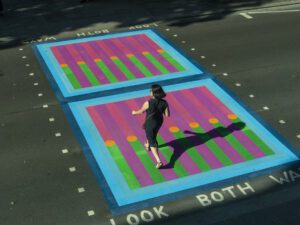
In the broader discourse of contemporary design, Simone Brewster’s work engages with questions of materiality, narrative and cultural identity that many current practitioners are exploring through very different approaches. British‑Nigerian designer Yinka Ilori, whose retrospective Yinka Ilori: Parables for Happinessran at the Design Museum in 2023, transforms public spaces with colour, geometry and storytelling, creating installations that reflect heritage and communal memory. Japanese creative NIGO operates across fashion, streetwear and product design, elevating everyday objects and commercial ephemera into artefacts that challenge hierarchies of taste, authorship and value. London‑based Bethan Laura Wood explores material histories through pattern, surface and craft, treating ornament as a vehicle for storytelling rather than decoration. Together, these practices signal a wider shift in design toward objects and environments that engage identity, place and social meaning alongside formal innovation.
Brewster’s approach intersects with these concerns while maintaining a distinctive architectural and sculptural logic, translating historical reference, diasporic memory and intimate emotion into objects, jewellery, furniture and spatial interventions. Her work participates in this dialogue by demonstrating how materiality, scale and narrative can combine to make visible what has too often been overlooked. In conversation with Ilori, NIGO and Wood, Brewster emphasises how design can operate critically, interrogating social hierarchies and challenging perceptions. These shared sensibilities highlight a contemporary design landscape in which storytelling, affective experience and cultural provenance are as important as formal innovation. In this context, Brewster’s work is both reflective and interventionist, contributing to ongoing conversations about how design mediates history, identity and experience.
Brewster is a London-based designer whose education at The Bartlett School of Architecture, UCL, and the Royal College of Art underpins a practice that defies simple categorisation. The structural rigour of architectural training informs her sculptural work, while her practice extends to jewellery, furniture and spatial interventions. References to palaeolithic fertility figures sit alongside motifs drawn from African diaspora traditions, positioning her work within both historical and diasporic frameworks. “Design isn’t just about creating objects – it’s about giving voice to identity, heritage and memory,” Brewster has said, reflecting her commitment to craft that carries history as well as function. Her work is held in major institutions including the London Museum and the Smithsonian National Museum of African American History and Culture, underscoring how contemporary design can operate critically as well as aesthetically.
There is an inherent interest in movement, transformation and the evolution of ideas throughout Passages. Rather than presenting objects as discrete items, Simone Brewster foregrounds process as a language, emphasising how sketches, prototypes and studies inform finished works. This approach positions design as iterative, underscoring a central principle of contemporary practice: that objects carry histories and narratives. Visitors encounter structural logic alongside cultural and historical references, revealing how design mediates identity, memory and social context. The works demonstrate how ideas evolve, showing that the act of making is inseparable from the stories embedded in materials, form and scale.
The exploration of material value and cultural resonance underpins Everyday Ornaments. Here, Brewster treats substances from wood to copper as vessels of identity and significance, carrying meaning beyond their physical properties. The Ebony Revolution jewellery and Crown series of carved combs operate as objects that bridge function, adornment and cultural narrative. Everyday forms are elevated into carriers of history, ritual and status, challenging hierarchies of craft, luxury and utility. Attention to provenance, finish and texture transforms these works into repositories of memory and cultural significance. Through this section, the exhibition emphasises that design is not only about utility or decoration, but about articulating belonging, heritage and the stories that shape communities.
Scales of Emotion extends the enquiry into spatial and sensory experience, arguing that objects and materials actively shape perception, atmosphere and affect. Brewster’s totemic cork pillars and the Tropical Noire vessel exemplify how scale, materiality and cultural reference evoke emotional resonance. Soundscapes reinforce the idea that design is not solely visual but also experiential, producing environments that stimulate both mind and body. Objects here operate as agents within an architecture of emotion, mediating memory, feeling and spatial engagement. The interplay between material, form and context demonstrates how design can structure environments as much as it structures individual objects, and how objects can carry narrative weight, shaping how spaces are inhabited and experienced.
The courtyard installation derived from the Temple of Relics pavilion explores the social and communal dimensions of Brewster’s work. Ornaments, benches and architectural motifs inspired by the Venus of Willendorf and Hausa mud architecture create a space where ritual, heritage and everyday life converge. Earthy, organic materials left in their natural finish emphasise craft while encouraging interaction, illustrating how objects can shape the way spaces are occupied and experienced. The installation constructs a zone that feels both sacred and accessible, bridging public engagement with the intimacy of domestic and cultural memory. The careful arrangement and materiality of these objects transform perception and social interaction, showing how design can operate as a connective, experiential medium.
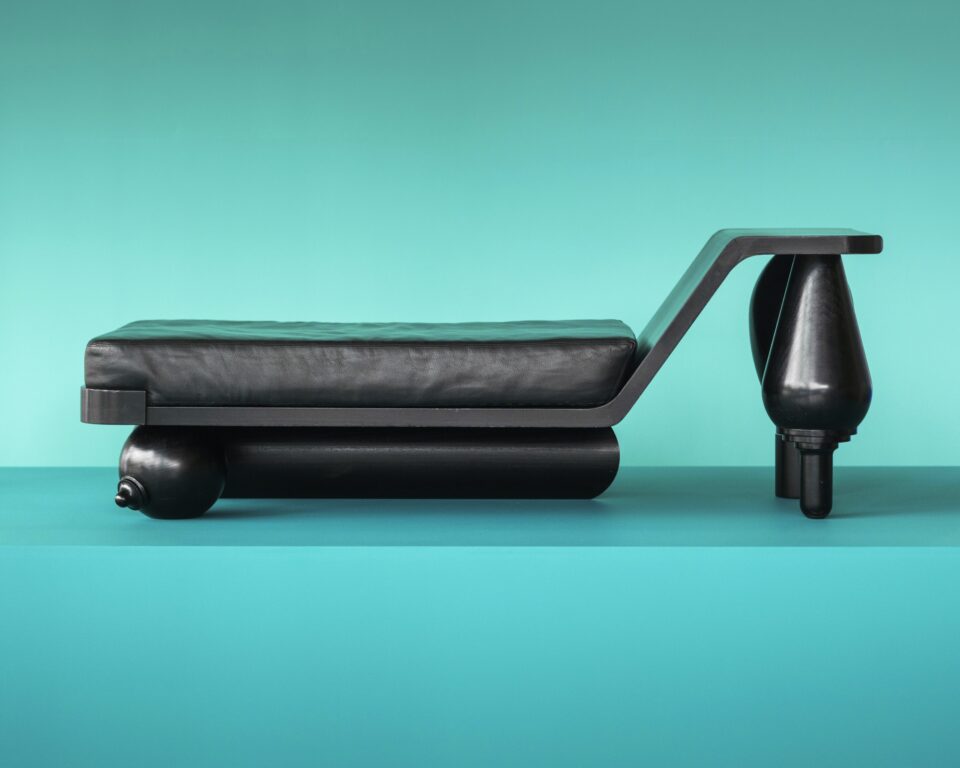
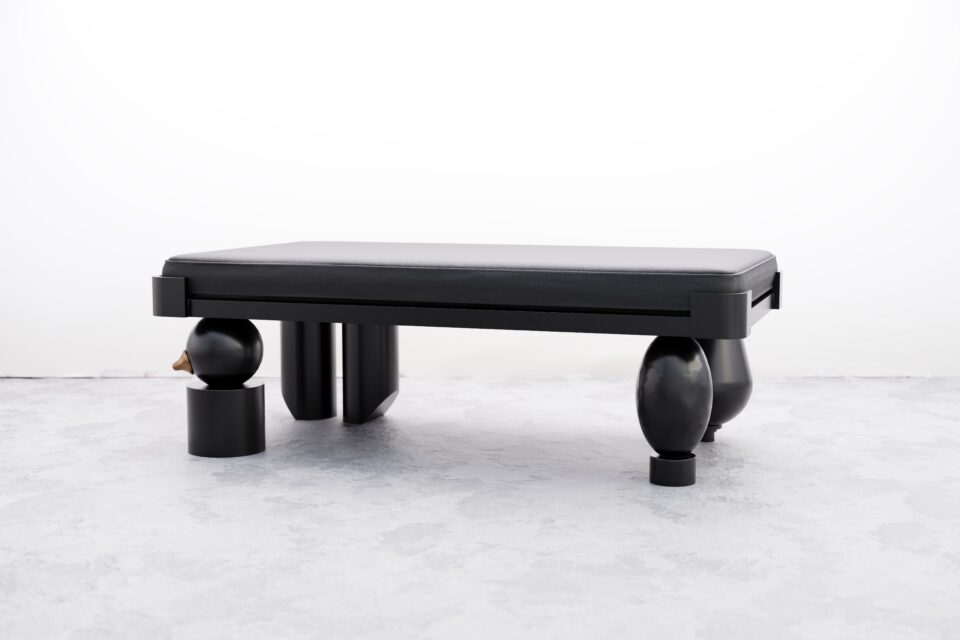
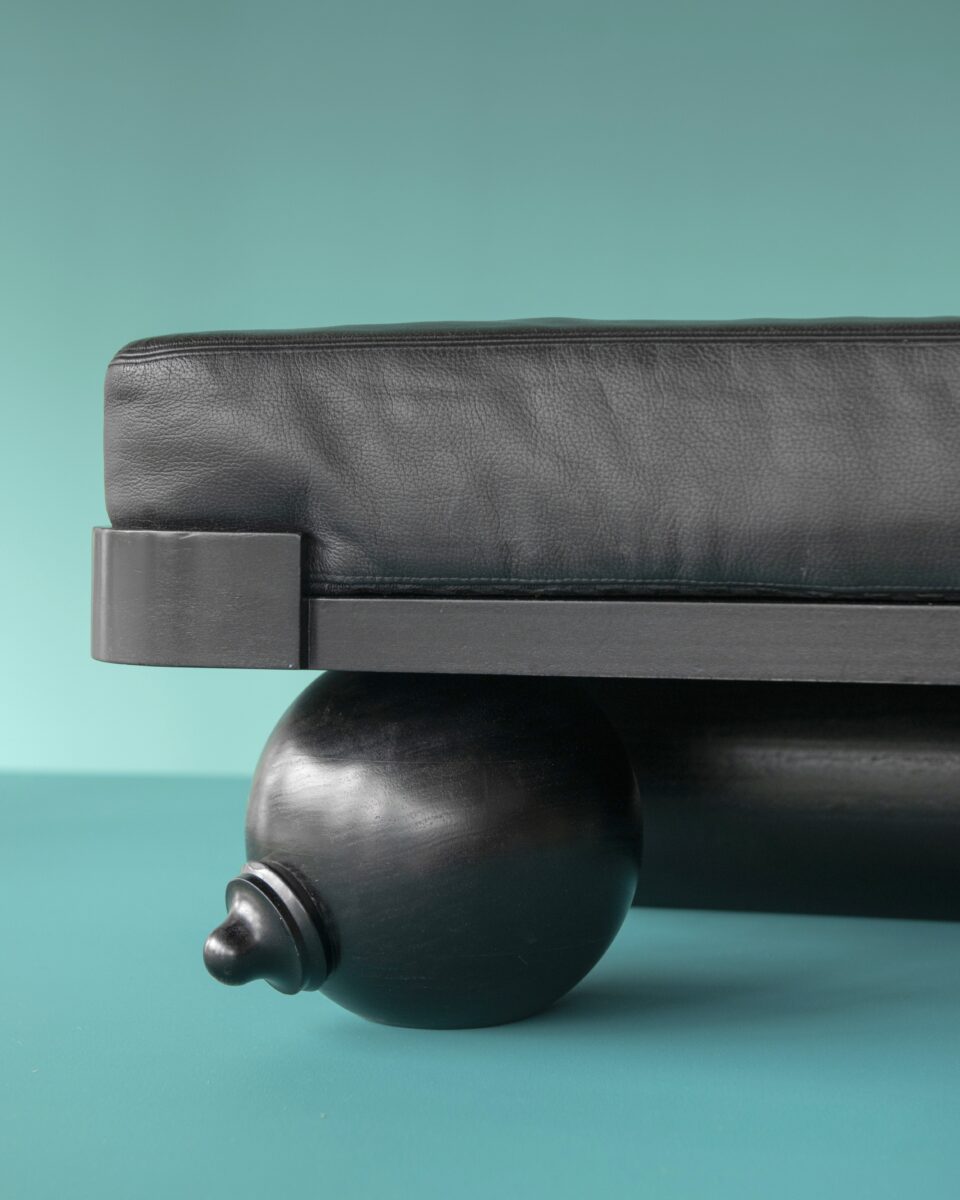
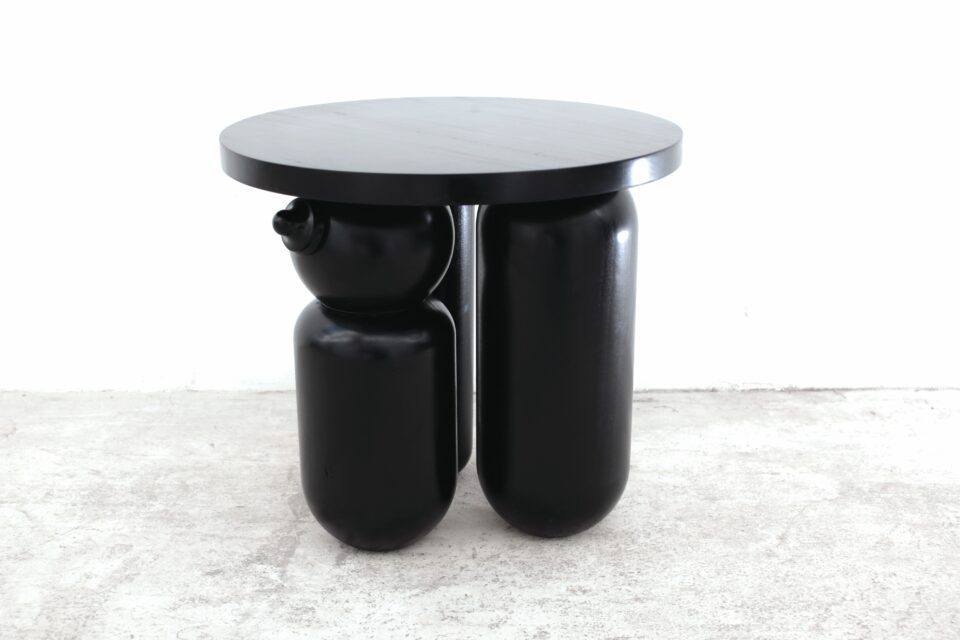
Body Narratives, the final section, confronts historical and contemporary perceptions of the female body. Sculptural forms, textiles and functional pieces such as “Negress”, “Mammy” and the newly unveiled bench “Negrita” translate traditionally fetishised body parts into structural elements that bear literal weight. This strategy critiques reductive social perceptions, exposing how bodies have historically been objectified, fragmented and denied wholeness. Reconfigured into functional furniture and spatial objects, these works transform critique into embodied experience, engaging viewers both physically and intellectually with complex social histories. The section illustrates how design can function as social commentary, using material and form to articulate power dynamics, identity and cultural memory. Objects here communicative, performative and critical, capable of interrogating societal norms as well as aesthetics.

“This is my first museum show, and it has afforded me the opportunity to share my individual approach to design and creativity as a whole,” Brewster says, framing the exhibition as an invitation rather than a presentation. Hadeel Eltayeb, Displays Curator says, “Brewster’s work gathers historical and contemporary references, memories and dreams, and shapes them into functional designs layered with storytelling. Brewster’s surrealist constructions of form embrace how our deepest desires and fears impress on our realities. Her designs can showcase societal fragilities, exposing what frightens us, but also to speak to dreams as domains of agency, a freedom where our emotions dictate our surroundings.”
By the end of PLATFORM, you will have encountered a practice in which objects operate as vessels of memory, feeling and critique. Brewster demonstrates that design’s value resides as much in its communicative potential as in its material presence. Within the Design Museum’s programme, the show marks a decisive moment in contemporary design thinking: a prompt to consider how objects engage with history, identity and society. The exhibition confirms that design, at its most compelling, is not neutral or decorative, but active – shaping how we perceive, inhabit and understand the world.
PLATFORM: Simone Brewster is at Design Museum, London until 27 January 2027: designmuseum.org
Words: Simon Cartwright
Image Credits:
1&6. Tropical Noire vessel by Simone Brewster at ‘The Shape of Things’ exhibition at NOW Gallery 2023. Photo credit: Charles Emerson.
2. Negress chaise lounge by Simone Brewster at ‘The Shape of Things’ exhibition at NOW Gallery 2023. Part of the Smithsonian Museum Collection. Photo credit: Charles Emerson.
3. Negrita bench by Simone Brewster. Photo credit: Kevin C. Moore, 2010.
4. Detail of Negress chaise lounge by Simone Brewster at ‘The Shape of Things’ exhibition at NOW Gallery 2023. Part of the Smithsonian Museum Collection. Photo credit: Charles Emerson.
5. Mammy side table by Simone Brewster, part of the London Museum Collection. Photo credit: Kevin C. Moore, 2010.