In 1969, astronaut Neil Armstrong declared: “That’s one small step for man, one giant leap for mankind.” This sentence became one of the most famous in history, marking the moment humanity first set foot on the moon. Since the Apollo 11 mission touched down on the lunar surface, 23 astronauts – all of them American – have been to the moon, and only 12 have walked on it. In 2018, almost fifty years after Armstrong uttered those immortal words, Japanese billionaire Yusaku Maezawa announced a global search for eight artists to join him on a week-long lunar mission aboard SpaceX Starship: the first civilian mission to deep space. Irish photographer Rhiannon Adam answered the call and was selected as the only female crew member from millions of applicants, providing the chance to achieve the seemingly impossible: to become the first out queer woman to venture beyond the Karman line.
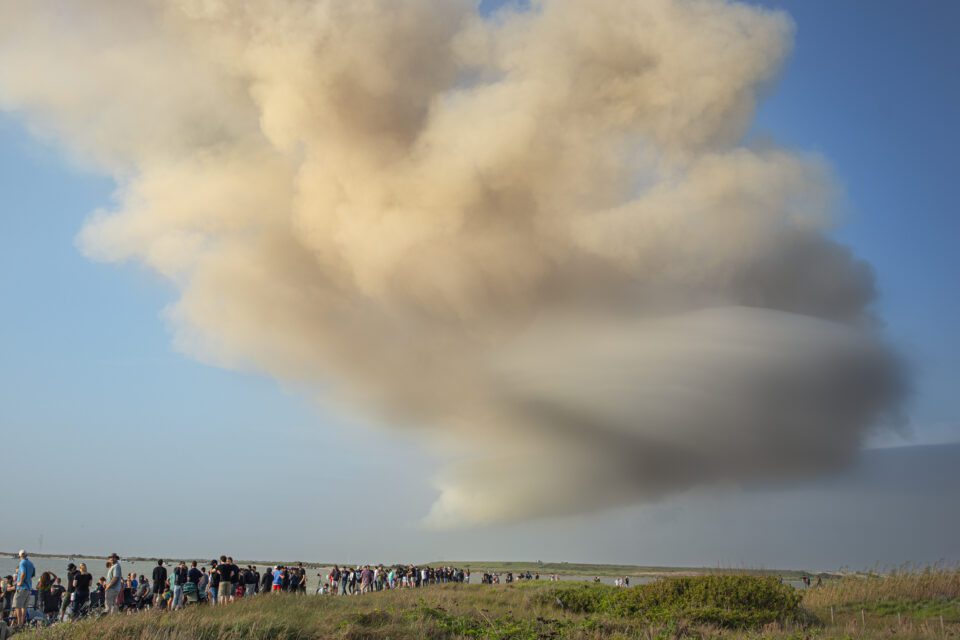
The mission’s flight path was designed to echo Apollo 8’s 1968 journey, which led astronaut Bill Anders to suggest NASA “should have sent poets” to capture the sense of wonder he experienced. dearMoon, as Maezawa named the mission, sought to fulfil this vision by inviting creatives to reflect on humanity from space, aiming to inspire world peace. Adam immersed herself in the space industry for three years, preparing for the endeavour ahead and grappling with both her mortality and the responsibility of representing marginalised voices. It was an emotional and all-consuming process, defining both her personal life and her artistic output. However, in June 2024, Maezawa abruptly cancelled the mission, leaving the crew to try and pick up the pieces of their disrupted lives.
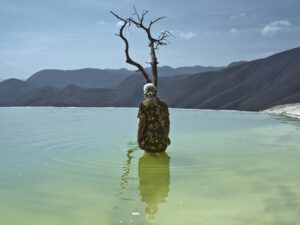
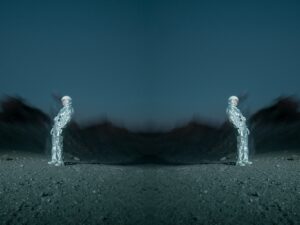
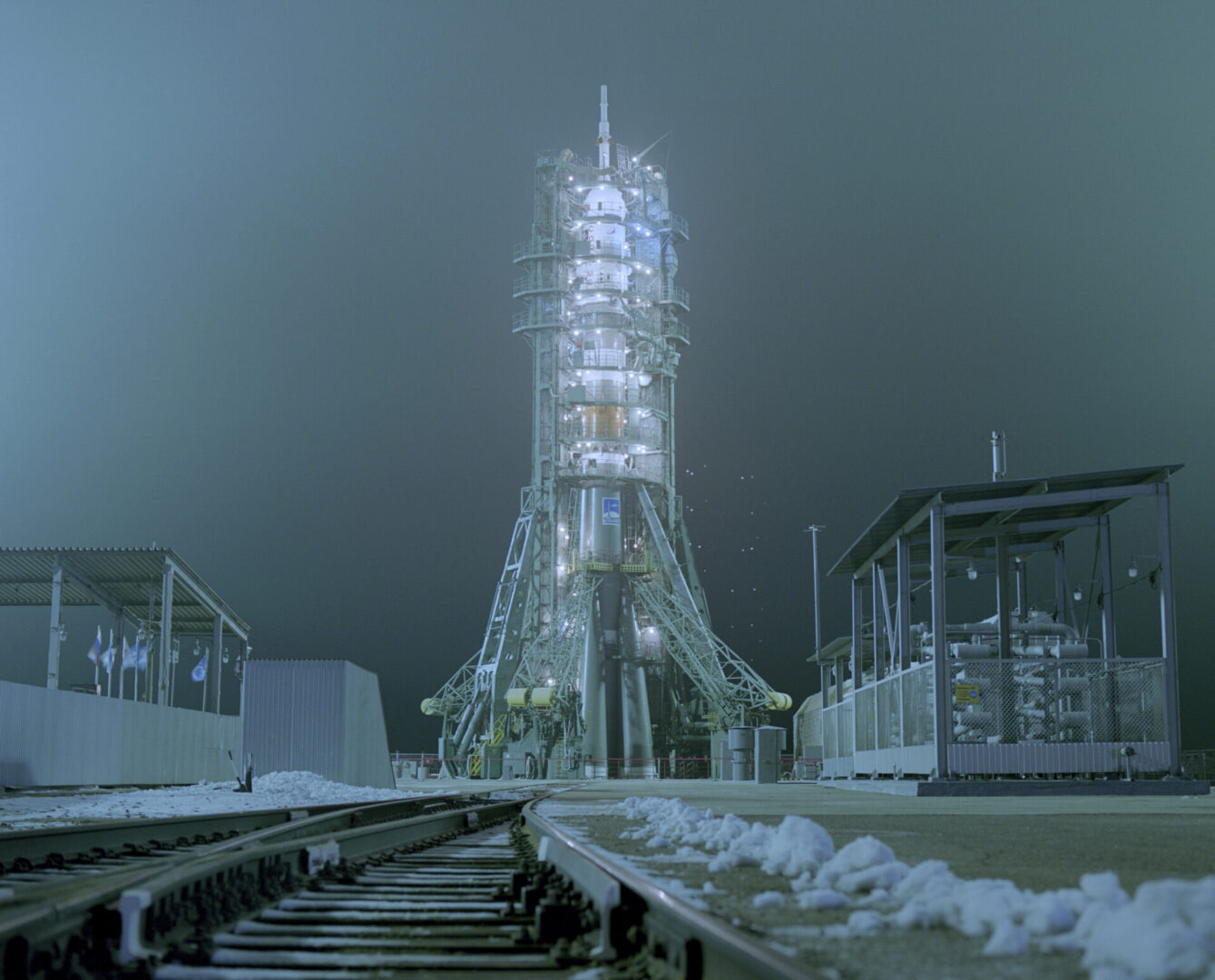
The International Centre for the Image, Dublin, presents Rhi-Entry, an exhibition of works that Adam made to process the mission being scrapped. The series blurs fact and fiction through moving images, photographs and ephemera, reflecting on the artist’s “psychological recalibration” and her struggle to return to “normal” life. It is often cited that re-entry is the most dangerous part of spaceflight, and for Adam, this rings true, despite never having left our planet. Yet, this exhibition goes beyond just her individual experience, as the artist reckons with what it means to have been the first openly queer woman to be selected for a space mission, and how we better address representation in the field. As she describes: “this presentation stands as a shrine to lost dreams and an urgent call for alternative voices in the space industry.” Here, she joins other contemporary artists whose work highlights the lack of diversity within space programmes, including Mackenzie Calle’s photographic series The Gay Space Agency.
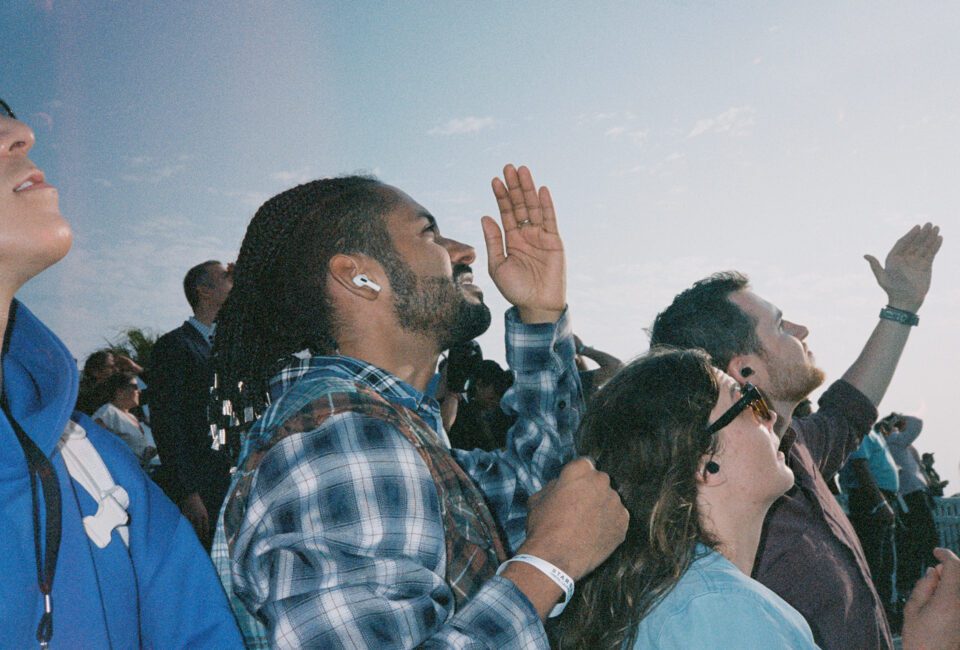
Rhi-Entry also moves into a decidedly political direction, drawing connection between the end of the project and America’s shift towards more right-wing politics and figures like Elon Musk throwing their support behind Donald Trump. Adam is keen to bring attention to the wider ramifications of this. Her message is clear: space travel does not happen in a vacuum. In a recent interview with Dazed, she recounted how: “People don’t think space relates to them…but USAID is cut because Trump is in power, people are dying of HIV because Elon Musk helped win an election because he wants more rockets in space.” In one artwork, Adam reinterprets the 1950 book by Robert A. Heinlein, The Man Who Sold the Moon. The artist takes the original cover, which shows a close-up image of a man, looking back at a rocket that’s under construction, and replaced his face with that of Elon Musk.
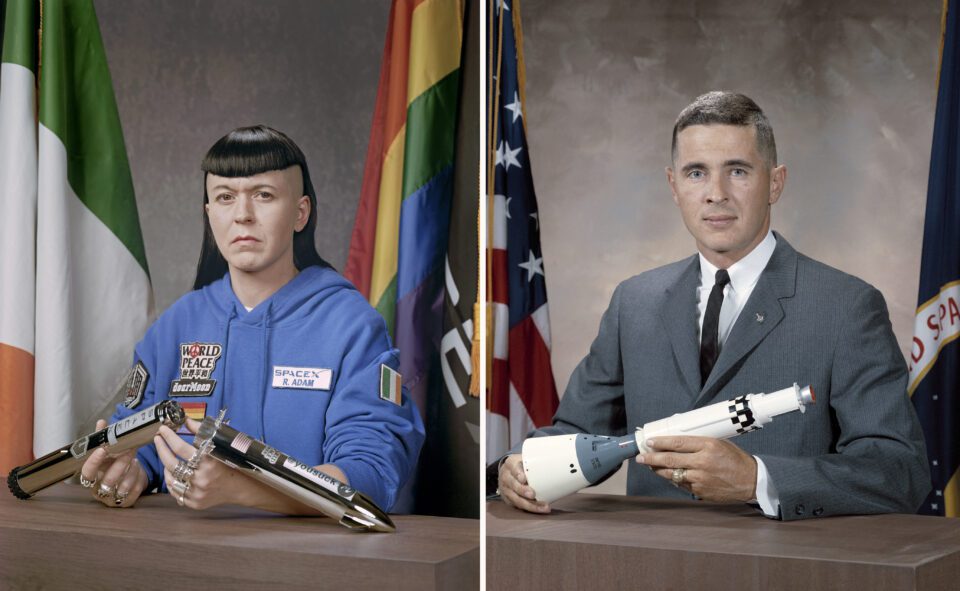
Adam’s series, and its currently display in Dublin, brings the often abstract and mysterious business of space travel and tells audiences why they should care. The artist’s deeply personal connection to the democratisation of space missions is a reminder of why representation matters, and how politics is inextricably tied up in exploration. Adam’s involvement and subsequent exclusion from a SpaceX mission acts as a warning to every person: space is the next frontier of exploration and expansion, and we must ensure that all voices are heard as we enter this next stage of scientific discovery.
Rhi-Entry is at International Centre for the Image, Dublin from 11 September – 23 December: image.museum
Words: Emma Jacob
Image Credits:
All images Rhiannon Adam, Rhi-Entry. Courtesy of the artist and International Centre for the Image.