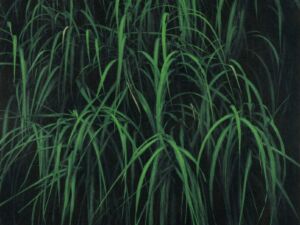
The history of Japanese photography has long been framed through a largely male-dominated lens, with names like Daido Moriyama, Hiroshi Sugimoto and Nobuyoshi Araki topping lists of the country’s “most influential” image-makers. Whilst these contributions are undeniably groundbreaking, there is growing interest in a more inclusive narrative that redresses the balance. Japanese Women Photographers answers that call, bringing together 27 female artists active from the 1950s to today. This summer, more than 200 photographs, books, installations and videos will occupy the entirety of The Photographers’ Gallery in London. Key themes include gender and identity, pop culture, nature, fashion, music, motherhood and everyday life, visualised by those overlooked by the canon. The roster includes pioneering figures of the post-war era, as well as some of today’s most daring, experimental and up-and-coming creative voices.
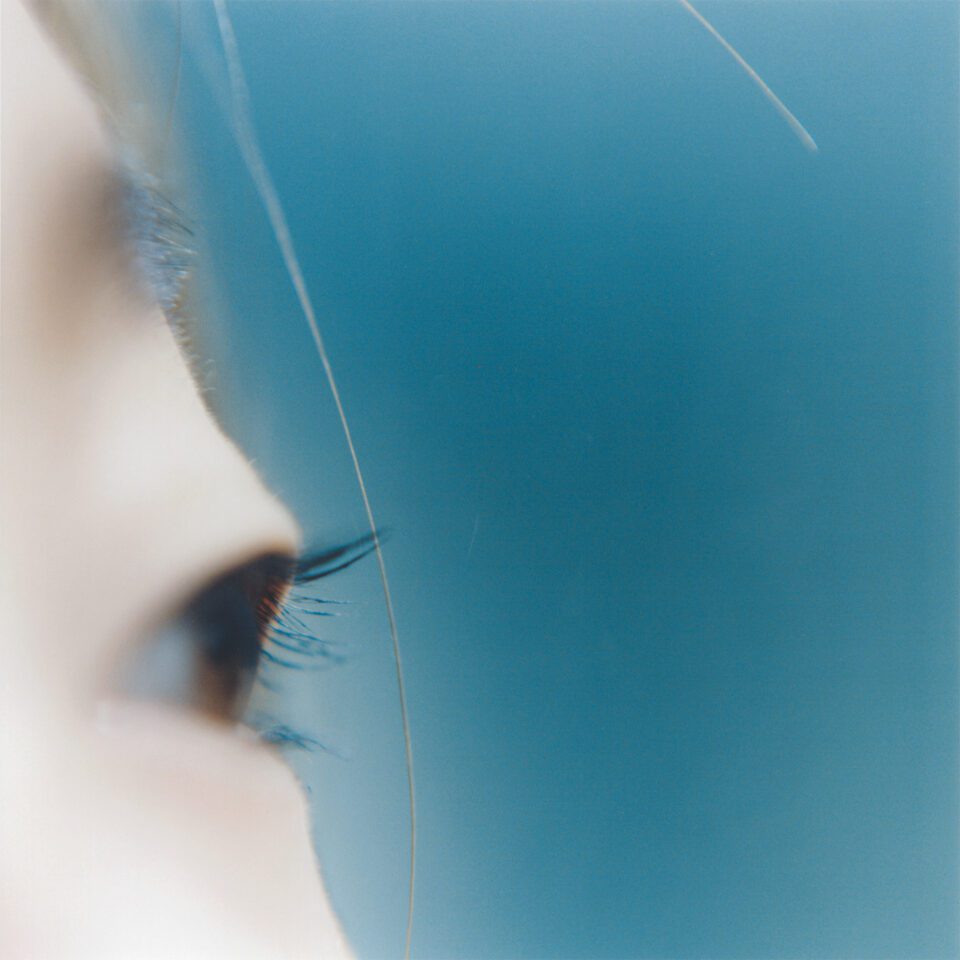
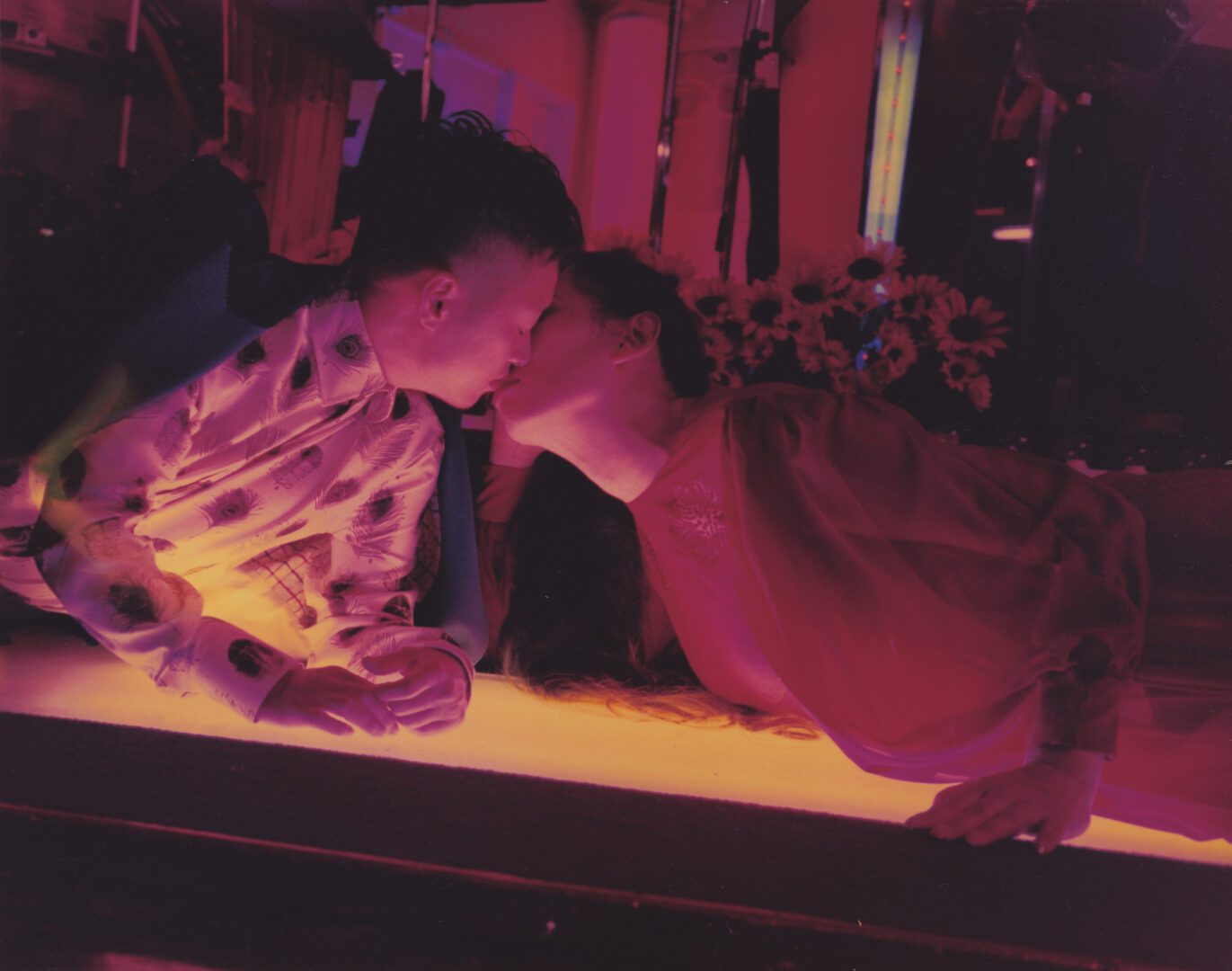
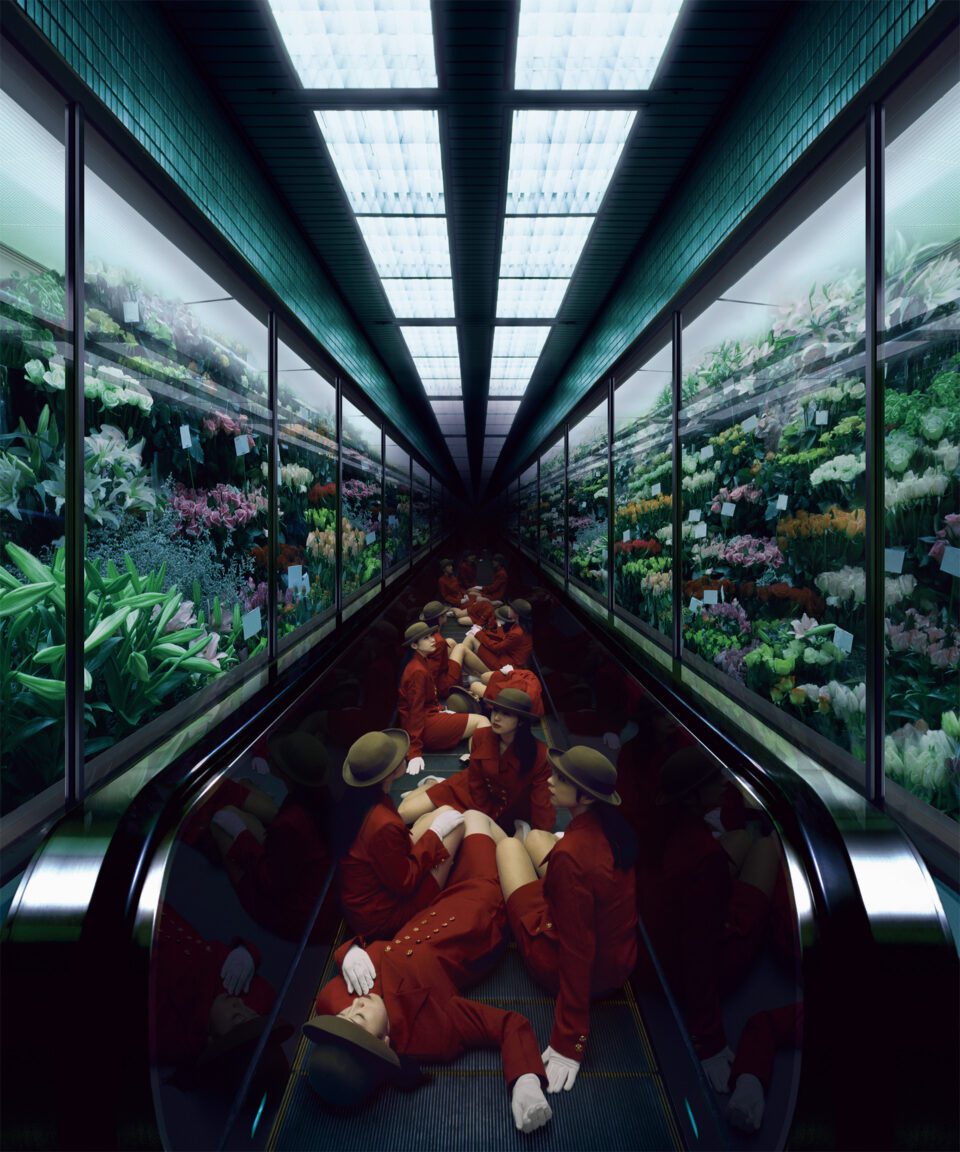
Featured names include Momo Okabe, known for documenting intimate personal life experiences through a cinematic, neon aesthetic. Untitled (2020), from the series Ilmatar, captures two people leaning over to kiss each other, illuminated by a pink glowing light. There are also images from Rinko Kawauchi, renowned for poetic depictions of ordinary moments, and Miwa Yanagi, whose conceptual works examine and critique stereotypes of women. Elevator Girl House 1F (1997), for example, shows several female subjects in uniform. They are depicted as sitting on a moving walkway, surrounded by blooming bouquets of flowers.
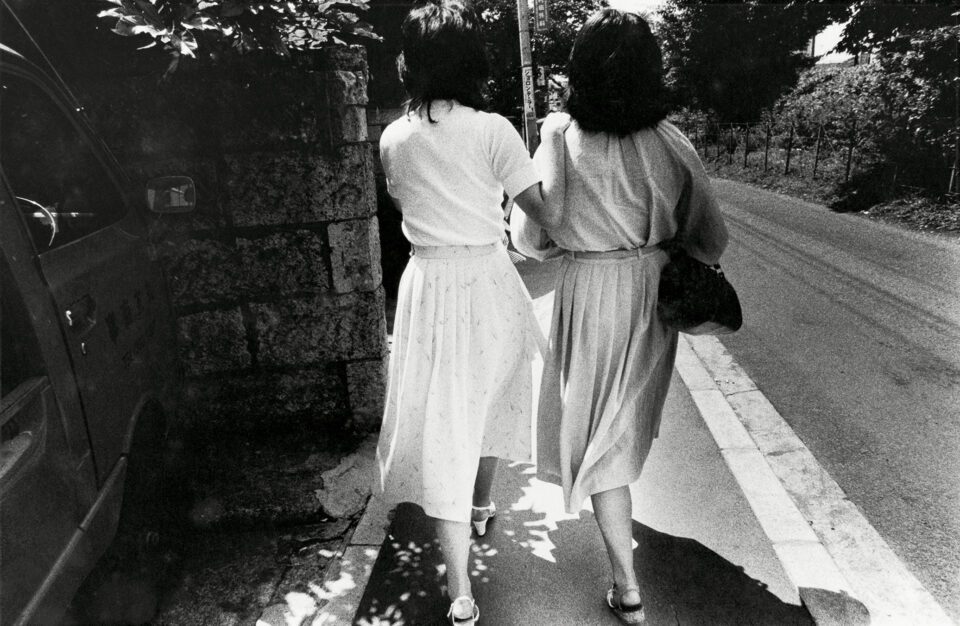
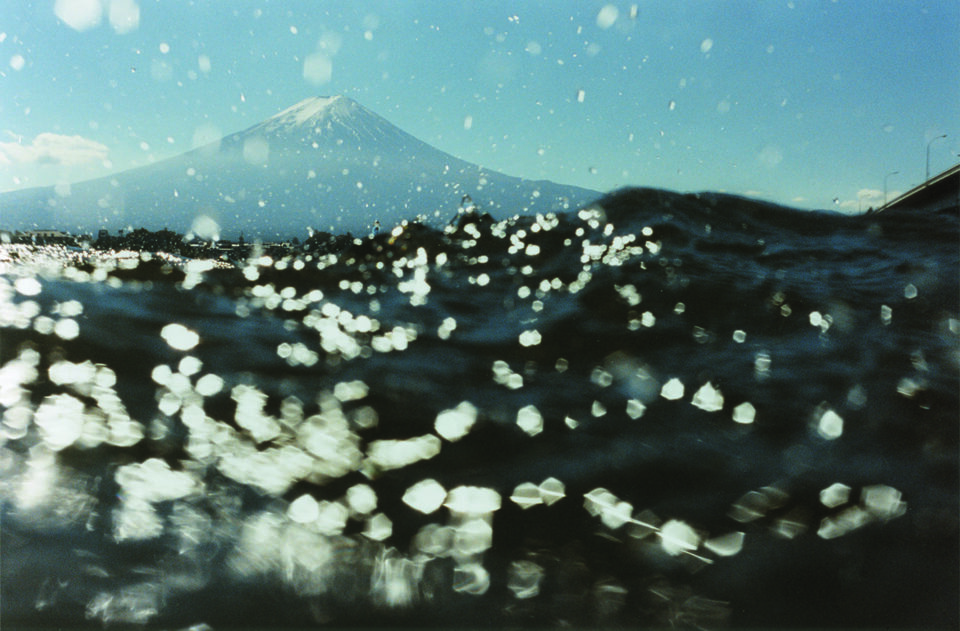
Audiences will also discover 20th century black-and-white street photography from Tamiko Nishimura, as well as square format images by Mikiko Hara, who keeps a German-made Ikonta camera from the 1930s in her bag as she walks. The result is a series of chance encounters, fleeting moments and passersby frozen in time. There are also brightly-coloured abstractions by Eiko Yamazawa, alongside the vivid palettes of Mika Ninagawa. Asako Narahashi contributes waterscapes; one of her most striking shots appears to be taken just above the surface of Lake Kawaguchi. It depicts the iconic peak of Mount Fuji in the distance, with sparkling splashes flicking back towards the viewer. Some artists expand the boundaries of image-making further, with Mari Katayama incorporating hand sewn sculptures into her scenes to explore body image.
As well as being a startling display of creativity, the show also draws attention to a key legal turning point: in 1985, Japan passed the Equal Employment Opportunity Law (EEOL), which came into effect the following year. Whilst the law’s initial provisions were limited, it marked an important step towards expanding employment opportunities for women and challenging gender discrimination in the workplace. Crucially, it helped to create conditions that would gradually open more professional roles – including those behind the camera. These pioneering figures ran studios, worked in darkrooms and took their own photographs, paving the way for future generations of creatives. Many of them are celebrated here.
The sheer breadth of genres on display in Japanese Women Photographers is striking. From documenting the changing roles of women in post-war Japan, to pushing the boundaries of the medium in the 21st century, the featured artists reinforce the power of the camera to provoke and surprise. This show reminds us of what we already knew: women artists have been challenging conventions, capturing social change and redefining the limits of the medium for generations, and will continue to do so for many more to come.
Japanese Women Photographers is at The Photographers’ Gallery, London, from 24 June – 27 September.
thephotographersgallery.org.uk
Words: Eleanor Sutherland
Image Credits:
1. OKABE Momo, Untitled, 2020; from the series Ilmatar. Courtesy the artist and Aperture.
2. KAWAUCHI Rinko, Untitled, 2004; from the series the eyes, the ears. Courtesy the artist and Aperture.
3. NISHIMURA Tamiko Mitaka, Tokyo, 1978; from the series (My Journey II ). Courtesy Zen Foto Gallery, Tokyo, and Aperture.
4. YANAGI Miwa, Elevator Girl House 1F, 1997; from the series Elevator Girl Courtesy the artist and Aperture.
5. NARAHASHI Asako, Kawaguchiko, 2003; from the series half awake and half asleep in the water. Courtesy Osiris, Tokyo, and Aperture.