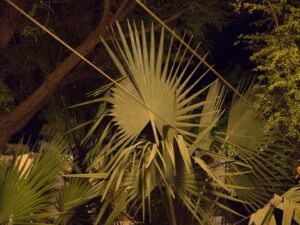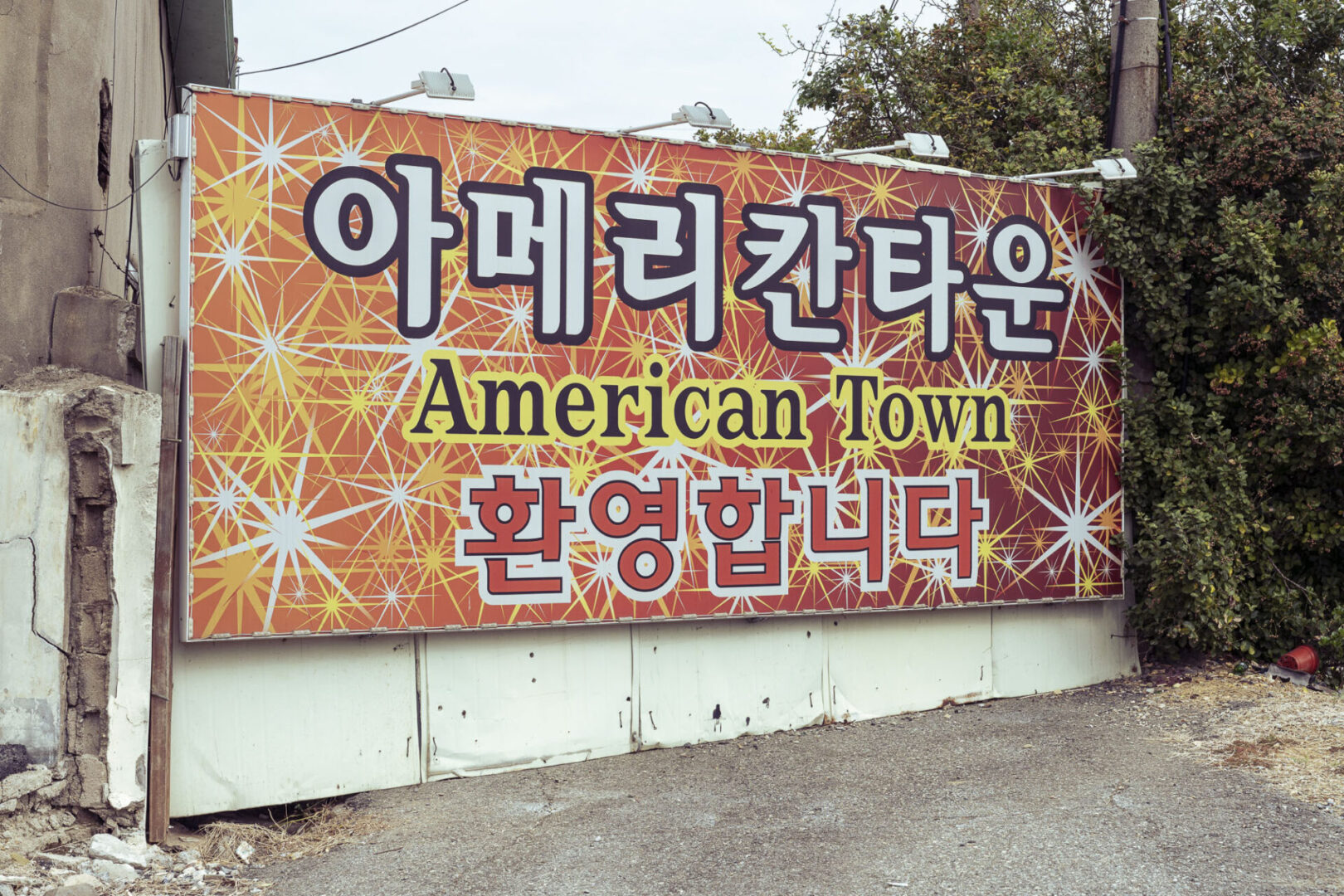
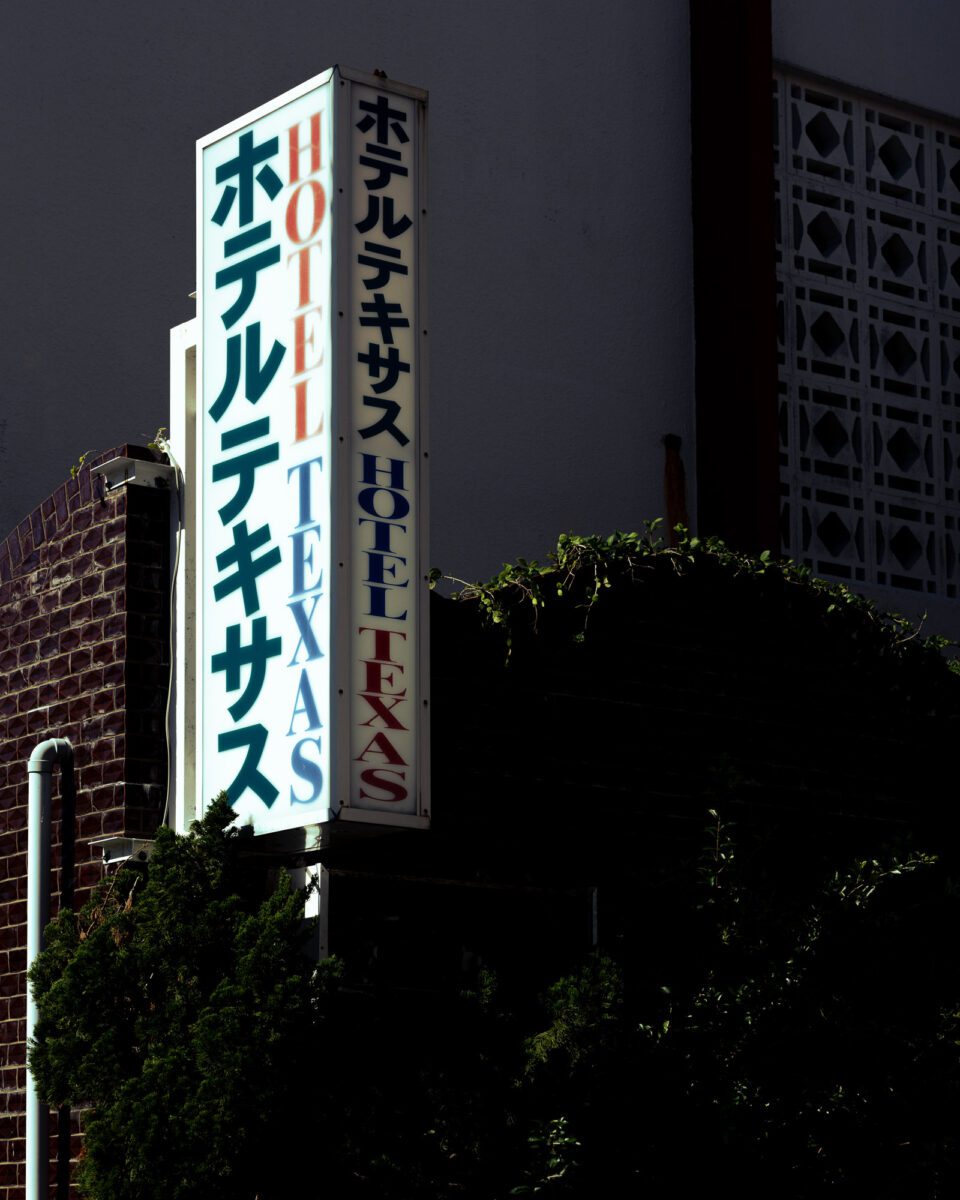
During WWII, thousands of women from across the Japanese empire were forced into sexual slavery by the military. They were referred to as “Comfort Women,” representing one of the largest cases of human trafficking in history. It’s estimated that anywhere from 50,000 to 200,000 women and girls were forced, tricked or sold into working in brothels. In 2020, the Ari Statue of Peace was installation in Berlin’s Moabit neighbourhood. It was intended to commemorate these women, honouring the courage of survivors who broke decades of silence about their experiences. Its installation prompted protests from the Japanese government and sparked a broad public debate about how the “comfort women” are remembered. For artist Miji Ih, the Statue of Peace became the starting point for her engagement with the so-called “Comfort Women,” culminating in Mouths: On Water and Whisky, which connects their history with the lived realities of women around US military bases in Japan, South Korea and Germany.
Fotografiska Berlin presents these works in Miji Ih’s most extensive solo exhibition. Born in South Korea and based in Berlin, the visual artist interrogates the mechanics of collective memory, directing our gaze toward the quiet, everyday moments of women’s lives at the intersections of migration, gendered labour and patriarchal violence. Her 2020 engagement with the Ari Statue of Peace was a pivotal moment in her practice. The experience focused her attention on the interplay of racial and sexual discrimination, precarity and the marginalisation of women’s history. The artist explains how: “I wanted to create a space of remembrance for social stigma and exclusion, for the silence that formed around them, and for the ongoing will of women to live against all resistance. By addressing the recurring realities in women’s lives across different times and places, I seek to discover the ordinary moments within what was left behind.”
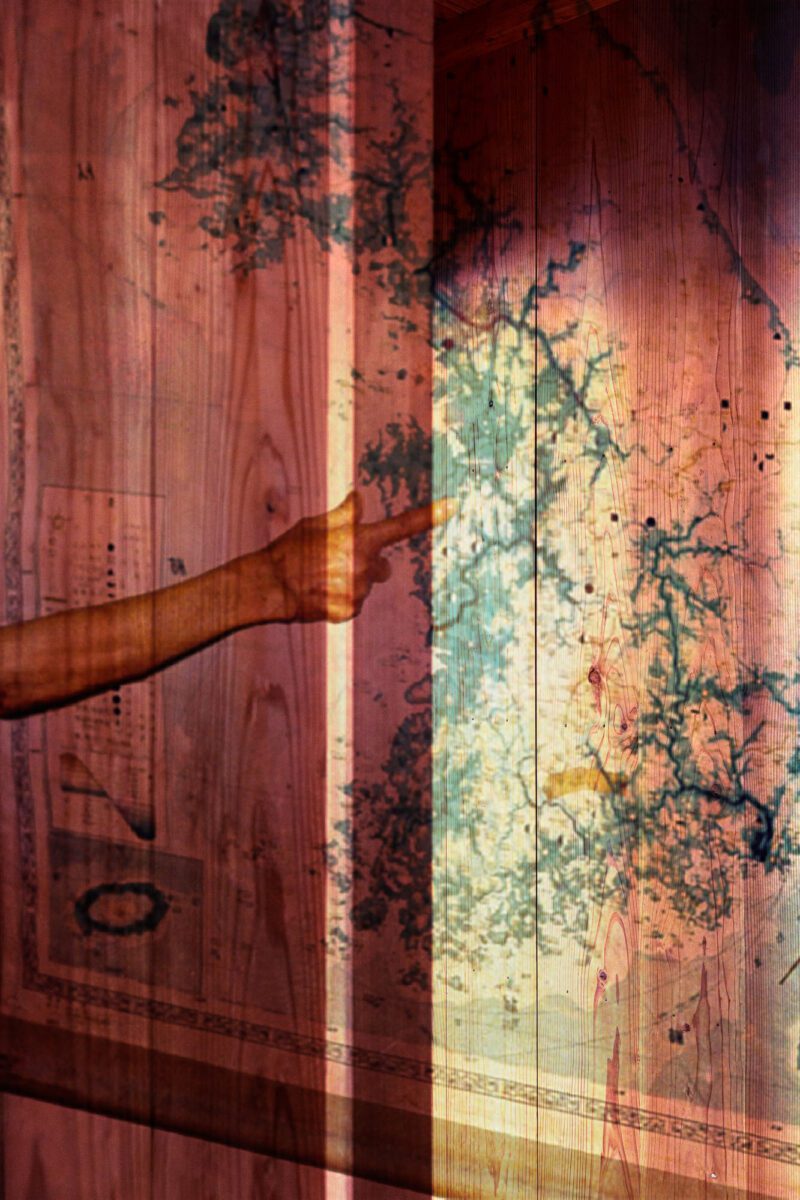
The exhibition is Miji Ih’s most extensive solo show to date. Here, she turns her attention to scenes that, at first glance, leave much open to interpretation. Only gradually do they coalesce into a narrative. Ongoing series Mouth weaves together photography, archival material, sound and video to create “a detailed study of the deep scars and absences left by systems of state and military exploitation, as well as social stigma, have left in the lives of women fleeing or searching for a new life.” Miji Ih takes a nuanced approach, choosing to focus on the structural exploitation that has shaped the lives of female migrant workers across generations, rather than offering a direct depiction of historical trauma. The artist directs audiences to the quiet, everyday struggle for a survival away from the deadlines. Among the exhibition’s starting points is the story of Bae Bong-gi, a Korean “comfort woman” who spent decades after WWII living in obscurity in Okinawa. She is often cited as the first former “comfort woman” to publicly testify about her experiences.
Miji Ih offers a valuable contribution to history: spotlighting the courageous women who offer a counternarrative to dominant stories. These figures, forced into sexual slavery, provide a vital piece of the archive and remind us of the true costs of war. In placing their lives at the heart of this exhibition, Miji Ih ensures this lesson is never forgotten and their horrifying experiences are never repeated.
Mouths: On Water and Whisky is at Fotografiska, Berlin from 4 November – 13 January
Words: Emma Jacob
Image Credits:
1. Welcome to American Town, Gunsan, November 2024 © Miji Ih.
2. Hotel Texas, in Koza, November 20, 2023 © Miji Ih.
3. Beyond the walls without doors, a hand pointing toward home © Miji Ih.