Photography is entering a new institutional chapter. Across Europe, investment in dedicated centres for the medium signals growing confidence in photography as both an artistic discipline and a critical lens through which to understand contemporary society. The opening of the Centre for the Image in Dublin joins a new generation of venues devoted to photographic practice, while Brighton’s POST arrives at a moment when the medium is enjoying renewed visibility. These developments build upon the foundations established by internationally recognised galleries including FOAM in Amsterdam, Fotografiska’s expanding network of museums and the Nederlands Fotomuseum in Rotterdam, as well as major annual gatherings such as Les Rencontres d’Arles and Photo London. Together, they point to a broader shift: photography is no longer peripheral to contemporary art discourse but increasingly shapes it.
Within this wider landscape, POST’s forthcoming celebration of the Marilyn Stafford FotoReportage Award arrives with particular relevance. Marking 10 years of one of documentary photography’s most respected international prizes, the programme brings together artists, curators, writers and audiences to consider how photography continues to shape public understanding of social, political and environmental realities. Organised by FotoDocument and supported by Nikon, the three-day event places women at the centre of conversations that have transformed documentary practice over the past decade. Rather than simply commemorating an anniversary, the weekend asks what documentary photography can achieve at a moment when images circulate with unprecedented speed but sustained engagement has become rare.
Photography’s current institutional momentum reflects a longer process of recognition. For much of the twentieth century, the medium occupied an uncertain position between evidence and artwork, journalism and fine art. Today, dedicated photography centres are not simply presenting images on walls; they are examining how photographs are made, distributed and interpreted. Questions around authorship, ethics and representation have become central to photographic debate, particularly within documentary practice, where the relationship between photographer and subject is continually being reconsidered. POST contributes to this wider conversation by creating a space where historical perspectives and contemporary approaches can exist alongside one another.
Curatorial direction gives the weekend its wider significance. Led by Nina Emett, Director of FotoDocument and co-director of POST, the programme connects award-winning contemporary projects with archival material, tracing how documentary photography has developed across generations. The retrospective of the Marilyn Stafford FotoReportage Award does not function simply as a record of past winners; instead, it demonstrates how photographers have responded to changing political, social and environmental conditions over the last decade. Alongside Stafford’s own legacy, the exhibition considers how documentary photography has moved beyond reportage towards more personal, collaborative and research-driven forms. The result is a programme shaped as much by dialogue as by display.
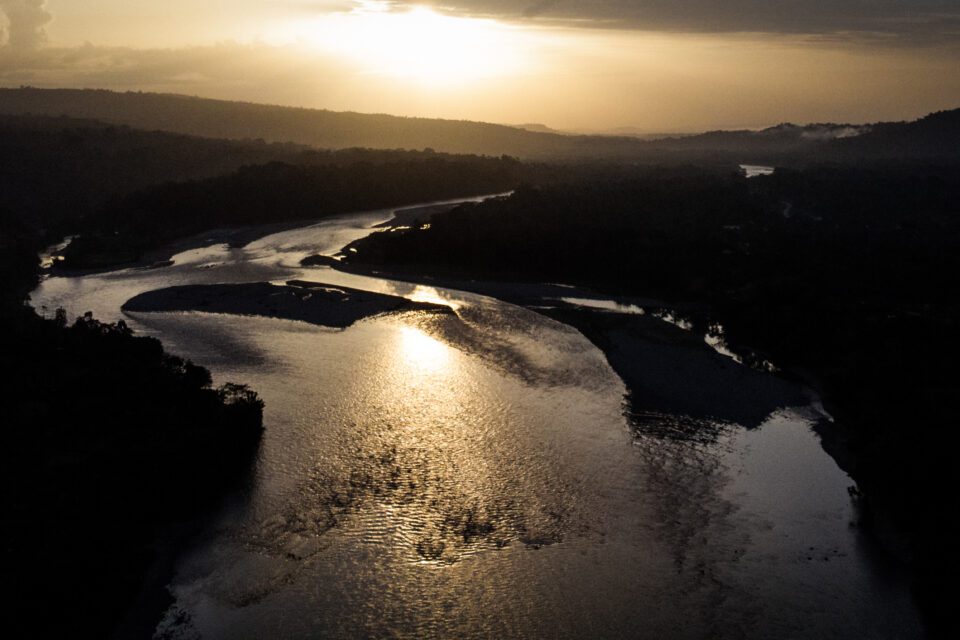
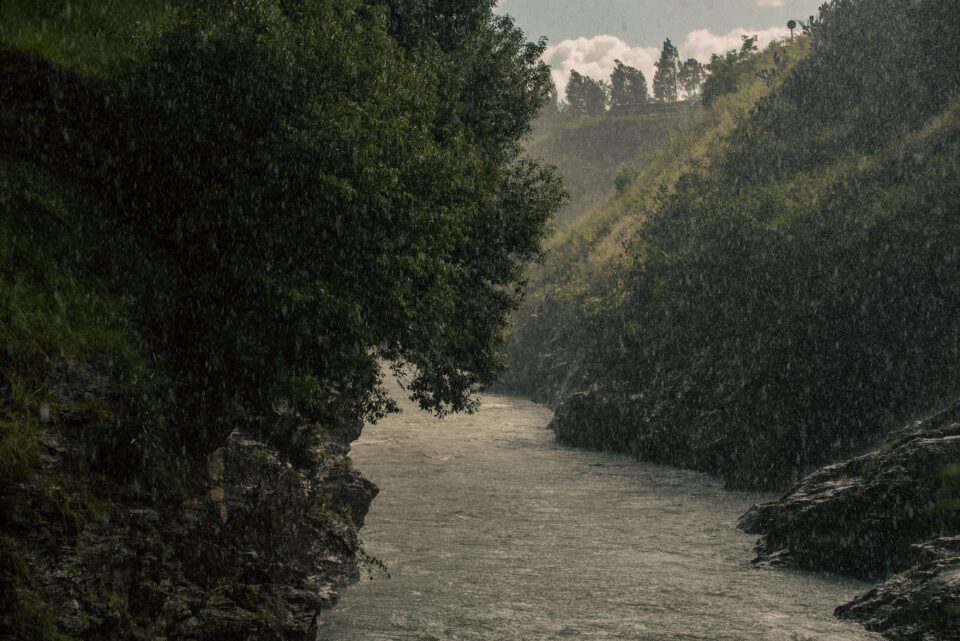
Johanna Alarcón’s When the Earth Gives Birth, presented following her selection as the 2026 Marilyn Stafford FotoReportage Award winner, reflects many of these shifts. Working through themes of land, community and ecological change, Alarcón’s photographs examine the relationship between human experience and the environments people inhabit. Her approach avoids the visual language of crisis often associated with environmental storytelling, instead focusing on connection, memory and resilience. The project demonstrates how contemporary documentary photography can address urgent global issues without reducing communities to symbols of hardship. Through careful observation and long-term engagement, Alarcón creates images that function as both records and reflections.
The wider history of the award provides an important framework for understanding this contemporary approach. Established to support women working in documentary photography, the Marilyn Stafford FotoReportage Award has highlighted practitioners whose work challenges conventional narratives around conflict, migration, inequality and social change. Stafford herself remains a significant figure within this history, having photographed major political and cultural moments across the twentieth century whilst maintaining a strong commitment to human-centred storytelling. The retrospective exhibition places her work alongside recent award recipients, creating a conversation between different generations rather than presenting photographic history as a fixed sequence of achievements. It reveals how documentary photography continues to evolve through changing technologies, perspectives and social contexts.
Debates surrounding women in documentary photography have also expanded considerably over the past decade. The conversation is no longer solely about increasing visibility within institutions, but about examining the systems that influence whose stories are commissioned, circulated and preserved. POST approaches this subject through the photographers themselves, highlighting practices that have reshaped the field rather than positioning women as additions to an established canon. The programme reflects a broader reassessment of photographic history, recognising that many of the medium’s most significant developments have emerged through voices previously overlooked by traditional narratives. In this sense, the award becomes both a celebration and a critical intervention.
These questions come into sharper focus through the programme’s public discussions featuring Andrea Bruce, Donna DeCesare, Laura El-Tantawy and Neo Ntsoma. Their practices demonstrate the different ways documentary photography can engage with complex realities – from political conflict and social inequality to questions of identity and belonging. Bruce’s work with communities affected by war, DeCesare’s long-term engagement with vulnerable groups, El-Tantawy’s introspective approach to displacement and Ntsoma’s exploration of South African identity each reveal different possibilities for visual storytelling. Together, they challenge the idea that documentary photography is defined by a single aesthetic. Instead, they present it as a field shaped by ethics, relationships and lived experience.
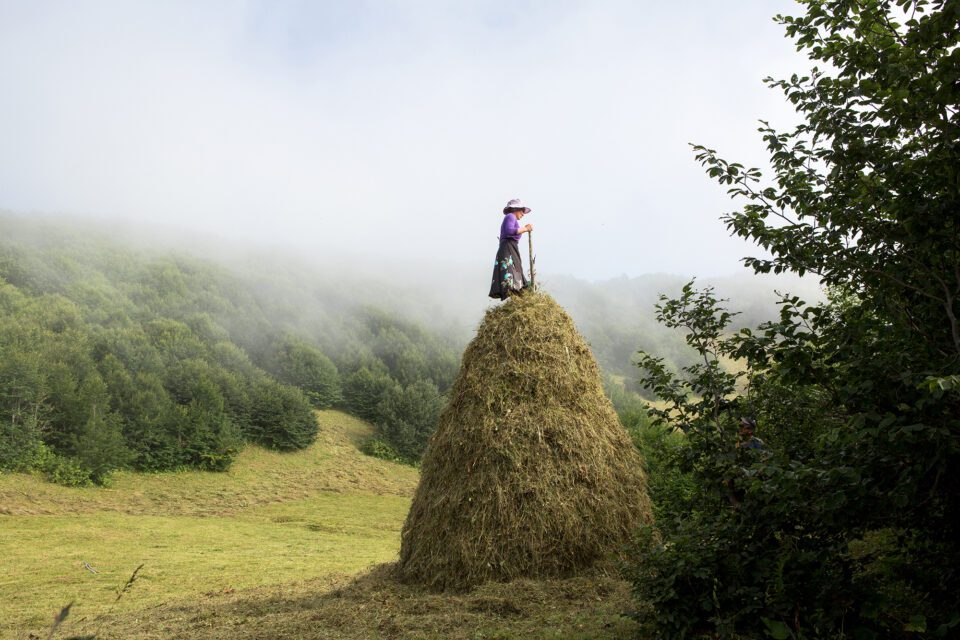
The inclusion of Natalya Saprunova, recipient of the 2022 Marilyn Stafford FotoReportage Award, reinforces the programme’s commitment to supporting photographers beyond moments of recognition. Saprunova’s work reflects the award’s emphasis on immersive storytelling, using photography to explore personal and collective experiences across cultural boundaries. Placing emerging practitioners alongside established figures creates a sense of continuity, demonstrating how photographic traditions are passed on, questioned and reinvented. At a time when digital platforms often reward immediate visibility, sustained institutional support offers an alternative model for developing ambitious creative practices. POST’s focus on mentorship and exchange forms an important part of its wider contribution.
Photography’s expanded cultural role is also reflected through the programme’s engagement with film, publishing and education. The screening of the forthcoming documentary on Marilyn Stafford, followed by a conversation with director Ellie Emptage, considers how photographic legacies are preserved and reinterpreted through moving image. Carol Allen-Storey’s book launch with GOST Books highlights the continuing importance of the photobook as a form capable of creating complex narratives through sequencing and materiality. Nikon workshops and portfolio reviews led by Carolyn Mendelsohn extend this commitment into development, supporting photographers at earlier stages of their careers. Together, these elements position POST as a centre for photographic culture rather than simply an exhibition venue.
POST’s celebration of the Marilyn Stafford FotoReportage Award arrives at a significant moment for photography, when new institutions are creating fresh spaces for the medium to be studied, challenged and experienced. Its importance lies not simply in presenting documentary photography, but in examining the conditions that shape it – who creates images, whose experiences are represented and how those narratives enter public consciousness. By bringing together artists, archives, discussion and education, the programme reflects a broader shift in photography towards a more expansive understanding of the medium’s role within society. At a time when images are produced and consumed at extraordinary speed, POST offers a space for sustained attention and critical engagement. Brighton’s newest photography centre therefore becomes part of a wider international movement, demonstrating that photographs do not merely document the world around us; they influence how that world is interpreted and remembered.
POST, Brighton’s celebration of the Marilyn Stafford FotoReportage Award runs 18 – 20 September: poststudiosbrighton.com
Words: Simon Cartwright
Image Credits:
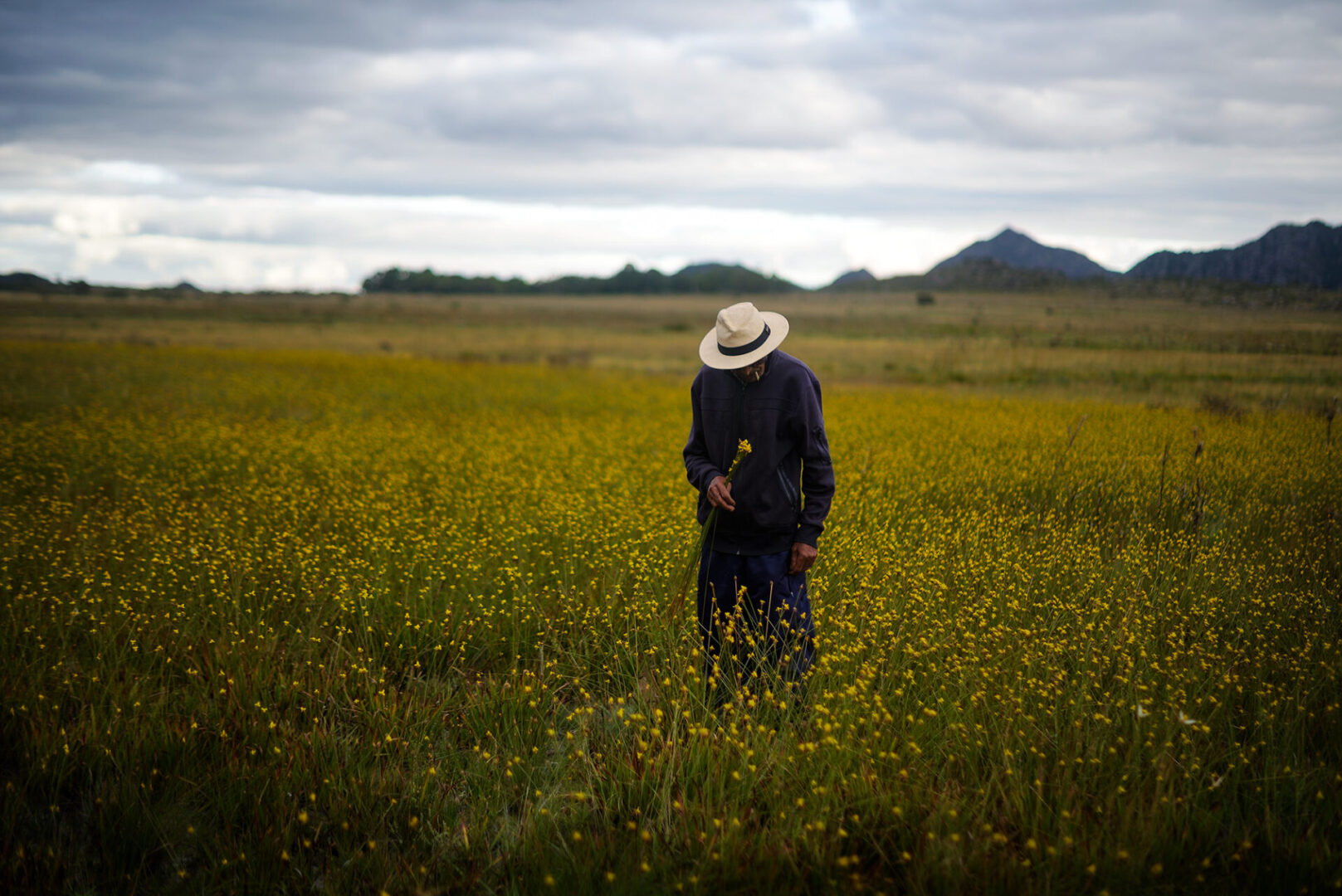
1. Ana Caroline de Lima, Sempre-Vivas.
2. Johanna Alarcón, When the Earth Gives Birth.
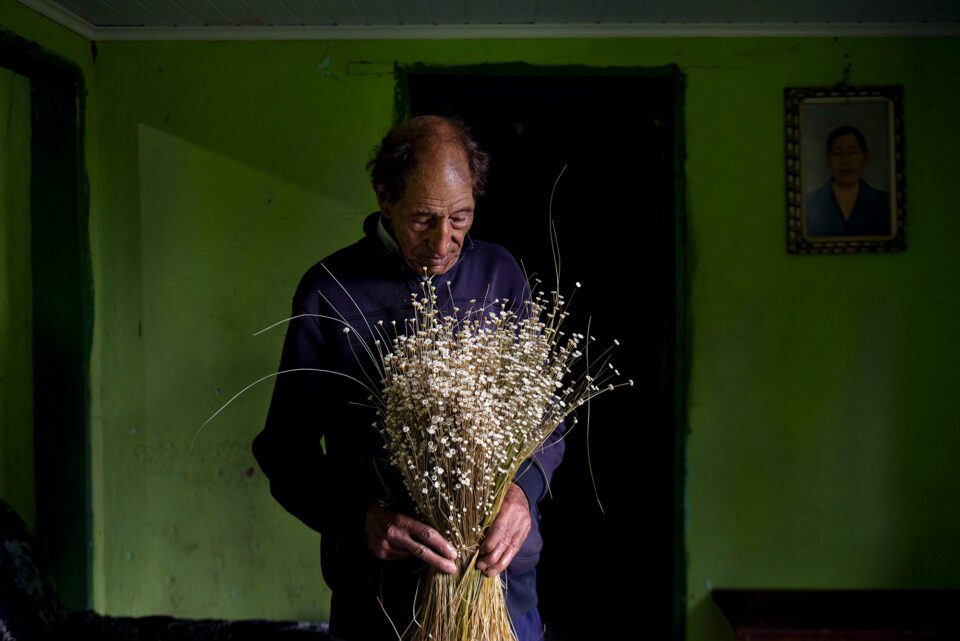
3. Ana Caroline de Lima, Sempre-Vivas.
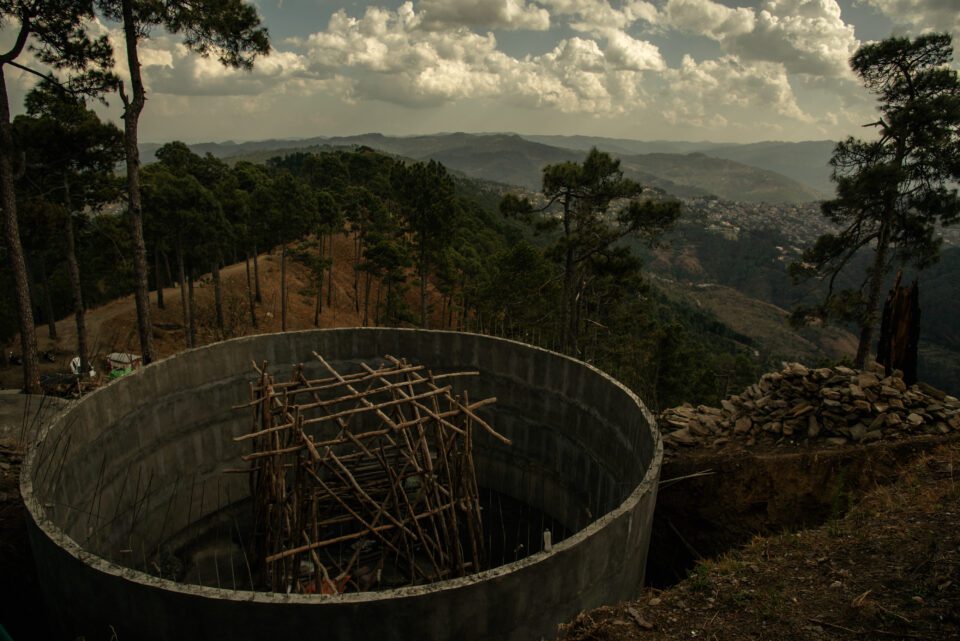
4. Ranita Roy, The Withering Vein.
5. Natela Grigalashvili, The Final Days of the Georgian Nomads.
6. Ranita Roy, The Withering Vein.