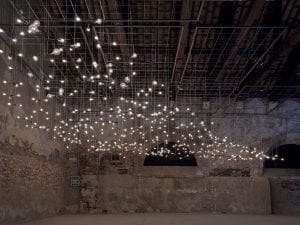
The Maison Guerlain and Lee Ufan Arles Art & Environment Prize launched in 2023 with one mission: to celebrate those who are committed to exploring the links between creativity and the natural world. Winners are chosen by a jury led by Ufan, the celebrated South Korean painter and sculptor recognised for his unconventional artistic processes, and are offered a residency in the heart of Arles – an ancient city on the Rhône River in the Provence region of southern France, famous for inspiring the paintings of Van Gogh. This period culminates in an exhibition that the public can enjoy during the summer months.
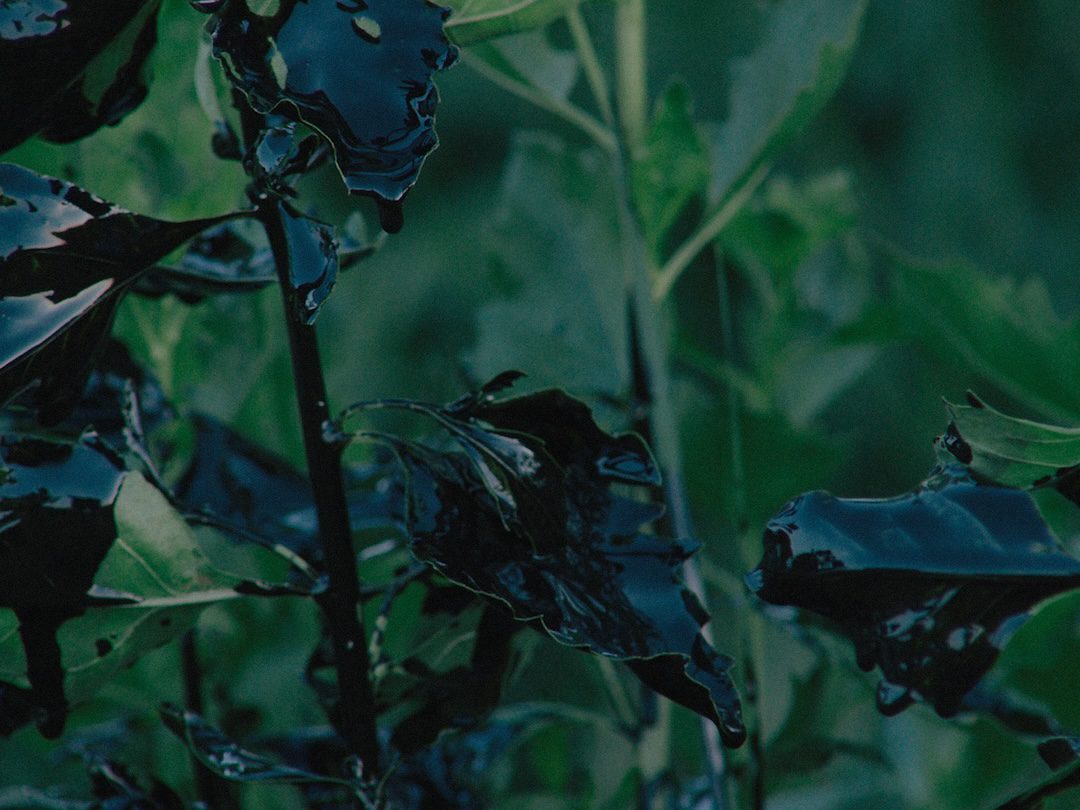
Pooya Abbasian (b. 1985) is the winner of the third edition. The Franco-Iranian artist has been interested in invasive plants, and their impact on ecosystems, for several years. He began his research by filming and photographing Japanese knotweed in the suburbs of Paris, a city in which he has been based since 2011. During his time in Arles, however, Abbasian became interested in the Virginia baccharis – a shrub imported to Europe from North America for ornamental purposes that has since been categorised as a “weed.” It appears on the European Union’s list of invasive alien species of concern, which comprises 65 animals and 49 plants that pose a threat to biodiversity, human health and the economy.
“Part of my practice focuses on places,” Abbasian explains. “I visit sites to see what they have to offer in terms of materials, and I then work with them. I took the same approach with the Camargue region [south of the city of Arles] and all its issues relating to transition, biodiversity and conservation. I arrived there by following a plant [baccharis] that has been classified as a weed. I followed something that was already there to see if this plant, which is invasive, had managed to reach this spot.” And find it he did. Soli-Sombre, the exhibition now on view at Lee Ufan Arles, is the result of these investigations.
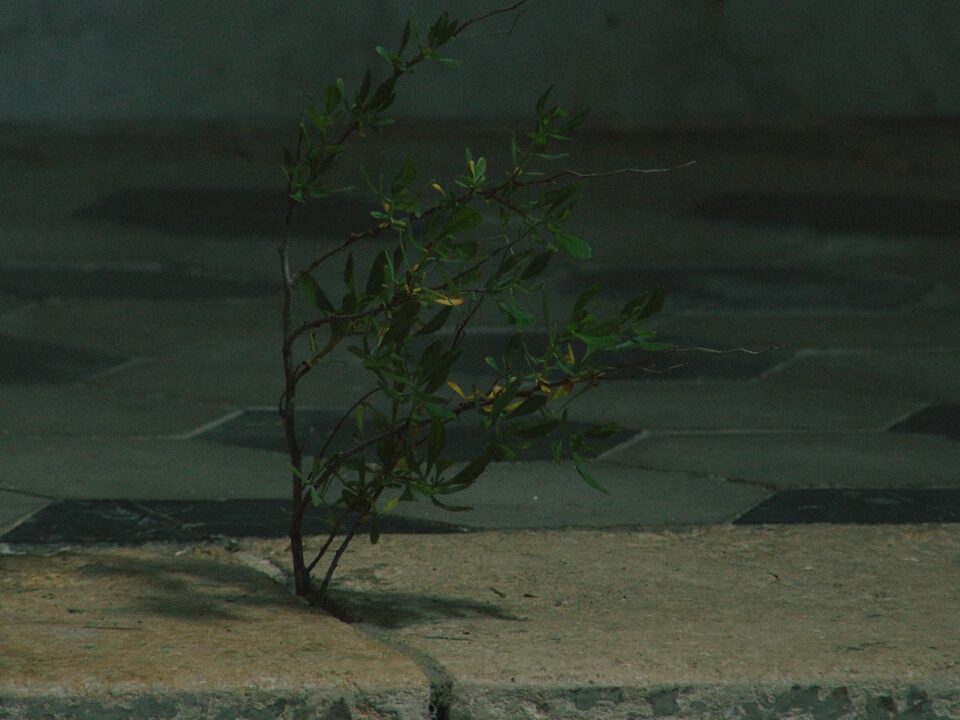
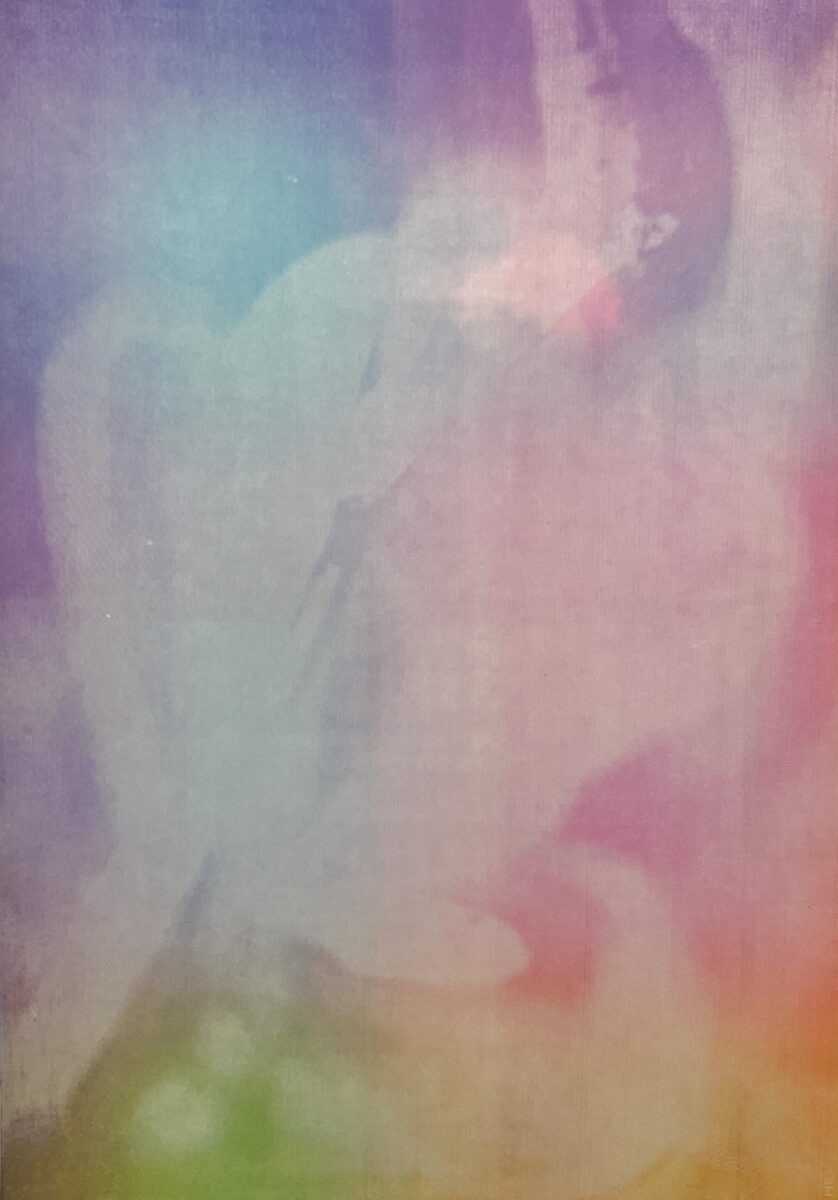
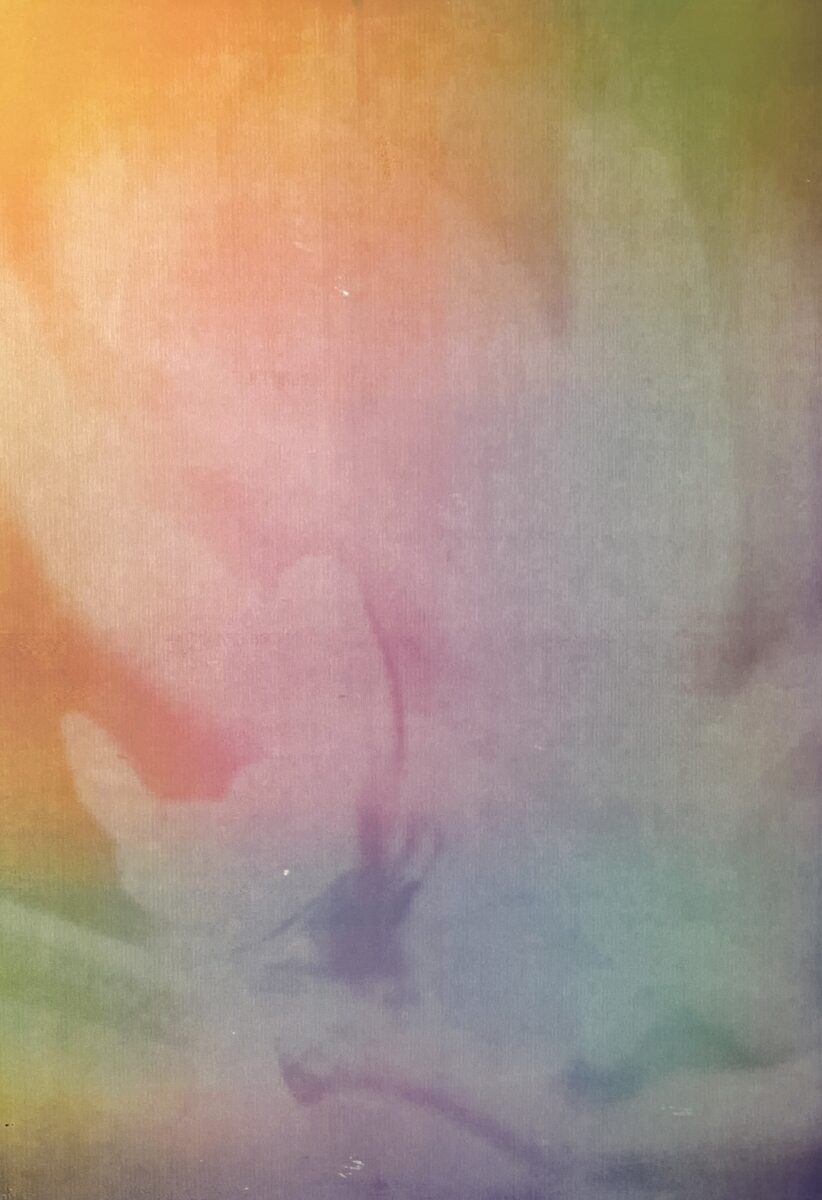
During research, Abbasian discovered that Baccharis poses an interesting ecological duality: it is perceived as a threat to local reeds, yet also offers a site of refuge for certain species of bird living in the region. He incorporates it into Soli-Sombre as a subtle metaphor for the conflicting ways immigration is perceived by society and the media. Having arrived in Paris from Tehran more than 10 years ago, this is something Abbasian has experienced firsthand. “People are afraid of this plant,” the artist reflects. “Perhaps we should instead learn to live alongside it and navigate this transition together.” For the exhibition, he combines traditional art processes, such as bichromate gum printing, with contemporary video projections. The result is a multi-sensory show that encourages audiences to question their relationship with otherness.
“In the face of the climate emergency, art, by appealing to our sensibilities, strengthens our connection to the living world and enables us to better appreciate its complexity and fragility,” says Claire Coletti, Global Sustainability Director of Maison Guerlain. “Abbasian invites us to rethink our perspective on the Arles landscape and on Baccharis, a plant classified as invasive. His work thus becomes a space for collective experience that prompts us to question the place of a plant within an ecosystem and, more broadly, that of any individual within society. It also shows us that biodiversity is a form of humanism.”
Pooya Abbasian, Soli-Sombre. is at Atelier MA – Lee Ufan Arles until 4 October.
Words: Eleanor Sutherland
Image Credits:
1. Video screenshot, Soli-Sombre, 2026 © Pooya Abbasian
2. Pooya Abbasian, Instable copies, 2026
3. Pooya Abbasian, Instable copies, 2026
4. Video screenshot, Soli-Sombre, 2026 © Pooya Abbasian