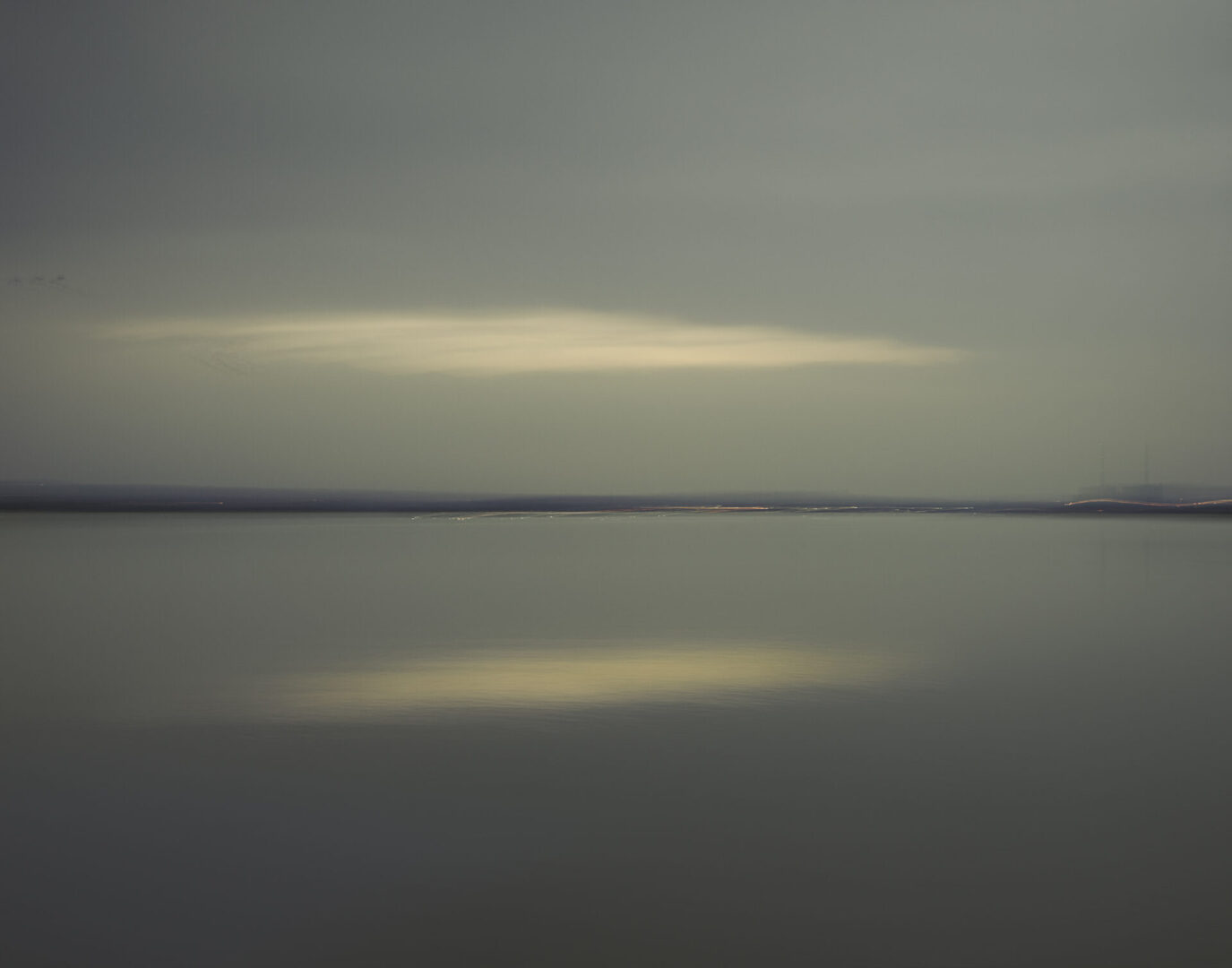
The Thames Estuary is the point where the River Thames meets the waters of the North Sea. The coastal area has been the subject of countless artistic portrayals. In the opening pages of classic novel Heart of Darkness (1899), Joseph Conrad wrote that: “The sea-reach of the Thames stretched before us like the beginning of an interminable waterway. In the offing the sea and the sky were welded together without a joint…a haze rested on the low shores that ran out to sea in vanishing flatness.” In art, legendary romantic landscape painter J. M. W. Turner frequently studied the shifting light, mists and commercial traffic in the area, whilst in more recent years, Michael Andrews’ Thames Painting: The Estuary captures the area with a group of figures from a Victorian photograph. The latest artist to pay homage to the waterway is Nadav Kander, whose new book Dark Line – The Thames Estuary features images taken between 2015 and 2024.
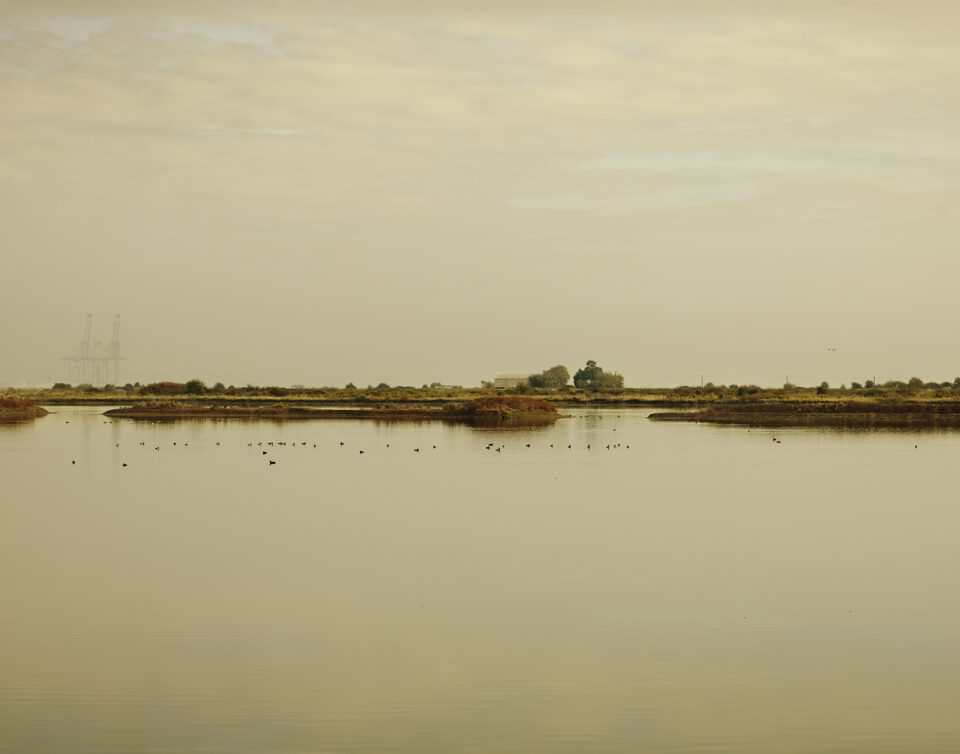
Each featured photograph brings together the landscape of the estuary and the humna history embedded within in, a place “out of sight of the capital,” as Kander puts it. The artist works slowly, often spending hours until dusk making long-exposure images. Back in the studio, he revisits and reprints the images again and again, sometimes over several years, refining each one until it reaches what he describes as “feeling like water.” Throughout Dark Line, the estuary appears as a shifting threshold between land and sea. At times, the tide is high and the air crisp; at other times, dense autumn weather veils the landscape, dissolving it into muted yellow tones. Across the changing seasons, the photographs reveal moments where land, water and sky become almost interchangeable, moving towards something universal.
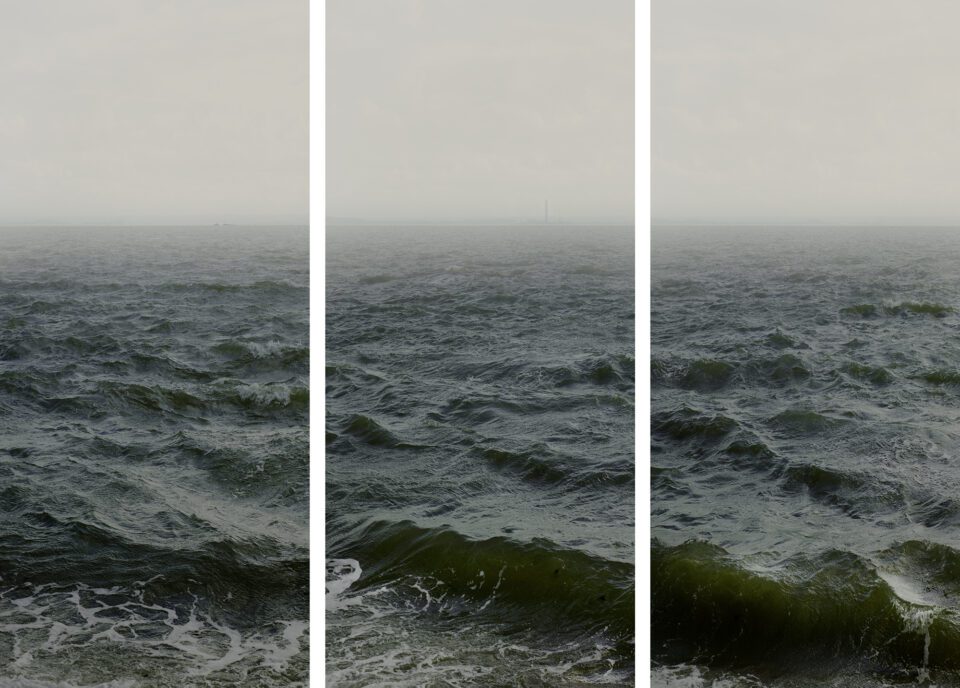
Readers are treated to pictures that feel vividly alive – something that perhaps would be unexpected for a book that focuses on an inanimate body of water. Yet, there are traces of life everywhere, from actual houses and flocks of birds to the vibrant, expressive waves that feel almost like they have a personality. Kander’s long exposures are particularly effective in capturing movement, where hazy waves shimmer and patches of flog blur the horizon. One arresting moment comes towards the end of the publication, where a tryptic of thin images reveal a fiery orange smudge foregrounded by a turquoise sky. It’s not clear what it’s showing – actual flames, or an intensely bright sunset. Their lack of clarity leaves space for readers to admire the colour and brings into focus the time and patience that Kander pours into each photograph.
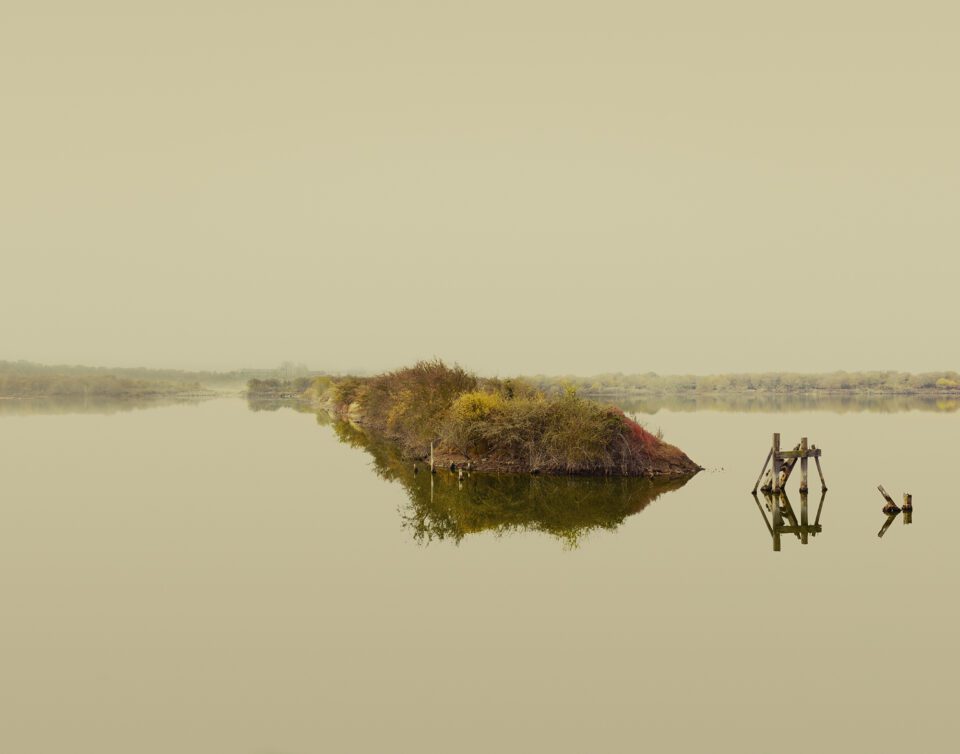
The pictures depict a place of deep historical resonance, from the eras of empire and trade to those of Brexit and migration. Once a bustling industrial corridor, the estuary is now a quiet landscape of marsh and mud layered with social, military and political history. For centuries it has been a gateway to Britain, home to naval docks, trade routes and shifting borders through which goods and people have travelled. Yet despite the weight of history, the photographs remain rooted in atmosphere, texture and abstractio. Kander explains: “These are pictures that don’t divulge much and this is true of all my work. I wanted to add texture for a viewer and did so by hinting at the journey one might take while looking at a picture that is invariably water and sky. I hope that the way I feel about the works can be transferred to another, and that they feel the weight of history and past generations on the silt and the water in my pictures.”
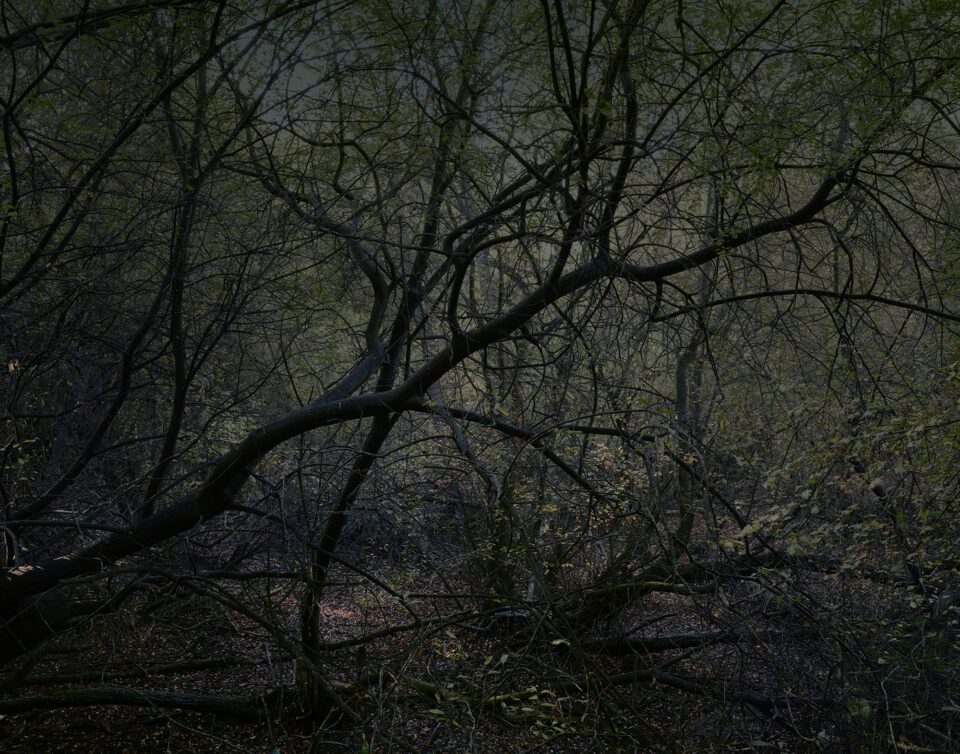
Kander has a distinctive artistic voice, having produced some of the most mesmerising landscape work in contemporary art. The artist holds a singular ability: to take a seemingly quiet and unassuming scene, like the tranquil surface of the Thames Estuary, and make it tell a universal story about human experience and the natural landscape we exist within. Within those waterways, Kander teases out history, politics and culture, reminding us that our shared past is always around us, even if it’s hidden under the surface.
Nadav Kander: Dark Line – The Thames Estuary will be published by GOST Books in September.
Words: Emma Jacob
Image Credits:
1. Horizons XXXI (Cliffe towards Mucking), England, 2016 © Nadav Kander. Courtesy Howard Greenberg & Flowers Gallery.
2. Water IX (Cliffe Pools towards the Hope), England, 2016 © Nadav Kander. Courtesy Howard Greenberg & Flowers Gallery.
3. Water III, part 1, part 2 & part 3 (Shoeburyness towards the Isle of Grain), England, 2015 © Nadav Kander. Courtesy Howard Greenberg & Flowers Gallery.
4. Water VIII (Cliffe Pools towards the Fort), England, 2016 © Nadav Kander. Courtesy Howard Greenberg & Flowers Gallery.
5. Untitled XIII (Chalk Quarry), England, 2016 © Nadav Kander. Courtesy Howard Greenberg & Flowers Gallery.