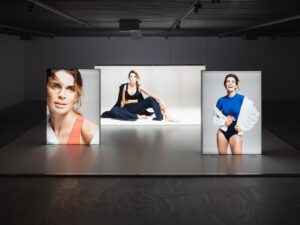
Mudam Luxemburg presents the first European exhibition dedicated to women artists from Japan, spanning the period from postwar to the turn of the 21st century. Kaihō: Japanese Women Artists after 1945 explores radical modes of artistic expression that emerged in the country and its global community across Asia, Europe, United States and Brazil. Drawing from the artists’ personal lives, creative resilience and activism, the show brings together more than 120 works by Atsuko Tanaka, Mao Ishikawa, Ruth Asawa, Yoko Ono, Fujiko Nakaya, Tomie Ohtake, Yoshiko Shimada, Mariko Mori and Chiharu Shiota, among many others – some of which have rarely, if ever, been displayed outside of Japan. The show takes its name from a term meaning “breaking free,” honouring the emotional, political and conceptual tensions of a time and place, whilst reflecting Mudam’s commitment to broadening established narratives.
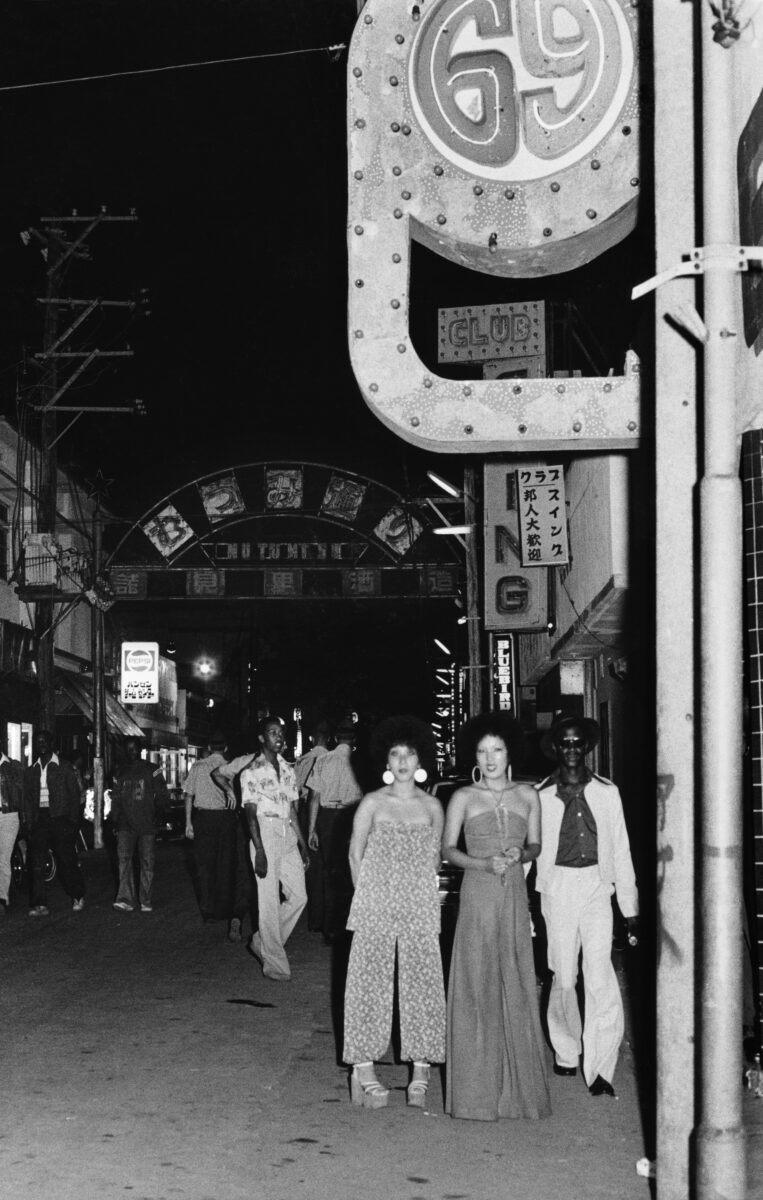
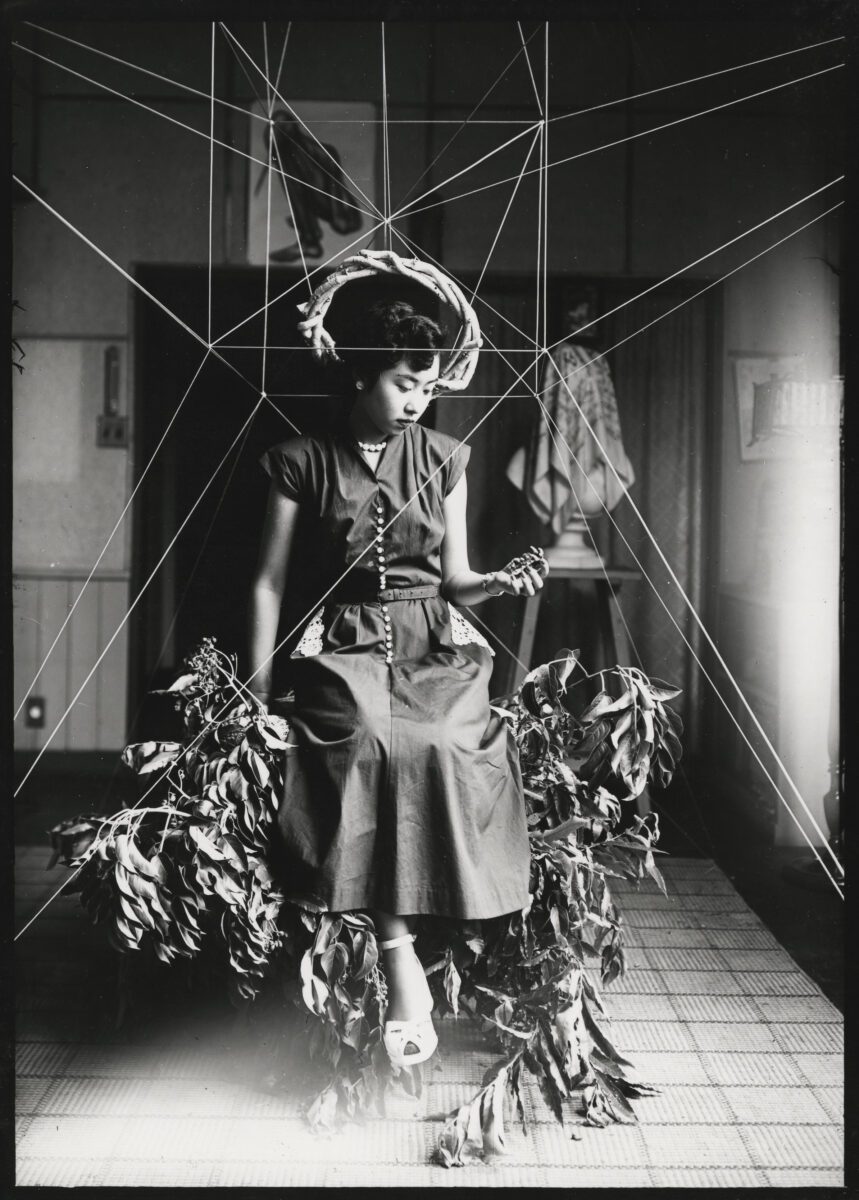
The exhibition begins with a prelude: Saori Akutagawa’s rare and striking portraits from her Women (1954) series, illuminating the hopes, tensions and transformations of postwar Japan, a moment when the emergence of a new democratic society created expanded opportunities for women artists. This display gives way to Witnessing History, the first chapter of the exhibition that features the exceptional loan of a 1950 Hiroshima Panel by Toshi and Iri Maruki. The husband and wife creative duo produced something truly remarkable with the panels, a collection of 15 painted works, completed over 32 years, which depict the consequences of the atomic bombings of Hiroshima and Nagasaki. The piece is presented in dialogue with subsequent generations of artists – Mao Ishikawa, Taeko Tomiyama, Yoshiko Shimada – who confronted the entangled histories of gender, war, empire and national memory.
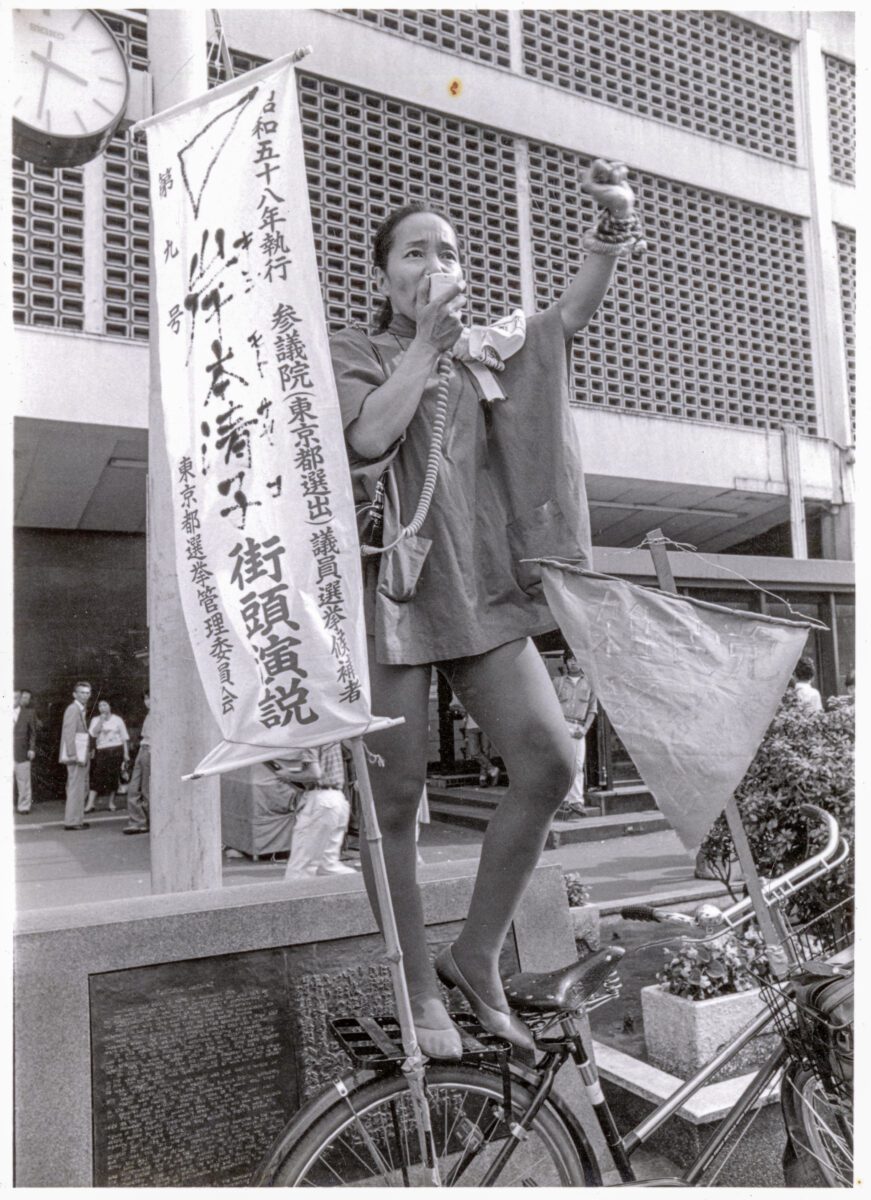
In the 1950s and 1960s, Japan experienced rapid industrialisation, modernisation and economic growth, which is the focus of Mudam’s second chapter. New Abstraction stages a remarkable ensemble of Atsuko Tanaka’s paintings of concentric circles from the 1960s, evoking electrical currents and interconnected circuits. This section uses abstraction to rethink the relationship between humanity, industry and utopian imaginaries, presenting metal and kinetic sculptures by Tsuruko Yamazaki and Minami Tada alongside the abstract practices of Tomie Ohtake and Shizuko Yoshikawa. Meanwhile, Self Discovery considers how artists like Tari Ito and Sayako Kishimoto used photography, performance, video and mixed media installation to communicate changing ideas about gender, femininity and cultural identity in Japan and beyond.
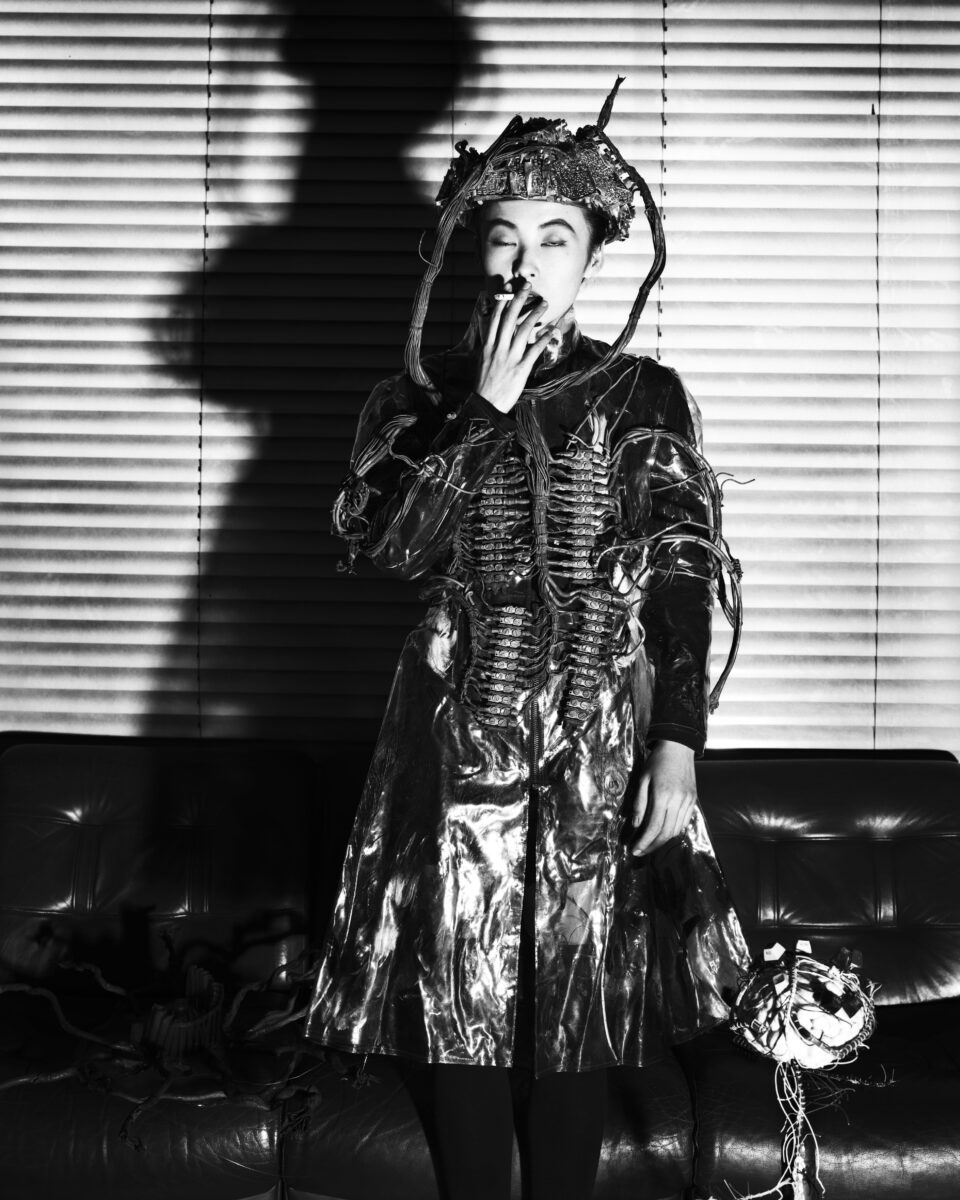
Audiences end the show with Environmental Consciousness, focusing on artists engaging with ecological issues and the interdependence of living systems. Moving between media technologies, industrial residues, atmospheric environments and earth-based processes, this final chapter includes Shigeko Kubota’s media fountain Niagara Falls I (1985), a pioneering video sculpture that merges natural landscapes with electronic technology. Also featured is Yayoi Kusama’s early Infinity Room: Fireflies on the Water (2000), a piece that takes on new significance after the recent announcement of the artist’s death at the age of 97.
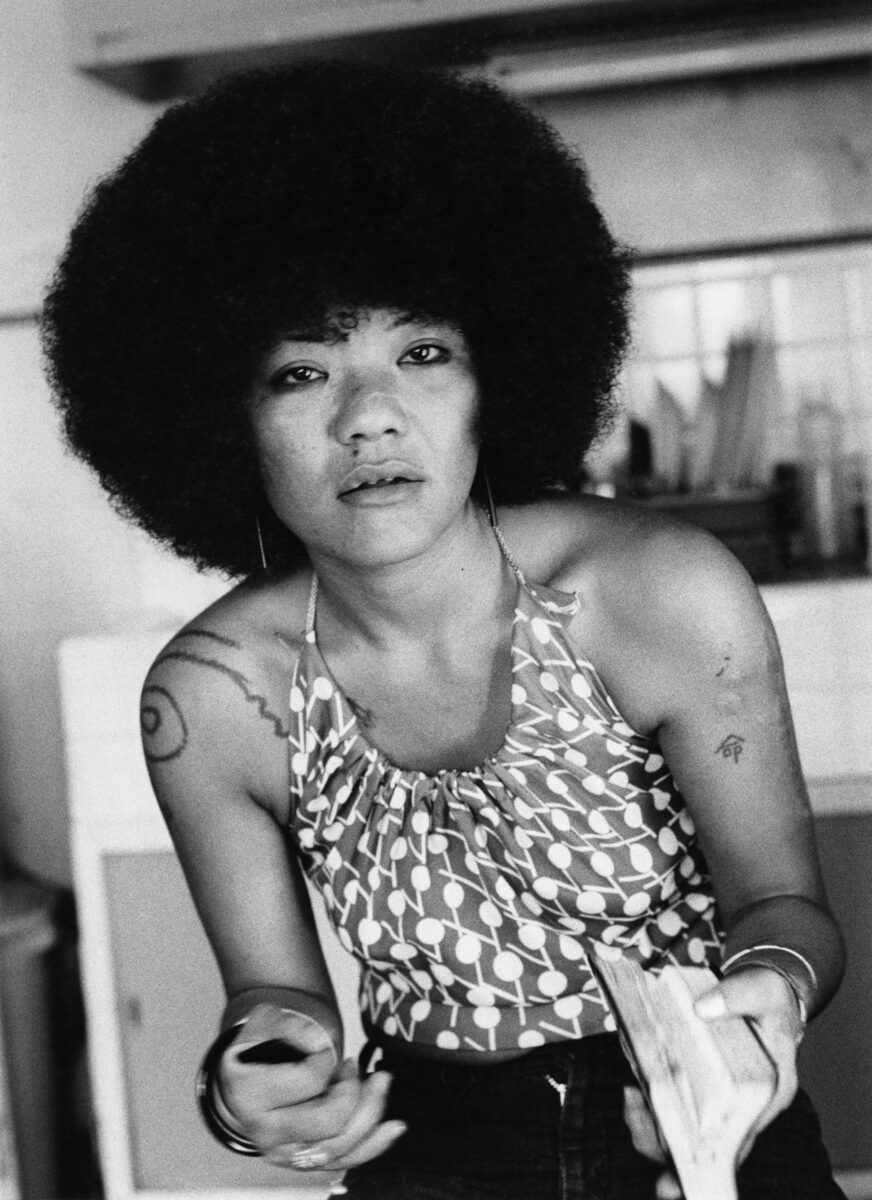
Mudam’s latest show is truly ambitious in scope, successfully creating a through line between artists from different generations and with wildly different practices. It’s refreshing to see these women practitioners placed at the centre of international conversations about contemporary art and their influence fully appreciated. In bringing this show to Europe, the gallery does something vitally important: brings international attention to hugely influential figures that have, for too long, been overlooked by the canon.
Kaihō: Japanese Women Artists after 1945 is at Mudam, Luxembourg from 25 September – 14 February: mudam.com
Words: Emma Jacob
Image Credits:
1. Hideko Fukushima. Outtakes from Kiyoji Otsuji’s Portrait of the Artist, 1950. Courtesy YOKOTA TOKYO/ Musashino Art University Museum & Library, Tokyo.
2. Untitled, from the series ‘Red Flower’ (Akabanaa), 1975–77, gelatin silver print, 30.1 × 25.1 cm (11.9 × 9.9 in.) © Mao Ishikawa/Private collection/ Courtesy POETIC SCAPE, Tokyo, Japan.
3. Sayako Kishimoto’s street speech for the House of Councillors election, 1983 © Mihoshi Yasui/Courtesy Nagoya City Art Museum, Aichi, Japan.
4. Portrait of Seiko Mikami, 1989. Photo: K. Kurigami.
5. Mao Ishikawa, Untitled, from the series ‘Red Flower’ (Akabanaa), 1975–77, gelatin silver print, 30.1 × 25.1 cm (11.9 × 9.9 in.) © Mao Ishikawa/Private collection/ Courtesy POETIC SCAPE, Tokyo, Japan.