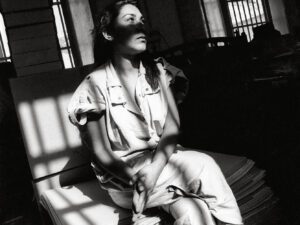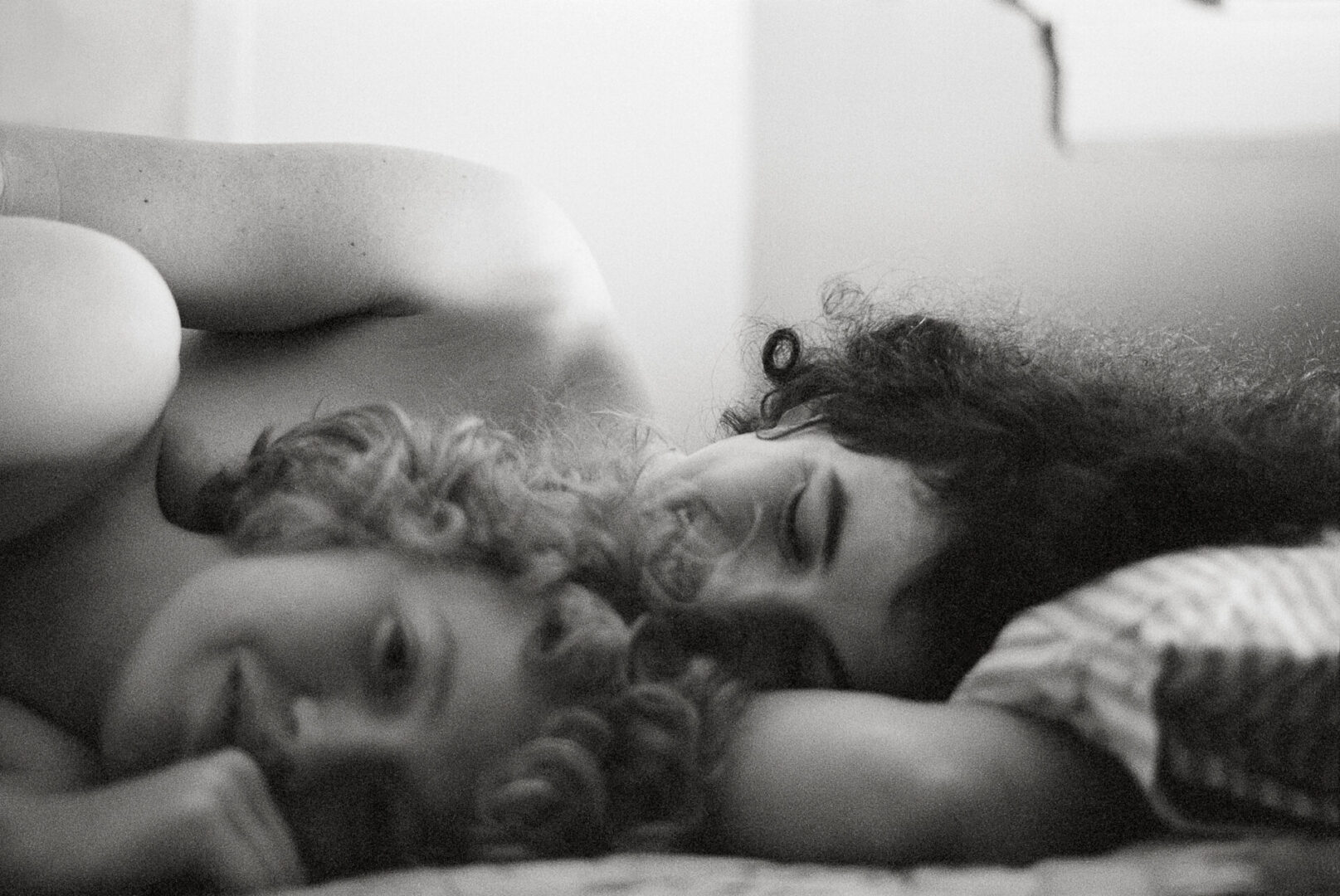
Donna Gottschalk (b. 1949) grew up in the tenements of New York’s Lower East Side in the 1950s, where she spent much of her time wandering the streets and observing her neighbours. This backdrop, often violent and homophobic, shaped her and the way she saw the world: raw, real and up close. She began photographing as a teenager, at the same time she became involved in the early lesbian, trans and gay rights movements. Here, she turned the lens on the daily lives of her chosen family – friends, lovers, siblings and fellow activists. The result is a tender portrait of people living on the margins, at a time when gay relationships were still illegal in the US. We Others, on display at The Photographers’ Gallery, London, brings together these documentations with the writing of French art theorist and curator Hélène Giannecchini, forming a dialogue across generations about visibility, memory, remembrance and the courage to be seen. We caught up with the photographer to chat about what it means to have her work on display to an international audience, several decades after they were first taken.
A: Tell us about how you first started working as a photographer?
DG: I began as an art student, mostly drawing and painting. I took my first photography course at Cooper Union in New York, using a gifted camera from a friend. My friends and family were my first subjects and I suppose that never changed. The work was very personal.
A: How did your childhood in the tenements of New York’s Lower East Side in the 1950s shape your worldview and approach to image-making?
DG: By the 1960s, Alphabet City was a dangerous place. In my family, we were coached to be hyper-alert to everything happening around you, as protection. In a way, this gave me an excuse to investigate all the human dramas that took place in the neighbourhood. My mother earned a living in her beauty parlour and not much went on that wasn’t talked about in her shop. Looking back now, I’m very sorry I did not own a camera in the 1950s and 1960s. I can remember all the people from those times, but I have few pictures. Alphabet City was a place where misfits gravitated. I was a nosey, annoying child and found anyone who didn’t come from New York City to be exotic. My family would analyse every twist and turn in the neighbourhood drama. In some ways my photo work was just a continuously developing story.
A: We Others displays photos and texts by Hélène Giannecchini. How did this collaboration come about?
DG: I received a phone call from a very earnest sounding young French woman who had seen my work at the Leslie-Lohman Museum of Art, New York. The show was entitled Brave, Beautiful Outlaws and was brilliantly curated by Deborah Bright. Hélène had also seen my work in Paris at the Marcelle Alix gallery. She wanted to visit me in Vermont, so travelled for six hours by bus to get there and we talked for days. By the end of this time, I agreed to anything Hélène wanted to do. I trusted her completely.
A: The exhibition foregrounds lives that were lived on the margins of official history. What responsibilities do you feel when transforming lived experience into cultural record?
DG: I have always felt a responsibility to protect the precious and often secret memories that have been shared with me. Until very recently, all I could do was protect the negatives.
A: You’ve described the people you photographed as “brave and defiant warriors.” Are there any subjects or encounters that stand out to you as particularly memorable?
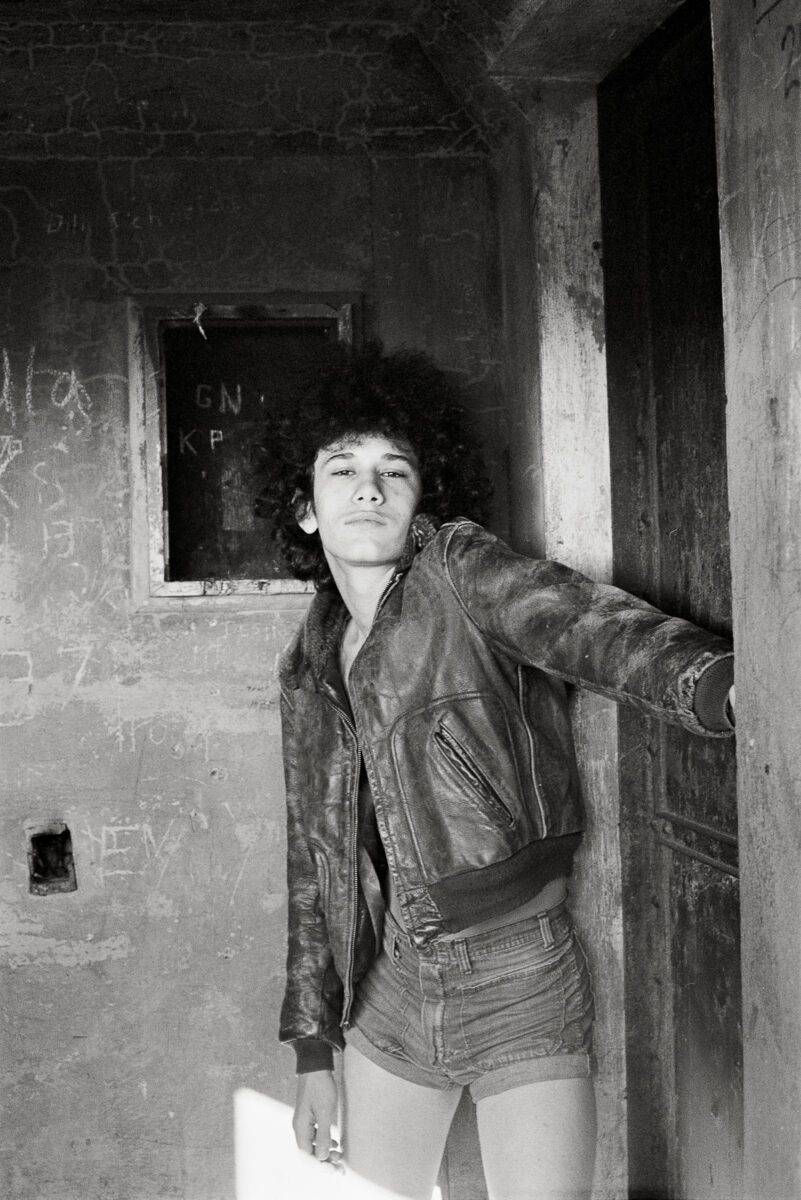
DG:I have many memories, as told to me by the people I have chosen to photograph. We shared many conversations that today would come under the heading of “survival and resistance,” but back then, we would have referred to these episodes as “close calls.” We’d share advice about how to recognise straight allies from malicious straights and learn how to keep your antennae up for incoming trouble. Remember, I am talking about more than 60 years ago. For instance, in high school, women still had to wear skirts and your personal life was often a web of protective lies. One tends to forget how difficult and lonely simply navigating through a work day could be. I will tell you one particularly rough time that someone I photographed, Marlene Elling, had to live through. By the time she was 14, Marlene had already spent time in the Juvenile Detention System. One afternoon, Marlene was at the latest of her incarceration when the warden, a woman in her 50s, called her back into the office to address an oversight. ”Oh, by the way, your mother passed away last week …..blah, blah, blah.” No word of condolence, no sympathy. Marlene was stunned. There was of course the shock of losing the only adult in her life that loved her, but also by the callous way the news had been delivered. Marlene ran away from the Reform School and made her way to San Francisco, where she worked as a protector to a group of hookers. Marlene was not tough or mean, but because of her butch looks she could fake a menacing appearance when it was needed.
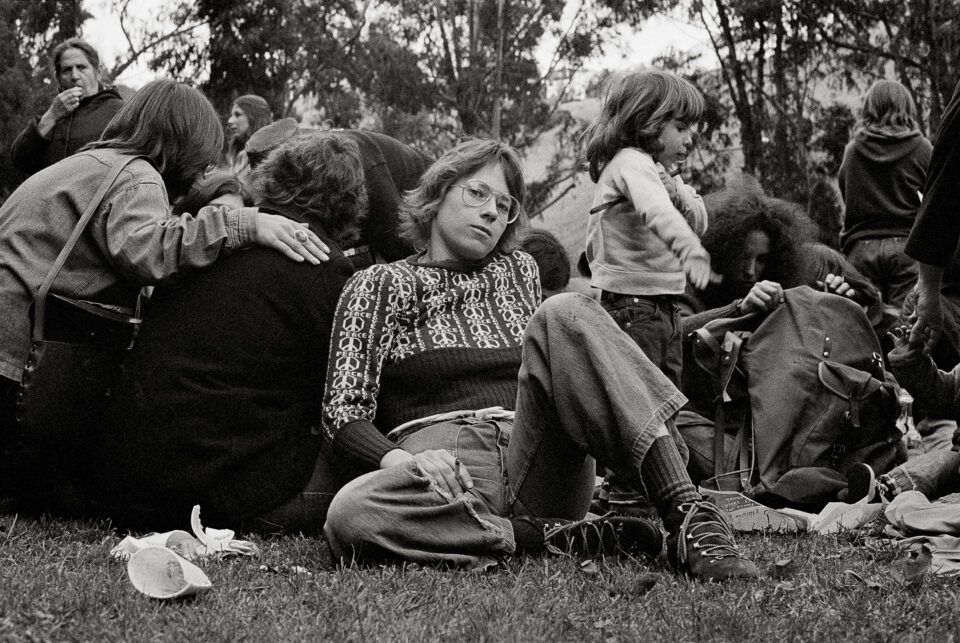
A: A recurring theme in your work is that depiction of domestic spaces: beds, shared rooms, moments of rest. What did these private interiors offer that the streets could not?
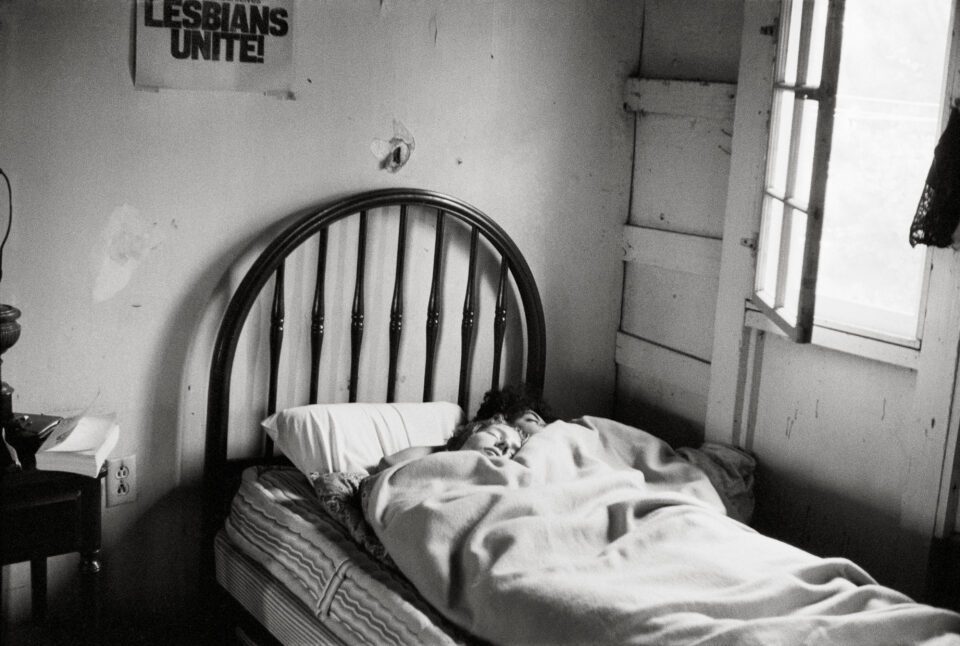
DG: Yes, most of my portraits were taken of interiors and private spaces, where, once the doors were locked, one could relax and feel safe to talk and love. Within those private spaces were also photographs hung on the walls or placed around the room, which helped to shape the narrative and give more context.
A: You photographed lovers, friends, chosen family. What role did trust play in this?
DG: At the time that these photos were taken there was little chance that they would be seen or appreciated beyond my circle of friends. I entered no shows or venues. But even knowing that they weren’t for wide viewing, I felt that I’d conveyed their right to be valued and for me that was a big achievement.
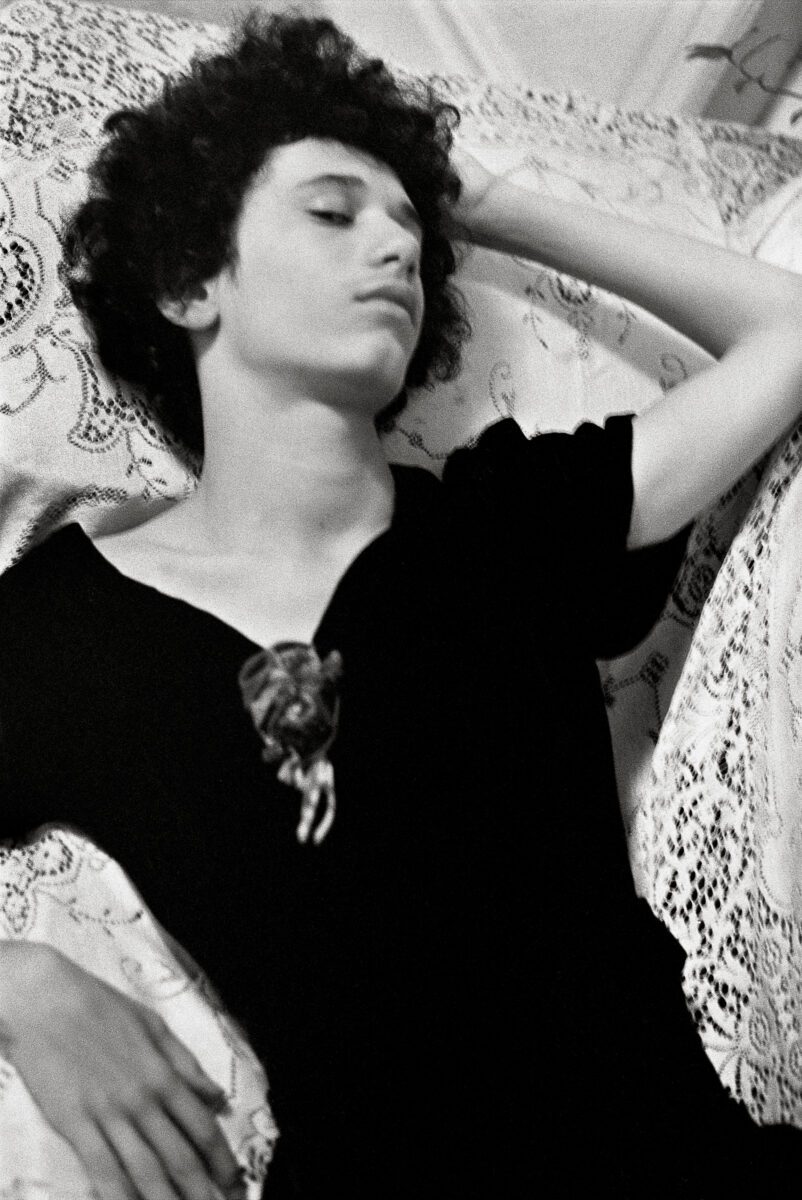
A: Did your work feel like activism from the start, or did it become political over time?
DG: I definitely experienced a wonderful thrill from the beginning. One thing I did recognise, even then, was that my photographs were tender and loving. I had managed to tap into the way I felt about my subjects: that they were beautiful lovers and deserved a loving touch. That was political enough for me.
We Others: Donna Gottschalk and Hélène Giannecchini is at The Photographers’ Gallery, London from 6 March – 7 June: thephotographersgallery.org.uk
Words: Emma Jacob & Donna Gottschalk
Image Credits:
1. Donna Gottschalk, Self-portrait with JEB, E. 9th Street, New York, 1970. Courtesy of the artist and Marcelle Alix, Paris © Donna Gottschalk.
2. Donna Gottschalk, Lesbians Unite, Revolutionary Women’s Conference, Limerick, Pennsylvania, October. 1970 Courtesy of the artist and Marcelle Alix, Paris © Donna Gottschalk
3. Donna Gottschalk, Myla, Sausalito, California, 1972-1973, Courtesy of the artist and Marcelle Alix, Paris © Donna Gottschalk.
4. Donna Gottschalk, San Francisco, June 1972.
5. Donna Gottschalk, Myla, 16 years old, Mission District, San Francisco, 1972, Courtesy of the artist and Marcelle Alix, Paris © Donna Gottschalk.