We exist in an extraordinary moment. The past decade has been shaped by the rapid expansion of social media, the emergence of artificial intelligence and a global pandemic that fundamentally altered how we understand connection, education, work and social life. Layered onto this are ongoing political and economic uncertainties, creating a world in near-constant flux. It is within this landscape that a new generation of artists has come of age, using the lens as both witness and compass. These emerging voices are being brought into focus across institutions and galleries worldwide. Their work navigates a shifting terrain in which identity, memory and place feel increasingly unstable, and perhaps always have been. Photography becomes a means of orientation, allowing artists to reflect, resist and reimagine the world around them. Today, we spotlight five exhibitions on display this January, that together offer a portrait of contemporary image-making and insist on photography’s enduring power.
New Photography 2025: Lines of Belonging
MoMA, New York | Untill 17 January
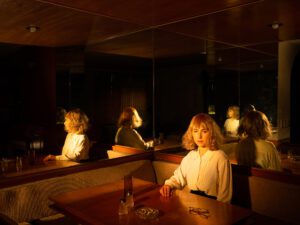
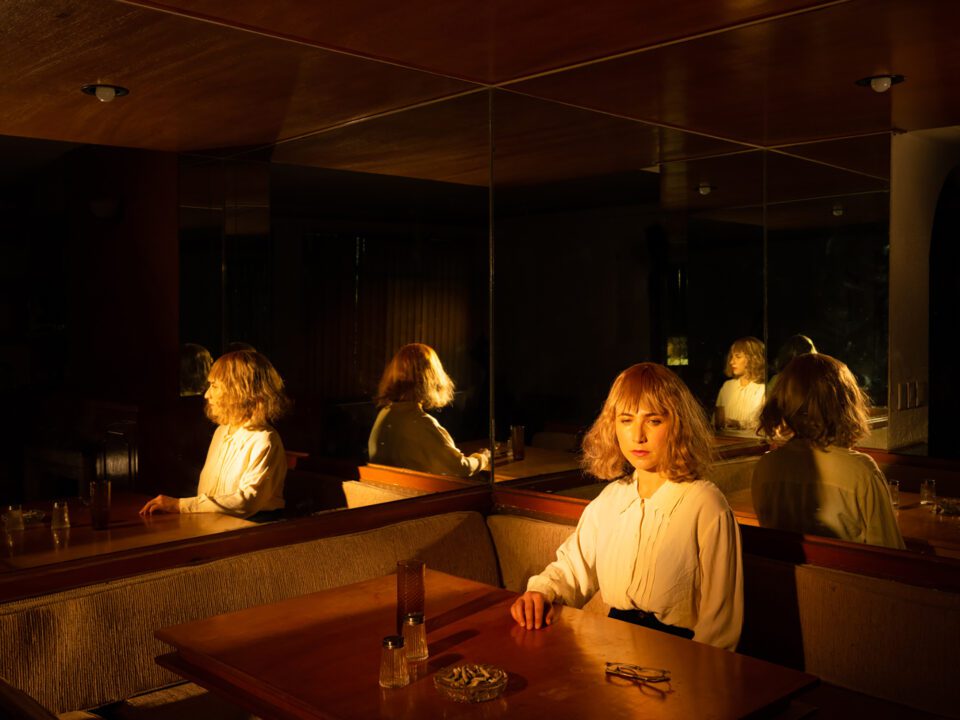
“Love is the key that takes cultures from oppression to joy.” These are the words of South African artist Sabelo Mlangeni. They are also the foundation of the 40th edition of MoMA’s New Photography, an annual exhibition of contemporary photography at the internationally acclaimed museum. Lines of Belonging brings together 13 artists and collectives working in cities that have existed as centres of life, creativity and communion for longer than the countries in which they are located: Kathmandu, New Orleans, Johannesburg and Mexico City. Some practitioners weave personal stories within broader political histories, whilst others reimagine the archive to disrupt narratives of the past and imagine future communities. Highlights include Tania Franco Klein’s cinematic shots, which examine the anxieties of modern anxieties that come from a life online with a constant fixation on self-improvement and productivity. Meanwhile, South African artist Lindokhule Sobekwa describes that their work “often asks what does it actually mean to be born free in a society where the legacy of apartheid is still present.”
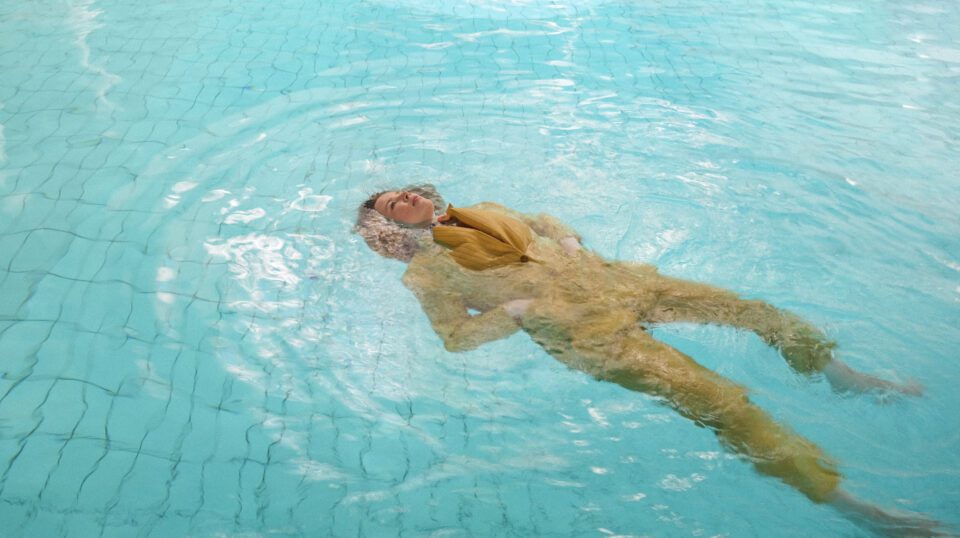
Photo Elysee, Lausanne | Until 1 February
There are varying definitions of what it means to be part of “Generation Z.” Roughly, it’s the cohort of people born between 1997 and 2012, the group who came of age during the dawn of smartphones and social media, navigating a global pandemic as they came of age. Photo Elysee’s Gen Z – Shaping a New Gaze spotlights 66 artists from around the world who fall into this category. The show is an immersion into the concerns and aspirations the younger generation, from the climate crisis and political upheaval, to shifting gender norms, body image, inherited trauma and displacement. The lineup includes Ziyu Wang, whose Go Get’Em Boy deconstructs the performative masculinity expected of him by his father. Laurence Philomène’s contribution also tackles gender expression, celebrating trans existence through highly saturated, cinematic and vulnerable images. Elsewhere, Emma Sarpaniemi explores definition of femininity through humorous and performative self-portraits. Gen z – Shaping a New Gaze spotlights artists who use the lens to assert their need for representation and their desire to speak out in an unstable global context.
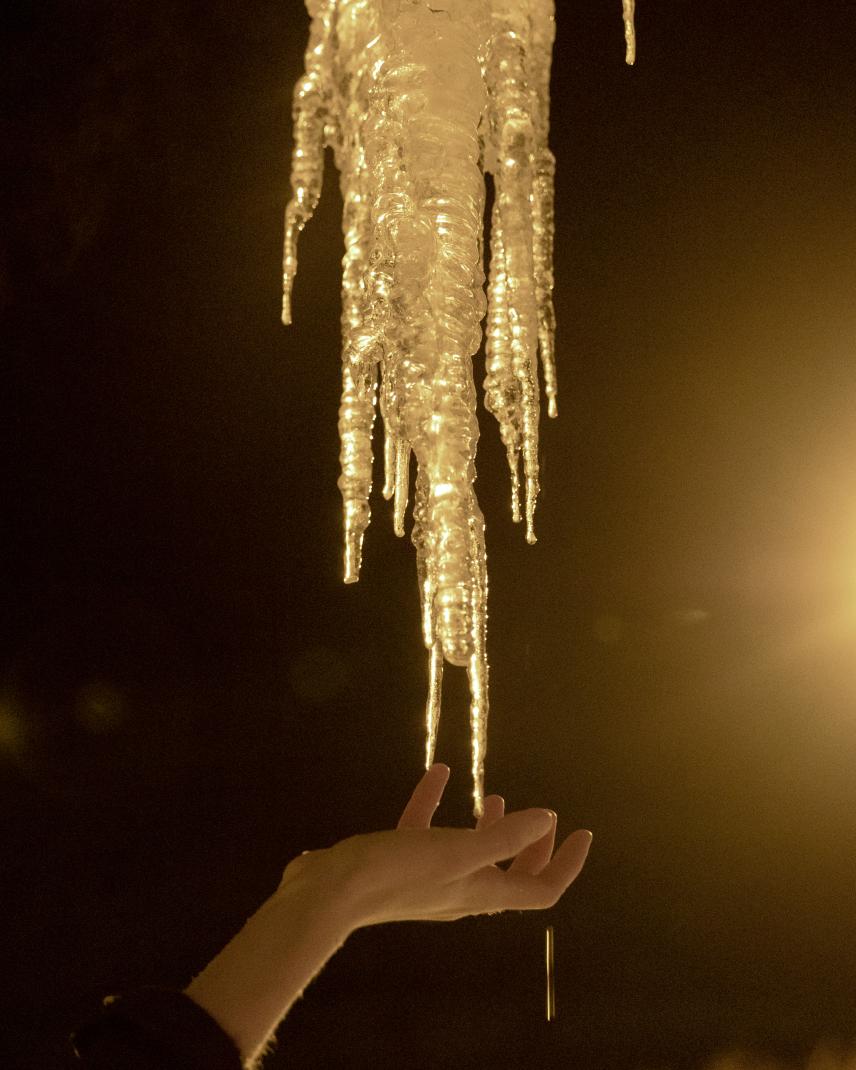
Fotografisk Center, Copenhagen | Until 25 January
Each year, Fotografisk Center presents Young Danish Photography, showcasing emerging talents and trends on the art scene. The exhibition, which has occurred since 1998, features eight exciting new practitioners, including Frederik Brogaard, Rasmus Degnbol and Tilde Døssing. This edition brings together figures who are pioneering new methods for documenting the impact of the climate and biodiversity crises and human exploitation of natural resources. It is to be expected that new artists turn their attention to this topic, which has provided an existential threat for most of their lives. In particular, they consider how these often intangible events – such as rising sea levels, air and marine pollution, whaling and global warming – can be made concrete, visible and present through photography and video. Guest curator Dansk Dokumentarisme says: “With this exhibition, we hope to celebrate a more nuanced and intelligent visual language capable of embracing the abstract and diffuse issues confronting us. This is, in our opinion, the overriding challenge facing documentary photography in the years to come.”
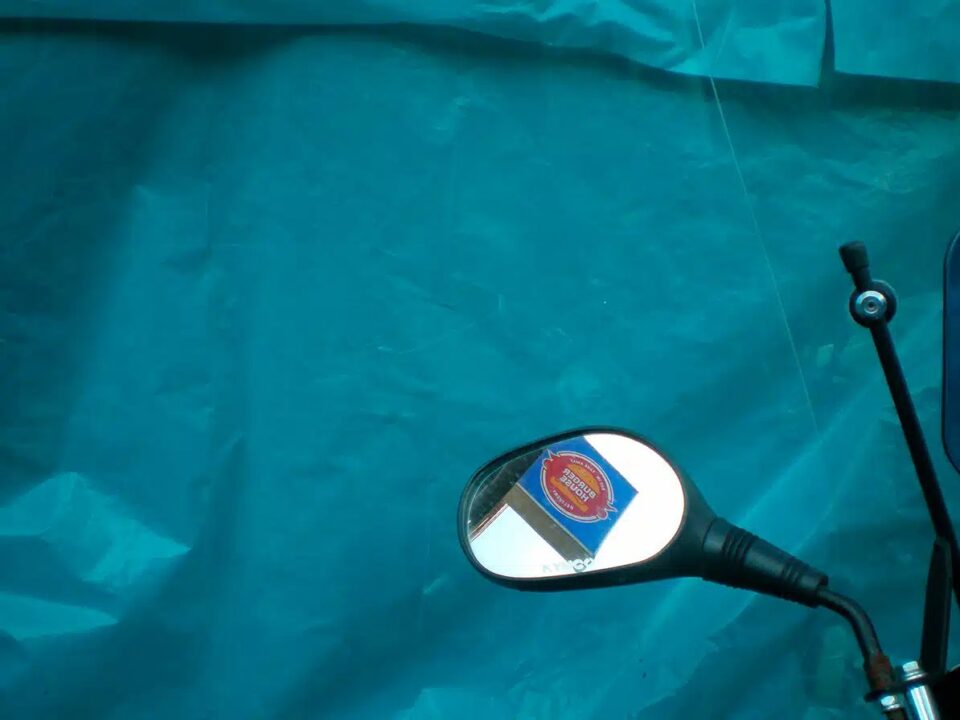
Young: Youth in Australian Photography 1980s to Now
Museum of Australian Photography, Melbourne | Until 22 February
The Museum of Australian Photography holds an extraordinary and ever-evolving record of how we see ourselves and each other. Their archive – the only public collection solely dedicated to photography in Australia – contains some of the nation’s most vital image-makers. Young: Youth in Australian Photography asks visitors to consider the role of the camera in both capturing and influencing the story of growing up. It captures the fleeting and formative, reflects cultural ideals and anxieties and constructs the very image of youth itself. Interestingly, the show goes beyond the experience itself, questioning how our early years are performed, remembered and mythologised. There’s a nostalgic, almost dreamy quality to many of the featured works, like Naomi Hobson’s series Adolescent Wonderland (2019), which sees young protagonist rendered in colour against a black-and-white background, in a distinctly comic-book style. Others are painfully realistic, rendering the awkwardness, vulnerability and raw emotions of adolescence in stark reality. Here, the entire spectrum of youth is laid bare for all to observe.
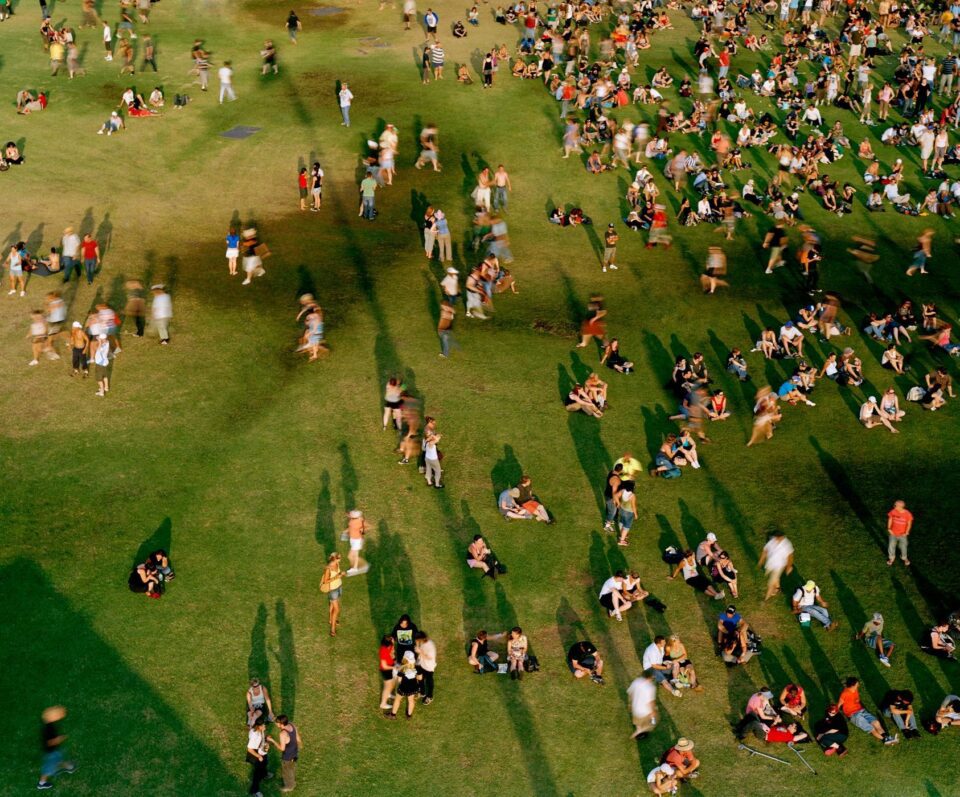
KBr Fundación Mapfre, Barcelona | Until 1 February
Four artists from the photography schools of Barcelona come together in this show, sharing a critical and sensitive look towards the construction of memory. They use distinct visual languages, which include analogue and digital photography and the rereading of personal and public archives, to investigate how photography can become a tool for exploring interpersonal links, revealing how individual experience is shaped by broader cultural, industrial and ideological forces. Together, the four figures producing a fascinating look at contemporary life. In Opaco, Irina Cervelló examines the cultural, environmental and economic implications of the Solvay petrochemical complex in her hometown, Martorell. In Tous les maux mots sont inventés, Abril Coudougnan immerses the viewer in his personal photographic archive, a multitude of images taken over six years. Looking for George, by Patrick Martin, invites a reflection on the myths that shape collective memory. In the final part of the show, Bernat Erra continues that exploration in Fe de errata, analysing the construction of a collective identity found within Catholicism.
Words: Emma Jacob
Image Credits:
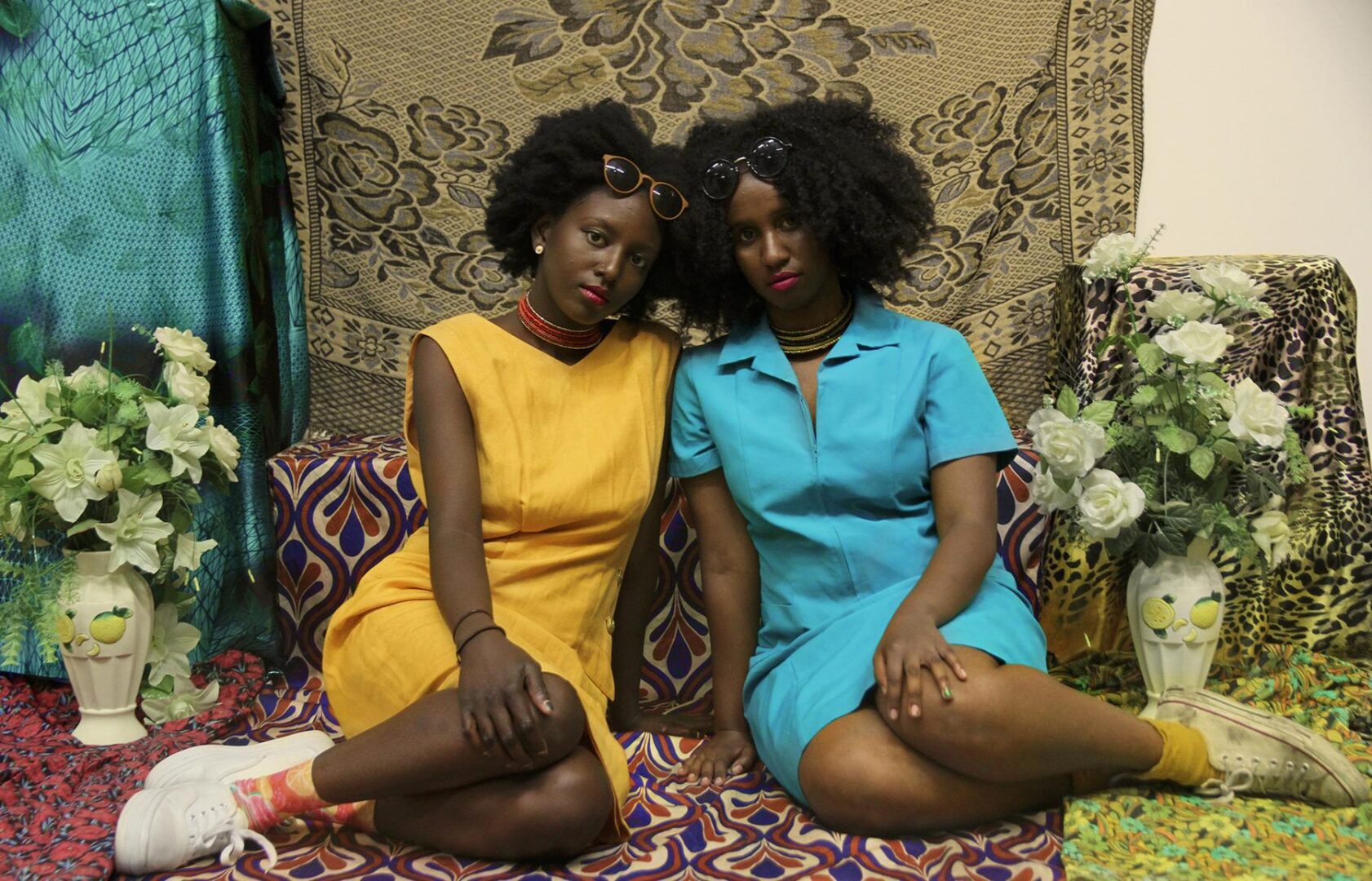
1. Atong Atem, from the series Studio series (2015). Courtesy of the artist and MARS Gallery.
2. Gabriela Marciniak, Untitled 005, de la série Early Retirement, 2023 © Gabriela Marciniak, ECAL.
3. Tania Franco Klein. Mirrored Table, Person (Subject #14) from Subject Studies: Chapter 1. 2022. Inkjet print. 29 1/2 × 39 1/2″ (74.9 × 100.3 cm). © 2025 Tania Franco Klein. Courtesy the artist.
4. Simon Terrill, Garden, (2006). Courtesy of the artist and Sutton Gallery.
5. Tilde Døssing, Leyndarmál, 2023.
6. Abril Coudougnan, Untitled, project Tous les maux sont inventés , 2024. Digital photograph. © Abril Coudougnan.