A city’s art scene is easiest to understand when its galleries stop operating in isolation. For four days, Dublin will become a map of overlapping practices, audiences and ideas as Dublin Gallery Weekend brings exhibitions, talks and events across the capital. The occasion is part exhibition programme, part urban intervention. This is a chance to consider not only what Irish artists are making, but how contemporary art circulates through the city. Its significance lies in that movement: between commercial galleries and public institutions, established practices and emerging voices. Presented by the Contemporary Art Gallery Association (CAGA) and produced by SoSimpatico, the 2026 edition takes place from 5-8 November.
Gallery weekends have become an increasingly influential format within the international art calendar because they expose the infrastructure normally operating behind the scenes. Berlin’s 2026 edition brought 50 galleries across 66 locations together, presenting more than 80 artistic positions and extending its programme into public and institutional spaces. Barcelona Gallery Weekend takes a more deliberately civic approach, combining 25 galleries with talks, performances, family activities, professional programming and an acquisitions initiative. Zurich Art Weekend expands the model further, connecting more than 70 venues – from museums and galleries to universities, foundations and off-spaces.
What these events demonstrate is that a gallery is not simply a room in which art is displayed. It can function as a site of research, exchange, collecting, criticism and public encounter, occupying a space between commerce and culture. Gallery weekends make those relationships unusually visible, allowing audiences to move laterally between exhibitions rather than encountering each institution as a self-contained proposition. The format also raises a question about access: who feels entitled to enter these spaces, and what happens when the art market is opened to a broader public? Dublin Gallery Weekend’s emphasis on free events and participation places that question at the centre of its ambitions.
Within Dublin, the programme gains its character from the differences between individual exhibitions rather than from a single imposed curatorial theme. Damien Flood’s Veil at Green on Red Gallery, for example, introduces questions of perception, concealment and the unstable boundary between what can be seen and what remains elusive. Landscape becomes similarly unsettled in Elizabeth Magill’s Northern Sky at Kerlin Gallery, where the genre can be understood less as a record of place than as a psychological and perceptual construction. Sonia Shiel’s The Nature of Tables, presented by Kevin Kavanagh, moves from landscape towards the domestic object, considering how familiar forms can carry social, political and symbolic associations. Together, these practices suggest an interest in how ordinary ways of seeing become strange when subjected to sustained artistic attention.
Material and cultural memory provide another thread through the programme. Cecilia Bullo and Kevin Mooney’s Silt & Sorcery at Hillsboro Fine Art places two practices in dialogue, its title itself suggesting an encounter between the geological and the imagined, matter and mythology. John Kindness’s Mythologies at The Molesworth Gallery brings a further historical register, drawing attention to the stories and symbols through which societies construct identities. Such exhibitions matter within a citywide programme because they allow ideas to migrate between venues without requiring a curatorial thesis. The audience supplies part of the connective tissue, carrying questions about landscape, myth, materiality and memory.
Photography and contemporary image-making broaden that conversation. SO Fine Art Editions, working with Island Photographers, presents Island Portrait, bringing questions of place and identity into a photographic context, while Solomon Fine Art stages Tom Climent’s Heliotropism, extending the programme’s engagement with perception and the natural world. Oliver Sears Gallery takes a different route, bringing together David Hockney, Giorgio Morandi, Bruce McLean, Amelia Stein, Sasha Sykes and Jason Ellis across generations and media. The juxtaposition resists the neat divisions between modern, contemporary and emerging practice that can make exhibition programmes feel overly categorised. Instead, the gallery becomes a place where artistic histories can be placed into active relation.
Literary history enters the programme through Olivier Cornet Gallery’s Tales of Human Follies, marking 300 years of Jonathan Swift’s Gulliver’s Travels. The premise opens a particularly Irish line of enquiry: how satire, absurdity and social observation travel between historical periods without losing their critical force. Rather than treating Swift as a heritage figure, the exhibition has the potential to use his legacy as a lens through which contemporary follies can be reconsidered. Taylor Galleries’ concurrent exhibitions by John Doherty and Martin Gale add another dimension, demonstrating how a gallery weekend can accommodate distinct individual practices while still encouraging audiences to make connections. Curation here is less about imposing coherence than creating the conditions in which coherence can emerge.
That distinction is important because contemporary art has become increasingly attentive to its own systems of display. Curatorial discourse has moved beyond the question of which objects belong in an exhibition towards questions of context, audience, labour and institutional power. A gallery weekend makes those structures unusually apparent: the route between exhibitions becomes part of the experience, while the city itself begins to function as an organising device. Dublin Gallery Weekend therefore has an opportunity to do more than increase footfall. It can make the relationships sustaining Irish visual culture visible – including the galleries that represent artists, the institutions that provide critical frameworks, and the audiences whose engagement gives those structures meaning.
International precedents offer useful points of comparison without providing a template to follow. Berlin has developed a model built around density, international reach and close relationships between galleries and institutions, while its 2026 programme introduced Perspectives as a new rotating sector. Barcelona places greater emphasis on the relationship between galleries, collecting and public participation, with programming designed for audiences ranging from families to professionals. Zurich’s model is broader still, incorporating museums, universities, foundations and independent spaces. Dublin’s challenge, and opportunity, is to establish what its own version can contribute to this international form.
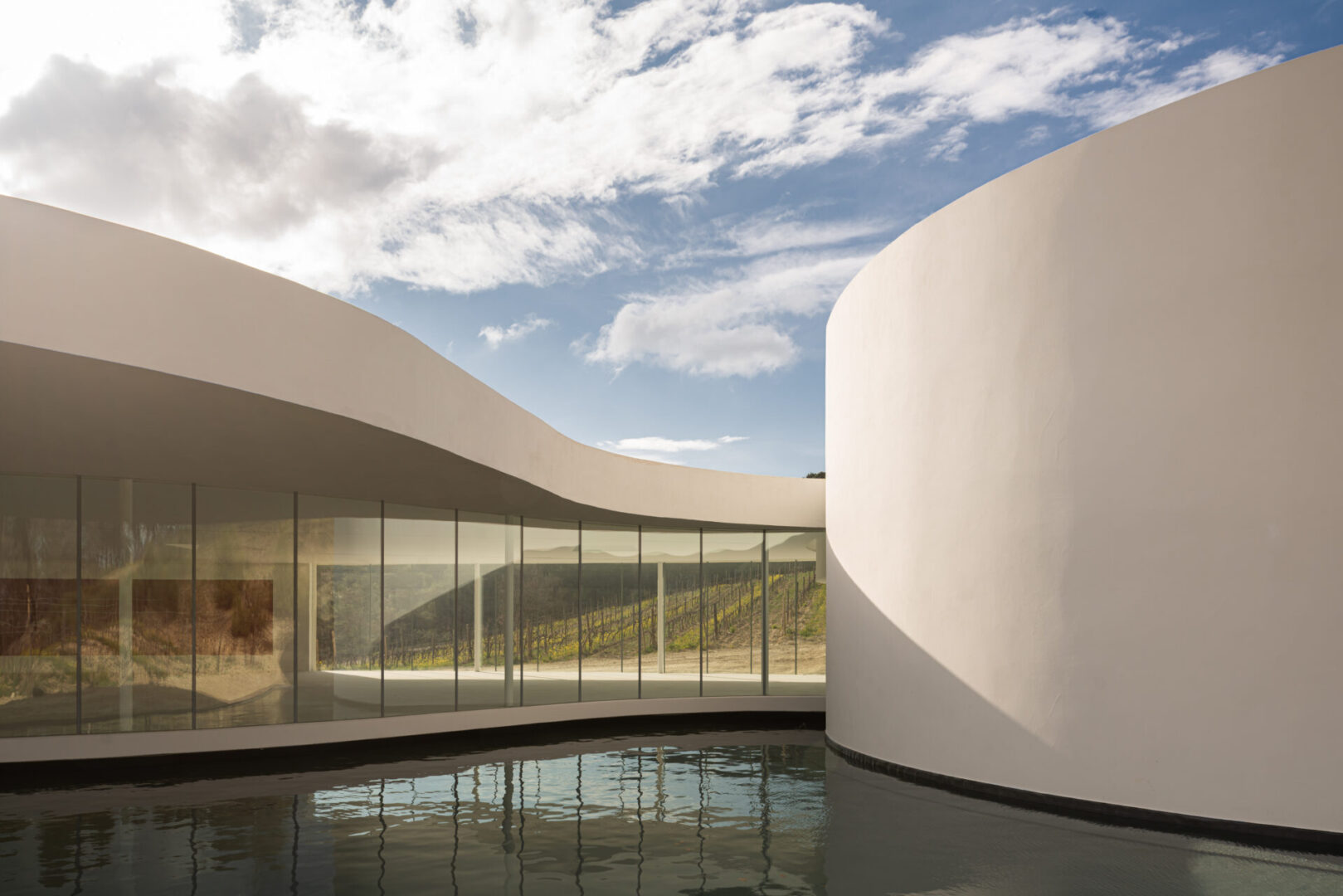
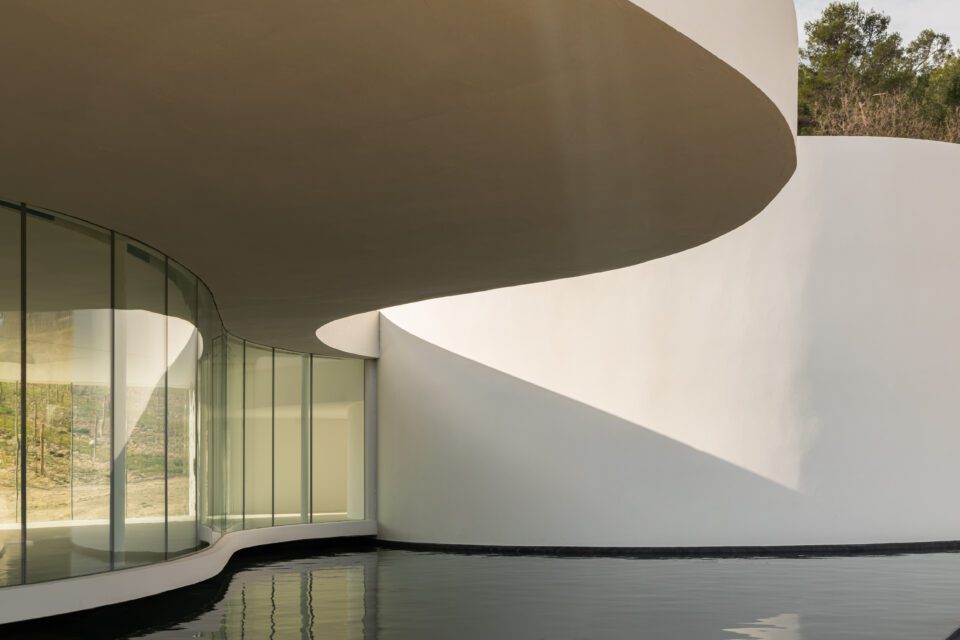
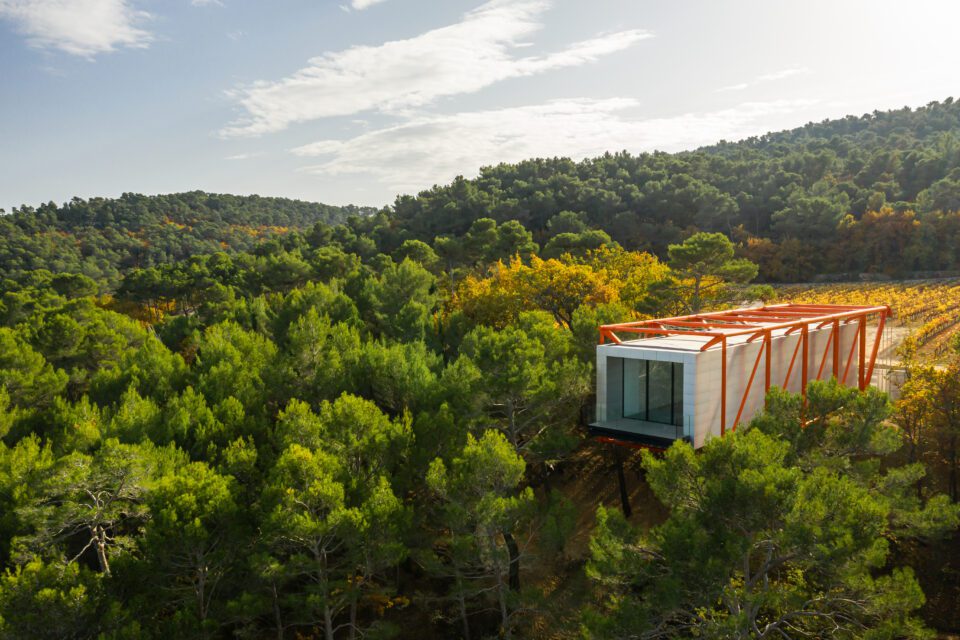
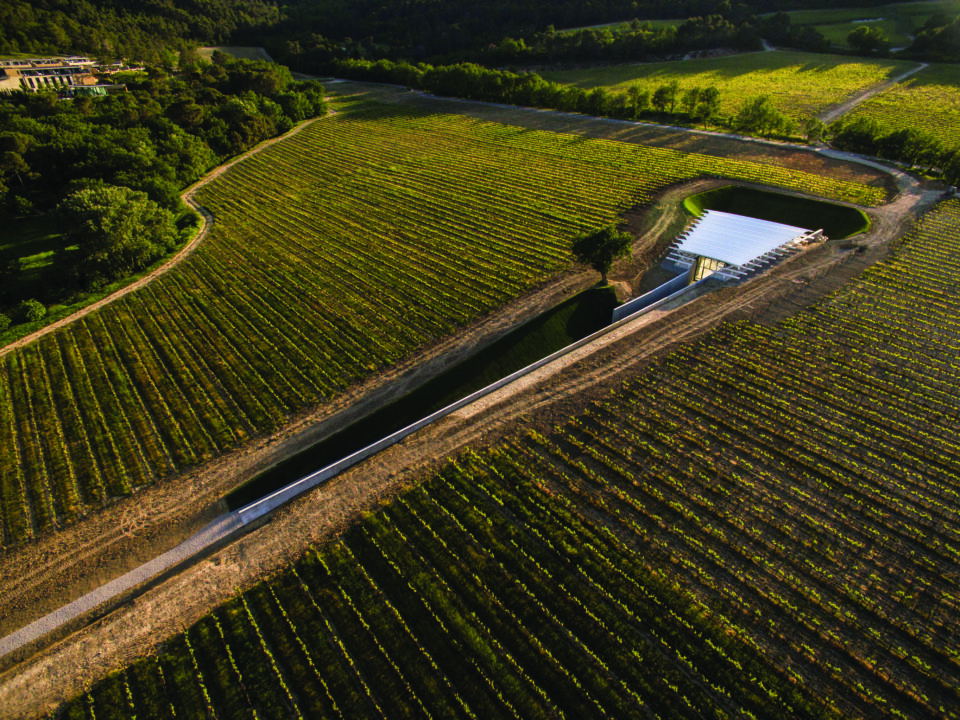
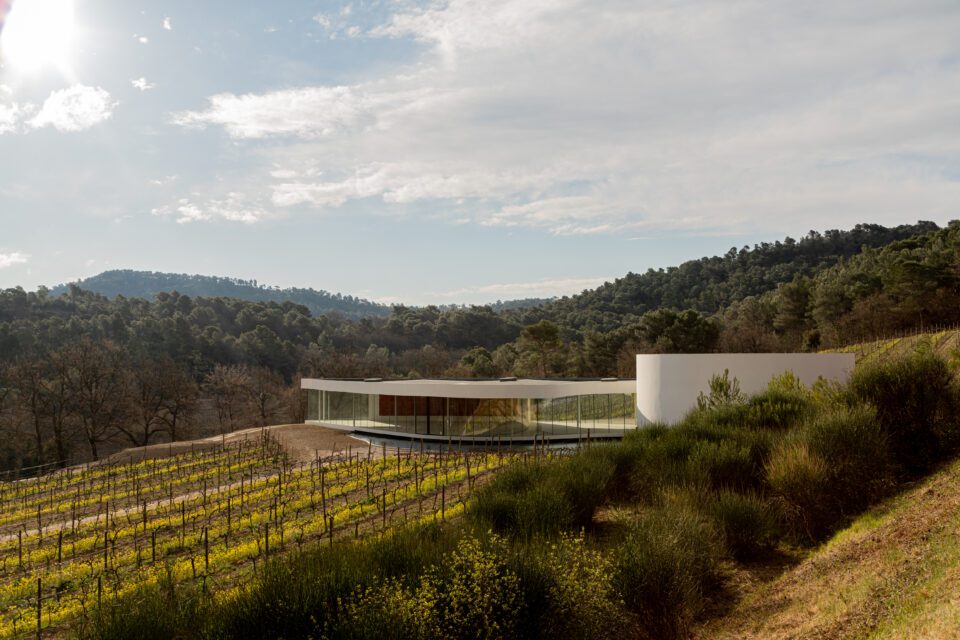
The new awards created with Château La Coste sharpen that international ambition. A €25,000 Lifetime Achievement Award will recognise an Irish artist, or artist living in Ireland, whose sustained contribution has made a significant national and international impact, while a €15,000 Mid-Career Artist Award will recognise exceptional achievement at a pivotal point in a career. Both recipients will be invited to present solo exhibitions at Château La Coste, creating a direct institutional connection beyond the four days in Dublin. The judging panel brings together Emma Goltz, Barbara Dawson, Brian Cass, Caoimhín Mac Giolla Léith and Mary McCarthy, combining curatorial, institutional and critical experience.
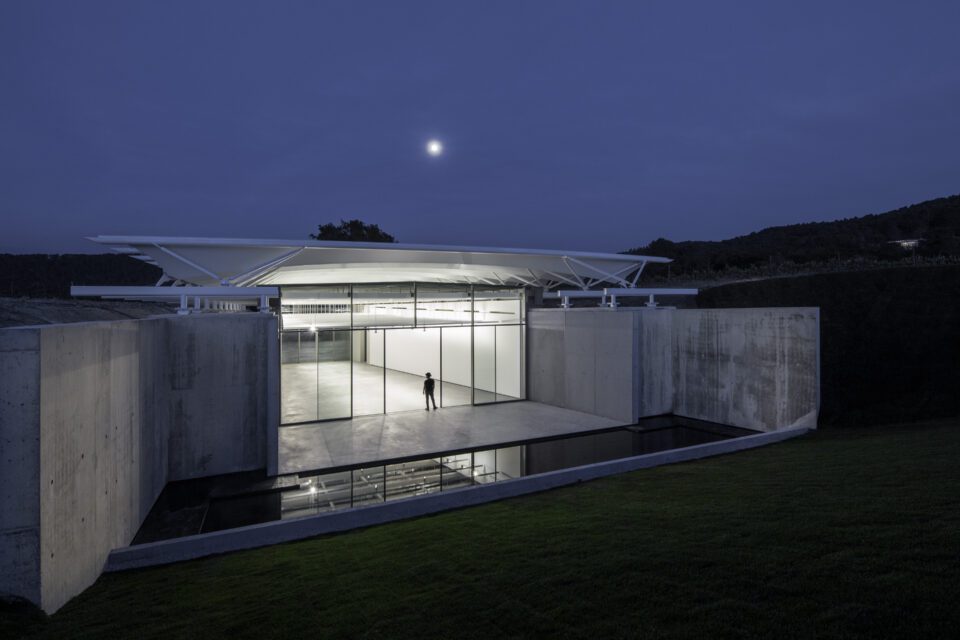
Prizes of this kind inevitably raise questions about how artistic value is measured. Contemporary art has long been caught between the language of cultural significance and the mechanisms through which recognition, visibility and financial support are distributed. The importance of these awards therefore lies not simply in the sums attached to them, but in the possibility of sustained opportunity: an exhibition abroad, a new audience, institutional attention and greater freedom to develop a practice. The Château La Coste connection is particularly important because it positions Irish artists within a wider European cultural context rather than treating international visibility as an endpoint.
Public access will be equally important to the event’s longer-term significance. Artist talks, workshops, special gallery events, art trails and collaborations with national cultural institutions are planned alongside the exhibitions, whilst most Dublin Gallery Weekend events are free to attend. Such programming changes the gallery from a destination for those already familiar with contemporary art into a point of entry for the merely curious. The distinction matters because the future of the gallery sector depends not only on collectors, but on developing audiences who understand these spaces as part of civic and cultural life.
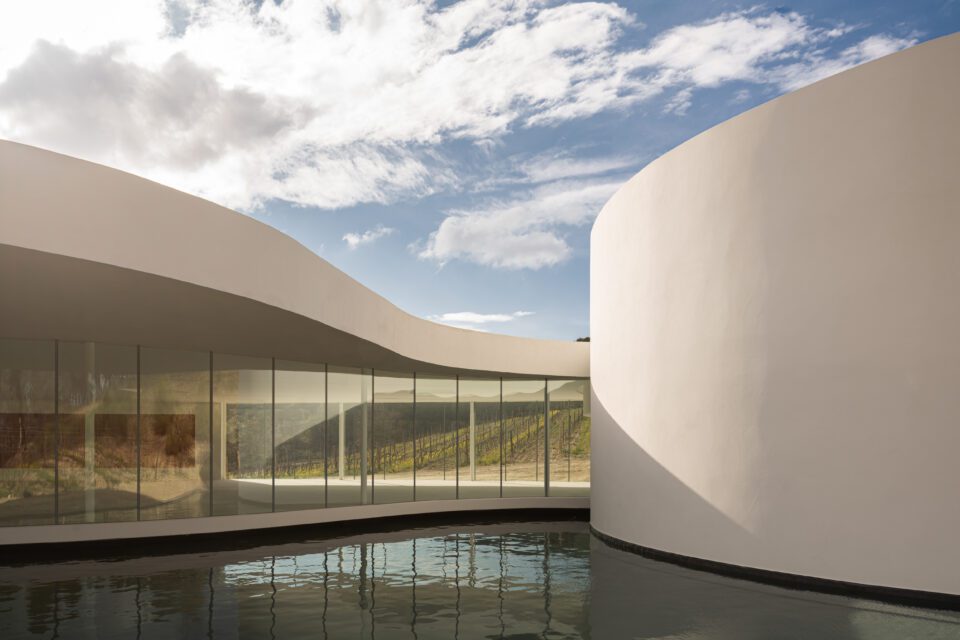
By bringing galleries, artists and audiences into closer proximity, Dublin Gallery Weekend offers a chance to see the city’s contemporary art scene in all its variety – from established practices and new commissions to exhibitions that connect Irish art with wider international conversations. The programme’s strength lies in this breadth, but also in the possibility of discovery: moving between galleries, encountering unfamiliar work and finding unexpected connections along the way. As Dublin joins the growing network of gallery weekends, the November edition strengthens the city’s position as a destination for contemporary art whilst, creating new ways for audiences to engage with the artists and ideas shaping Ireland’s culture.
Dublin Gallery Weekend runs from 5 – 8 November: dublingalleryweekend.ie
Words: Anna Müller
Image Credits:
1. Oscar Niemeyer © Stéphane Aboudaram.
2. Oscar Niemeyer © Stéphane Aboudaram.
3. La Galerie, Richard Rogers © Stéphane Aboudaram.
4. La Galerie, Richard Rogers © Stéphane Aboudaram.
5. Oscar Niemeyer © Stéphane Aboudaram.
6. Piano © Stéphane Aboudaram.
7. Oscar Niemeyer © Stéphane Aboudaram.