

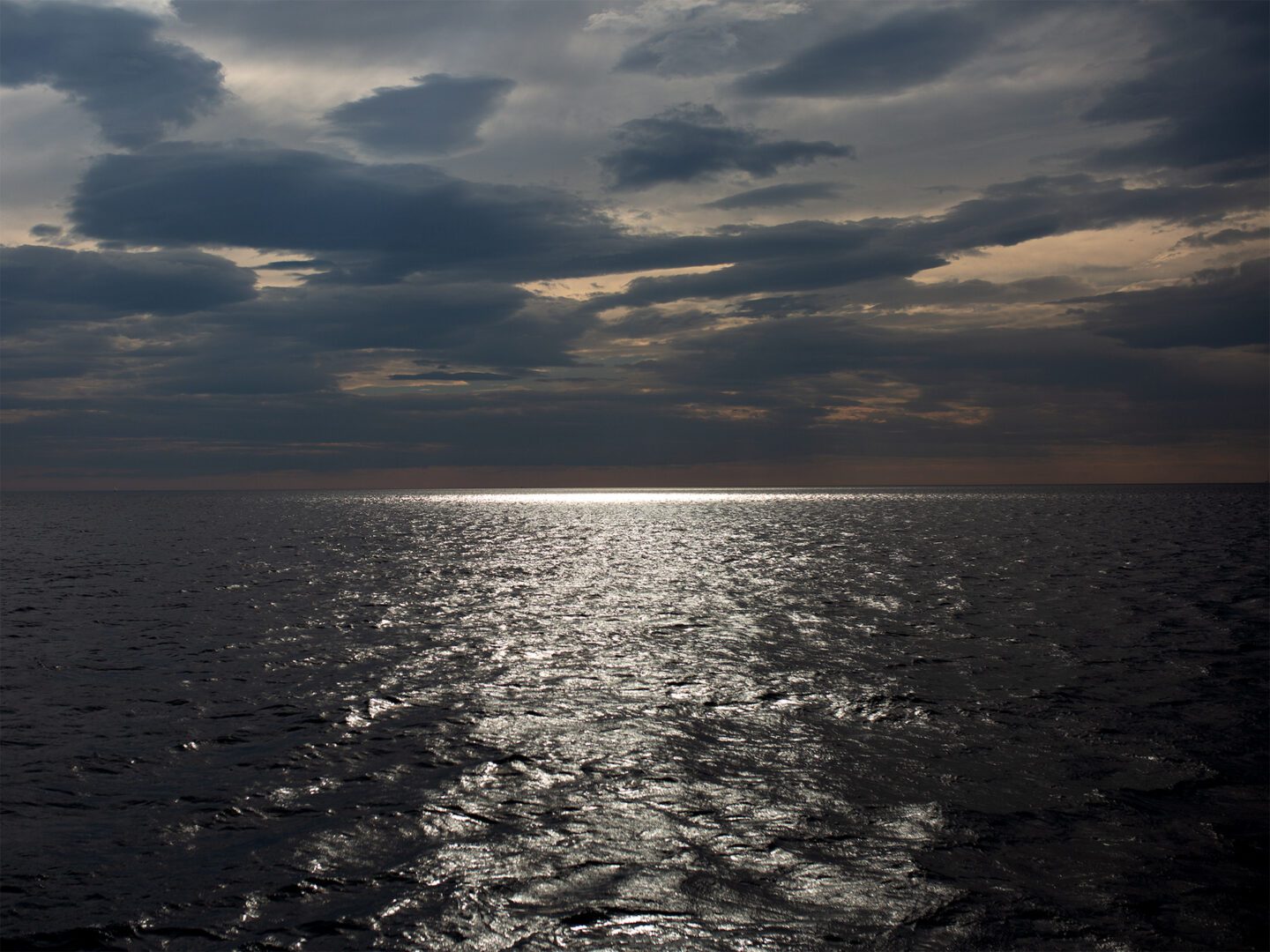
David Ụzọchukwu (b. 1998) is an Austrian-Nigerian photographer and filmmaker working between Berlin and Brussels. His work, which spans photography and digital montage, collides elements of fantasy and mythology with personal and collective histories, often depicting Black figures within natural landscapes – sometimes idyllic, sometimes on the brink of collapse. This visionary approach to collage and portraiture has led to significant acclaim. The artist was recognised as a Forbes 30 Under 30 in 2025, following a 2021 Prix Pictet nomination for In the Wake, an apocalyptic series centred around earth, fire and smoke. His work has been exhibited internationally, including at major London institutions like the Victoria and Albert Museum, Saatchi Gallery and the Design Museum. Notably, he was part of Antwaun Sargent’s seminal exhibition The New Black Vanguard – a compendium of trailblazing creatives, including Tyler Mitchell and Nadine Ijewere, working at the intersection of of fashion, fine art and visual culture.
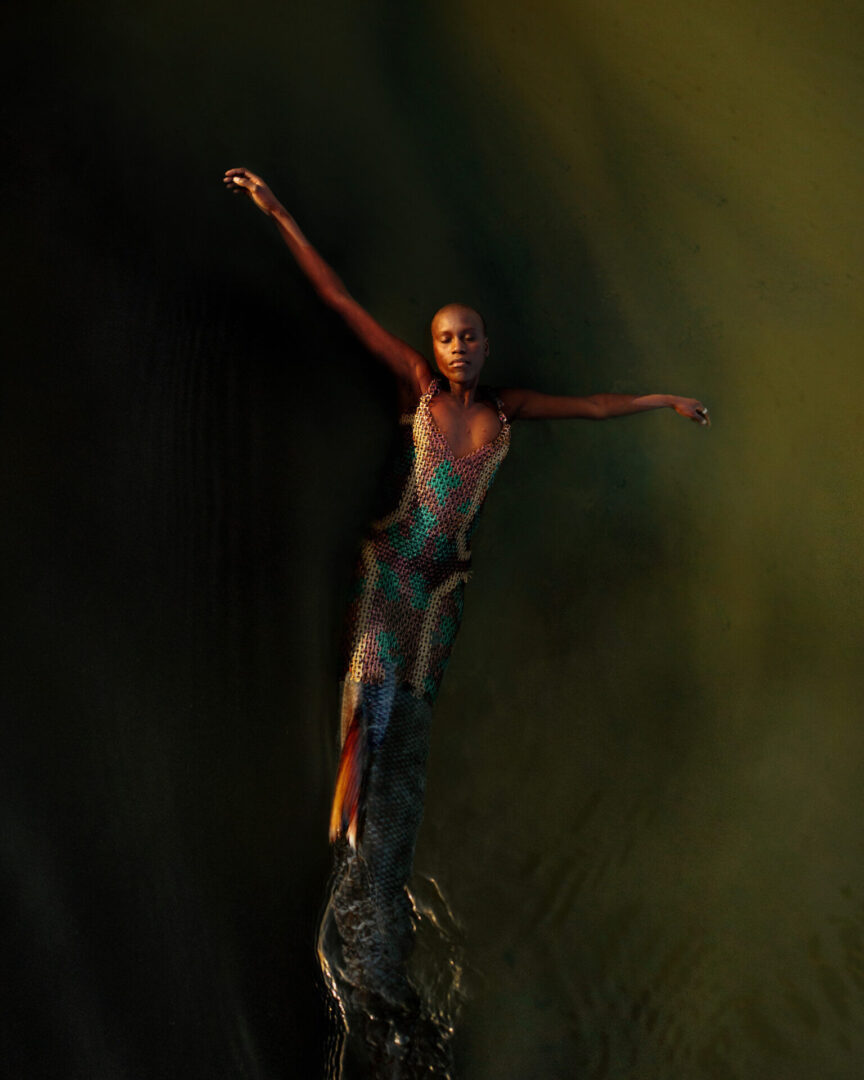
Now, Ụzọchukwu reaches a new milestone with his first solo museum exhibition in the USA, opening this summer at the Memphis Brooks Museum of Art in Tennessee. Titled Bodies of Water, the show navigates a series of surreal waterscapes. Ụzọchukwu’s figures have changed their appearance to prosper undersea, developing fins, scales and mermaid tails which glisten in the sunlight. As such, the images contain deeper messages about identity, migration and belonging, echoing “the adaptive strategies of diasporic communities navigating environments shaped by hostility and exclusion.” Rather than depicting African diasporic people as “displaced” or “alien”, the works foreground self-determination and agency, presenting characters equipped to flourish in challenging worlds. “It shouldn’t be a luxury to be able to see yourself in fantasy,” the photographer told CNN in 2022.
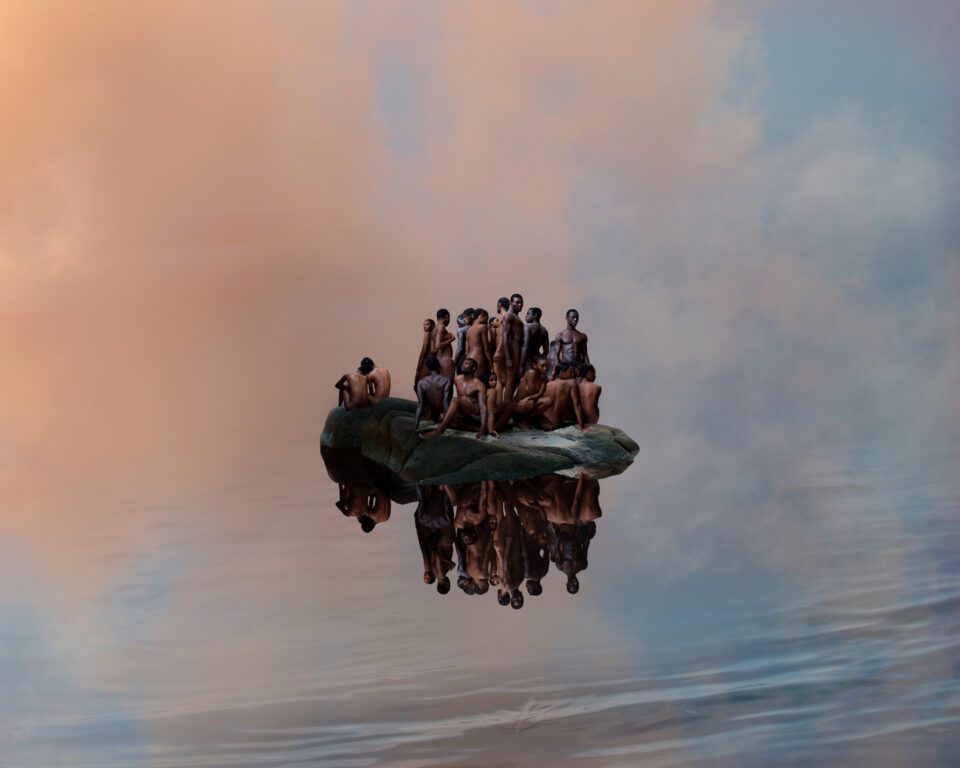
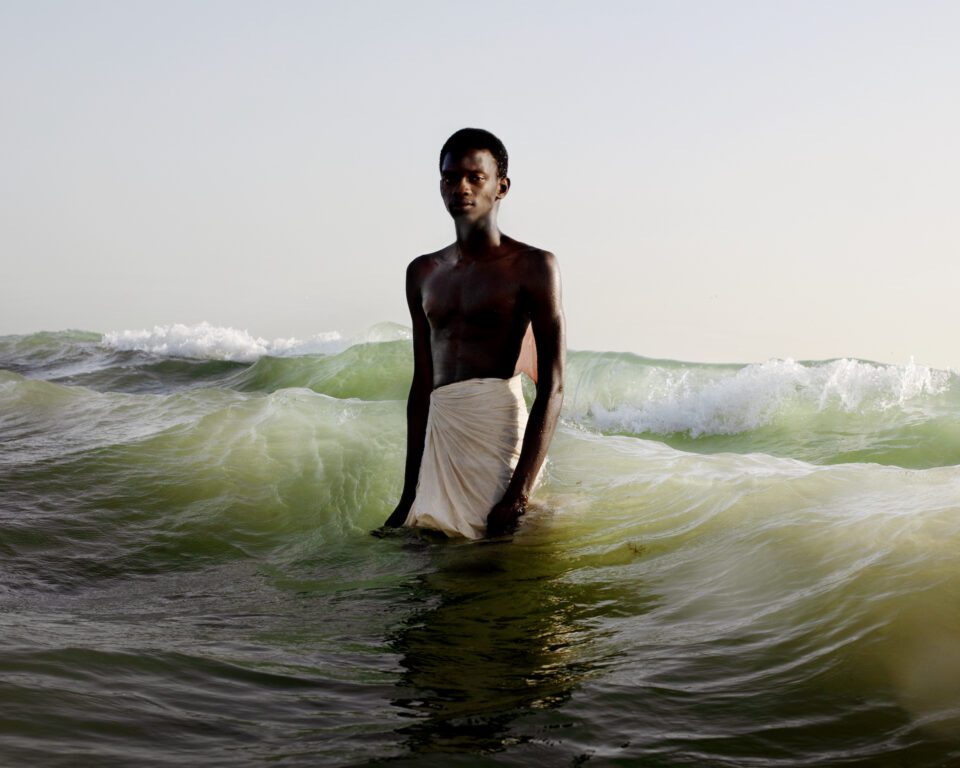
Many of the images on display are taken from the ongoing series Mare Monstrum (Drown In My Magic), which Ụzọchukwu began in 2016. The body of work “opens up a fantastical Black ecology,” depicting Black merpeople thriving in bodies of water: gathered on rocks, floating freely in turquoise waters, standing strong amidst rolling waves. “The series repurposes modern and historical links between Blackness and water, and reclaims the ‘monstrosity’ often attributed to Black and migrant bodies,” Ụzọchukwu explains. “Drown In My Magic questions exclusionary humanist ideas, and whom we consider and mourn.”
The show, curated by Efe Igor Coleman, is a landmark occasion not only for Ụzọchukwu, but for the institution’s programming as a whole. “This exhibition is part of our commitment to placing Memphis in dialogue with artists, ideas and audiences far beyond the city,” says Brooks Museum’s Dr. Patricia Lee Daigle. Following its Memphis presentation, Bodies of Water will travel to the Weisman Art Museum in Minneapolis, Minnesota (16 October 2027 – 2 January 2028). The display is accompanied by the artist’s first major monograph, which includes essays from acclaimed curator, cultural critic and writer Ekow Eshun – known for such titles as In the Black Fantastic and Africa State of Mind. Together, the book and presentation position Ụzọchukwu as a creative who is, quite literally, making waves – producing powerful work as a meditation on transformation, survival and the limitless possibilities of Black existence.
Bodies of Water is at Memphis Brooks Museum of Art, Tennessee, until 27 September.
Words: Eleanor Sutherland
Image Credits:
1. © David Ụzọchukwu, Mare Monstrum, (2020). From the series Drown In My Magic. Courtesy Galerie Gomis.
2. © David Ụzọchukwu, Styx, (2020). From the series Drown In My Magic. Courtesy Galerie Gomis.
3. © David Ụzọchukwu, Buyoant, (2019). From the series Drown In My Magic. Courtesy Galerie Gomis.
4. © David Ụzọchukwu, Stake Out, (2019). From the series Drown In My Magic. Courtesy Galerie Gomis.


