
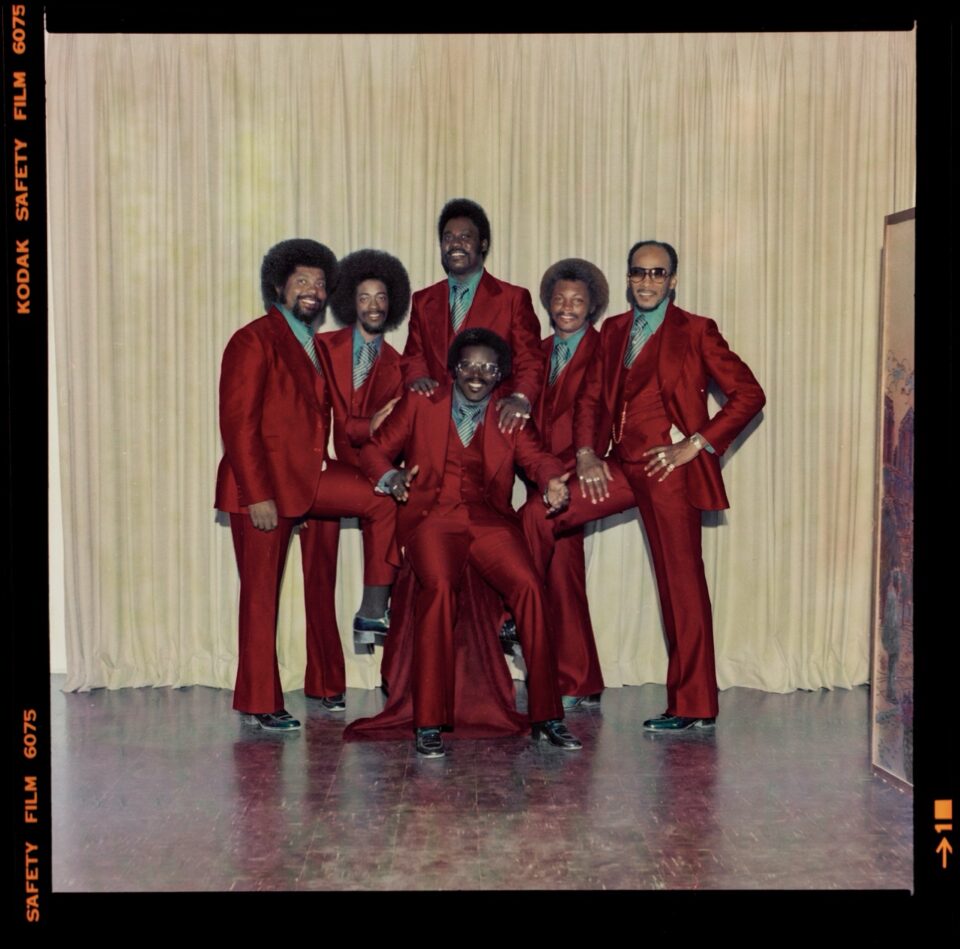
What does a museum make visible, and what remains outside its frame? That question runs through the inaugural programme of Memphis Art Museum, which opens its new Herzog & de Meuron-designed campus on 6 December 2026. Instead of presenting its collection as a settled account of artistic achievement, the museum brings works from different periods and traditions into contact, drawing attention to the ways art is made, interpreted and valued. At the centre of the programme is Making Beauty: Hooks Brothers Studio, 1907–1984, which places the work of a Black photographic studio at the heart of this reconsideration. Around it, new commissions and thematic presentations explore the relationship between artistic form, lived experience and the institutions that shape cultural memory.
Memphis’s new museum also arrives at a moment when galleries are rethinking how people use and experience public cultural spaces. Recent openings and expansions – including BRUSK in Bruges, the International Centre for the Image in Dublin, V&A East Museum in London, the expanded New Museum in New York and LACMA’s David Geffen Galleries in Los Angeles – suggest that the gallery is increasingly expected to be more than a place to view exhibitions. Audiences may come for a particular artist, but they also arrive to meet, learn, attend performances, spend time in shared spaces or simply find somewhere to be. Free access, extended hours, public plazas and programmes that connect art with music and everyday life acknowledge that cultural participation is not always planned around a visit to a single exhibition. The response to these new spaces – from the crowds at BRUSK’s pre-opening weekend to the tens of thousands who attended LACMA’s opening celebrations – points to a continuing appetite for collective cultural experiences. It also raises a practical civic question: as cities change, are there enough welcoming places where people can encounter art without specialist knowledge or a particular income?
Memphis itself is more than the setting for the museum’s programme. Its river, musical traditions, architecture and communities inform how individual works are encountered. The four new commissions make this connection particularly tangible, although each approaches place through a distinct visual language. Jordan Ann Craig’s Sharp Tongue; The Sky and the Heart Aflame (2026), installed in the rooftop art garden, translates patterns drawn from Northern Cheyenne and other Plains Native American beadwork into monumental abstraction. As light shifts and visitors move around it, the work changes in appearance, bringing Indigenous artistic knowledge into dialogue with the Mississippi River landscape.
Yunhee Min’s Impressions (bluffs, mounds, landing) begins with a different reading of the terrain. Developed from rubbings made at sites around Memphis, the installation combines a 92-yard woven curtain with a 66-foot lenticular work across the museum’s street-facing windows. Sloping forms recall Mississippian mounds, while the curtain evokes the movement of water. Min turns the building’s surfaces into part of the composition, so that the work shifts between image, architecture and environment. Where Craig draws on the visual language of beadwork, Min builds an impression of the city from traces of its landscape.
Carlos Rosales-Silva’s Alma del rio (2026), painted across three walls of the parking structure, offers a more direct urban portrait. Sassafras leaves, the roofline of Rust Hall, ceremonial mounds and Isaac Hayes’s desk at Stax Records appear among its motifs. Natural history, architecture and musical culture share the same visual field, resisting any single definition of Memphis identity. On the rooftop, Eso Tolson’s A Memphis for You(2026) uses hand lettering and typography to address residents and visitors through a phrase encountered in fragments. Both works make the city legible through details that might otherwise be passed over, turning public space into a place of recognition and discovery.
The rooftop brings these commissions into conversation with two sculptures that unsettle ideas of landscape and commemoration. Sean Scully’s Stack Blues (2017) uses stacked shades of blue to evoke the meeting of sky and water, acquiring particular resonance in a city associated with the blues. The Smoke Coin (2025), a collaborative bronze by LaKela Brown and Mario Moore, asks who is considered worthy of appearing on currency. One face carries Moore’s portrait of Brown; the other bears a relief of collard greens. Positioned above the Mississippi, across from the Cotton Exchange, the sculpture places the language of monetary value against a landscape shaped by the movement of enslaved people. Its location makes the histories behind wealth and the symbols through which societies honour it difficult to separate.
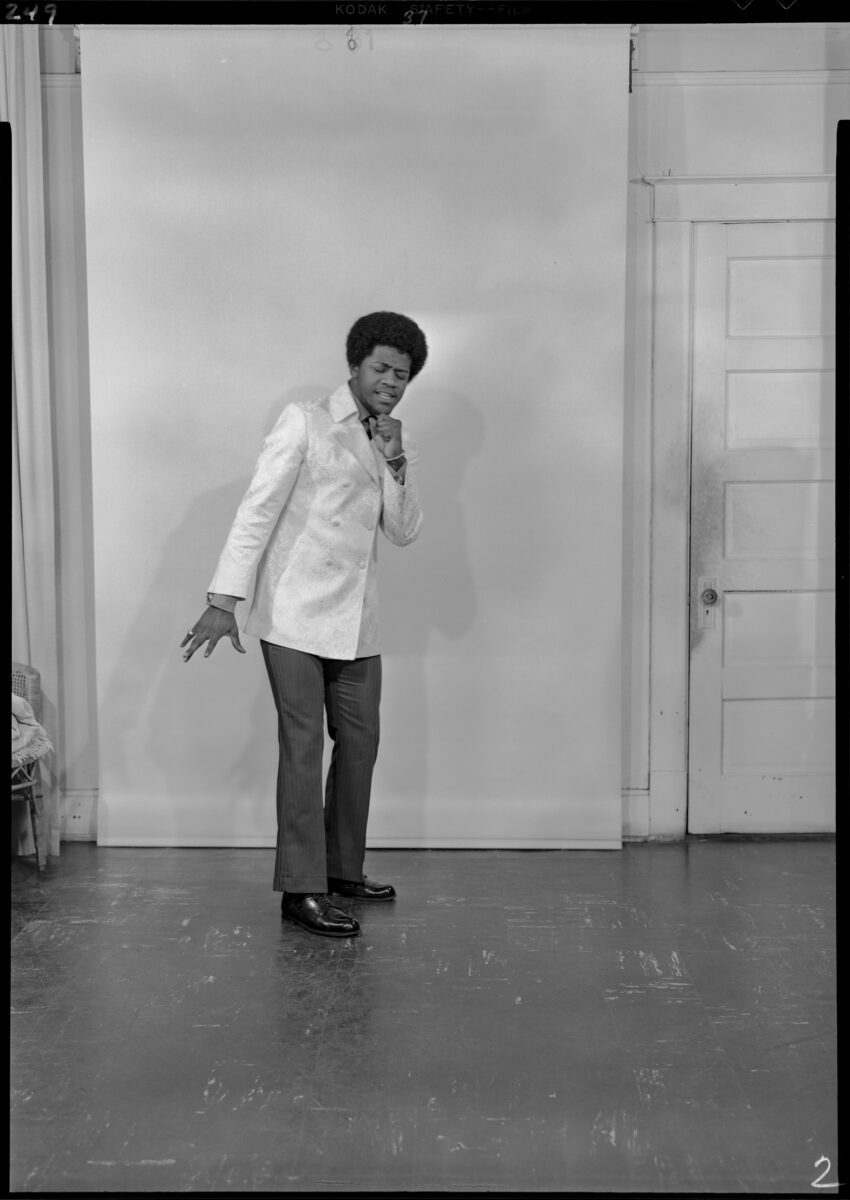
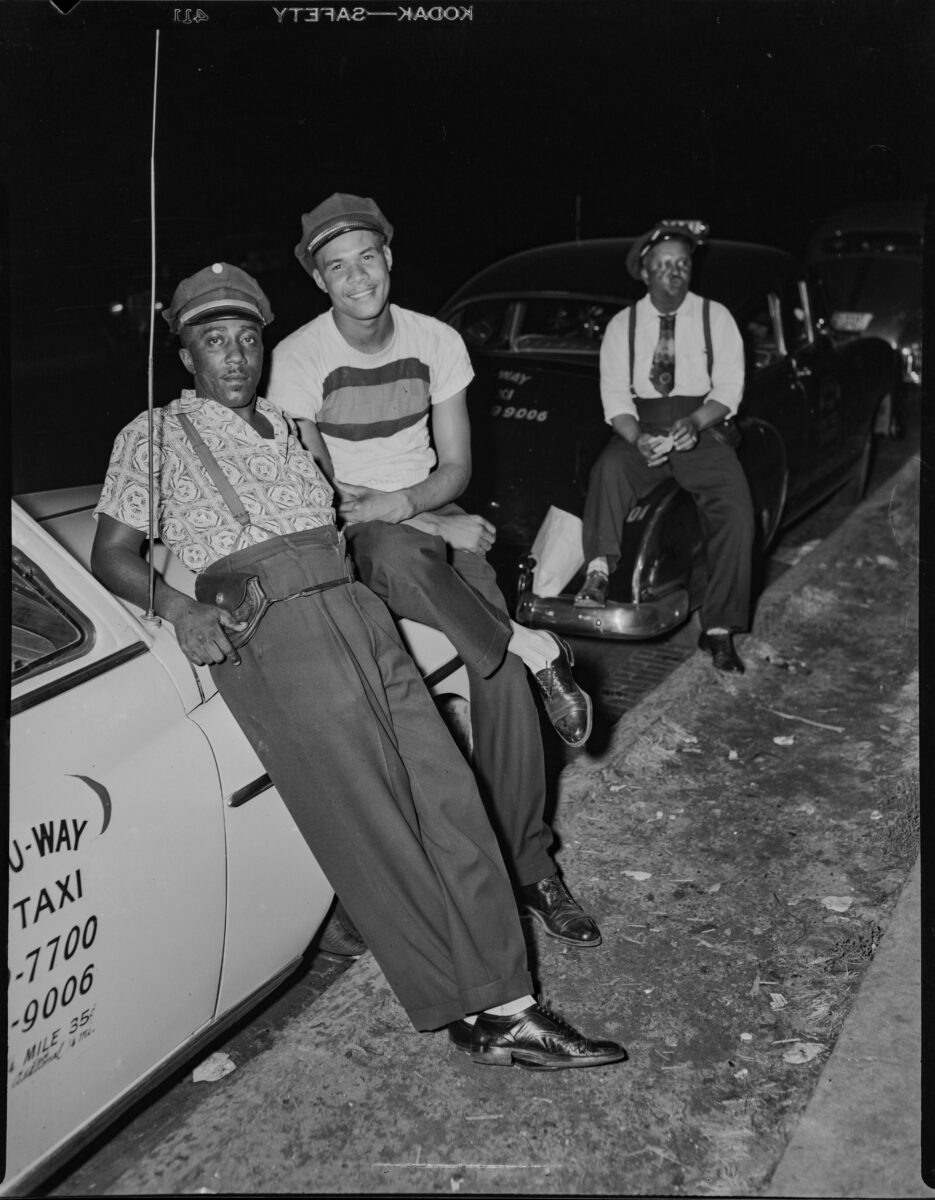
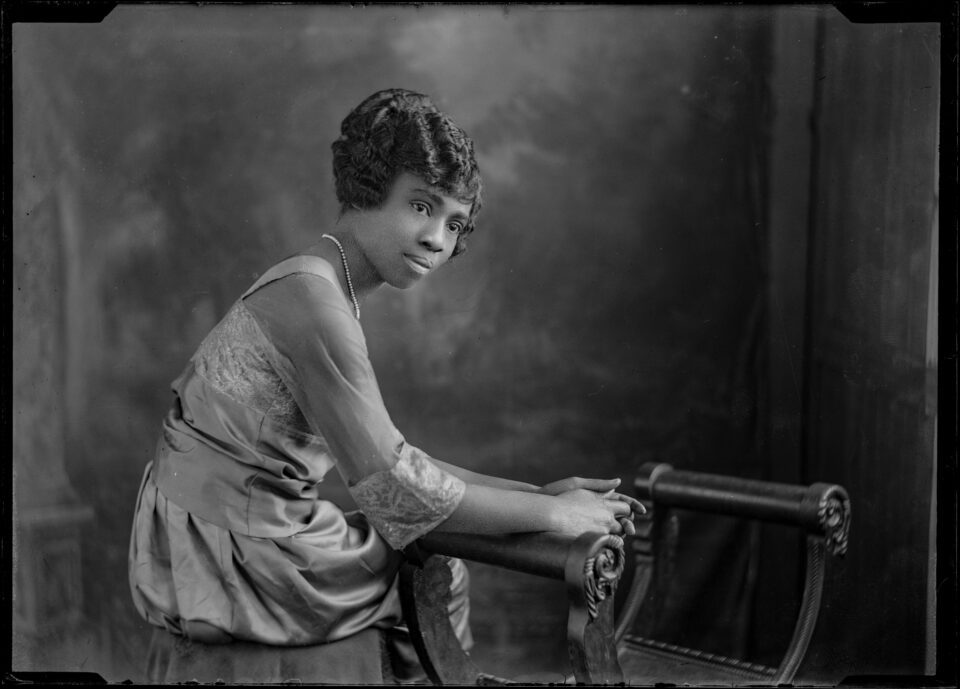
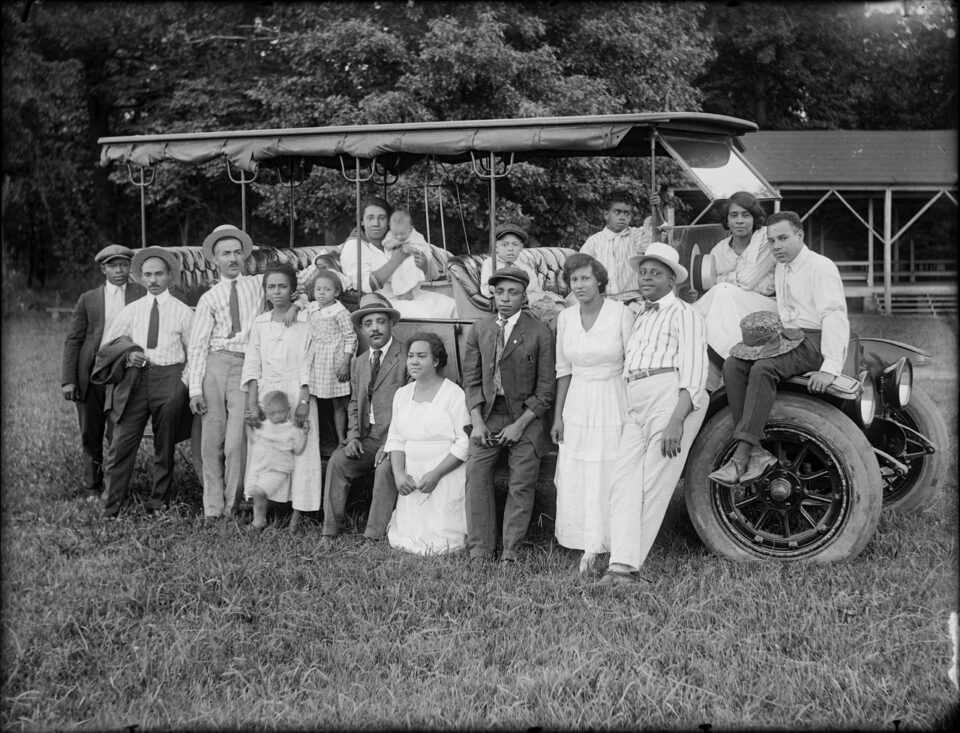
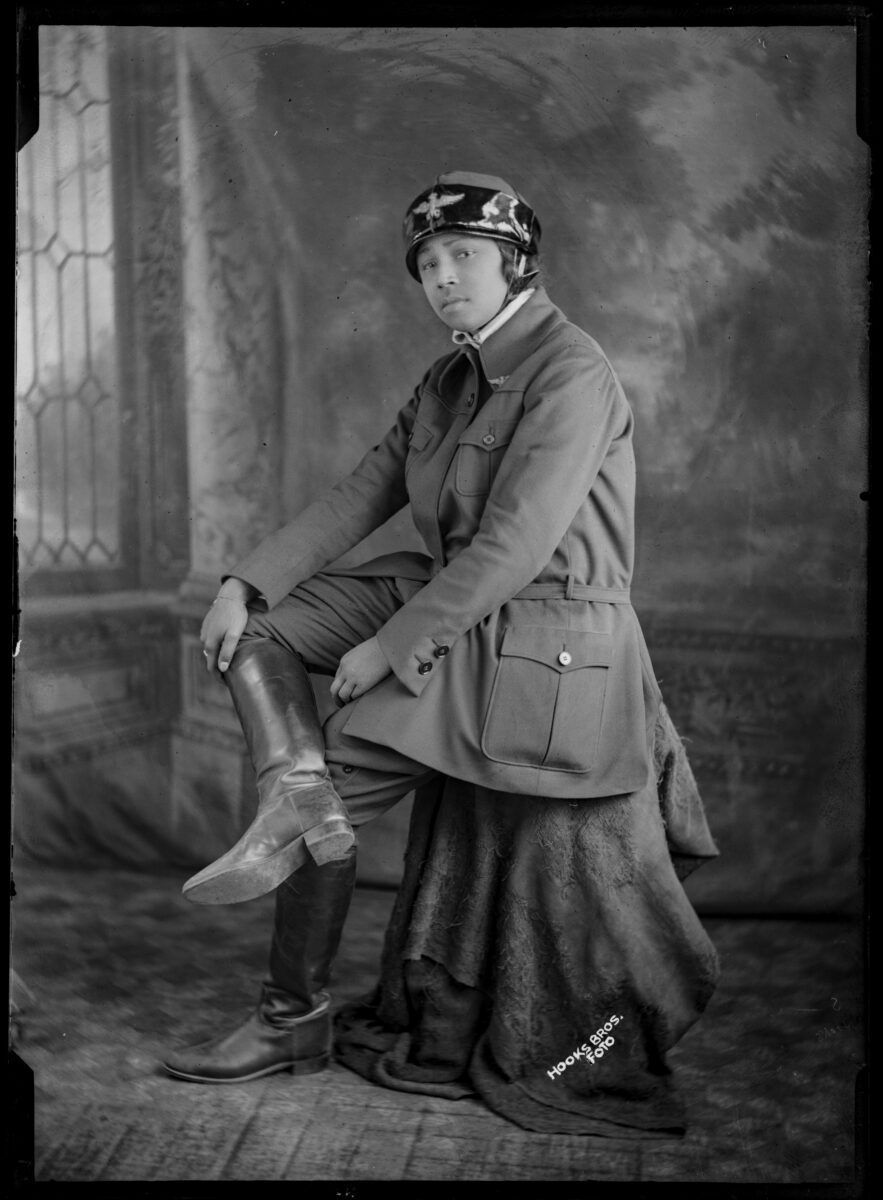
Recognition is also at the centre of Making Beauty, curated by C. Rose Smith and organised with the National Civil Rights Museum. Drawing on an archive of more than 100,000 photographs, the exhibition presents 163 images by the Hooks Brothers, whose Memphis studio documented Black life across much of the twentieth century. Five thematic strands move between portraiture, fashion, music, photographic practice and political uplift. The title describes the studio’s philosophy of making beauty not as an ornamental ideal, but as an assertion of self-definition during the Jim Crow era and beyond. Through pose, dress, lighting and setting, these photographs show people shaping how they wished to be seen.
That distinction is important. Photography is often discussed as a means of documenting social reality, while the artistic decisions involved in making an image receive less attention, particularly when the photographers and subjects have been marginalised by established accounts of the medium. The exhibition’s selection of studio portraits, documentary photographs, advertising work and negatives brings the Hooks Brothers’ technical skill and visual judgement into focus. Placing their practice alongside photographers including James Van Der Zee, Addison Scurlock, Seydou Keita and James Barnor also connects the Memphis studio to a wider history of photography across the African diaspora. As Chief Curator Dr Patricia Lee Daigle argues, the brothers deserve recognition not only as chroniclers of their community, but as artists whose work belongs within the history of photography. A related exhibition at the National Civil Rights Museum and the 2027 Black Portraiture[s] conference extend this enquiry.
The collection presentations broaden the programme, with their strongest contributions emerging through the encounters they create between works. The River Calling: Storytelling in Memphis and the Mississippi Deltaconsiders how folklore, music and regional experience inform visual narratives, bringing works by William Eggleston, Frederick J. Brown, Carroll Cloar, Ahmad George and Carl E. Moore into a shared frame. Its focus on storytelling offers an entry into the museum’s regional holdings without suggesting that Southern identity can be contained in a single image. In Towards Liberation, a stained-glass window made by Henry Sharp Studio in 1877 is placed alongside works by Martha Rosler, Jacob Lawrence, Romare Bearden and Elizabeth Catlett. The window’s depiction of a Black Jesus – possibly the first public example of its kind in the United States – gives the presentation a striking focal point.
Other displays examine the assumptions built into familiar categories of art history. Speaking in Shapes looks beyond the conventional association of geometric abstraction with European modernism, bringing together artists including Samuel Levi-Jones, Elizabeth Murray, Dyani White Hawk and Memphis-born James Little. Its attention to women artists and artists of colour exposes an imbalance in the reception of abstraction: some makers have been expected to explain their work through identity, while others have been free to occupy the supposedly universal territory of formal experimentation. White Hawk’s Round Dance (2023), which brings Lakota aesthetic traditions into contact with modern abstraction, makes that division especially difficult to sustain. Here, cultural specificity and formal innovation are not competing claims; they are part of the same artistic language.
The presentation of women in European art between 1500 and 1680 receives attention in Power and Absence: Women in Europe, 1500–1680. Its examination of how women were depicted in Renaissance and Early Baroque art sits alongside the work of Sofonisba Anguissola, one of the few women artists recognised among the period’s masters. Her Portrait of One of the Artist’s Sisters and Self-Portrait, both dated 1560, offer a counterpoint to images of women produced largely by male artists. Elsewhere, Medieval Bodies considers how religious art made between approximately 1000 and 1550 used the human figure to communicate social roles, national boundaries, racial identities and beliefs about the afterlife. Together, these presentations encourage viewers to look again at images that might otherwise appear familiar, attending to the values and conventions embedded in their making.
The programme also accommodates artistic languages that resist straightforward classification. Rhapsodies in Black traces the influence of jazz on Black American abstraction, connecting Sam Gilliam’s gestural compositions with later work by Torkwase Dyson and James Little. Its accompanying soundtrack makes rhythm and improvisation audible as well as visible. In Head to the Sky, more than 100 works consider the breadth of Black American life, from political struggle to leisure, intimacy and sport. Works by Jordan Casteel, Titus Kaphar, Ernest C. Withers and Derek Fordjour refuse to confine Black experience to a single narrative of adversity. Meanwhile, An Inner Vision follows the development of American abstraction through works by Georgia O’Keeffe, Willem de Kooning, Cecily Brown and Pacita Abad, while Things to Come turns to artists’ changing visions of technology and the future.
Across the programme, the museum’s architecture becomes more than a container for its collection. The rooftop garden, street-facing windows and public-facing commissions allow Memphis to enter the building in different ways – through its landscape, its visual traditions and the details of everyday life. That relationship is significant in a city whose cultural identity is widely celebrated, yet whose histories of labour, racial exclusion and economic exchange remain inseparable from its present. By placing the Hooks Brothers’ portraits alongside contemporary responses to abstraction, public memory and the Mississippi, the museum creates room for these strands to be seen together without smoothing over their differences. The result is not a definitive portrait of Memphis, but an invitation to look at the city from several positions at once. As visitors move between the galleries and the works beyond them, the collection’s story becomes something encountered, tested and revised – with Memphis itself always in the frame.
Memphis Art Museum opens 6 December: memphisartmuseum.org
Words: Shirley Stevenson
Image Credits:
1. Hooks Brothers Studio, Fantastic Sounds, 1978, Silver gelatin print. Promised Gift from the Rodney and Andrea Herenton Collection. Image Credit: Memphis Art Museum.
2. Hooks Brothers Studio, Unidentified Nu-Way Taxi Chauffeurs, ca. 1950, Silver gelatin print. Promised Gift from the Rodney and Andrea Herenton Collection. Image Credit: Memphis Art Museum.
3. Hooks Brothers Studio, Unidentified Woman, ca. 1920, Silver gelatin print Promised Gift from the Rodney and Andrea Herenton Collection. Image Credit: Memphis Art Museum.
4. Hooks Brothers Studio, Al Green, 1969, Silver gelatin print. Promised Gift from the Rodney and Andrea Herenton Collection. Image Credit: Memphis Art Museum.
5. Hooks Brothers Studio, Hooks Family Standing Against a Touring Car, 1915, Silver gelatin print. Promised Gift from the Rodney and Andrea Herenton Collection. Image Credit: Memphis Art Museum.
6. Hooks Brothers Studio, Bessie Coleman, 1922, Silver gelatin print. Promised Gift from the Rodney and Andrea Herenton Collection. Image Credit: Memphis Art Museum.


