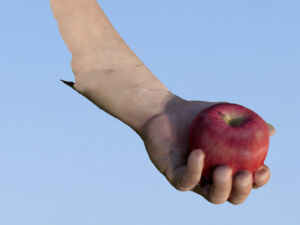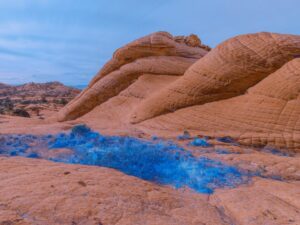
Jennifer Johnston’s 1974 novel, How Many Miles to Babylon, follows the complex and tragic friendship of two young men, who are sentenced to death during WWI. The characters come from very different backgrounds, one an Anglo-Irish aristocrat and the other a lower-class son of a labourer on his lands. It’s a powerful mediation on class boundaries and loneliness, which continues to resonate fifty years after it was first published. Now, the book is the inspiration behind a new exhibition at Photo Museum Ireland. Artist Robert Ellis first read the novel as a teenager, drawn to its restraint and the emotional charge of what remains unsaid. The Forbidden Sun, which opens on 3 September, uses landscape imagery to evoke the experience of growing up in an atmosphere of silence and shame.
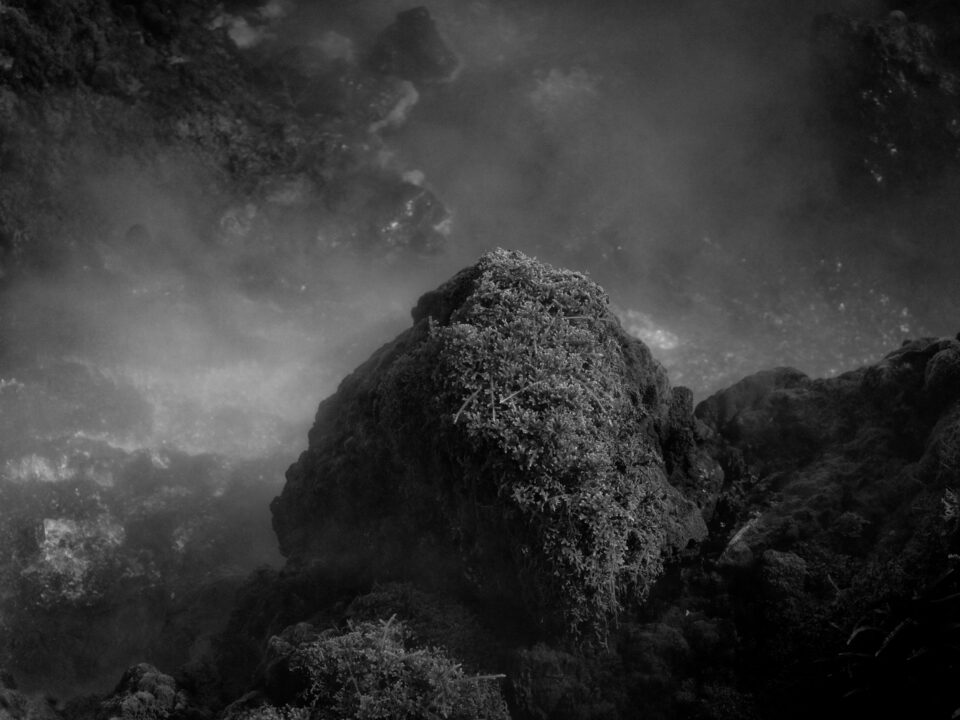
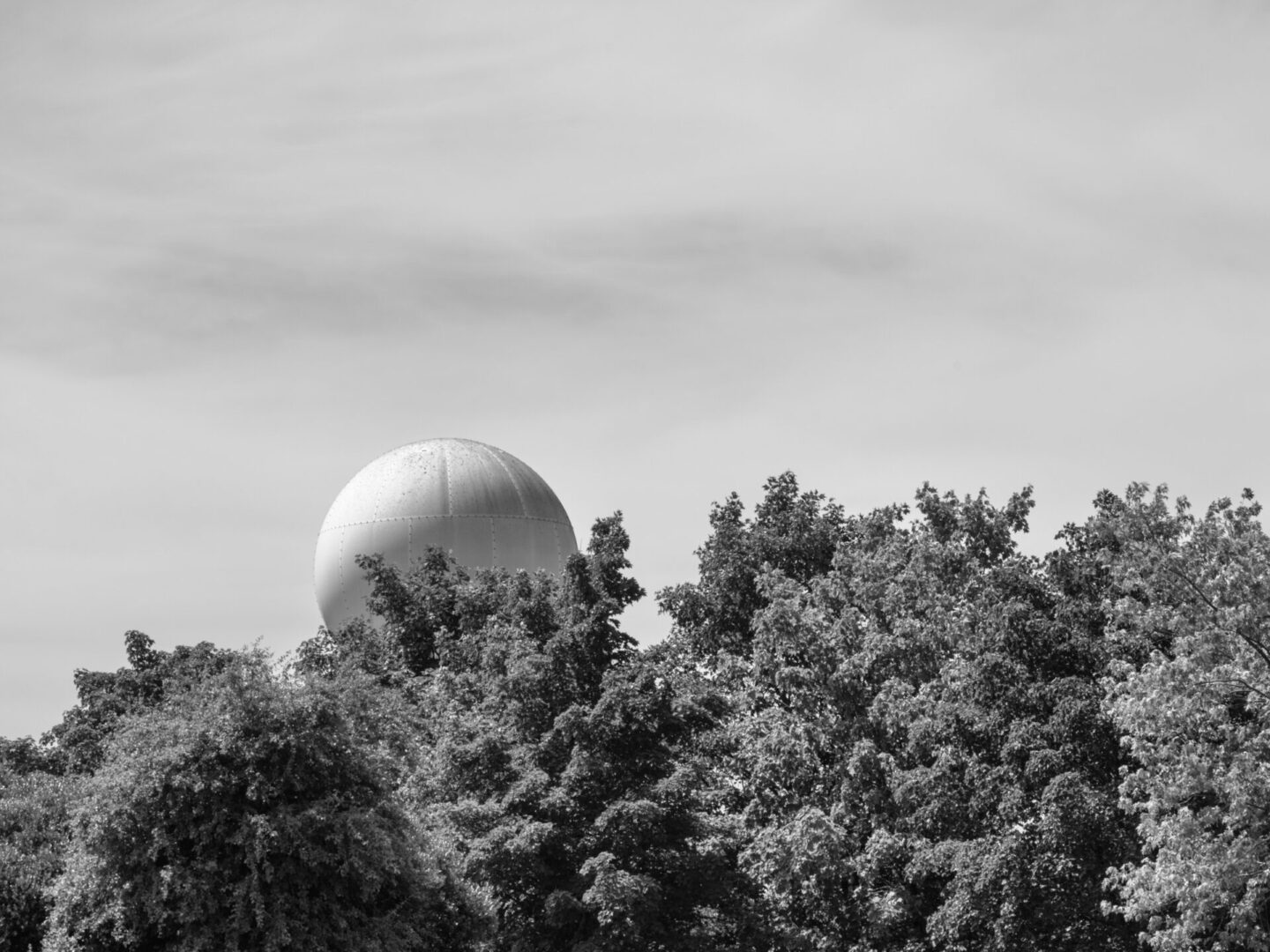
The artist uses photography, video and ambient sound to transport viewers into a world without clear boundaries or geographic markers, where natural and synthetic elements collide. The point is clear: what is hiding just out of site? What do seemingly innocuous scenes mask? In one shot, steam rises from the earth as bubbling mud and geothermal activity meet the relentless presence of industrial machinery. There is often a jarring feeling to these works, where nature’s course is interrupted by human intervention. A quarry grinds stone into dust, leaving great clouds in its wake. Buildings peak up from dense foliage, breaking up an otherwise pristine view. These landscapes are sites of profound tension, living and evolving spaces shaped by unseen pressures and energies. Here, Ellis seamlessly echoes the realities of living within the parameters of rigid societal expectations that often don’t allow for authentic self-expression.
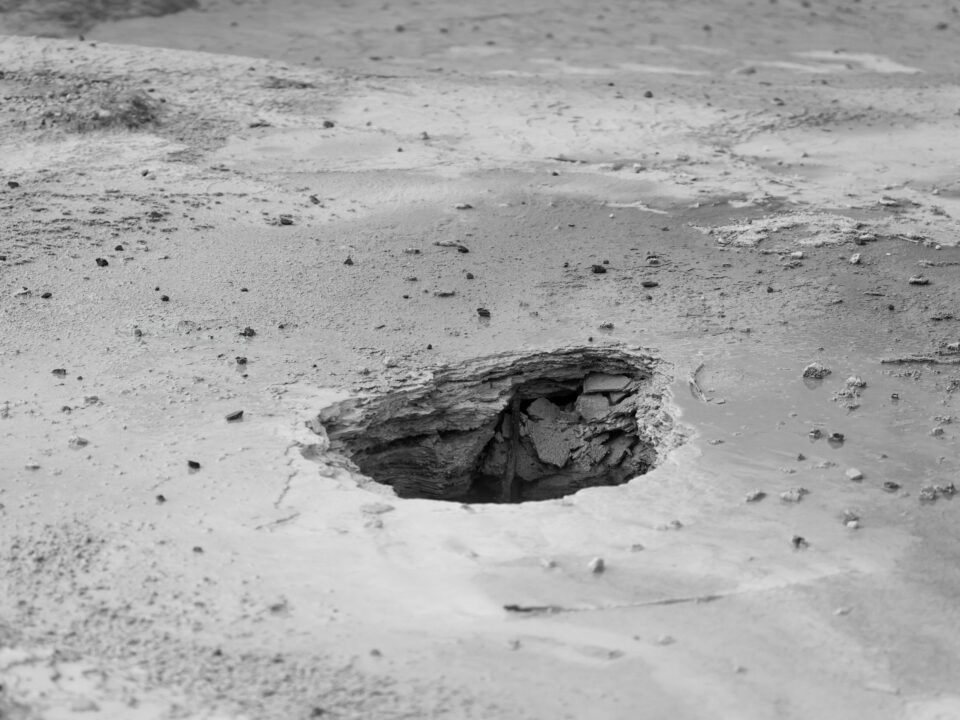
Ellis draws on personal memory, constructing an ambiguous place that unsettles the audience’s sense of reality, whilst remaining deeply rooted in the experience of growing up queer and closeted in rural Ireland, where identity must be negotiated rather than openly declared. In fact, homosexuality was not decriminalised in the country until 1993, and throughout the 20th century, many artists have addressed the realities of living clandestine existences as gay men. One famous example is painter Patrick Hennessy, who, according to IMMA, “offered visibility of gay people and their lives.” More recently, street artist and activist Joe Caslin creates work that engages directly with the social issues of modern Ireland, on an unavoidable scale. His work The Claddagh Embrace (2015) coincided with the nation’s 2015 referendum on same sex marriage, shows two worried young men tightly hugging. The piece was displayed on the side of a building and has since become an emblem of 21st century Ireland. At Photo Museum Ireland, Ellis’ work offers powerful metaphors for the forces that shape attitudes, behaviour and agency.
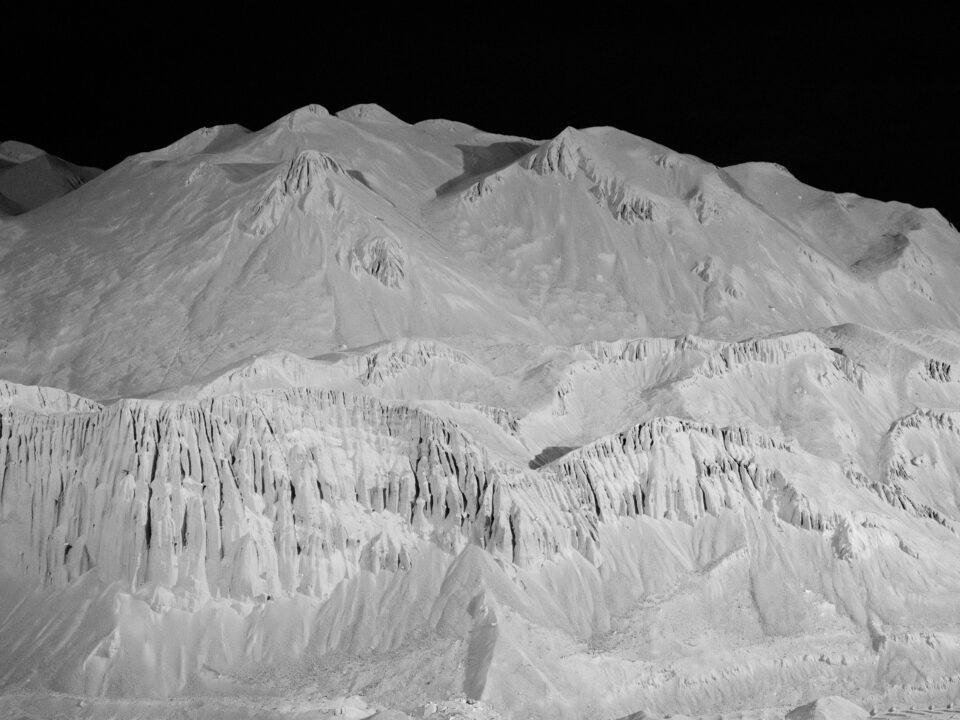
Although set against a backdrop of shame and denial, as it unfolds, The Forbidden Sun is ultimately a narrative of emotional endurance, evoking the psychological confines of “the closet” through these stark landscapes, only to reject it. The result is empowering and makes an invaluable point: we must continue to shine a light on LGBTQIA+ stories, experiences and voices until true equality is reached. The work embraces the redemptive possibilities of queer desire, with Ellis bolding asking what the forbidden sun might be and how we come to fear it before ever having felt its warmth.
Robert Ellis: The Forbidden Sun is at Photo Museum Ireland, Dublin from 28 August – 11 October: photomuseumireland.ie
Words: Emma Jacob
Image Credits:
All images: Untitled from the series The Forbidden Sun © Robert Ellis.