New clothes bought in the UK produce more carbon emissions per minute than driving a car around the world six times, according to research from Oxfam. The fashion industry is responsible for 8-10% of global emissions, and here in Britain, shoppers buy more clothes than any other in Europe. Across the world, movements have sprung up to try and counteract these harmful effects and raise awareness of the harm it is doing to the planet. Each year, Oxfam runs “Second Hand September,” encouraging supporters to give up buying new for the duration of the month, a move that could prevent 12.5 billion kilogrammes of carbon dioxide emissions. Meanwhile, reselling apps have boomed, with over 800 million items listed on Vinted and over 50 million users registered on Depop. But, despite these efforts, it seems we’re far from changing our ways, with the World Bank predicting global clothes sales could increase by 65% by 2030.
Costing the Earth, hosted at South Square Centre, Bradford in partnership with Impressions Gallery, highlights the damaging effects of fast fashion on our planet and, crucially, the small actions we can do to make a positive difference. The group show presents artworks by Mandy Barker, Alice Fox, Hannah Lamb and Atiyya Mirza, amplifying different ways artists are tackling the climate crisis. Each one works with recycled or sustainably sourced materials to create photographic images, sculptures and textile artworks. Jane Hiley, Curator at Impressions Gallery, says: “Underpinning Costing the Earth is the urgency to raise awareness of the climate crisis and how we can all use creativity to make small, positive changes. I hope audiences will be inspired by these beautiful and thought-provoking artworks to take action themselves.”
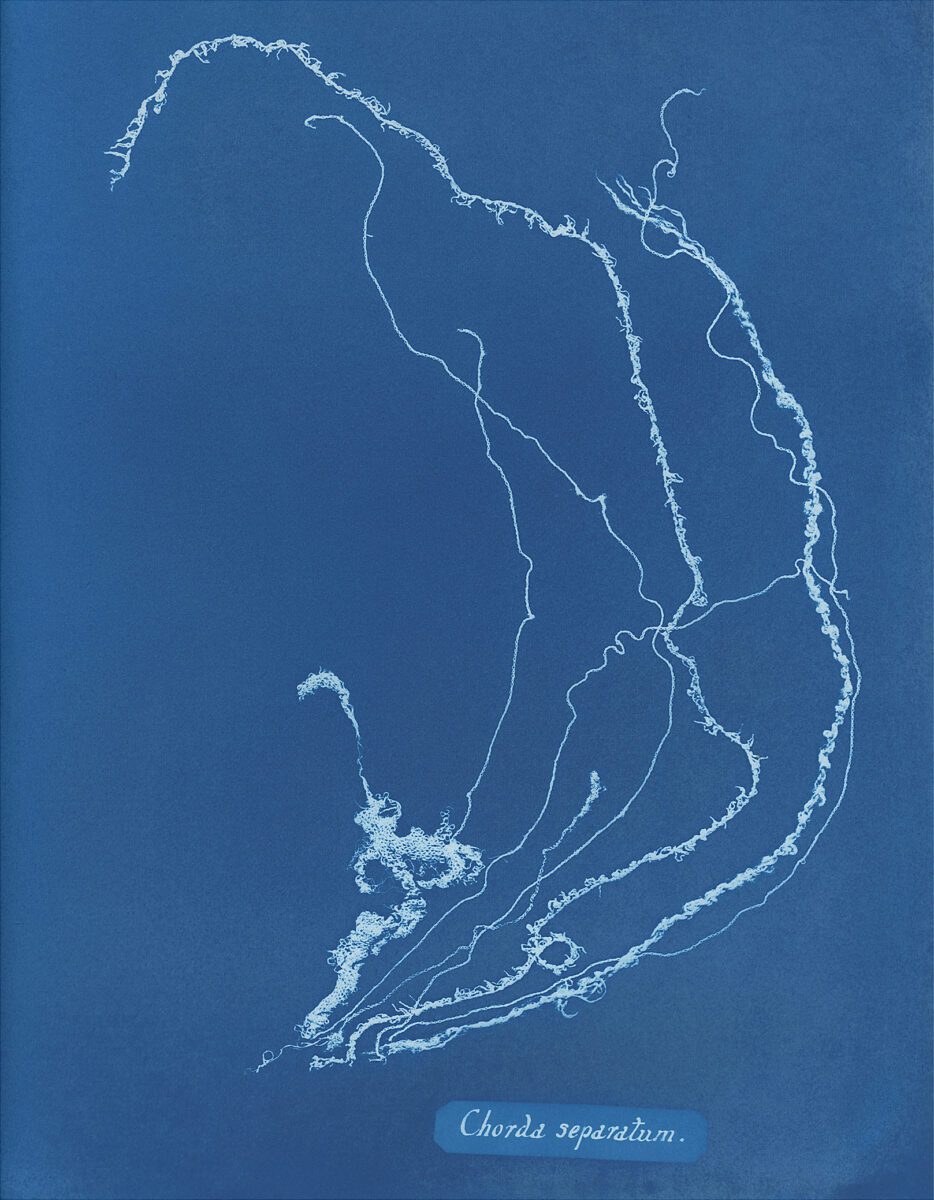
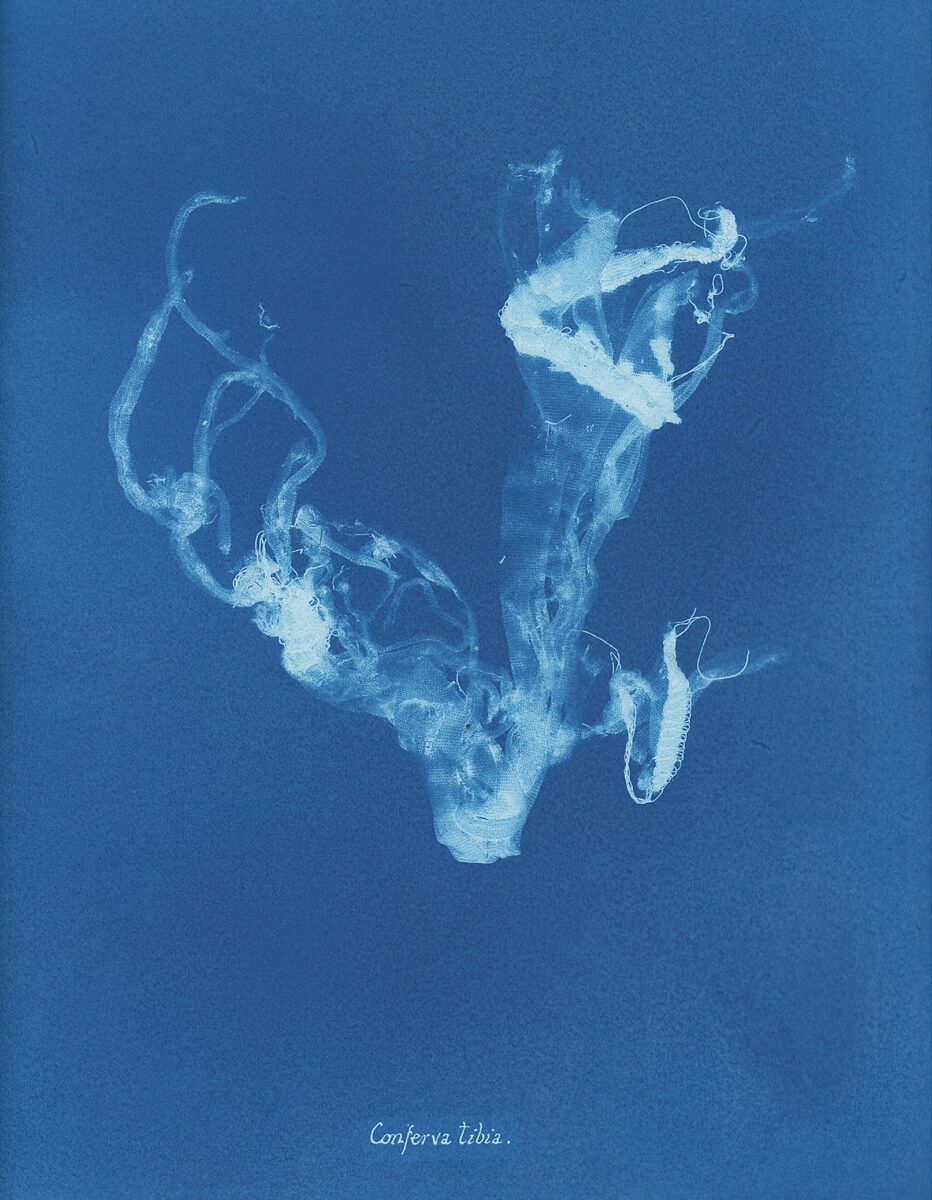
The cornerstone of the exhibition is Mandy Barker’s Photographs of British Algae” Cyanotype Imperfections, a homage to pioneering botanist and photographer Anna Atkins (1799 – 1871). The series began in 2012, when Barker mistook a piece of material in a rock pool for seaweed. In the years since, she has recovered over 200 examples of discarded fabric from around the coastline of Great Britain, from John O’Groats to Land’s End. The artist meticulously recreates the methods of Atkins, whose compendium Photographs of British Algae: Cyanotype Impressions (1843), is the first ever book illustrated with photographs. But here, Barker substitutes botanical specimens for found garments, sparking vital conversations about fast fashion, synthetic clothes and the harmful effect of microfibres in the oceans.
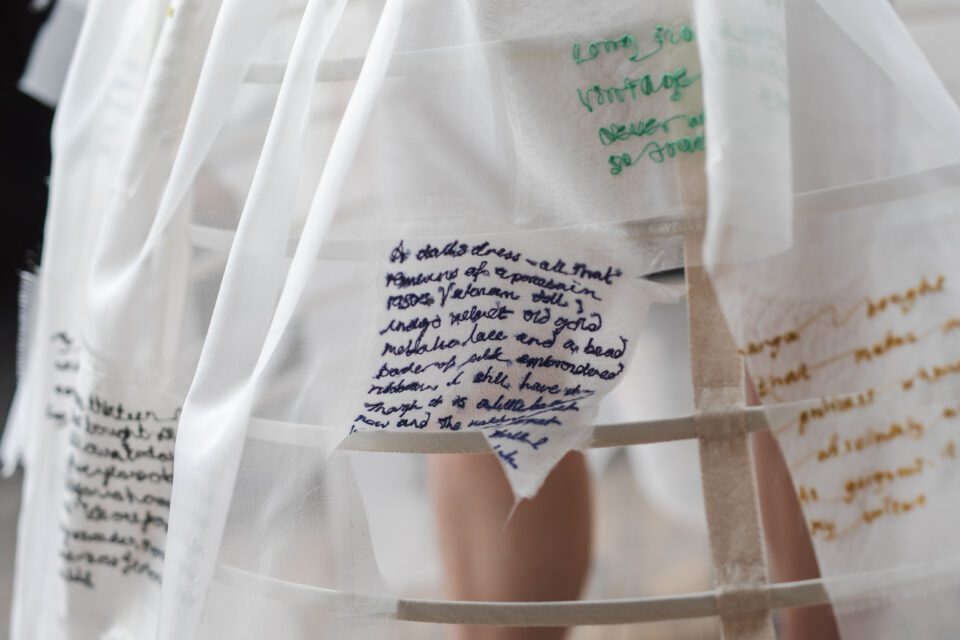
Meanwhile, Fragments of a Dress by Hannah Lamb draws from the precious scraps of clothing associated with the Brontë family, especially Charlotte, in the collection at the Brontë Parsonage Museum. Lamb invited visitors to the museum to share stories about a significant item of clothing that they treasure, leaving a handwritten note about the item and what it means to them. These touching and highly personal responses were then embroidered onto silk organza, overlapping and layering a mesh of memories. The artist explains: “textiles and clothing can hold powerful memories, reminding us of people, places and special moments in our lives. Today, despite living in a world of ‘fast-fashion’ and disposable attitudes to clothing, many of us still keep old of things that help us to remember.”
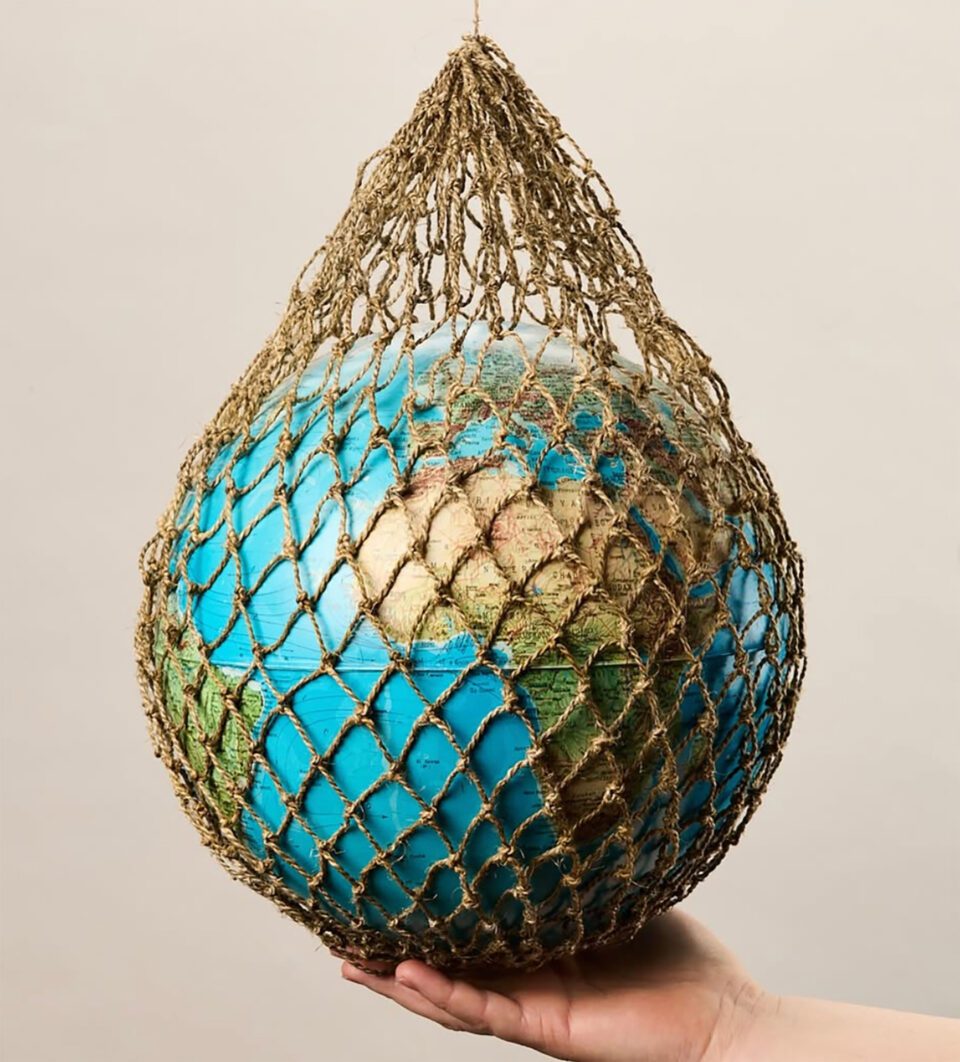
Barker and Lamb look to reconnect us to the past and consider how our relationship to nature and consumption has changed. Alice Fox continues to draw from historical knowledge, this time to question how we can shape a more sustainable future. Fox’s artwork explores the idea of creating a safety net for the world, using different materials for net making, from repurposed polyester fabric to hand twisted string from allotment grown plant fibres. Her work is rooted in a background in physical geography and nature conservation, with “found items forming the focus of [her] response to a landscape, forming tangible links to the places they were gathered from.” Atiyya Mirza’s practice is also deeply personal. The playful textile piece Great Women Chilling explores womanhood, empowerment, independence and identity, inspired by the women in Mirza’s family. The artist uses scrap fabrics she has collected over many years and found materials, exploring ways of working sustainably when creating artwork.
Costing the Earth is at South Square Centre, Bradford until 30 August: impressions-gallery.com
Words: Emma Jacob
Image Credits:
1&5. Conferva tibia, Photographs of British Algae, Cyanotype Imperfections © Mandy Barker.
2. Fragments of a Dress © Hannah Lamb.
3. Chorda Separatum, Photographs of British Algae, Cyanotype Imperfections © Mandy Barker.
4. Safety Nets, Flax and Globe © Alice Fox.