In 2024, the Taliban placed a ban on images and videos of “living things,” a ruling that ensured photojournalism became almost impossible in Afghanistan. The move to not show pictures of “things with a living soul” – largely understood to mean people and animals – is enforced across all media. Ultimately, it means the experiences of those within the country are effectively cut off from the outside world. It is just one part of wider crackdowns by the Taliban, who since the collapse of the former government in August 2021, have intensified attacks on women and girls; stifled independent media; and restricted international involvement in the country. It is in this climate that Daniel Malikyar’s new book, Afghanistan, emerges – offering a vital counternarrative to the dominant discourse, and a rare glimpse into the everyday life, culture and people of a country rarely seen by international audiences.
Developed over multiple self-funded journeys during a brief period of access, the project centres on everyday life, cultural depth and human connection, challenging decades of perception shaped almost exclusively by conflict. The artist’s perspective is shaped by a rare dual experience. When the USA invaded Afghanistan in 2001, he was six years old, growing up in the States as the son of Afghan refugees. In public life, the country was defined by headlines; at home, it was culture, history, music, food and tradition. That contrast shaped both his identity and artistic mission, explaining that: “The Afghanistan I grew up hearing about at home was full of beauty, culture and humanity. This project is about reconnecting with that truth and sharing it with the world, and of honouring every kid of immigrants who dreams of their homeland.”
Here, the artist joins a long and celebrated line of peers who have captured the essence of the country. Magnum photographer Steve McCurry is perhaps the most famous example, travelling to Afghanistan between 1979 and 2016, documenting the society’s dramatic changes throughout the period. His first trip, in the spring of 1979, happened during a civil war, as he described: “The human drama in such areas can be difficult to comprehend. I think documenting these dire situations and giving a voice to people who aren’t able to tell their stories is what photography does best. Although I often work in areas rife with conflict, the images I make are about the people themselves. For me, the goal is to find some sort of universality among peoples.” Meanwhile, Alex Majoli, Thomas Dworzak and Moises Saman experienced the years following the 9/11 attacks in 2001, and the subsequent invasion by the USA. Yet, Malikyar occupies a unique space, belonging to the country in a way that many who came before him did not.
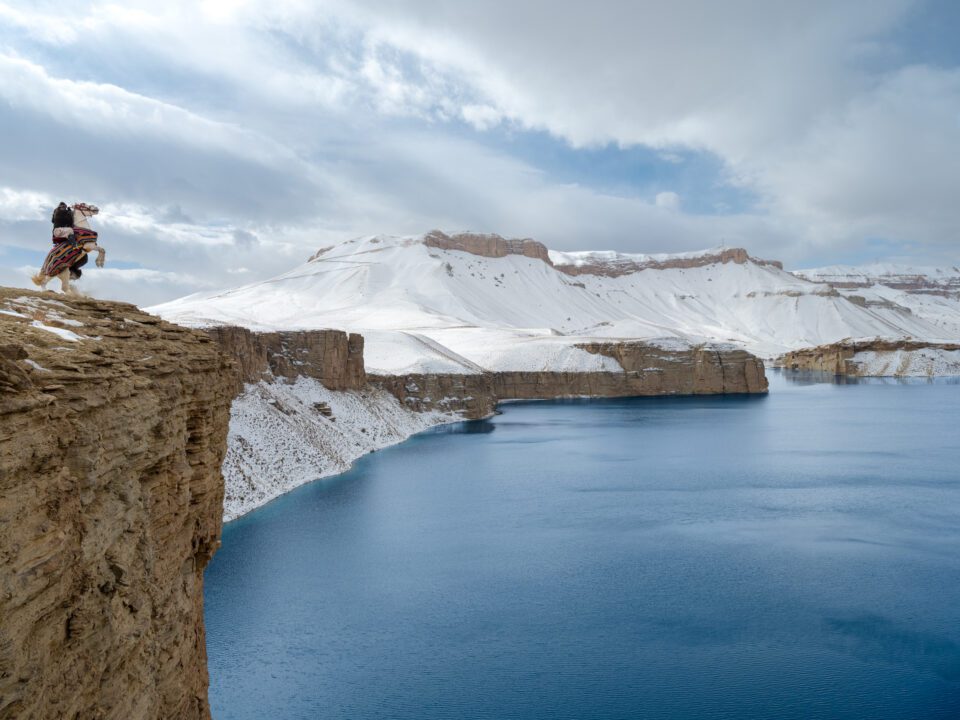
The project was made when Malikyar returned to the country as an artist, approaching the nation not as an outsider documenting a foreign place, not as a purely personal subject, but from a position that bridges both worlds. His cultural familiarity, language access and long-term engagement enabled relationships built on trust, granting access to communities and regions that had not been documented in this way for decades. The resulting work offers an exclusive visual record of daily life and self-expression, created during a narrowly defined historical moment of access. Many of the locations, stories and interactions captured required extensive logistics and time and are now impossible to revisit and document. Rather than reinforcing established narratives, the project reframes Afghanistan through its humanity, showing people as they see themselves, not as they have been portrayed. Subjects are active participants in their representation, and the images emphasise dignity, individuality and cultural continuity.
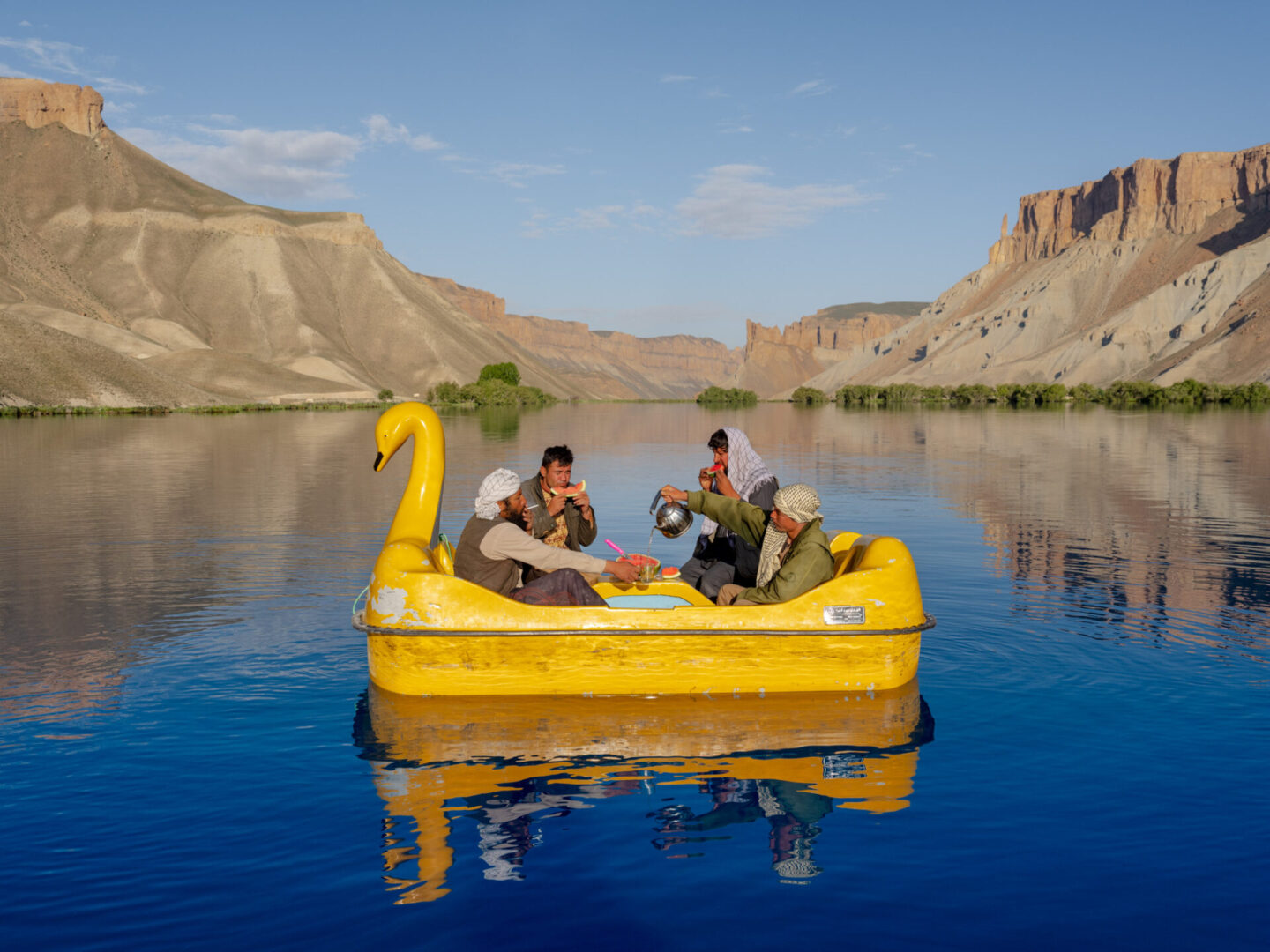
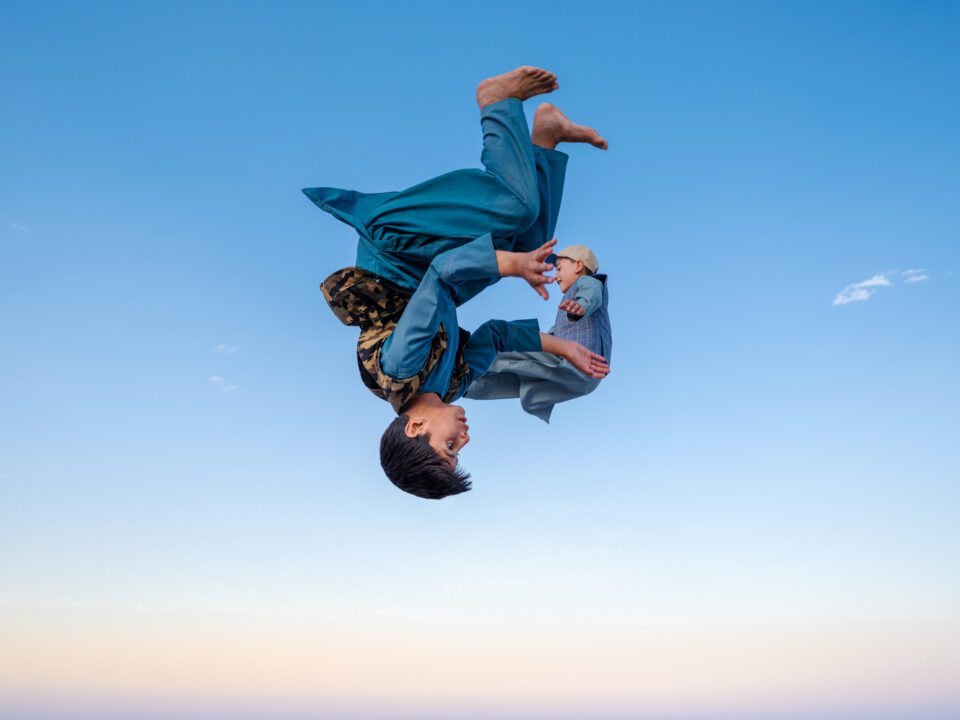
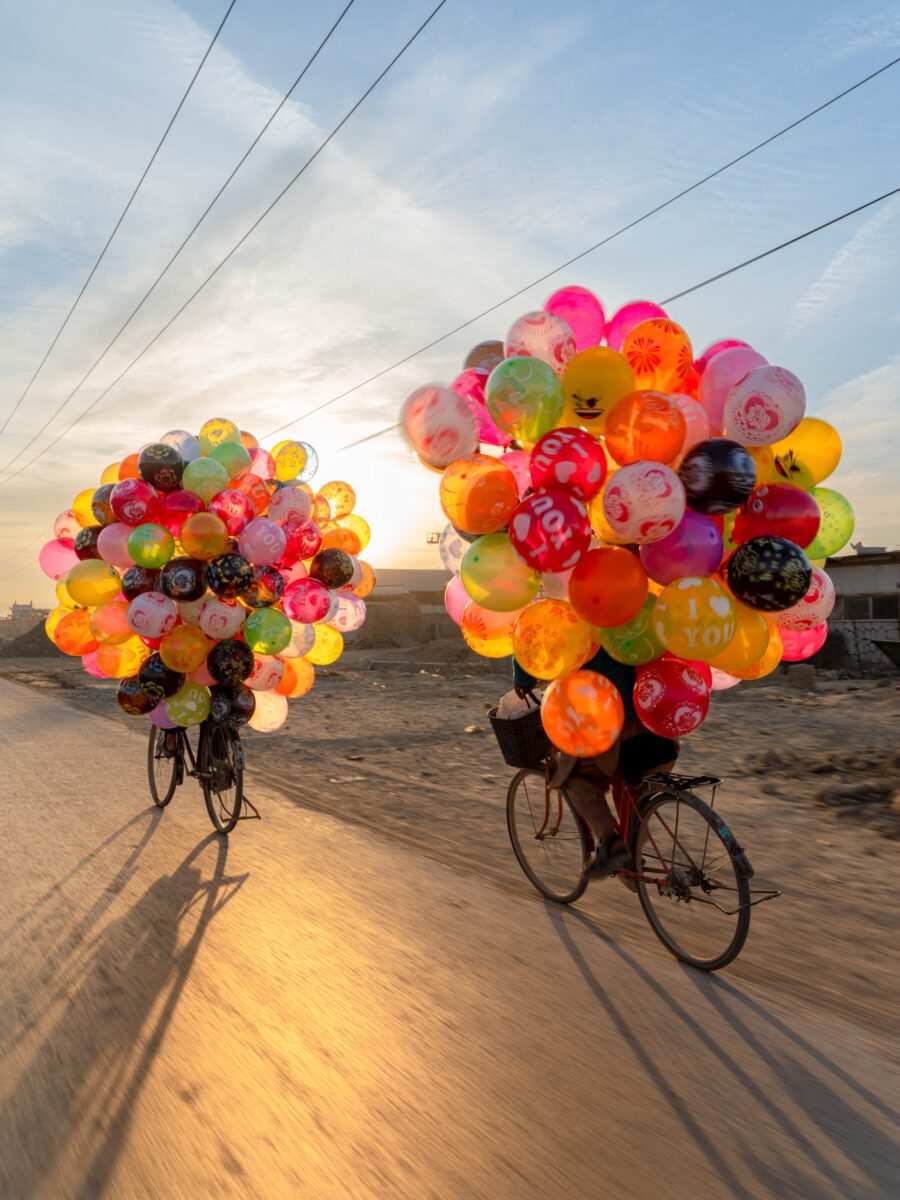
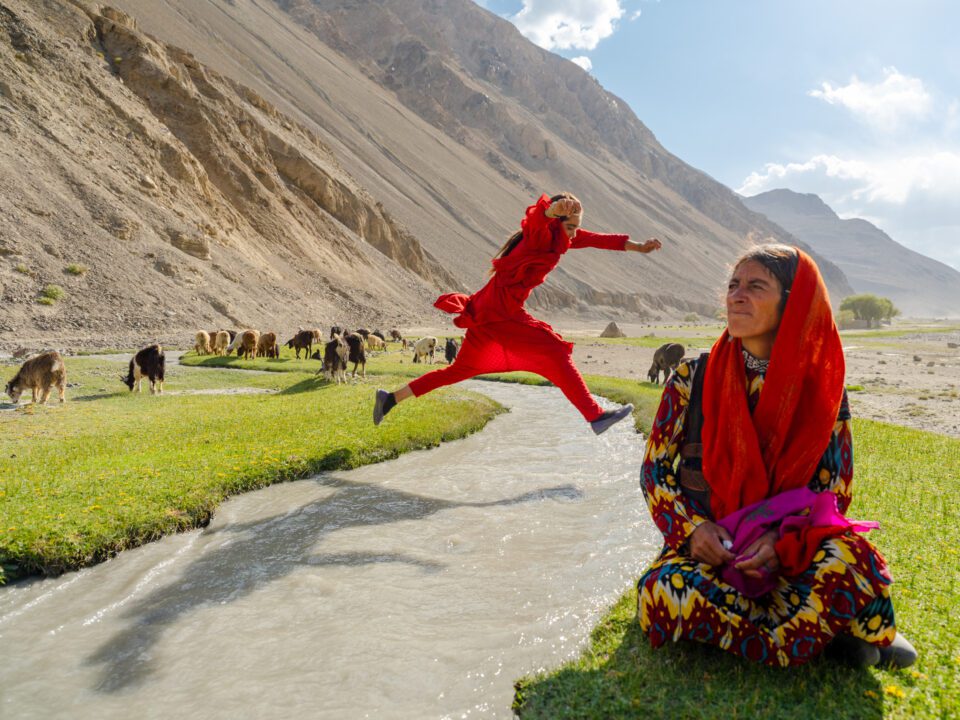
There is one overriding takeaway from the images: colour. The book’s cover is a prime example, where four men sit in a pedalo. The bright yellow boat is shaped like a swan, floating upon a calm blue lake. The scene is full of humour, as the figures share tea and watermelon, seemingly unconcerned by their unusual choice of transport. Malikyar’s ability to capture vivid imagery is enhanced by the childhood joy that runs through many of the images. A young girl, dressed in orange, turns to look at the camera, pausing halfway up climbing a tree. Elsewhere, a young figure is captured in motion, leaping across a stream with red clothes billowing behind them. Nangarhar sees six boys line up, dressed in elaborate outfits. In an interview with The Guardian, Malikyar described how: “In a rural village in the mountains of eastern Afghanistan, there’s a group of boys who have developed their own sense of style. The village is home to the Pashai people, an ethnic minority with their own language and cultural identity. With no access to the internet and limited resources, they’ve created a visual identity that feels entirely their own.”
What makes this book particularly unique is its placement in Malikyar’s wider practice. Alongside the publication from TeNeues, a traveling gallery exhibition will debut in Los Angeles, and a documentary film series is set to be released. A portion of proceeds will benefit Malikyar’s 501©(3) nonprofit foundation, which provides equipment, training and mentorship to storytellers in underserved communities. The foundation’s first Afghan mentee, Nasser Zormati, serves as cinematographer on the documentary series.
Afghanistan is a defining moment in Daniel Malikyar’s career, and an integral addition to the country’s artistic canon. The book unites his personal history with a once-in-a-generation body of work, created during a fleeting moment of access. It is, at once, a vital visual record of a country and, put simply, an aesthetic masterpiece. This publication is a seminal moment in documentary photography.
Afghanistan is published by TeNeues on 5 August: gestalten.com
Words: Emma Jacob
Image Credits:
All images: Afghanistan. Daniel Malikyar. © Daniel Malikyar. Courtesy of the artist and gestalten.