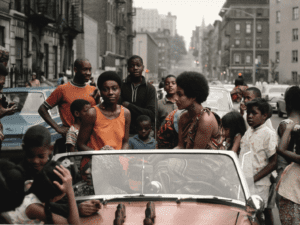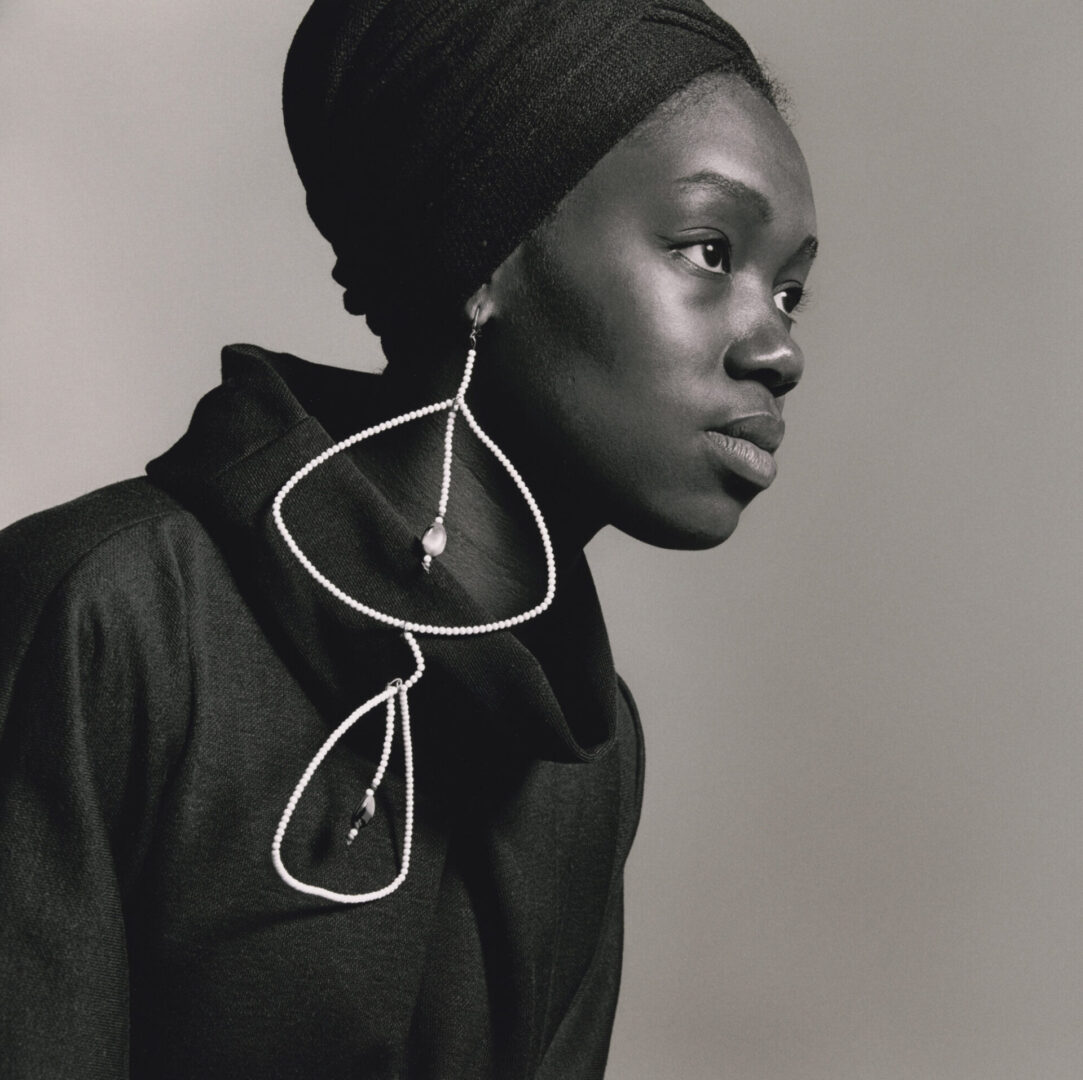
Ideas of Africa: Portraiture and Political Imagination explores the transformative power of photographic portraiture to shape identity, imagination and political consciousness. The exhibition traces how photographers across mid-20th century Africa and its diaspora captured the aspirations of individuals while contributing to broader movements for Pan-African solidarity. These portraits illuminate Africa not only as a physical continent but as a conceptual space, defined by dialogue, creativity and shared possibility. Through the circulation of images across borders, the exhibition demonstrates how portraiture functioned as both witness and catalyst during moments of decolonial transformation, when European colonial dominance was unravelling and nations from Ghana to Senegal were negotiating independence.
Historical texts and philosophical thought have long challenged reductive narratives of Africa, and the exhibition builds on V. Y. Mudimbe’s The Idea of Africa to frame its exploration of alternative imaginaries. Photography emerges here as a medium that does more than document; it captures the zeitgeist of societies undergoing rapid change. Image-makers crafted presence, identity and collective agency amid shifting political landscapes, from the wave of African independence in the 1950s and 1960s to the civil rights and Pan-Africanist movements in the United States. Curator Oluremi C. Onabanjo underscores the continuing relevance of this history, stating: “As we continue to witness transformative shifts in the global geopolitical order, it is instructive to revisit a moment in history that saw the disintegration of colonial territories and the formation of transnational solidarity across the African continent and diaspora.” Her words situate the exhibition as both a historical reflection and a prompt for contemporary engagement.
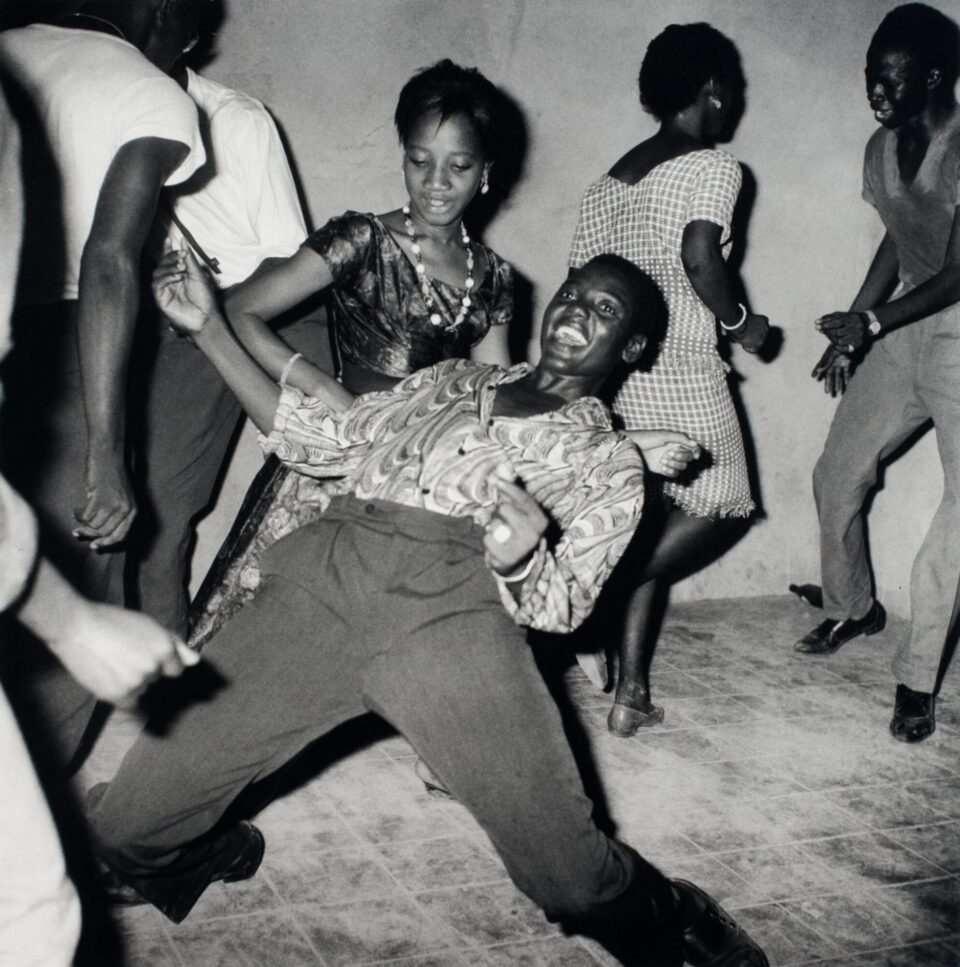
The mid-20th century “golden age of African portraiture” provides a vivid lens into urban life and cultural innovation. Studios across West and Central Africa became dynamic spaces where Seydou Keïta, Malick Sidibé, Jean Depara, Sanlé Sory and Ambroise Ngaimoko framed subjects as protagonists of a changing world. Their studios buzzed with creativity, and portraiture often became a collaborative performance. Sory’s lively images in Bobo-Dioulasso and Sidibé’s nightlife photographs from Bamako reveal cities alive with experimentation, jazz-inspired dances and youthful exuberance that reflected broader social liberation. Keïta’s refined, geometric compositions exude elegance and poise, mirroring the optimism and aspirations of post-independence Mali, while Depara’s Kinshasa scenes foreground exuberance and movement as forms of self-expression, reflecting the vibrancy of Congolese music and popular culture. Together, these works illustrate how photographers navigated modernity and transformation, capturing moments when African urban centres were reimagining themselves culturally, politically and socially.
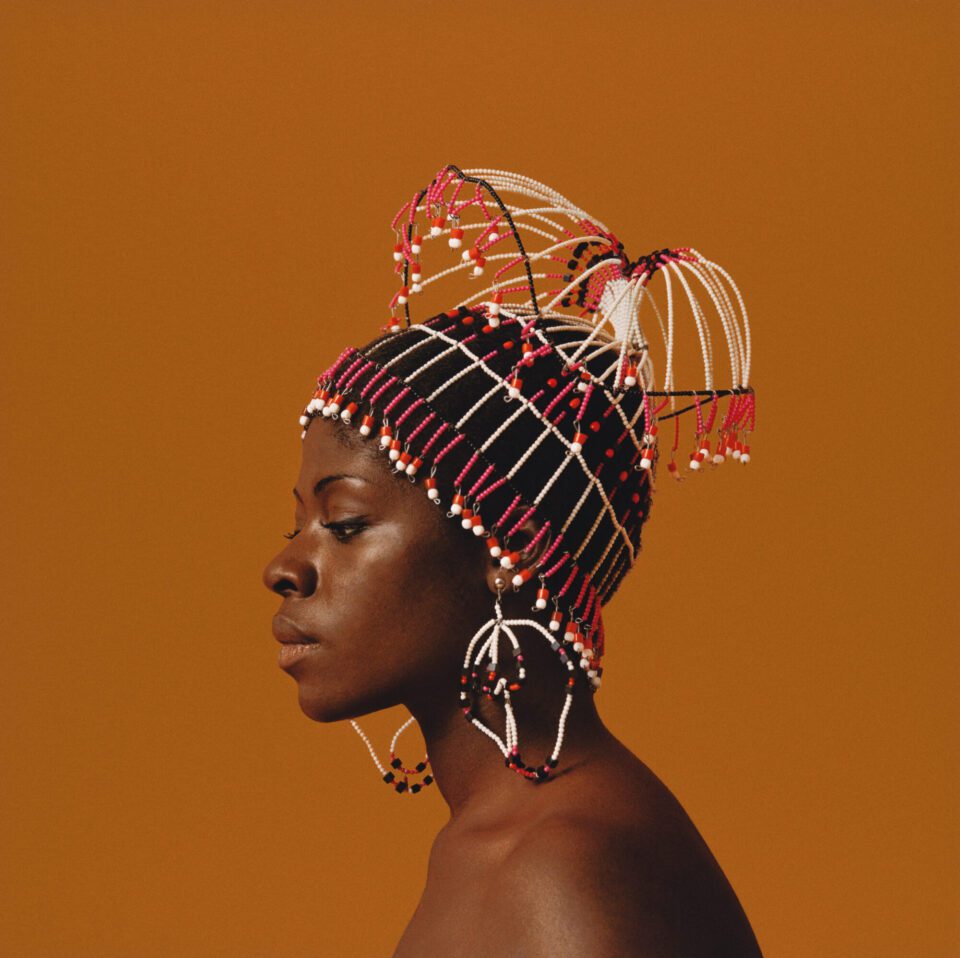
Transnational connections emerge through the work of photographers bridging Africa and its diaspora. James Barnor, moving between Ghana and the UK, documented diasporic life with warmth and agility, revealing how African modernity adapts across borders and intersects with global styles, music and fashion. Kwame Brathwaite used portraiture to cultivate cultural pride and political awareness, particularly through his involvement with the African Jazz Art Society and Studios (AJASS) and the “Black is Beautiful” movement during the 1960s and 1970s. His portraits of models in natural hair and African-inspired fashion celebrated beauty while advancing empowerment, influencing communities in New York and across the diaspora. These images demonstrate that photography functions not only as documentation but as a tool for consciousness and connection, aligning aesthetics with activism during a period when African-descended communities were asserting self-determination culturally and politically.
Contemporary artists continue to expand the possibilities of portraiture, connecting historical and present-day modes of expression. Samuel Fosso employs self-portraiture to examine personal and political identity, forging dialogues with past images while questioning the individual’s role within broader narratives. His work evokes the performative experimentation of the 1960s and 1970s, highlighting how identity was staged and visualised to contest stereotypes. Silvia Rosi revisits family histories through staged photography, blending performance and research to probe memory, migration and representation, often referencing postcolonial social shifts and diasporic trajectories. Njideka Akunyili Crosby merges photographic transfers with drawn elements in large-scale mixed media works, charting the complexities of diasporic experience, layering personal histories alongside historical traces of colonial and postcolonial contexts. Together these artists show how images circulate across time and space, moving through prints, memory and layered storytelling, bridging the historical and the contemporary in meaningful ways.
The exhibition’s inclusion of archival materials from the Air Afrique collective highlights how ideas travel through visual culture. The collective employed photography, publishing and design to cultivate networks linking African cities and diasporic centres, illustrating the power of cultural production to connect communities across distances. Their work reflects the mid-20th century proliferation of Pan-Africanist thought through journals, posters and newspapers that circulated in Lagos, Accra, Paris and New York. A reading room reinforces this theme, displaying photobooks, magazines and archival publications that document the circulation of knowledge and political ideas during periods of decolonial transformation. Visitors are invited to consider how images and printed matter shaped dialogue, activism and imagination, and how they contributed to a sense of shared identity across the African continent and beyond.
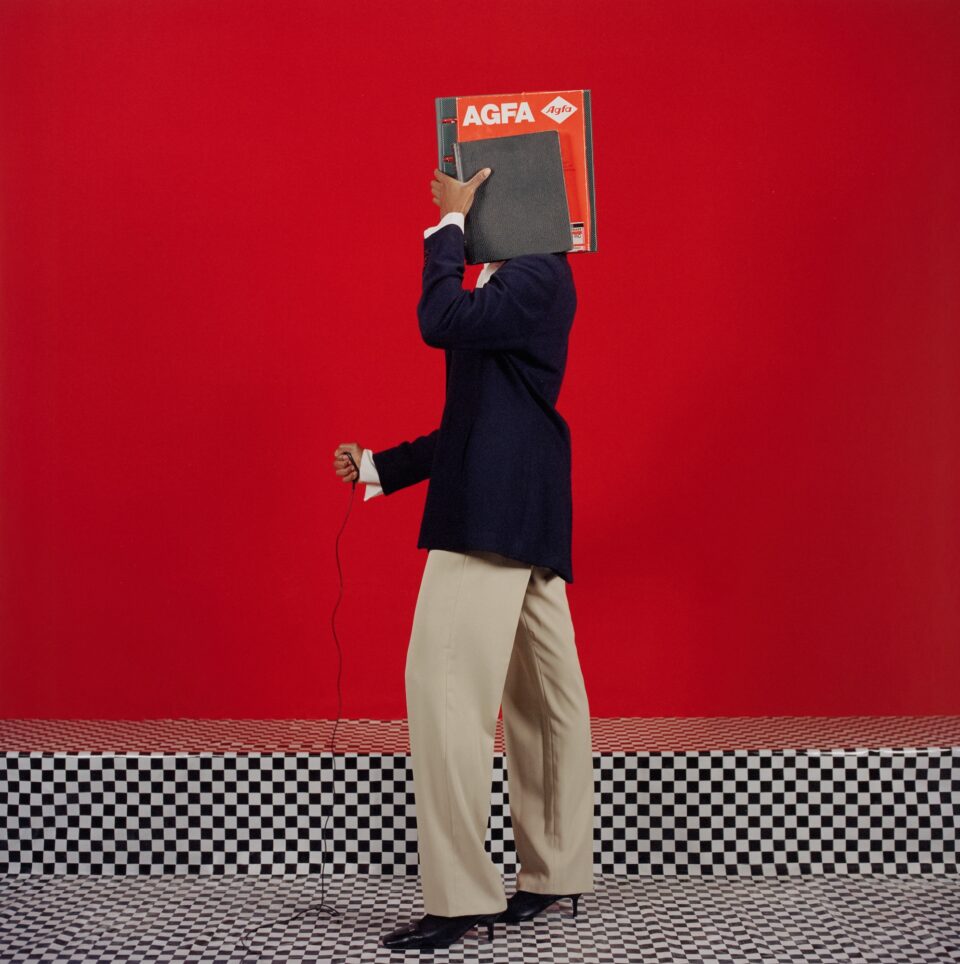
Portraiture emerges as an active, generative practice rather than passive depiction. Every choice – backdrop, pose, attire – contributes to the construction of identity and meaning. The audio guide amplifies this insight by encouraging close observation, with commentary from artists, writers and historians highlighting subtleties that might otherwise go unnoticed. This attention to detail invites viewers to consider composition, gesture and context as deliberate acts shaping political and cultural narratives. The works collectively suggest that images operate as instruments of connection and empowerment. Subjects express agency, individuality and social ambition, reflecting broader currents of Pan-African thought. Dignity and style appear as forms of resistance, while visual culture travels between cities, continents and generations, extending the influence of these photographs beyond their immediate contexts. These images reveal Africa as a site of imagination, negotiation and transnational solidarity, and demonstrate how photography documented both ordinary and extraordinary moments of the mid-20th century.
The exhibition resonates amid shifting global structures and renewed debates around identity and community. Rather than drawing direct parallels with present conflicts, Ideas of Africa encourages reflection on how art responds to historical and contemporary upheaval. During the mid-20th century, photography served as a vehicle for imagining shared futures amidst the dismantling of colonial systems, when African nations were forging independence constitutions and Pan-African congresses debated continental solidarity. Today it remains a medium for reimagining possibility and fostering solidarity, underscoring the enduring relevance of these portraits and the continued circulation of ideas across time.
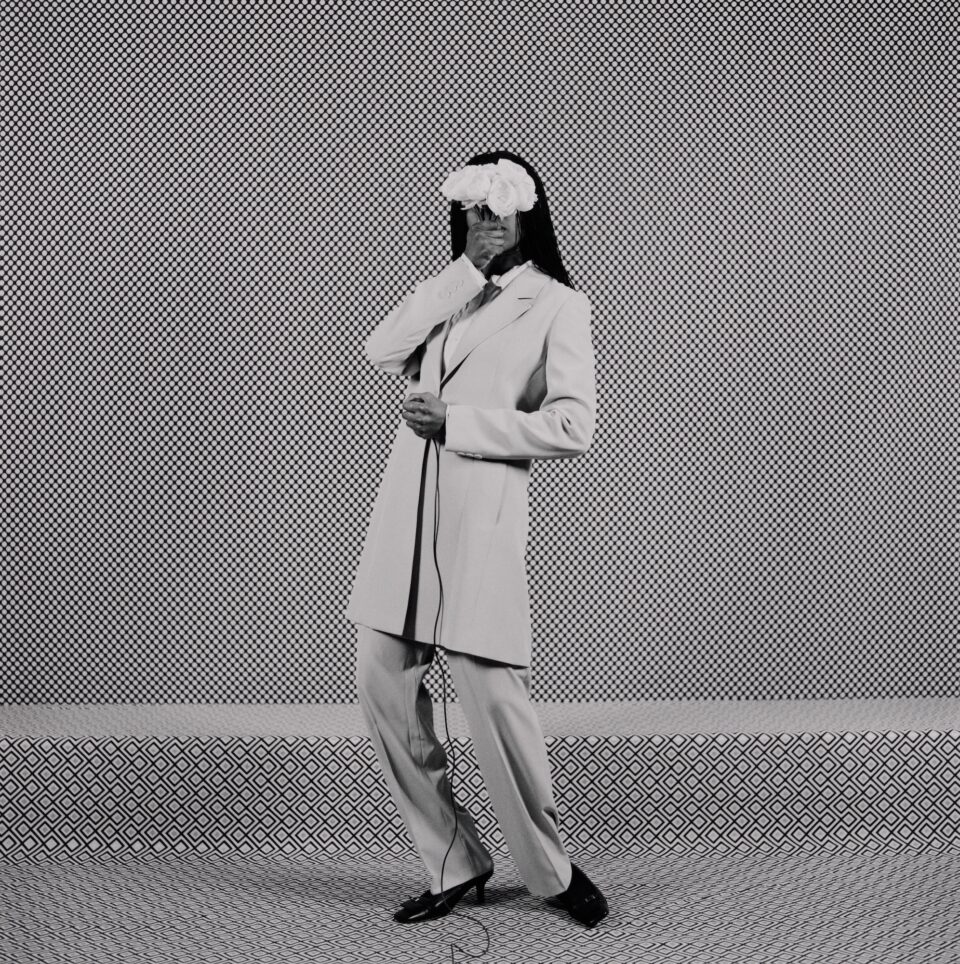
Ideas of Africa: Portraiture and Political Imagination honours image-makers who challenged inherited narratives and forged spaces for collective dreaming. The show underscores the importance of historical reflection, demonstrating that portraiture can offer insight, affirmation and connection. Beyond representation, these images reveal how identity forms through exchange, dialogue and imagination. They remind us that new worlds often begin with the simple yet radical act of seeing one another differently, reinforcing the power of photography as a medium of both witness and invention.
Ideas of Africa: Portraiture and Political Imagination is at MoMA, New York from 14 December 2025 – 26 July 2026: moma.org
Words: Simon Cartwright
Image Credits:
1. Kwame Brathwaite. Untitled (Nomsa with Earrings). 1964-68. Inkjet print, printed 2018. The Museum of Modern Art, New York. Committee on Photography Fund. © 2025 Kwame Brathwaite.
2. Kwame Brathwaite. Untitled (Sikolo with Carolee Prince Designs). 1964–68. Inkjet print, printed 2018. The Museum of Modern Art, New York. Committee on Photography Fund. © 2025 Kwame Brathwaite.
3. Malick Sidibé. Regardez-moi! (Look at Me!). 1962. Gelatin silver print, printed 2003. The Museum of Modern Art, New York. Gift of Jean Pigozzi. © 2025 Malick Sidibé. Courtesy of the artist and Jack Shainman Gallery, New York.
4. Silvia Rosi. Disintegrata di profilo (Disintegrated in Profile). 2024. Inkjet print. The Museum of Modern Art, New York. Carl Jacobs Fund. © 2025 Silvia Rosi.
5. Silvia Rosi. Sposa italiana disintegrata (Disintegrated Italian Wife). 2024. Inkjet print. The Museum of Modern Art, New York. Carl Jacobs Fund. © 2025 Silvia Rosi.