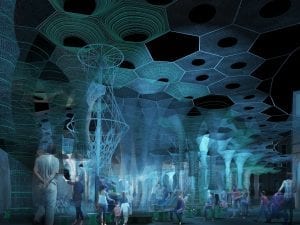
Windows have always been rich with metaphorical potential. Edward Hoppers’ Night Windows revealed the private moment of a woman in her bedroom, unaware of the viewer’s gaze. As MoMA describe “the painting exposes the voyeuristic opportunity of the modern American city, and the contradiction it offers between access to the intimate lives of strangers and urban loneliness and isolation.” The same theme is explored in Alfred Hitchcock’s beloved 1954 thriller, Rear Window. Meanwhile, in photography, pioneering figure Alfred Stieglitz frequently used them as a framing device. Fast forward to today and Julia Fullerton-Batton’s Looking Out from Within captured her West London neighbourhood during the Covid-19 lockdown, documenting the surreal moment of distance. She explained how “the window became key; the focus point for each image, it was acting as a barrier to the virus and the subjects’ freedom.”
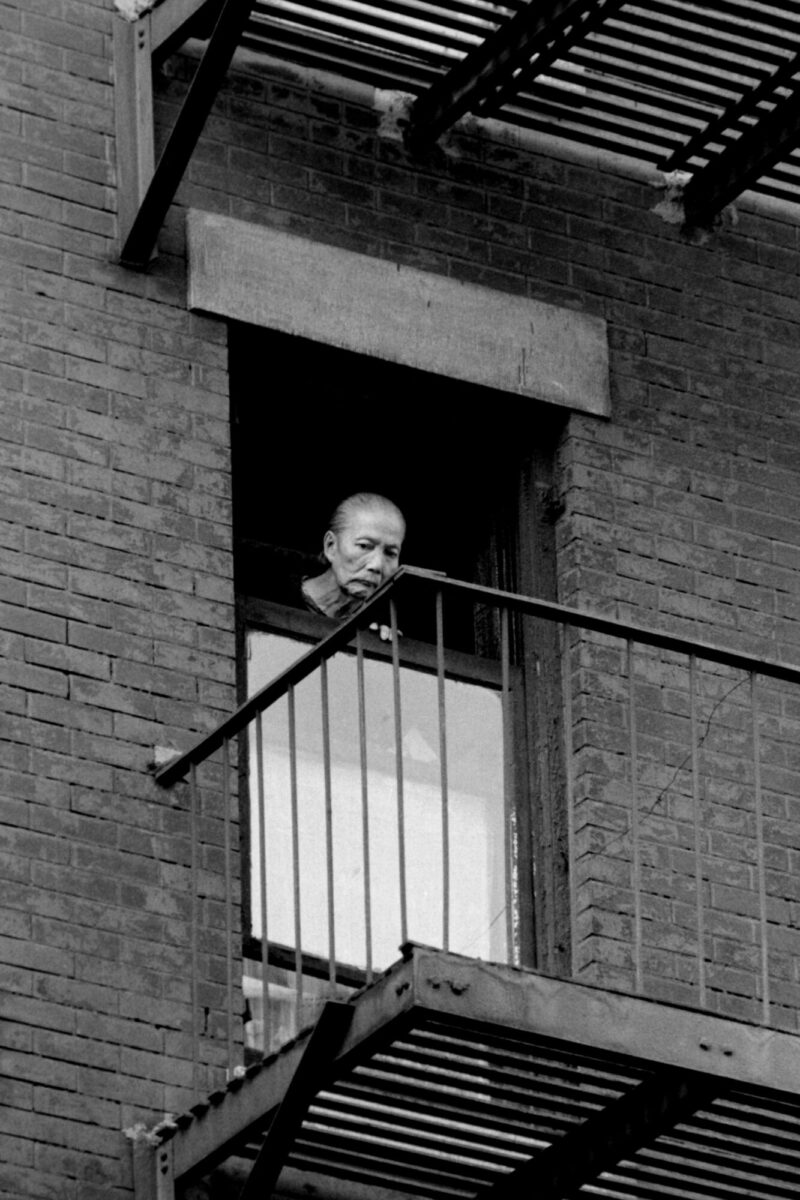
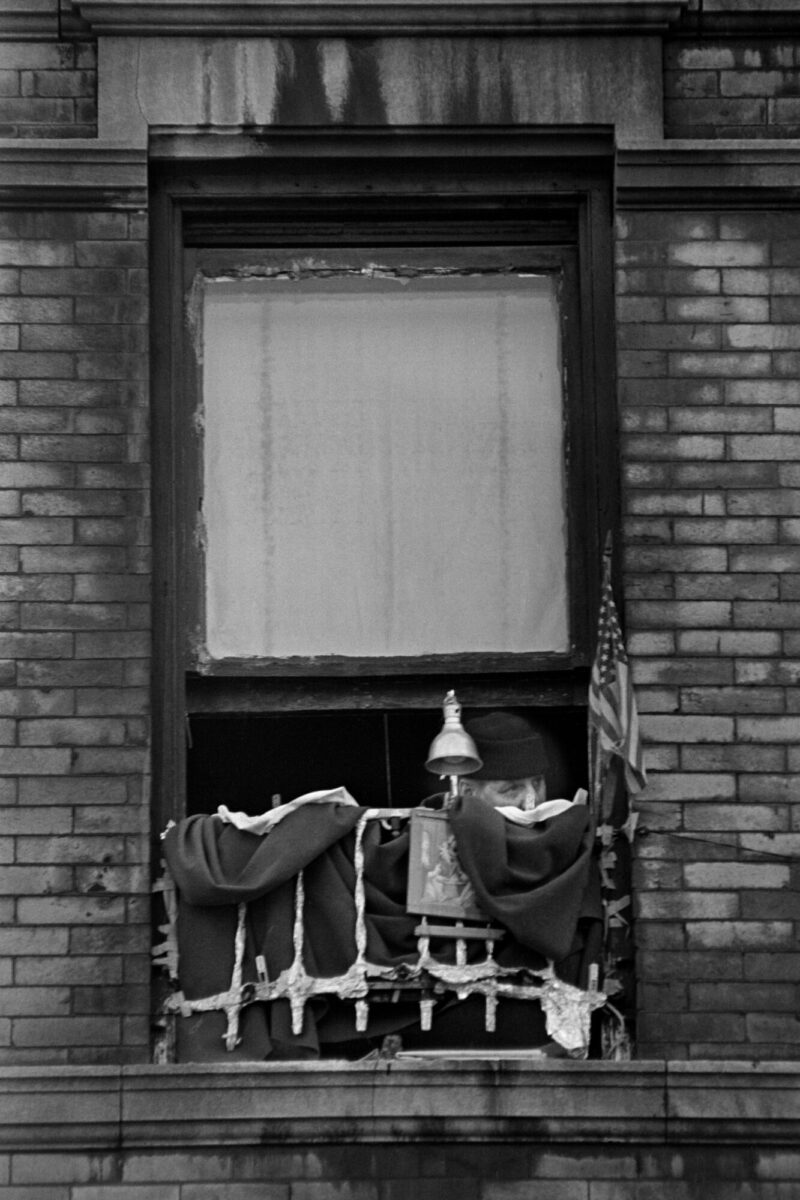
Masao Gozu (b. 1946) is another artist who uses windows to say something about the interior theatre of everyday life. His work is now the subject of Windows and Bars at MoMA PS1, which presents a focused selection of photography, sculpture and archival material from key series dating from 1972 to today. The Japanese artist emigrated to New York City in the 1970s, where, despite having no formal training in photography, he began documenting apartment buildings from the street, capturing their inhabitants in moments of contemplation, excitement and boredom. Gozu’s work is inextricably bound up with his experiences as a stranger in a foreign city, and he predominantly photographed immigrant neighbourhoods, from Chinatown and Little Italy to Bay Ridge and Crown Heights. Throughout his decades-long career, Gozu consistently presents the window as an elision of solitude and communion, and a metaphor for his own sense of estrangement in a country whose language he did not share.
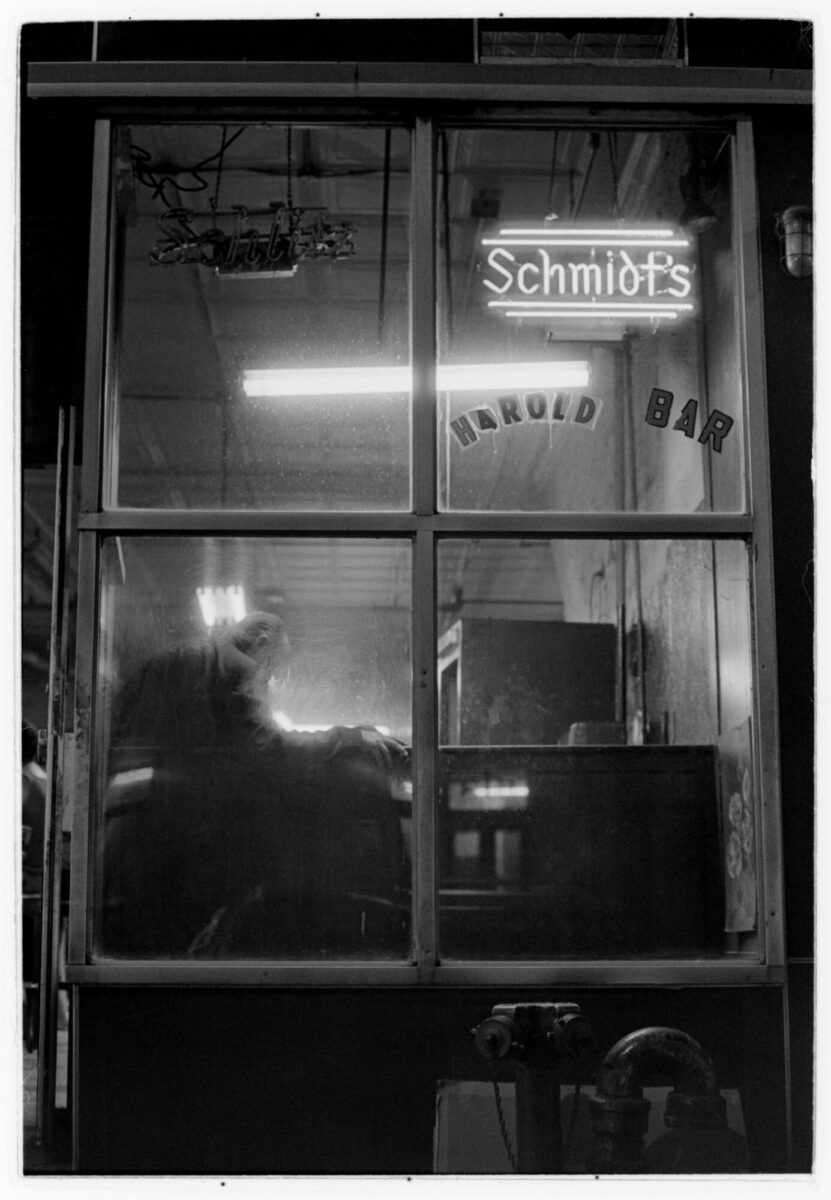
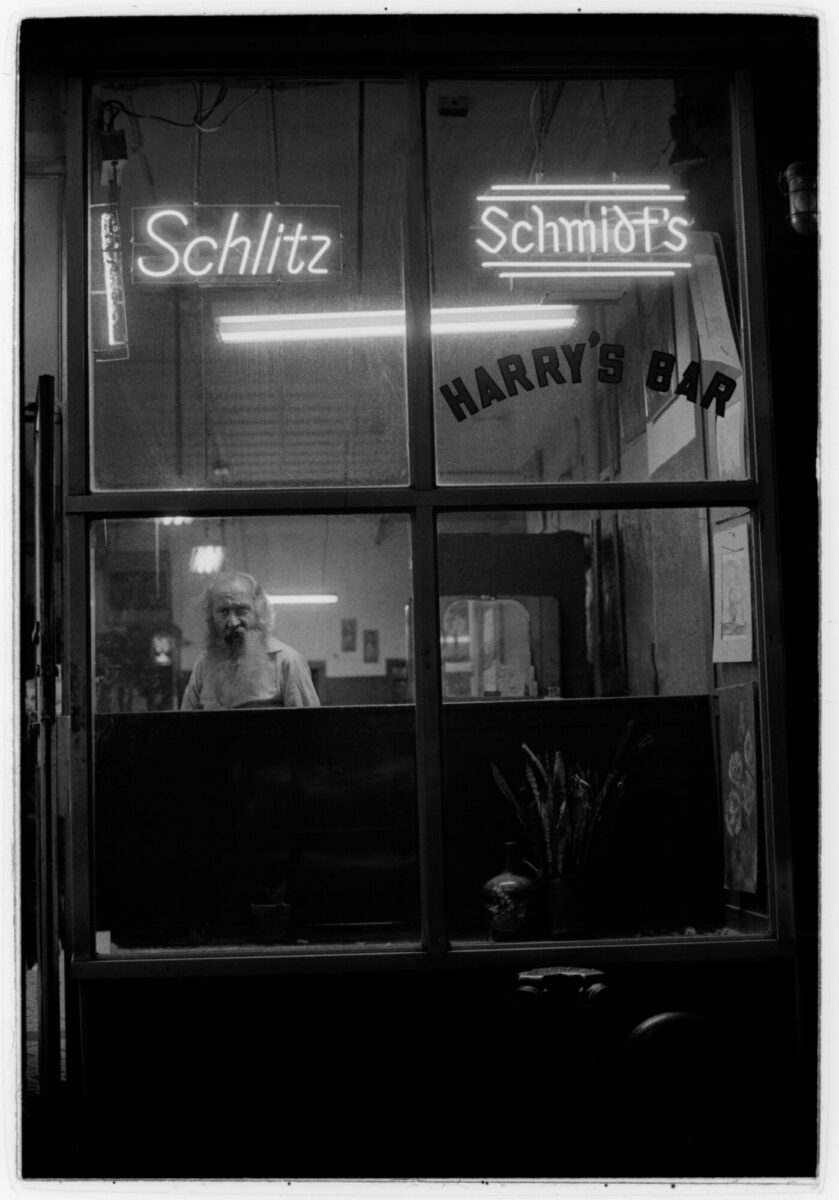
From 1976 through to 1981, he obsessively imaged the storefront of Harry’s Bar, located at 98 Bowery, discreetly taking a photography each time a customer gazed out onto the street. Twelve of these photographs are included in the exhibition. Following the bar’s closing, Gozu inquired about purchasing the window itself. Rebuffed, he was nonetheless inspired to work sculpturally and began to collect the debris of torn-down façades, meticulously reconstituting their windows as standalone sculptures. This exhibition features one such artwork from 1992, a window salvaged from 25th Street that Gozu reconstructed at quarter scale, cutting down scavenged brick, lintel and frame. In the 1980s, he installed his these pieces at carefully chosen sites throughout New York City and New Jersey, from which the sun could be seen setting between the World Trade centre towers; three large-scale colour photographs included in the exhibition capture these constructed moments of sculptural, architectural and celestial alignment.
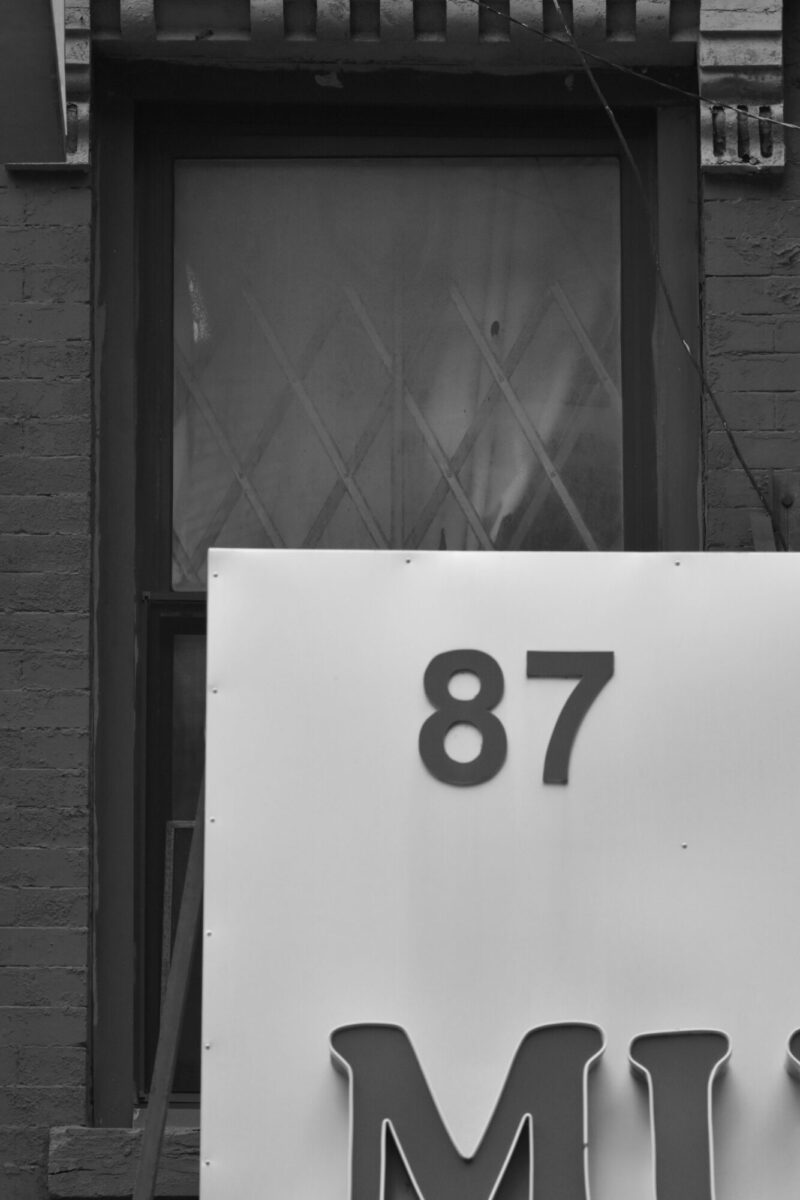
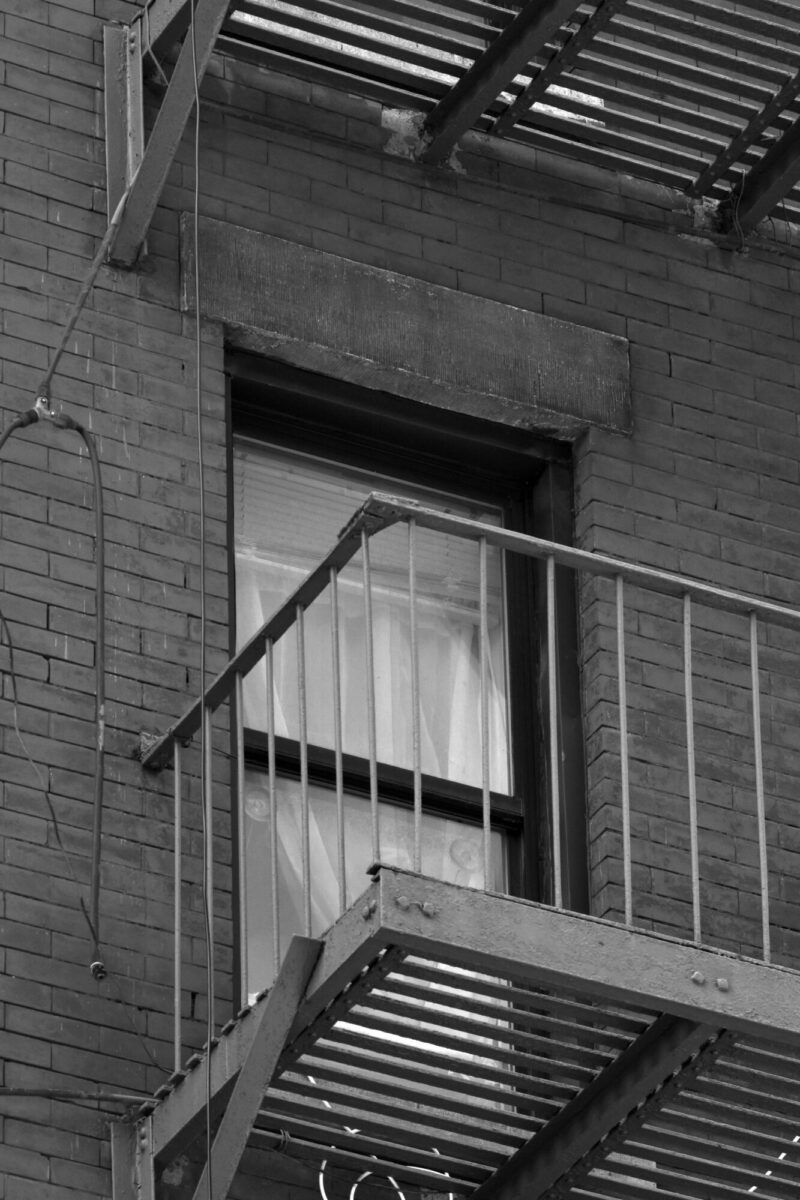
Windows and Bars takes audiences right through to today, with a 2025 project that saw Gozu revisit sites he’d captured decades earlier. Here, he documents the dramatic urban shifts and, in some cases, surprising continuity in the city’s architectural landscape. MoMA PS1 pairs a selection of earlier photographs with their recent counterparts, opening apertures onto the city’s past and offering a rumination on the sweep of time. Ultimately, this is a show about belonging, home and identity – Gozu is an outsider looking in, offering a powerful mediation on what it means to witness the city as someone who simultaneously belongs to it, and belongs to somewhere else. Through his eyes, the changing city is brought into new light.
Masao Gozu: Windows and Bars is at MoMA PS1, New York from 5 November – 15 March: momaps1.org
Words: Emma Jacob
Image Credits:
1. Masao Gozu. 87 Mulberry Street, Chinatown, August 2025. 2025. Gelatin silver print. 18 × 13 in. Courtesy the artist. © Masao Gozu.
2. Masao Gozu. Mott Street, Chinatown, 4 PM, May 18, 1972.1972. Gelatin silver print. 18 × 13 in. Courtesy the artist. © Masao Gozu.
3. Masao Gozu. Thompson Street, Manhattan, 3pm, September 27, 1973. 1973, printed 2026. Gelatin silver print. 18 × 13″ in. Courtesy the artist. © Masao Gozu.
4. Masao Gozu. Harry’s Bar, 1am, February 1981. 1981. Gelatin silver print. 17 1/4 × 12 1/4 in. Courtesy the artist. © Masao Gozu.
5. Masao Gozu. Harry’s Bar, 9pm, July 1976. 1976. Gelatin silver print. 17 1/4 × 12 1/4 in. Courtesy the artist. © Masao Gozu.
6. Masao Gozu. 87 Mulberry Street, Chinatown, August 2025. 2025. Gelatin silver print. 18 × 13 in. Courtesy the artist. © Masao Gozu.
7. Masao Gozu. Mott Street, Chinatown, April 2026. 2026. Gelatin silver print. 18 × 13 in. Courtesy the artist. © Masao Gozu.