

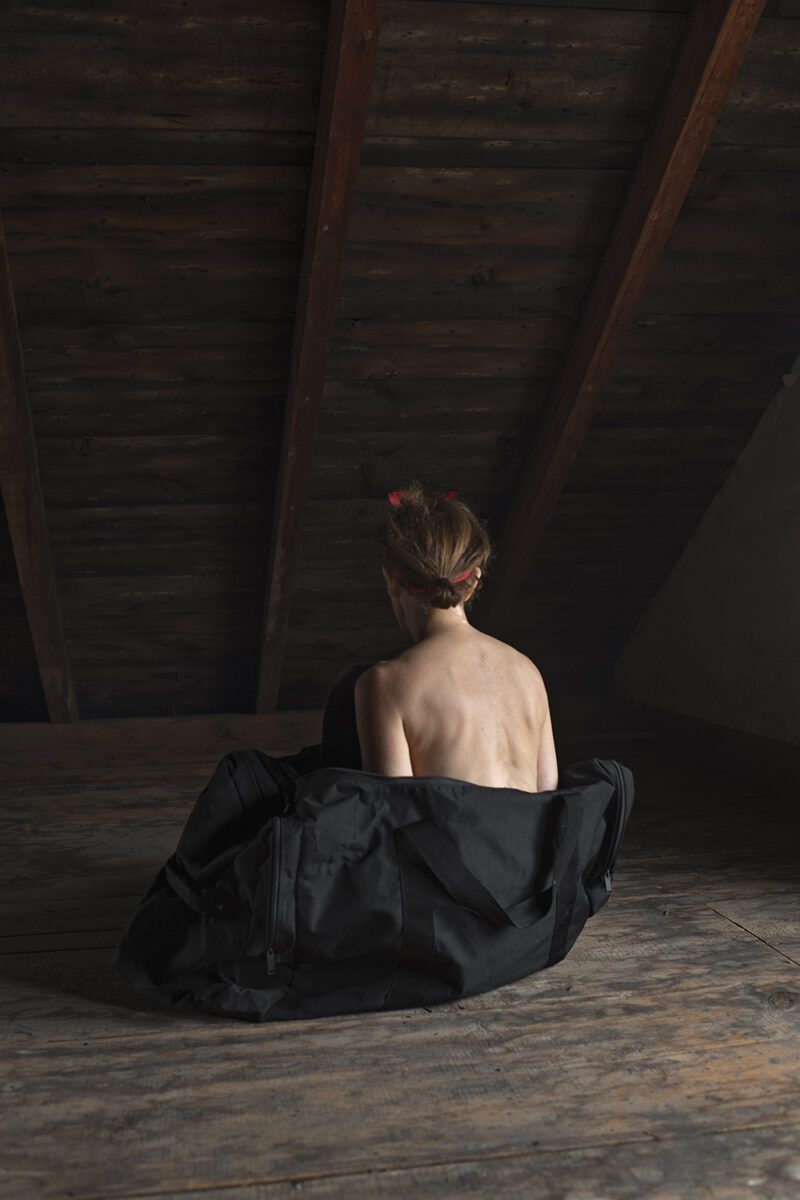
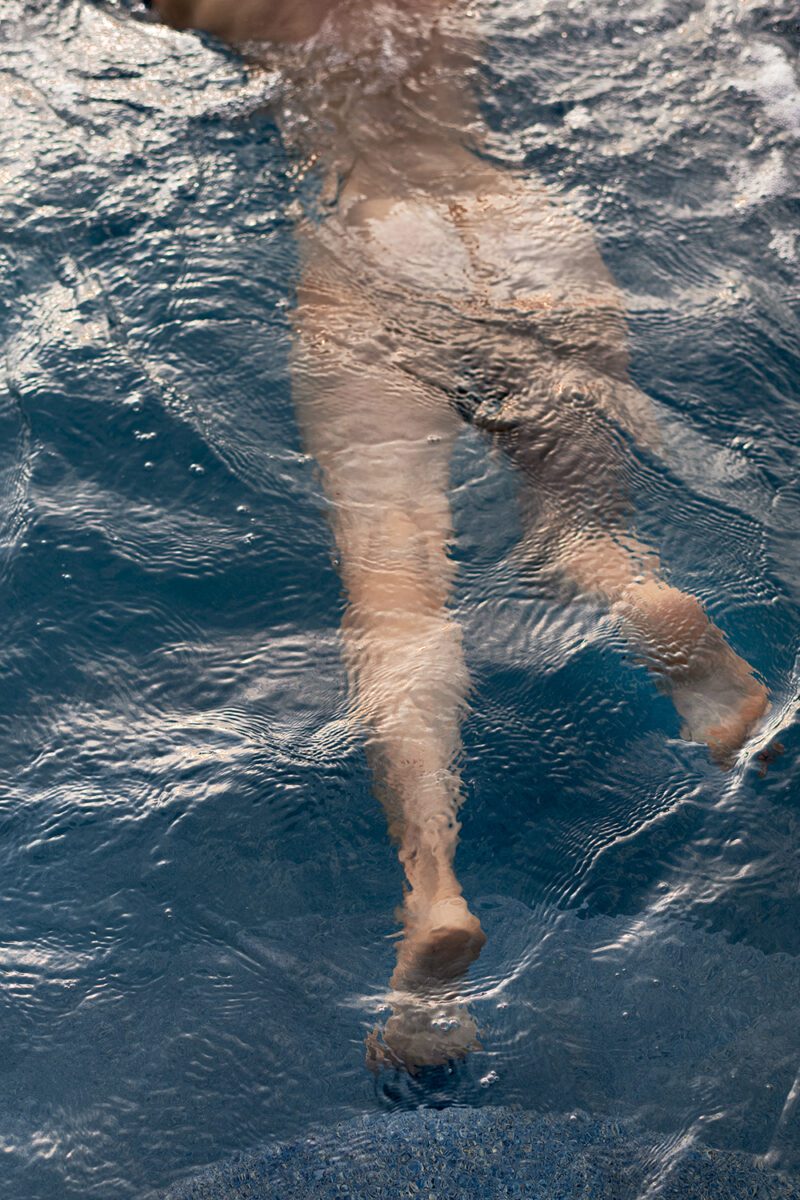
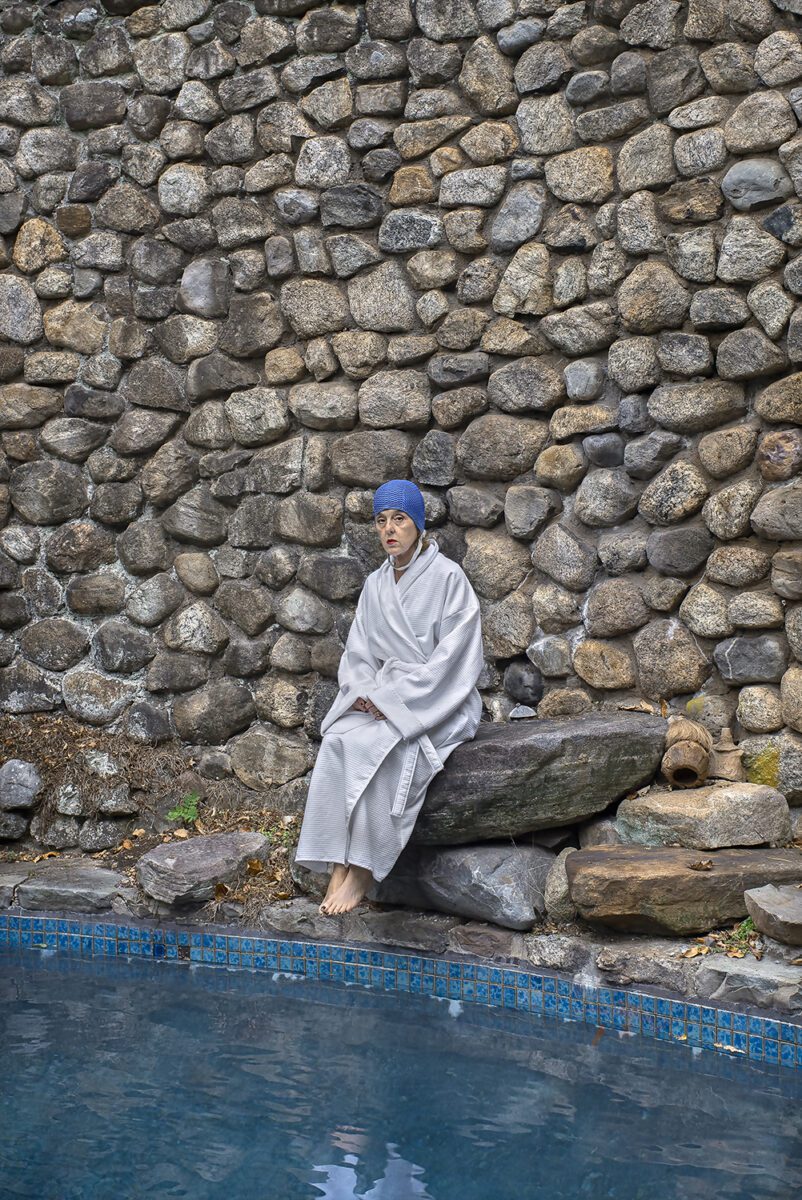
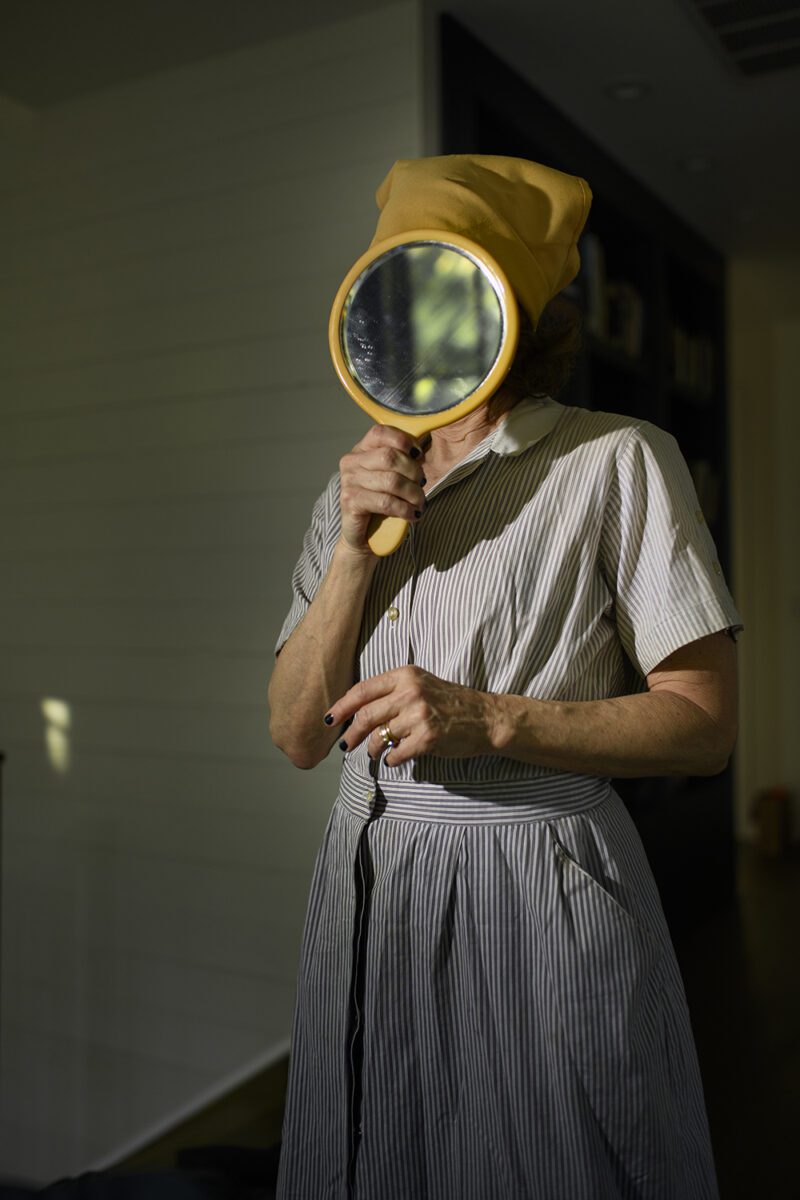
Photographer Jo Ann Chaus spent much of her early career working in the fashion industry. It was only 2008 that she began to turn her attentions towards photography, using the lens to explore modern concepts of identity and womanhood. In her latest book, Unspoken, Chaus embodies a range of female stereotypes and archetypes – figures shaped by inherited expectations and internalised roles. Although a modern, independent professional, Chaus recognised how deeply she was still bound to her mother’s generation: the ideas of the devoted wife and self-sacrificing mother. The process of creating these images revealed the tension between who she was expected to be and who she was becoming. The characters appear rooted in mid-20th century domesticity, yet beneath the polished façade, they radiate defiance and vulnerability. We caught up with the photographer before the book’s release with Kehrer Verlag, to discuss her practice and what she hopes readers take away from the series.
A: Much of your career before photography was spent in the fashion industry. Does your experience in this field shape how you approach photography?
JAC: I should begin by saying I grew up surrounded by a beautifully decorated and curated home. My parents, my brothers and I all have a strong connection to collecting old and beautiful things. When I was a teenager in the 1960s Twiggy was the “It girl,” along with her Yardley makeup brand. I was always into fashion, and good at it. So being in that world as a career used my inherent skills to an advantage, and emphasised the power of clothing to tell the story of a woman’s identity.
A: Was there a particular image that felt like a shift or altered how you see yourself?
JAC: Probably that first image in 2013, I thought, “wow, is that how I look”? I started to feel more curious bao how I looked when I was saying something to the camera, and that was the start of my self-portraiture. Years into the project of embodying 1950’s women, Covid came, and traveling to locations wasn’t possible. I wanted to keep taking photos, so I found outdoor locations close to home, and that was a shift in the work. “This woman”, or myself, depending on how you look at the character, was ready to be on adventures outside of the domestic. That was “liberating”, and a new chapter for me/her, as I could not summon up the “stuck” housewife anymore. “She” became bolder, liberated and emerged from the burden she/I carried. So the first few images I made outside just after lockdown were a new chapter in this work.
A: Why does the aesthetic of women in the 1950s particularly appeal to you? Why does it continue to feel relevant in today’s society?
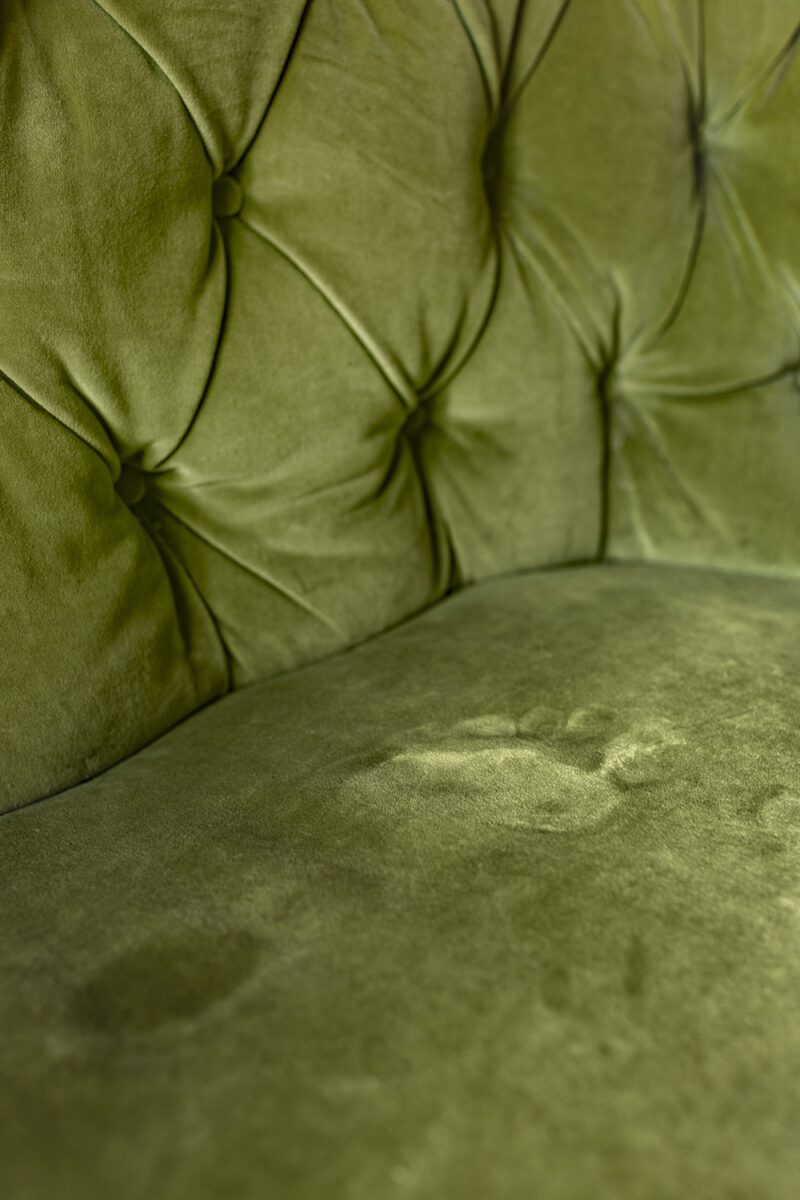
JAC: I am in love with 1950s design, home and fashion. The decade was post-war and Christian Dior created his New Look, fashion did not have to be pared down, as it did in war time shortages. It was a celebratory time in America; new homes were being built, GI’s got government assistance, new time-saving appliances were being designed in glorious colours. But there was an angst brewing that came out in the 1960s, which was exemplified in the women’s and civil rights movements, and long haired hippies. It was a revolution against the buttoned-up era of a proper code of behaviour and dressing. My work references that tension, hinting that beneath that cheerful surface, there is a sense of discontent.
A: You explore traditional female roles. Are you reclaiming these ideas or challenging them?
JAC: In order to challenge them you must first understand them, so embodying them helped me to do that. My core opinion is that women should have a voice, be respected, and have their place at the table. The conundrum women face in today’s society, and what I’m trying to examine in my work, is about what we carry from our pasts, traditional social dictates and the outdated perspectives of other people. Women often face unexpected roadblocks, and it often feels like things are going backwards.
A: Your images are meticulously staged, often featuring elaborate clothing, dramatic lighting and carefully constructed interiors. Talk us through the process of capturing a single photograph.
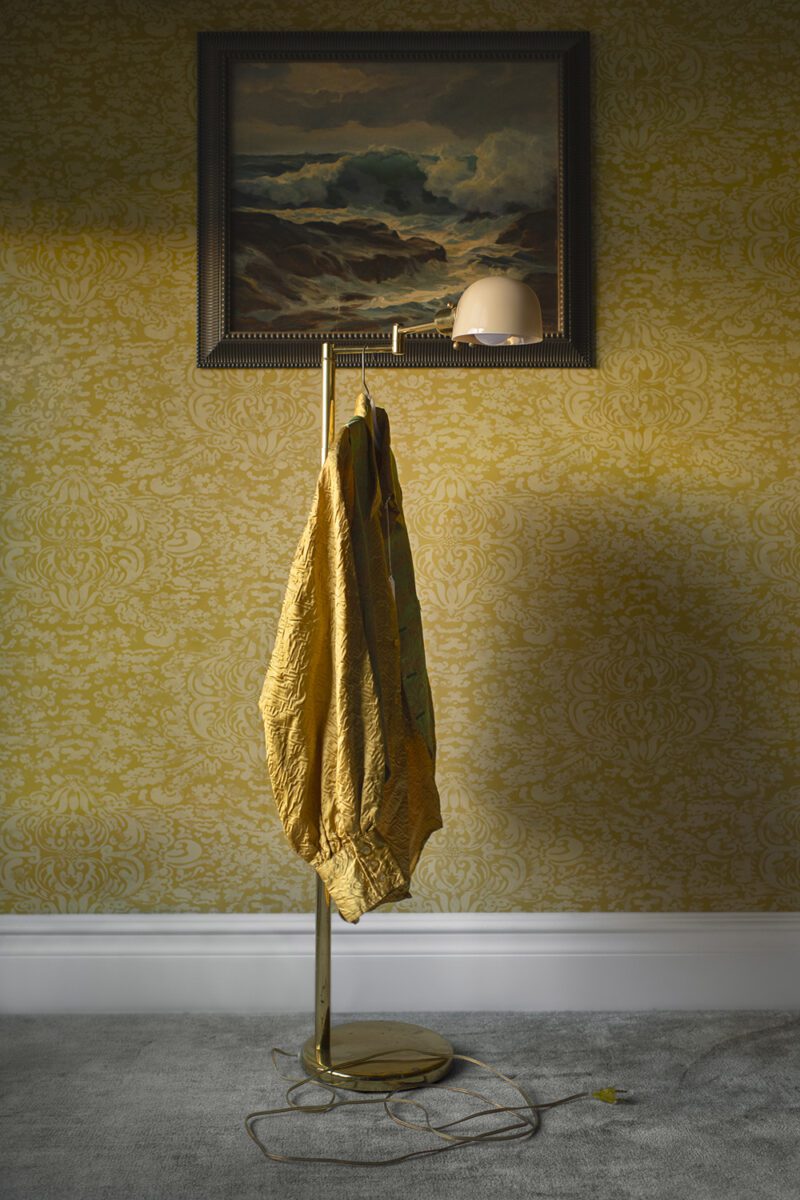
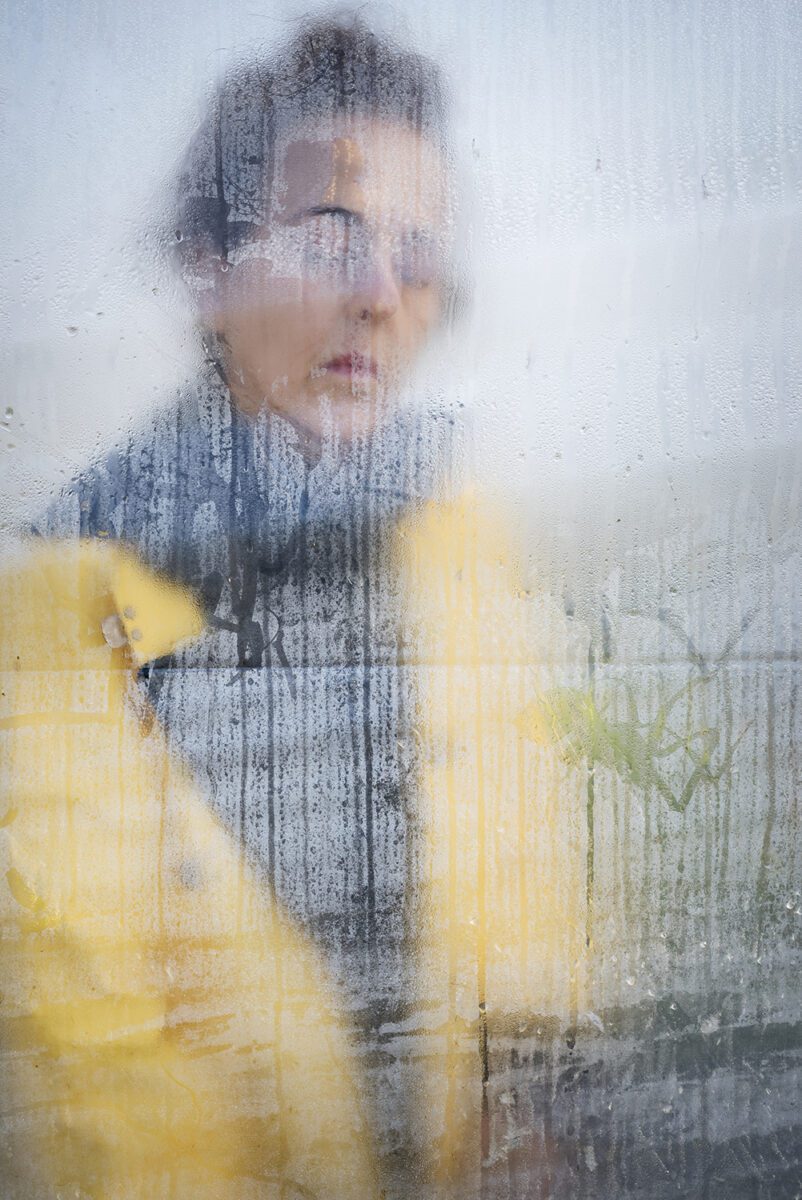
JAC: I have travelled to many locations with my good friend JP Terlizzi. We would pack up the car, loaded to the gills, with trunks and boxes of options, to see how the space would speak to me. Seeing pictures of the space informs me of props to bring or purchase. One location had an incredible meadow, and I had a vintage head scarf, wellies and coat, that was a perfect English countryside site. I set up my camera and tripod, focus on the exact spot I’d like to be in, considering as best as I could the back and foregrounds. I do shoot digitally so I can see if the reality matches my mental image; sometimes it does, sometimes it’s better, or an accident occurs – that’s the best of them all. My process is very loose, allowing serendipity to play a part. Most photographs “evolve”; they start with an initial idea but make adjustments to the composition. I am driven by light to evoke inspired to create a mood of ambiguity or mystery. On occasion, noticing some gorgeous fleeting light, I’ll act quickly to capture something in it.
A: Did bringing your pictures together as a photobook change the way your understood them?
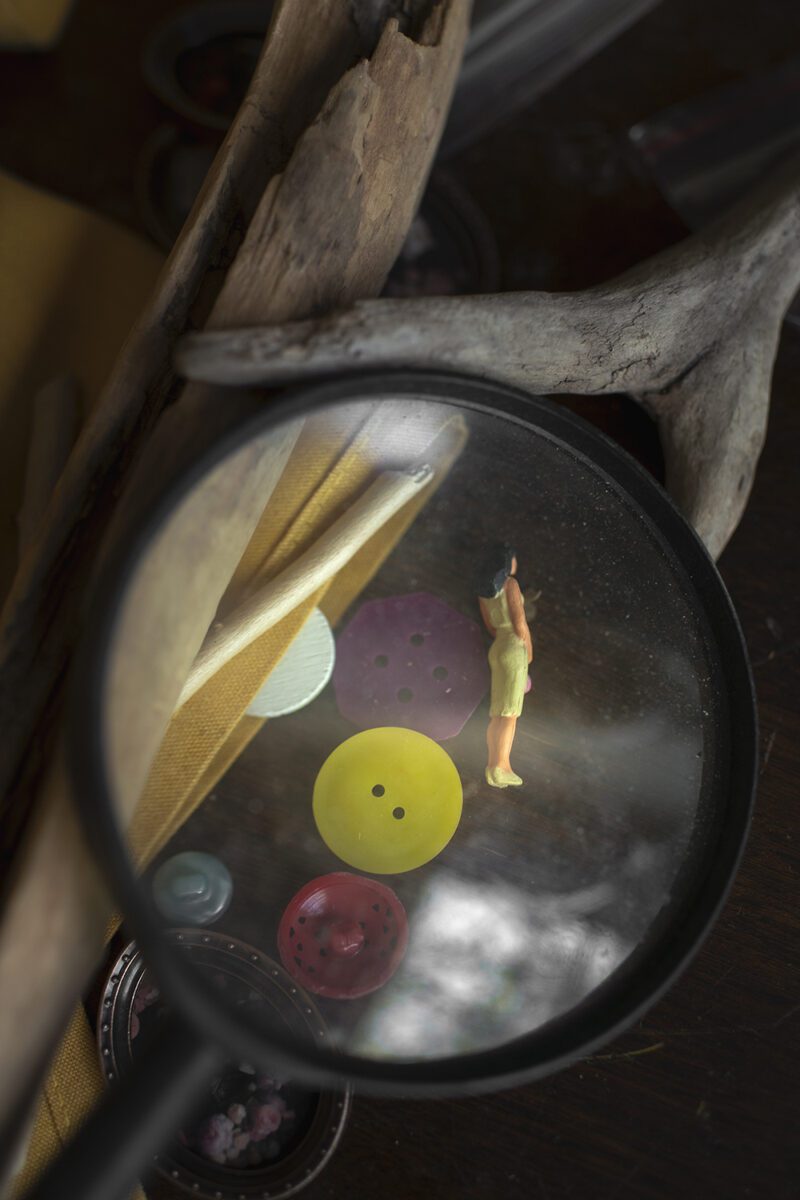
JAC: I think time changes how we understand many things. Having to edit this enormous body of work, not just down to the “greatest hits”, but to images that help to tell a story was a challenge. Early on, I was not clear on what that story was. After many consultations, much writing, many iterations and by adding newer images to the mix, it became clear that my images consider psychology, memory, culture, and archetype. The book, more than any single image, reveals the full arc of that investigation.
A: Do you have a specific image you’re particularly proud of?
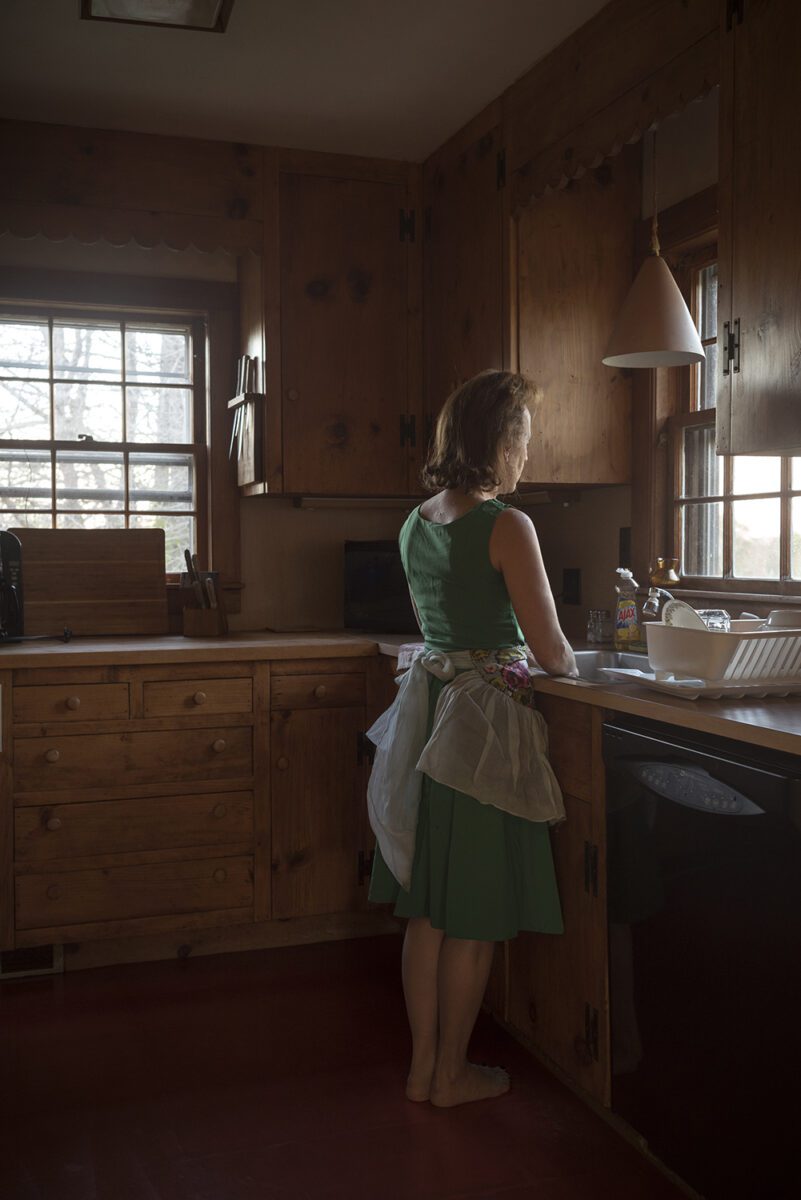
JAC: Kitchen Sink is so iconic and says everything that Unspoken is about: a woman, at that kitchen sink, dressed up, waiting, waiting, with knives to the left, a lovely dress and apron, a window of longing in front, barefoot, still, as if performing robotically, stuck. It is the crux of the book, in a single frame.
Unspoken is published by Kehrer Verlag: kehrerverlag.com
Words: Emma Jacob & Jo Ann Chaus
Image Credits:
All images Unspoken © Jo Ann Chaus.


