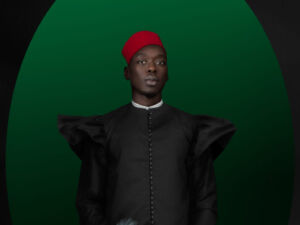
Since 1970, Rencontres d’Arles has been a major moment in the contemporary art calendar. The renowned photography festival takes place at more than 40 exhibitions, in venues right across the southern French city. Here, heritage sites and historic buildings meet pioneering lens-based practitioners who are working at the cutting-edge of the medium. The event spans the entire summer, celebrating established and emerging artists in equal measure, often placing them in direct dialogue. 2026 continues this rich trend, presenting prestigious figures from a new perspective, whilst offering a platform to those who are following in their footsteps. The 57th edition offers narratives rooted in various regions of the world, including the African continent and the Mediterranean. The programme highlights what endures, what changes and what connects us, opening up new spaces of freedom and empowerment. We highlight five shows from this year’s edition that invite us to look at the world with greater intensity.
Alix Boillot
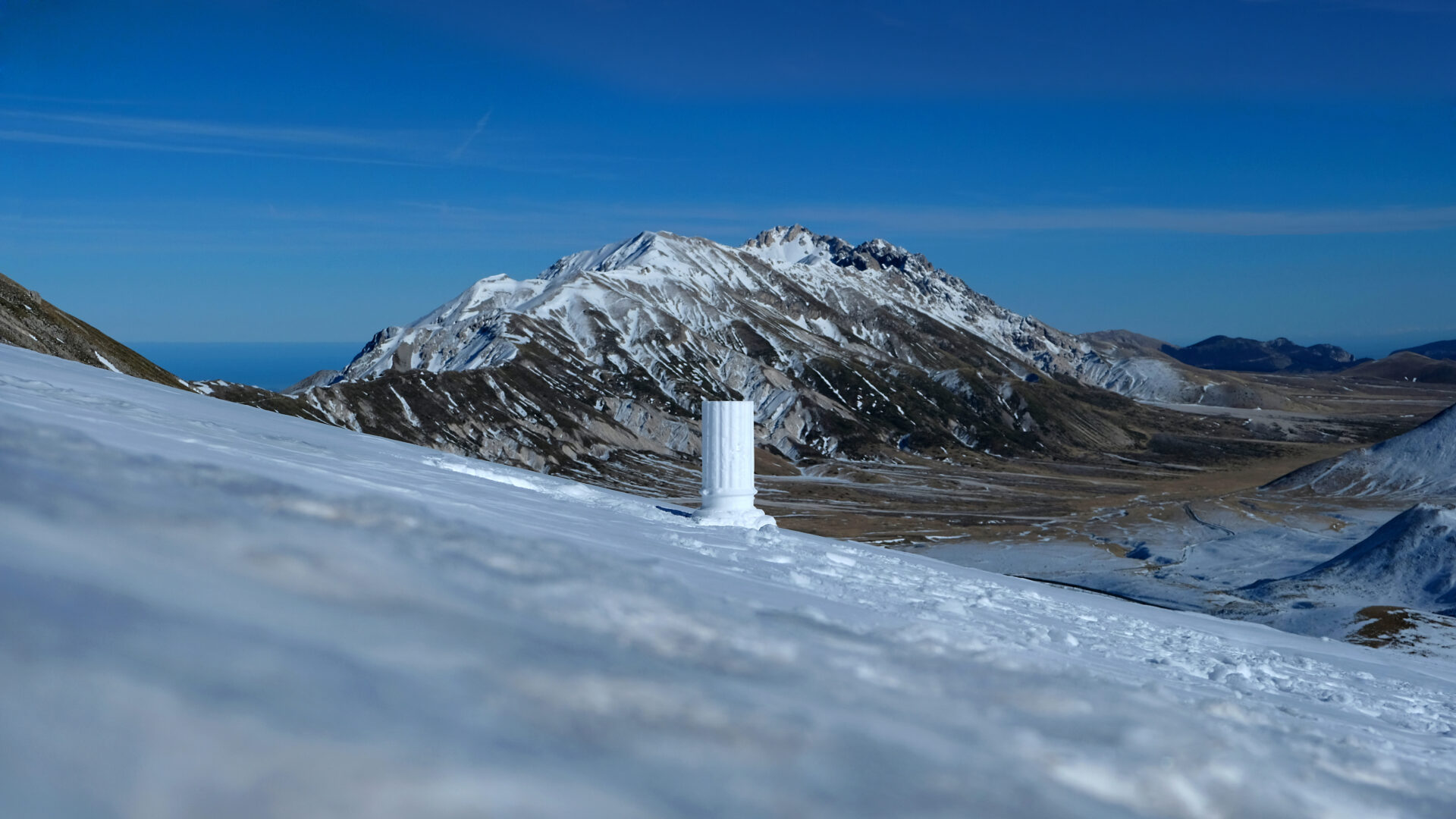
Alix Boillot’s photographs are the only tangible traces of the Doric columns she sculpted in the snow. The structures are a response to the famous De architectura, written by Roman scholar Vitruvius. The essay outlines three defining principles that must be followed in superimposition, the classical technique of stacking column styles to form a multi-story building. The key aspects are: builidng: firmitas, utilitas and venustas – strong (or durable), useful and beautiful. Boillot’s ephemeral and fragile snow sculptures aspire only to beauty. The piece is perfectly emblematic of the artist’s oeuvre, which often focuses on the actions, objects or events that have “no other value than the one we attach to it.”
Paul McCartney
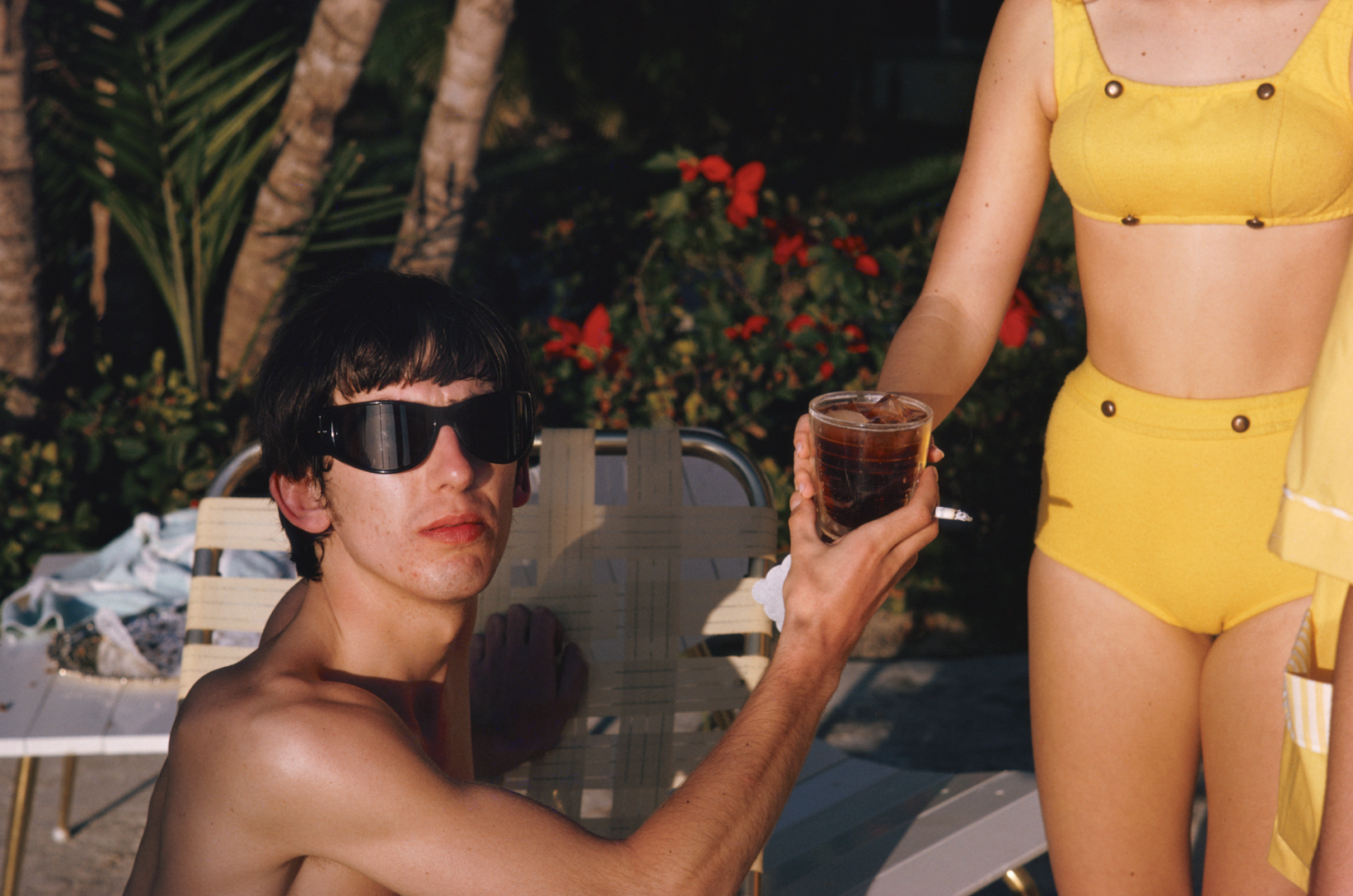
Discovered from a collection of over 1,000 archived images, Paul McCartney’s photographs document an extraordinary time in The Beatle’s rise to fame. Taken on a 35mm film camera, they are a personal record of the moment the band catapulted from British sensations to global superstars, redefining fame in the modern era. Through more than 250 images, this exhibition is a testimony to the The Beatles’ extraordinary journey and presents a unique portrait of the early 1960s – a time when both art and music was rapidly changing. The works also reveal a very personal story of four musicians at work, highlighting the intensity of performing and long days spent in rehearsal, hotels and on the road.
Lee Shulman and Omar Victor Diop
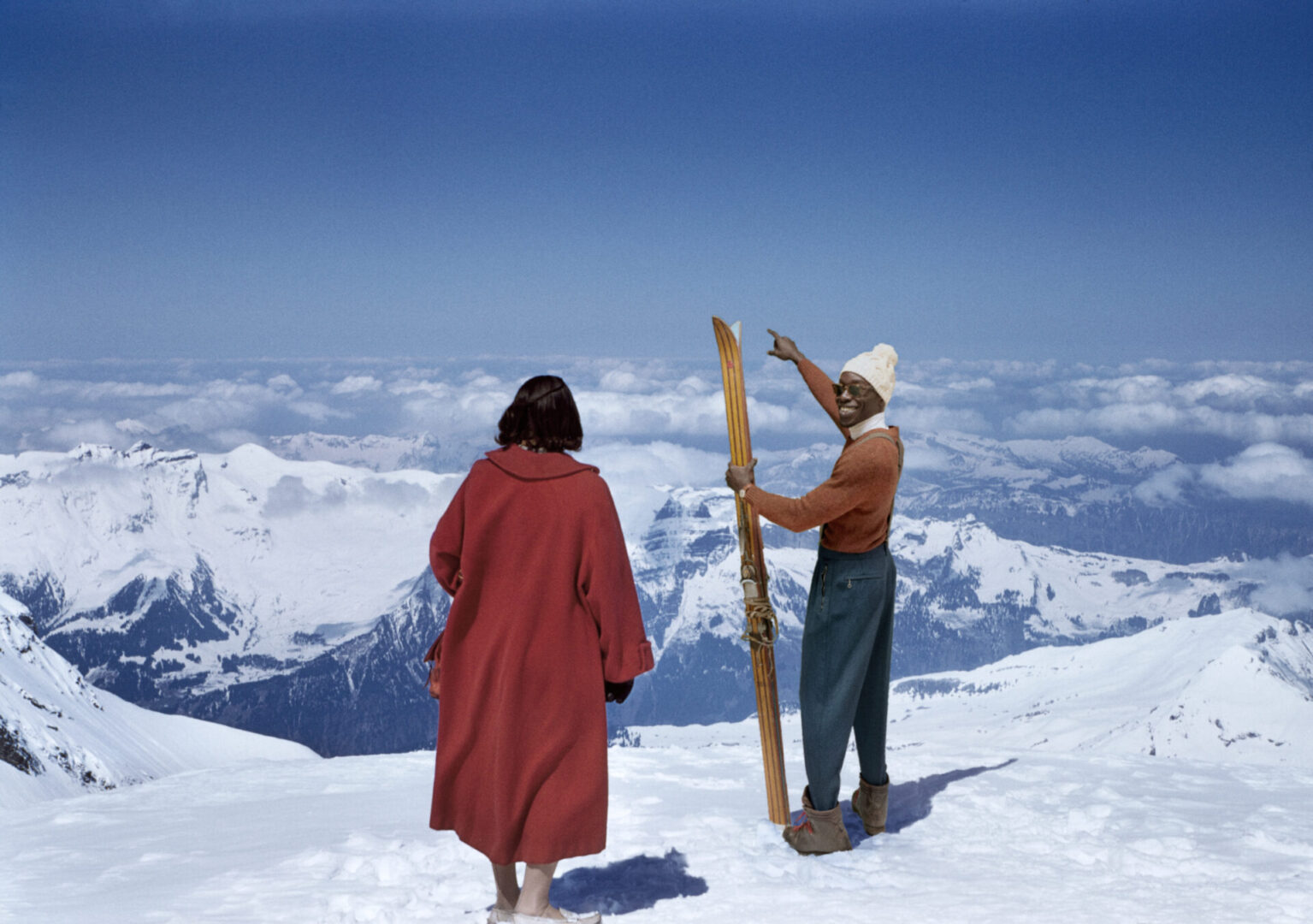
Being There assembles images originally taken in 1950s and 1960s North America. The photographs reflect an era of economic recovery and Cold War tensions, but also one of racial segregation and civil rights struggles. Lee Shulman and Omar Victor Diop intervene in these seemingly care-free scenes, introducing a Black presence where one would have been historically impossible. The artists play with the tension between ordinary and extraordinary, maintaining the surface textures and grain of the originals, but inserting Diop into the scene. Their project disrupts the aesthetic innocence of these images, transforming them into powerful commentaries on race, class and historical exclusion.
Harry Gruyaert
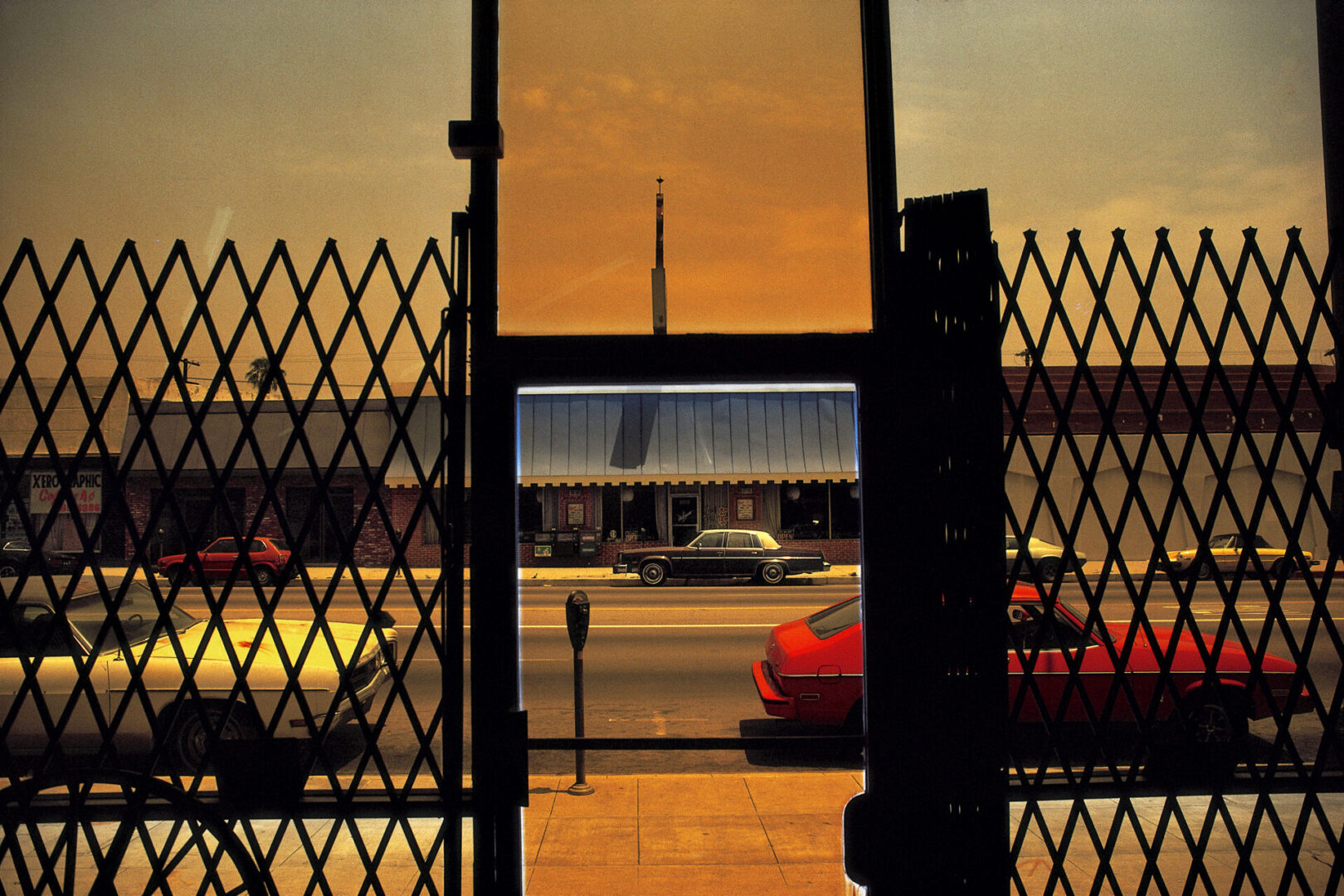
A Sense of Place reveals another dimension of artist Harry Gruyaert’s celebrated oeuvre: a chronicle of urban life. He invites audiences on a sweeping journey through cities around the world. His gaze moves freely through the streets of Antwerp, Moscow, Mumbai, New York, Paris, Tokyo and Zanzibar – ultimately, the destination matters little. What unites his photographs is not their subject, but the way the world presents itself to him: the vibrant intensity of colour, the sharp cuts of shadow, urban geometries that punctuate space. The city becomes a stage where social interactions shape identities and each person negotiations both individuality and belonging to a collective. In this show, the ordinary becomes theatrical.
Landscape Lens: a Katangese Crossing
Sammy Baloji
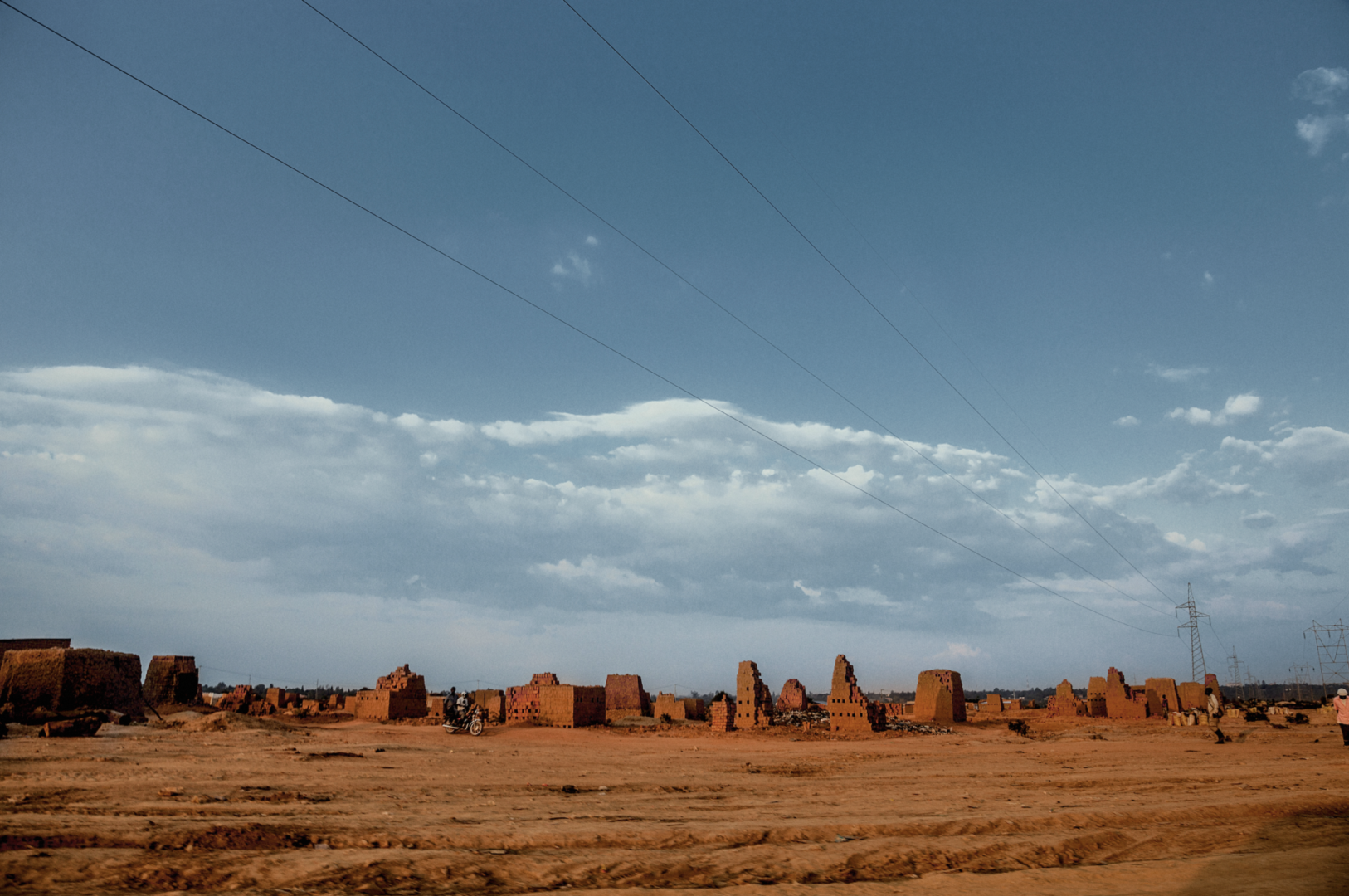
Since 2005, Sammy Baloji has explored tensions between traditional society and the colonial modernity that shape urban space in Katanga, examining how colonial systems of classification continue to shape how the region is represented. In 2017, he travelled with anthropologist Filip De Boeck to retrace the Katanga secession, drawing on both his own family history in the region and research conducted between the DRC and Angola. The exhibition centres on the Hotel Impala in Holwezi, once owned by the artist’s great-uncle and requisitioned twice during conflicts in Katanga. Baloji’s work examines the status of images themselves: how they are used, how people represented themselves and how we read them today.
Words: Emma Jacob
1&5, Harry Gruyaert, Los Angeles, USA, 1982. Courtesy of the artist.
2. Alix Boillot, Combe du glaçon, France, 2021. Courtesy of the artist and ADAGP, Paris.
3. Paul McCartney, George Harrison, Miami Beach, February 1964. Courtesy of the artist, under exclusive license to MPL Archive LLP.
4. Lee Shulman and Omar Victor Diop, Being There, 2023. Courtesy of the artists.
6. Sammy Baloji, Outskirts of Lubumbashi, Haut-Katanga Province, 2013. Courtesy of the artist and Galerie Imane Farès, Paris.