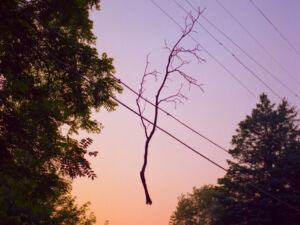
Oulu has been designated European Capital of Culture 2026 and is also recognised as a UNESCO City of Media Arts, reflecting its deep engagement with creative practice, digital culture and artistic innovation. The year‑long programme – built around the theme of Cultural Climate Change – invites people to consider how culture contributes to resilience, ecological awareness and community well‑being. Together with 39 municipalities, Oulu is presenting thousands of events, installations and artistic interventions developed through collaborations between local, national and international creators. Highlights include major public art initiatives such as Climate Clock, a route of permanent artworks by leading artists that interweaves art, science and landscape, and immersive media works like Layers in The Peace Machine, an interactive installation exploring peace through movement, language and cognition. Throughout the year, theatre, music, food culture, light art, indigenous Sámi traditions and experimental media work together to enrich daily life and inspire reflection across urban and natural settings. These diverse strands demonstrate how Oulu2026 positions creativity as essential to societal adaptation and shared experience.
The Oulu2026 programme blends signature festivals, community‑driven encounters and thematic explorations of northern culture. Beginning with an ambitious opening festival, the city centre transforms into a vibrant cultural hub with music, theatre, installations and multidisciplinary performances across more than 20 venues. Other moments include Arctic Food Lab, which celebrates northern ingredients and communal dining experiences, and the expanded Lumo Art & Tech Festival, presenting large‑scale light and digital art. Sámi art and heritage are showcased through the Risku programme, featuring cultural presentations and events that elevate the perspectives of the EU’s only Indigenous people. Seasonal highlights range from winter ice‑music celebrations to summer gatherings that blend local nature with artistic activation. These intersecting strands – culinary art, media innovation, environmental engagement and community practice – position Oulu not only as a landscape for entertainment but as a laboratory for cultural exchange, ecological reflection and co‑creative endeavour.
Fotografiska Tallinn’s PLAY, presented for the first time in Finland as part of this expansive cultural moment, explores curiosity, improvisation and human connection in ways that resonate with Oulu2026’s broader themes. Engagement is framed not as distraction but as a method for resilience and presence. The exhibition spaces are designed to encourage attention, experimentation and reflection, where simple gestures and encounters reveal unexpected intelligence and depth. Rather than prescribing a fixed route through the galleries, PLAY invites movement and response, positioning creative exploration as a vital condition for inhabiting the present. Ordinary moments become sites for discovery, and the exhibition transforms the familiar into the extraordinary.
Sound, spatial design and photography converge to create a multisensory dialogue throughout the exhibition. Musician Erki Pärnoja’s compositions shape rhythm, pause and surprise, threading through the installations and guiding perception in subtle ways. Photographic works span from intimate observation to conceptual storytelling, emphasising attentiveness and interpretation. The interplay of sound, imagery and light transforms the exhibition into an immersive, participatory landscape. Each step and pause yields possibilities for reflection and experimentation. PLAY makes curiosity a practical and embodied experience.
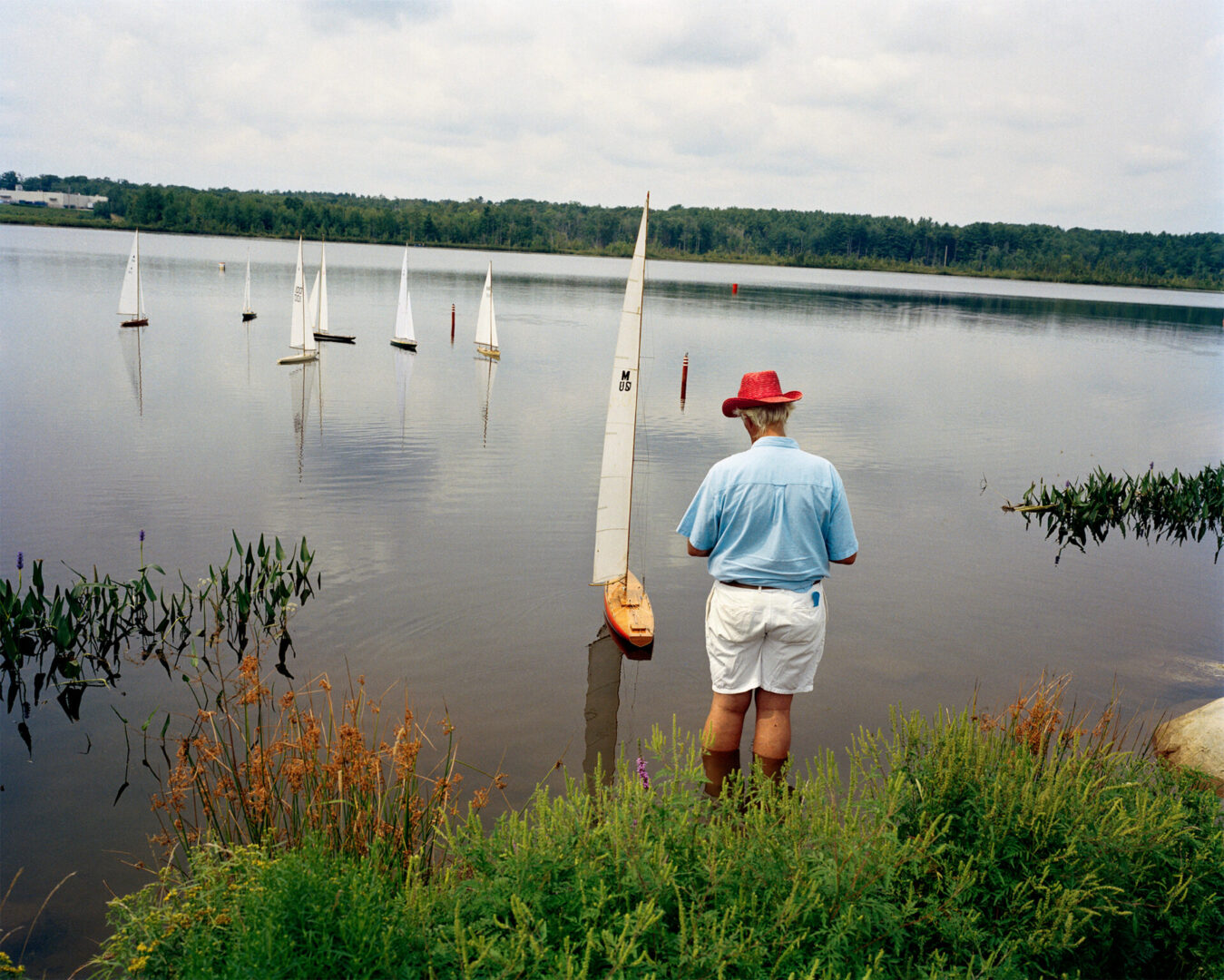
The late Martin Parr examines the quirks of daily life with humour and insight, highlighting how social rituals often reveal unspoken norms and contradictions. His images turn seemingly mundane scenes into reflections on contemporary behaviour and collective habits. Bruce Davidson captures fleeting expressions and spontaneous gestures, portraying vulnerability and connection, and prompting recognition of subtle dynamics in human gatherings. Cristina de Middel experiments with narrative and perception, blending fact and fiction to spark imaginative engagement and challenge assumptions about how images shape understanding. Nina Katchadourian reimagines ordinary objects as tools for exploration, fostering inventive thinking and playful interaction, while Trent Parke and Joosep Kivimäe document urban and communal spaces in ways that highlight rhythm and choreography. Together, their practices demonstrate how attentiveness can transform the familiar into something rich with meaning.
PLAY also intersects with the work of Rineke Dijkstra, whose portraits investigate transitional states of identity and self‑perception, exploring psychological nuance and the processes of becoming. Yayoi Kusama envelops participants in environments of colour, pattern and repetition, stimulating sensory awareness and encouraging full‑bodied engagement with space and form. Olafur Eliasson constructs perceptual experiences that manipulate light, space and movement, inviting reflection on embodied awareness and the conditions of perception itself. These artists position observation, imagination and interaction as interconnected practices, turning the exhibition into a dynamic laboratory for exploration and relational experience. Each contribution reinforces curiosity, improvisation and presence as central principles.
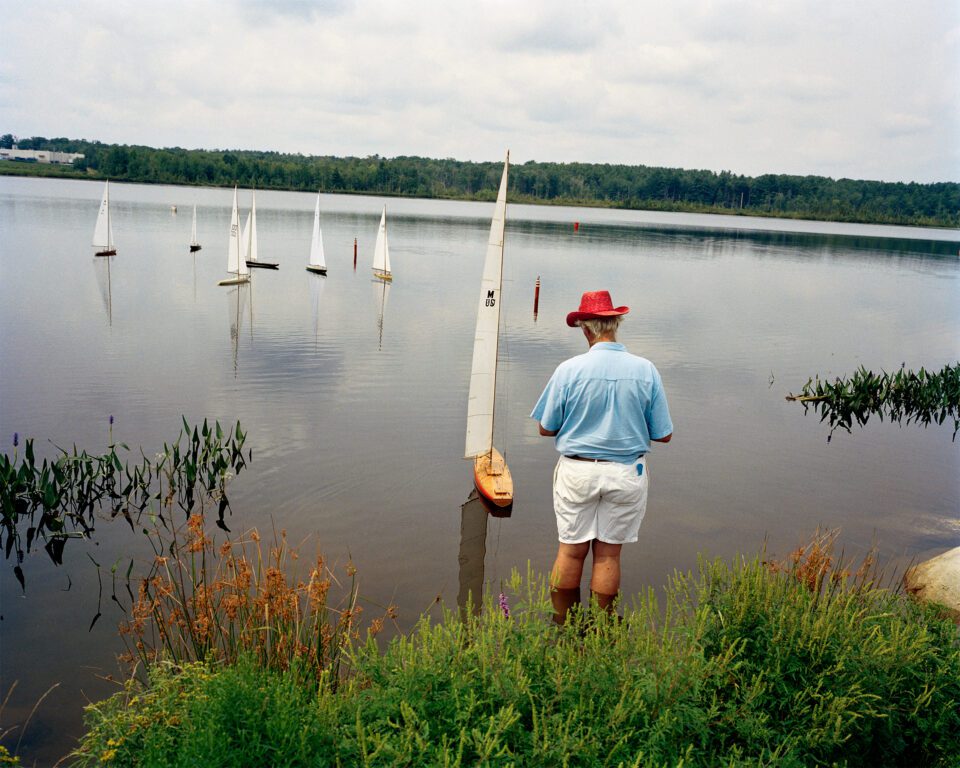
Viilik highlights the social dimension of the project, noting how direct exchange fosters adaptation, trust and mutual understanding. “Direct interaction creates space for adjustment, collaboration and genuine encounters, even as the world around us constantly shifts,” he observes. Within PLAY’s environments, responsiveness and spontaneity are encouraged, allowing encounters with others to become acts of exploration. These interactions reveal subtle networks that shape everyday life and contribute to collective meaning. The exhibition functions as a microcosm of creative possibility, showing how active participation reshapes perception and insight. Engagement here is a deliberate, reflective practice.
Regional context shapes the exhibition as much as artistic content. Fotografiska Tallinn’s collaboration with Oulu2026 brings PLAY to Finland in a way that fosters dialogue between local and international practices. Margit Aasmäe, Executive Director and Co‑Founder, emphasises this commitment: “From the outset, Fotografiska Tallinn has had a strong regional presence, and it feels meaningful to share this exhibition with Finnish audiences. This initiative complements our annual Emerging Artists programme, providing platforms for creators at the start of their journey and strengthening collaboration across the region.” The presentation bridges local and global creative networks, celebrating exchange and experimentation.
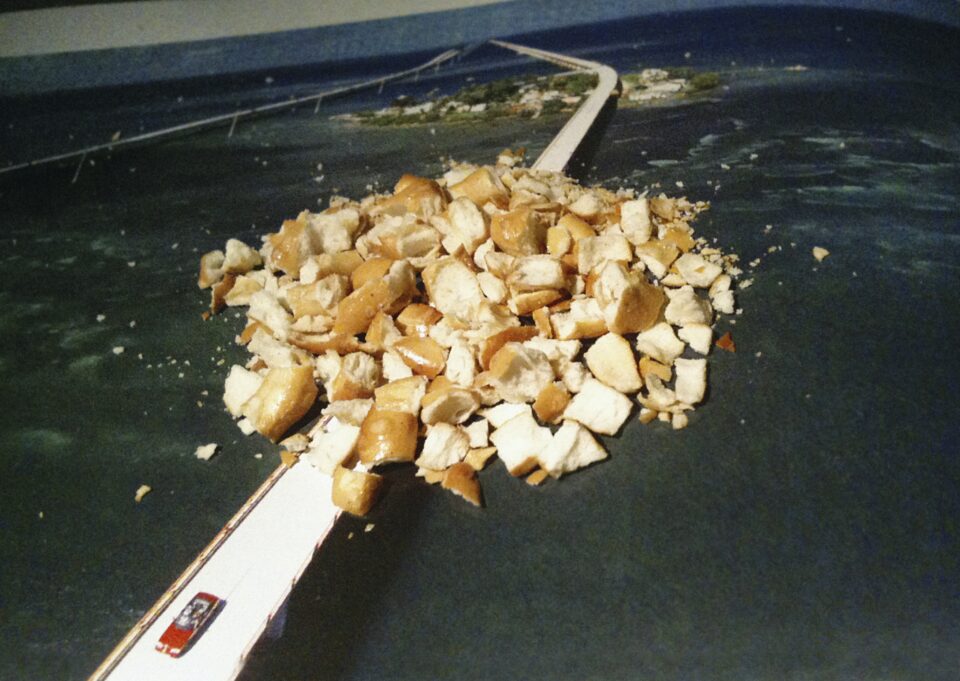
The works presented challenge the notion that imaginative engagement is trivial or escapist. Parr, Katchadourian and Davidson demonstrate how experimentation and playful observation can generate reflection, insight and adaptive understanding. Ordinary gestures, encounters and objects transform into sites of investigation and revelation. Audiences are invited to reconsider habitual ways of seeing, discovering vitality in unstructured interaction and openness. Curiosity, improvisation and relational awareness emerge as strategies for navigating complexity. Creative engagement is reframed as a practice of resilience, attentiveness and thoughtful action. Multimedia and spatial design reinforce this immersive ethos. Sound, light and moving imagery guide attention while prompting experimentation and risk‑taking. Micro‑experiences accumulate to strengthen awareness, agency and relational insight. Structure and unpredictability coexist, producing both reflection and delight. PLAY enacts its principles directly, allowing participants to inhabit curiosity and perceptual attentiveness fully.
Ultimately, curiosity, experimentation and human presence remain essential in navigating contemporary life. In a cultural landscape often shaped by routine, regulation and digital mediation, PLAY celebrates spontaneity, relational experience and sensory awareness. Creative engagement is presented as vital, placing reflection, joy and connection at the core of resilience. By situating the exhibition within the broader Oulu2026 programme, PLAY highlights the city’s commitment to integrating art, community and ecological awareness into everyday life. It demonstrates how creative practice can inspire attention, imagination and dialogue, embodying Oulu2026’s vision of culture as a force for societal adaptation and shared experience. Through this approach, PLAY becomes a manifesto for living boldly, reflecting the spirit and ambition of Oulu as a European Capital of Culture and UNESCO City of Media Arts.
Oulu 2026: PLAY is at Fotografiska, Tallinn runs until the end of 2026: tallinn.fotografiska.com
Words: Anna Müller
Image Credits:
1&4. Perfectible Worlds, Man at radio-controlled sailboat regatta, Gilford, NH, 2003 © Sage Sohier.
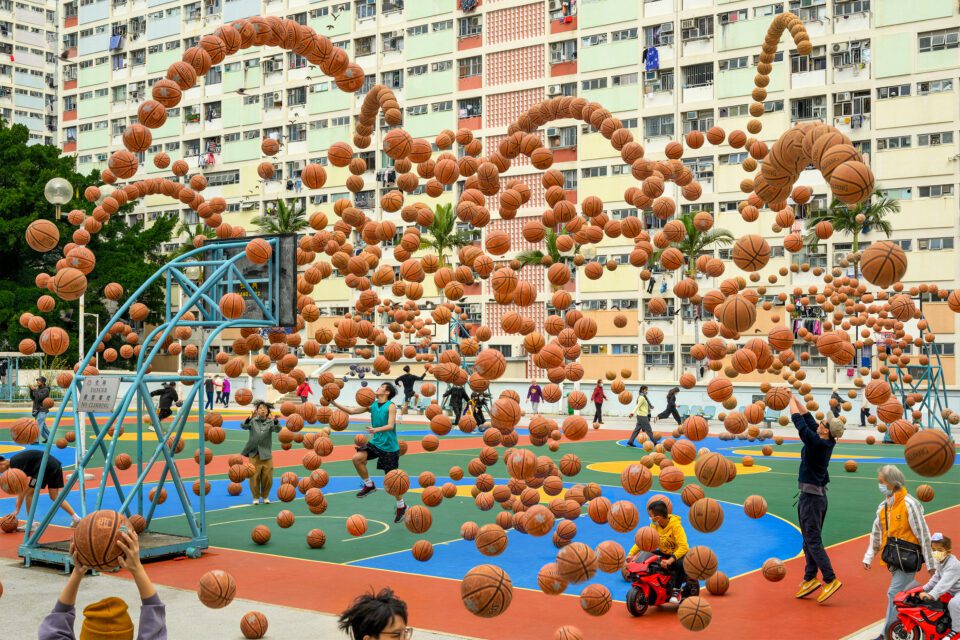
2. Choi Hung Estate, Day two © Pelle Cass.
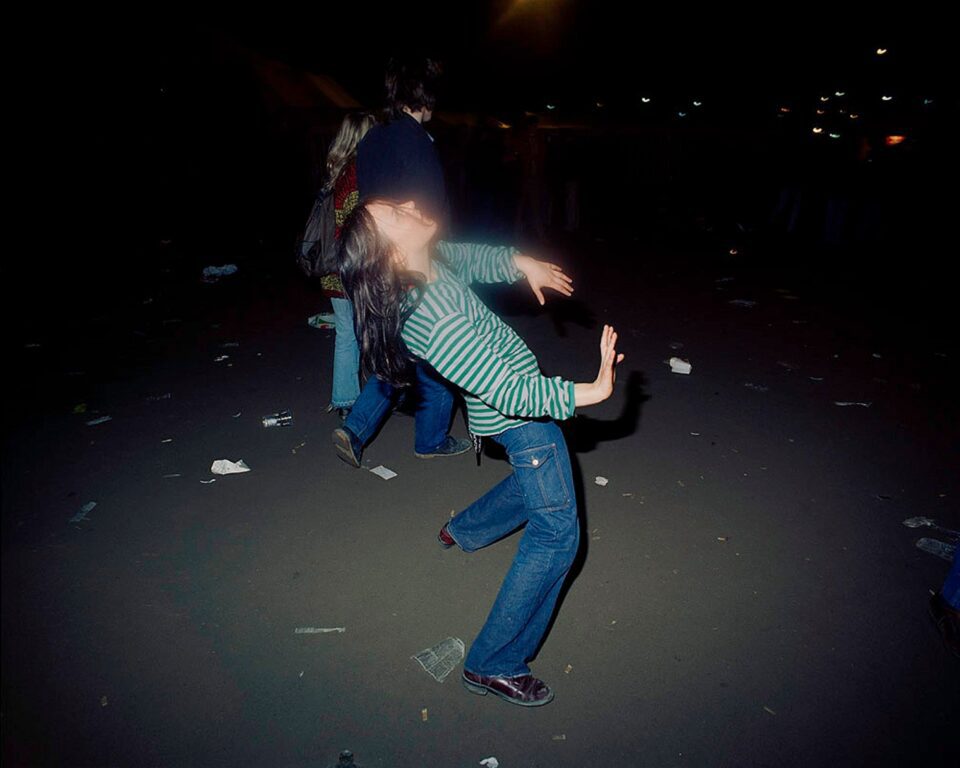
3. Series ‘Young Heroes’ © Jouko Lehtola.
5. Pretzel Meteor © Nina Katchadourian.