Shin Shin (しんしん) is a Japanese onomatopoeia that describes the softened hush of falling snow. The literal translation of “Shin” is “silence”, or more accurately, the absence of sound where there was sound before. The word reflects the sensation that the world has been turned down, muffled by a blanket of white across rooftops and tree branches. It also captures the meditative stillness that runs through Michael Kenna’s (b. 1953) work. The photographer is best-known for enigmatic, graceful and hauntingly beautiful images of nature, often taken at dawn or in the dark hours of night. A new exhibition at The Photographers’ Gallery, London, brings together a selection of black-and-white prints in which snow becomes a veil, transforming the familiar into something contemplative. Through these studies, Kenna invites reflection on what lies beyond what we can know, see or touch.
Kenna’s early years were largely shaped by faith. Raised in a working-class Irish-Catholic family in Widnes, England, he spent his adolescence at seminary school, initially preparing for the priesthood. This path changed when he decided to enrol at the Banbury School of Art, but the influence of his upbringing is a cornerstone of later artworks. These early encounters with ritual and religion left a lasting appreciation for mystery, doubt and the unseen. In an interview with Popular Photography, the artist said: “We’re all spiritual creatures. In photography, we have to appreciate what’s in front of us. It’s not all about the photographer. To acknowledge what is amazing, astonishing, beautiful and powerful, then make a document and transmit that to somebody else, is the essential mission of the photographer – or this photographer, anyway.”
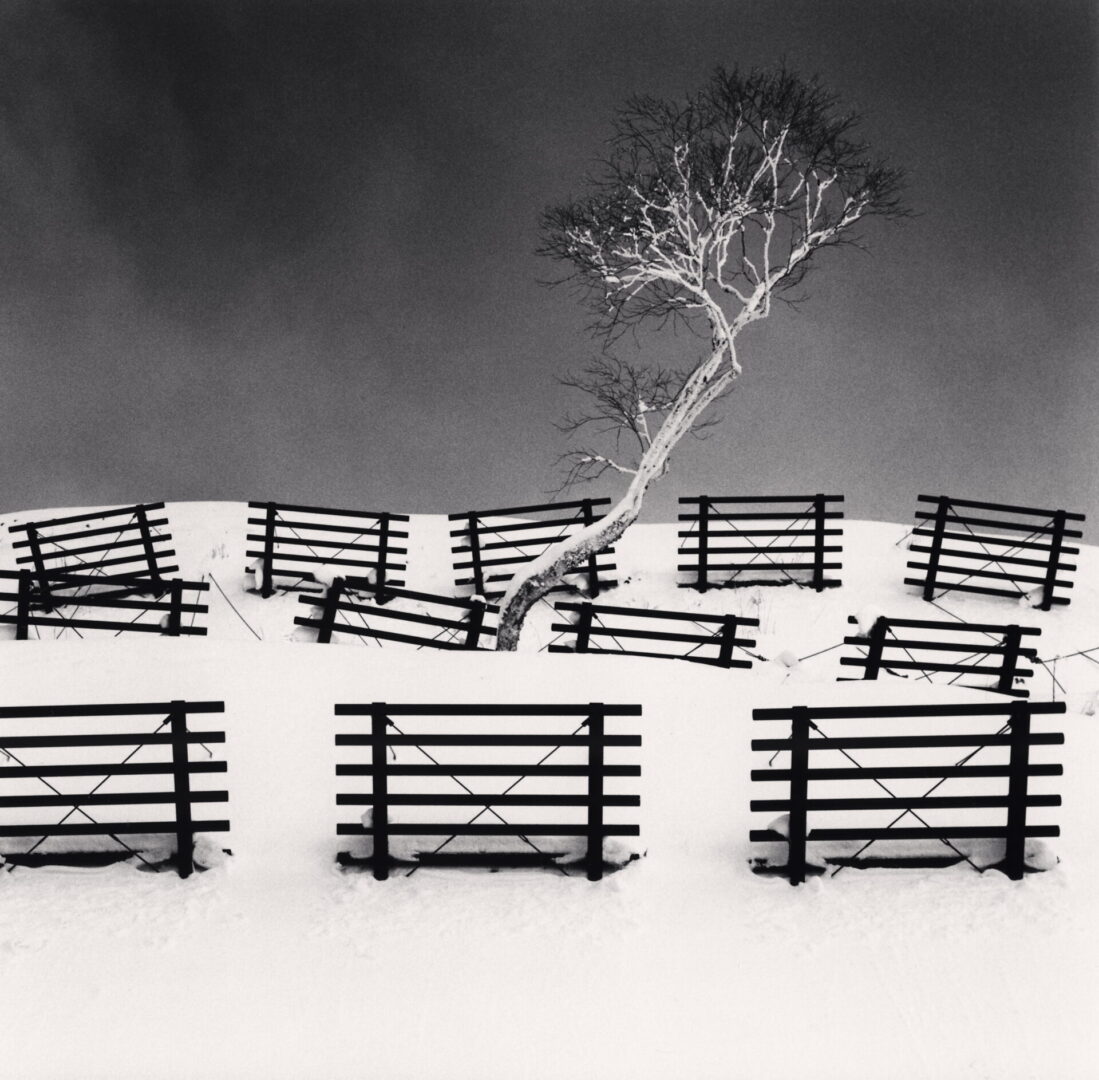
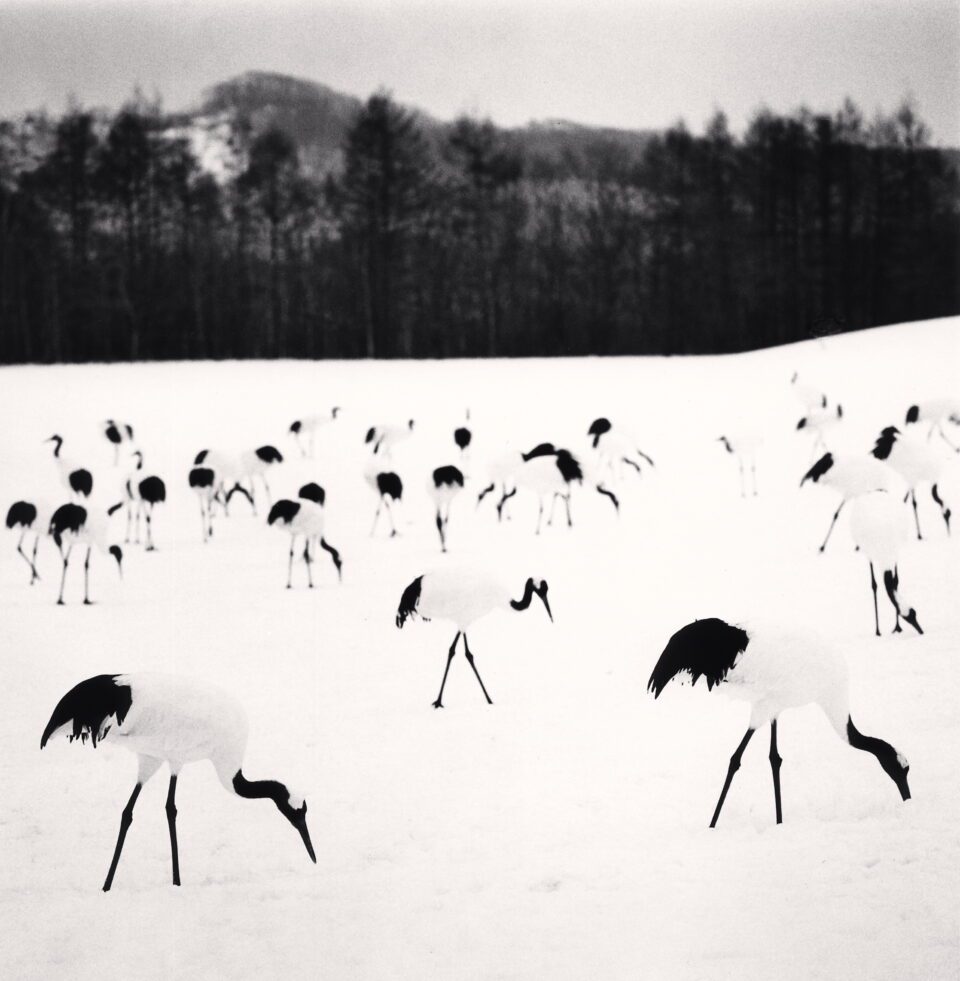
The artist’s distinct visual language, a dialogue between dramatic contrasts of light and shadow, crystallised in Japan. Kenna first visited the country in 1987, returning over the following decades to document its minimalist buildings and sweeping vistas. He described the process to Black and White magazine: “Falling in love with Japan, then and there, quickly, quietly and inexorably, was inevitable…It’s a country where the land is alive and powerful, where the elements are strong. I believe experiencing Japan accentuates an awareness of the fragility and beauty of our transient world.” This sensibility is evidence in The Photographer Gallery’s exhibition, where scenes of expansive, snowy landscapes are treated with a reverence that borders on the spiritual. Kenna takes often overlooked objects as his focus, punctuating untouched spaces with a bare tree or a flimsy fence. These shots are more than the sum of their parts, becoming a testament to the beauty in the everyday.
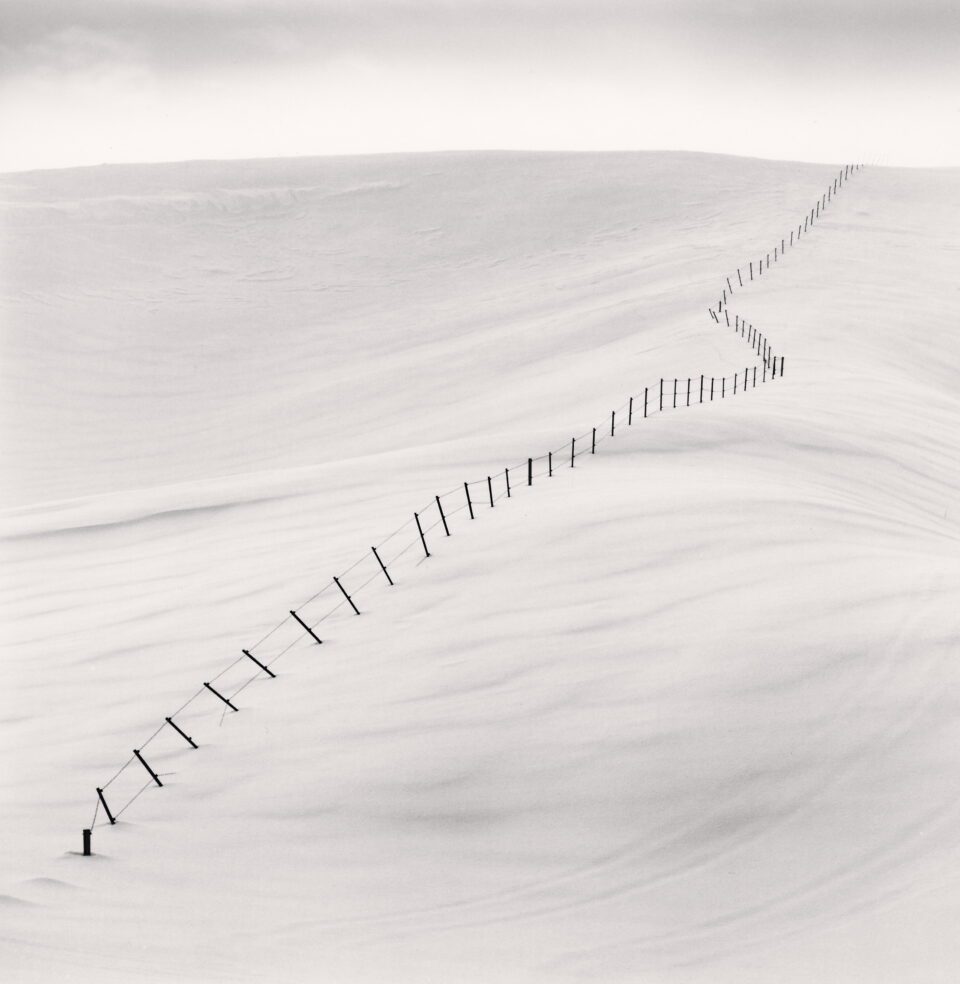
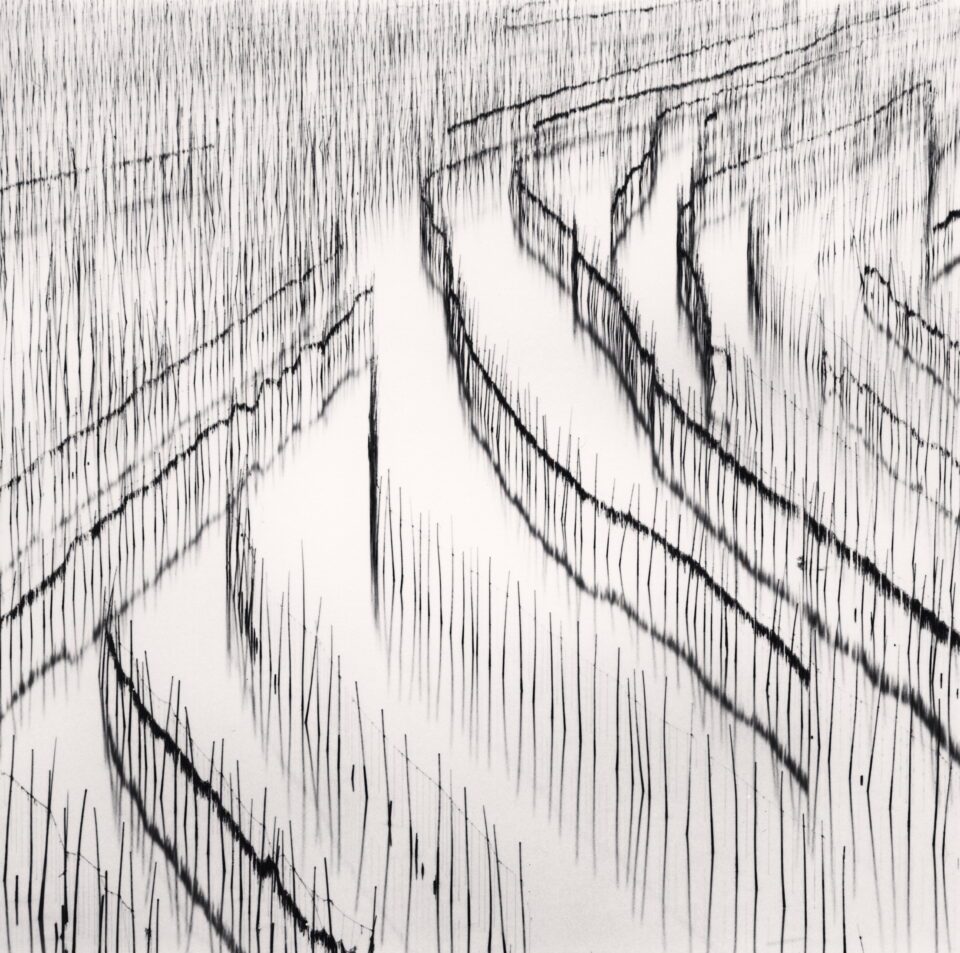
It’s refreshing to know that, despite almost 40 years of experience and 500 one-person exhibitions in galleries around the world, Kenna continues to shoot in the exact same way he did in 1987. The artist chooses to use his trusty Hasselblad cameras, often photographing at night or just before dawn, using exposures that can last up to 12 hours. As he describes it: “I choose to take the slower path.” The result is an image that makes details the human eye cannot detect suddenly visible. Kenna also has a meticulous personal printing style, working in the traditional, non-digital, silver photographic medium. It is a method he describes as unpredictable, painstaking and deeply rewarding. The result is exquisitely hand-crafted, black-and-white prints, which he makes in his own darkroom, that reflect a sense of refinement.
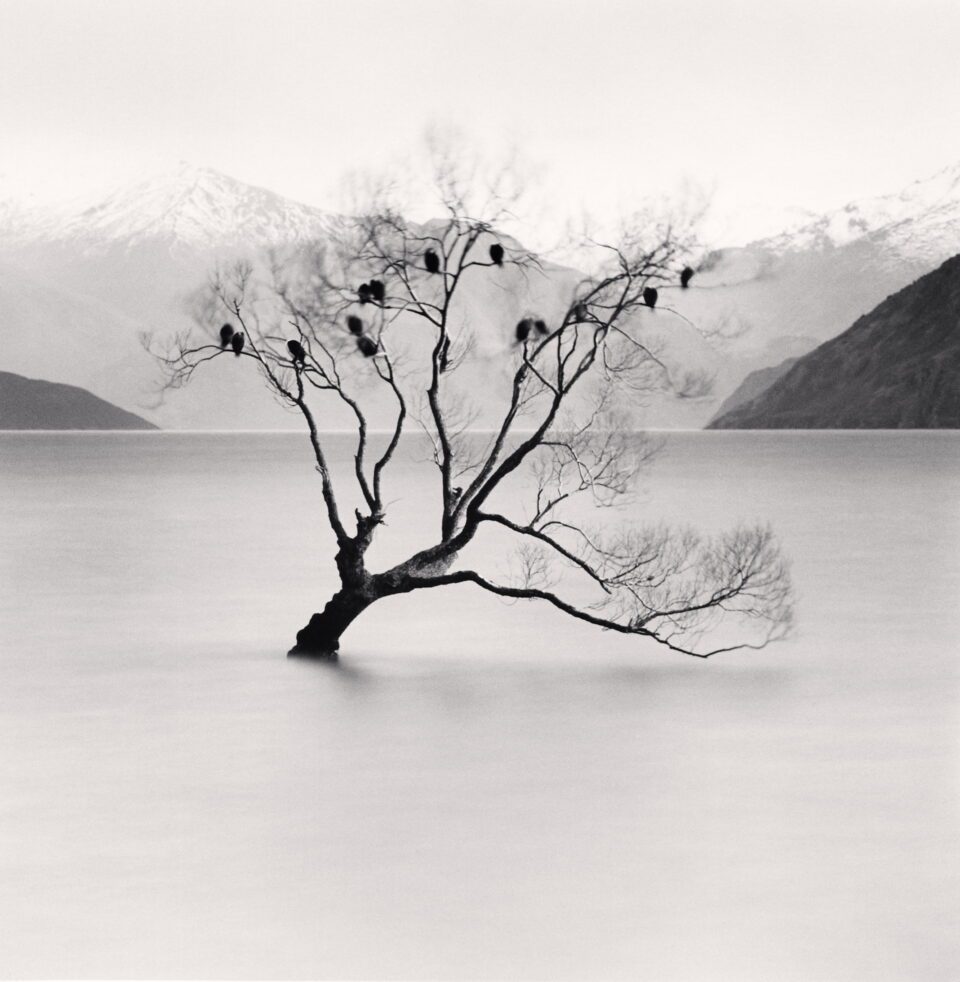
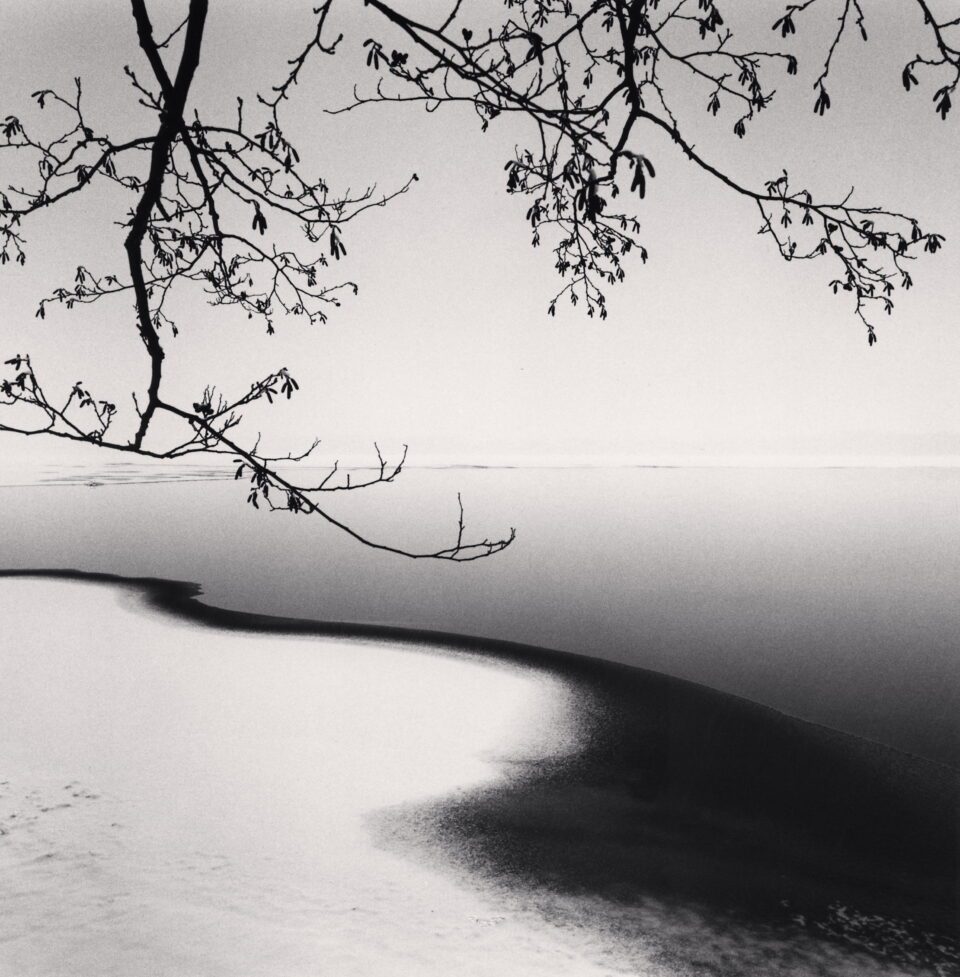
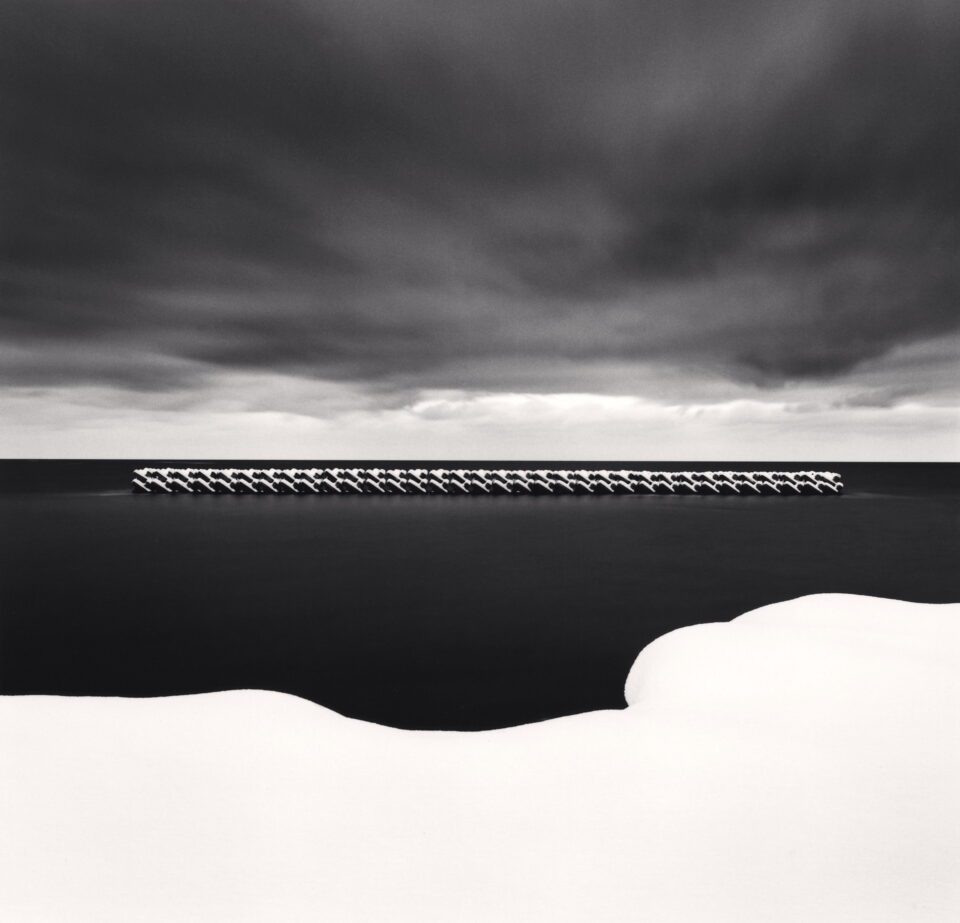
Shin Shin demonstrates why Kenna’s practice continues to resonate. His commitment to analogue processes and long exposures is a testament to the adage “good things come to those who wait.” Here, patience, respect and careful attention are the most valuable tool in an artist’s arsenal. These snow-laden landscapes, pared back to their very essentials, encourage us to reconsider our own pace in life, inviting a deeper, more deliberate encounter with the world.
Michael Kenna: Shin Shin (しんしん) is at Print Sales Gallery at The Photographers’ Gallery, London until 25 January: thephotographersgallery.org.uk
Words: Emma Jacob
Image Credits:
1. Dakekanba and Snow Barriers, Hokkaido, Japan. 2020
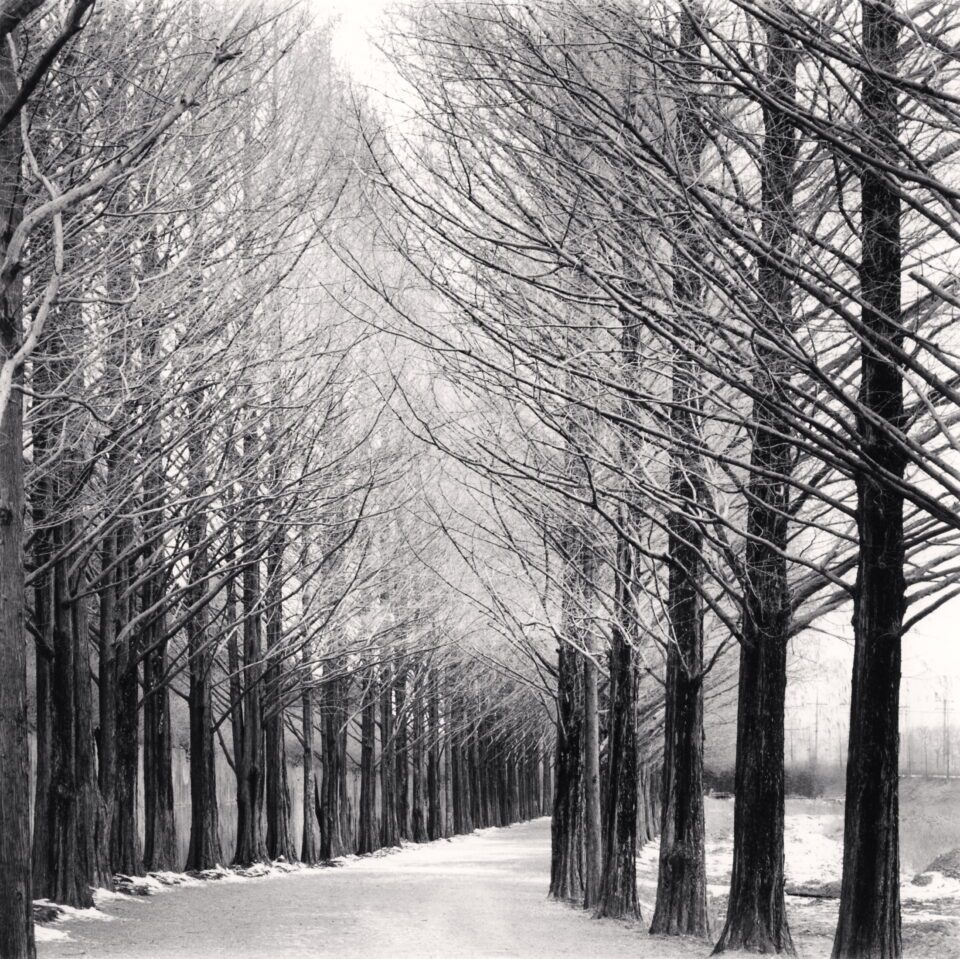
2. Alley of Trees, Damyang, Jeollanamdo, South Korea. 2012
3. Flock of Red Crown Cranes, Tsurui, Hokkaido, Japan. 2005
4. Seaweed Farms, Study 3, Xiapu, China. 2010
5. Winter Seascape, Wakkanai, Hokkaido, Japan. 2004
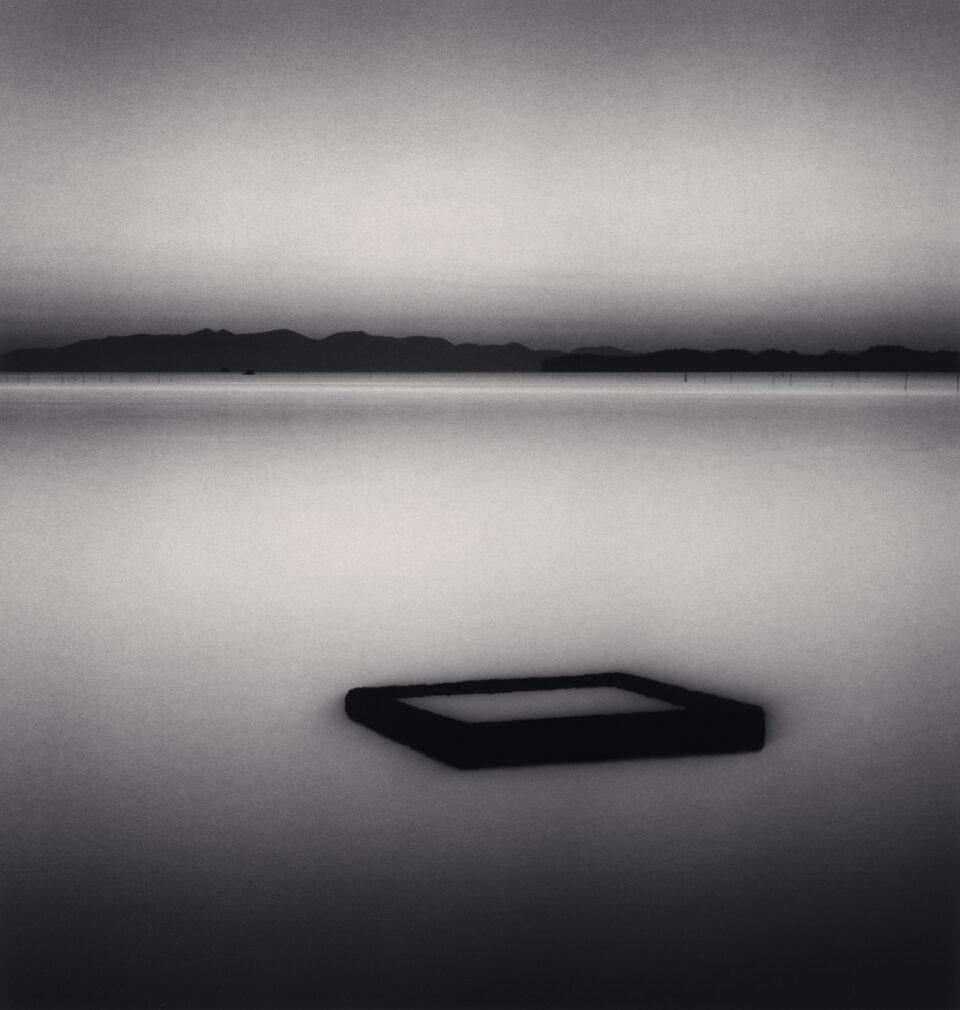
6. Fish Washing Tank, Sunjeongmaeul, Go-Heung Jeollanam-do, South Korea. 2023
7. Hillside Fence, Study 7, Teshikaga, Hokkaido, Japan. 2004
8. Wanaka Lake Tree, Study 2, Otago, New Zealand. 2013
9. Hyomon, Study 1, Kussharo Lake, Hokkaido, Japan. 2020