“How can photography make a difference to the climate crisis?” This question is at the heart of OPEN ECO, an exhibition of 20 images by artists responding to environmental change. The show is part of this year’s Photo Fringe, a biannual festival taking place across Brighton & Hove and the southeast coast. It is one of the largest events of its kind in the UK, and, for 2026 it is providing a platform for creatives considering the role of the camera in addressing urgent ecological issues. For Producer Ricardo Reveron Blanco, “an image can act as evidence, testimony, warning or invitation. It can make visible what is overlooked, connect a local experience to a global condition, or encourage us to look again at the environments we inhabit every day.”
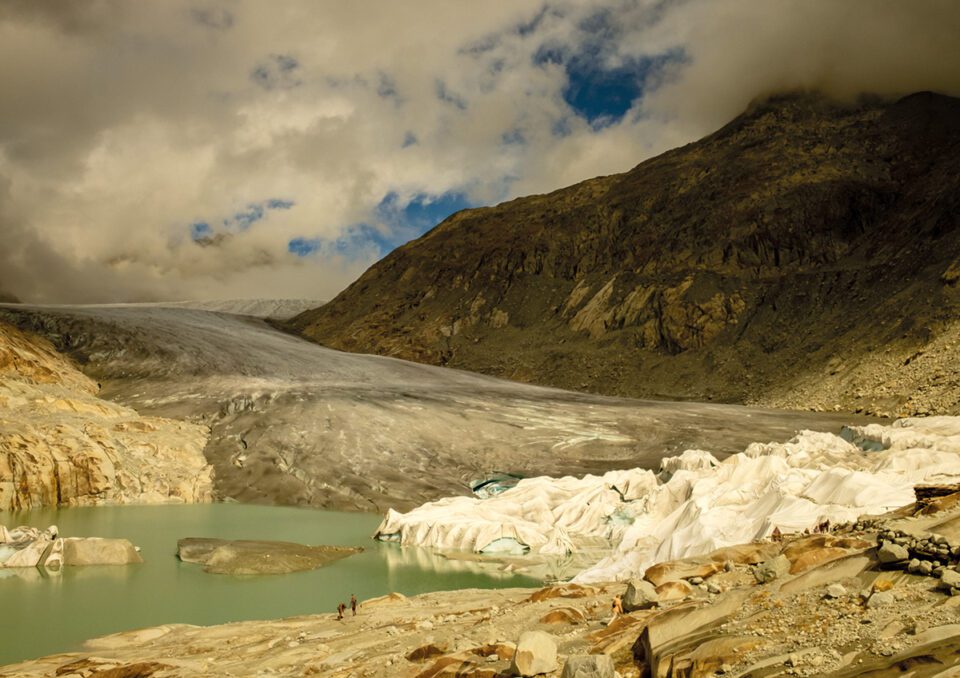
Those featured in OPEN ECO were selected through an international open call, bringing together global perspectives on different aspects of the climate crisis – from wildfires and extreme heat to fly tipping and beach plastic. Documentary photographer Mark Phillips, for example, draws attention to the attempts being made to protect the Rhone Glacier with tarpaulin and insulation. Despite this, Switzerland’s landscapes are still facing rapid melt. Five per cent of the country’s remaining glacier ice disappeared in the last 12 months alone. This theme recurs elsewhere in the show, as Britta Kohl-Boas’ Overshoot (2026) critiques selfie culture and tourist detachment, depicting holidaymakers taking souvenir photos in front of broken-off ice floes. Elsewhere, Nina Maria Allmoslechner uses darkroom techniques to picture disappearing icescapes, whilst Aindreas Scholz incorporates meltwater into his unique cyanotype process.
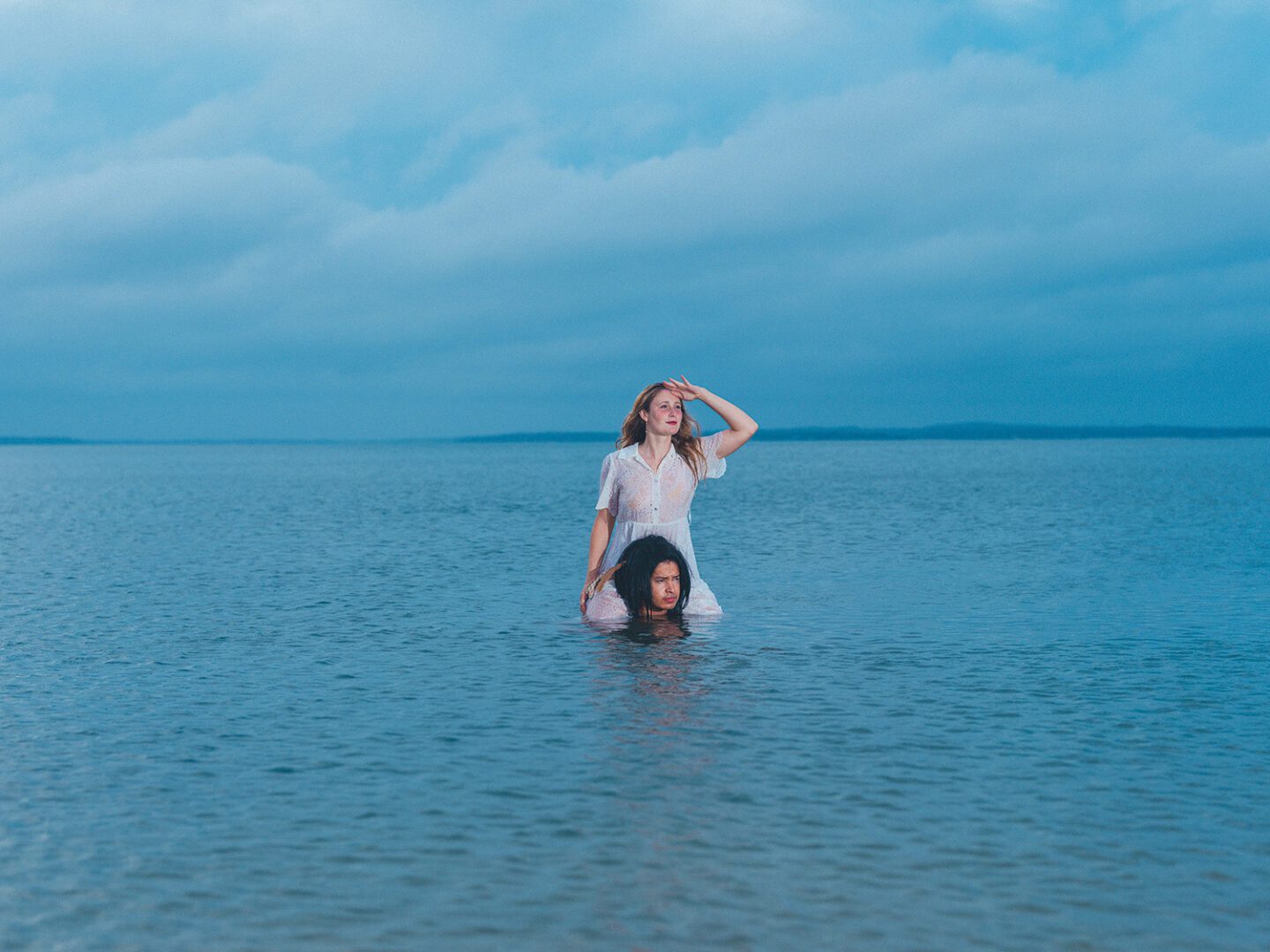
Water is also at the centre of Dmitry Stepanenko’s Miami (2015), which records daily life persisting amid coastal vulnerability, as well as Dr Gil Mualem-Doron’s The Catch of the Day (2026), a collaboration with Sri Lankan youth transforming ocean waste into wearable sculptures. Elsewhere, Shinnecock artist Jeremy Dennis, who is based in New York, presents Still Searching For Land We Can Both Call Home (2025). It’s a staged image, in which a Native figure carries a white woman through shoulder-deep water as she searches the horizon for land. Rising sea levels pose a real threat to Shinnecock homelands, and, as such, the image asks viewers to connect climate responsibility with colonial legacies and Indigenous sovereignty.
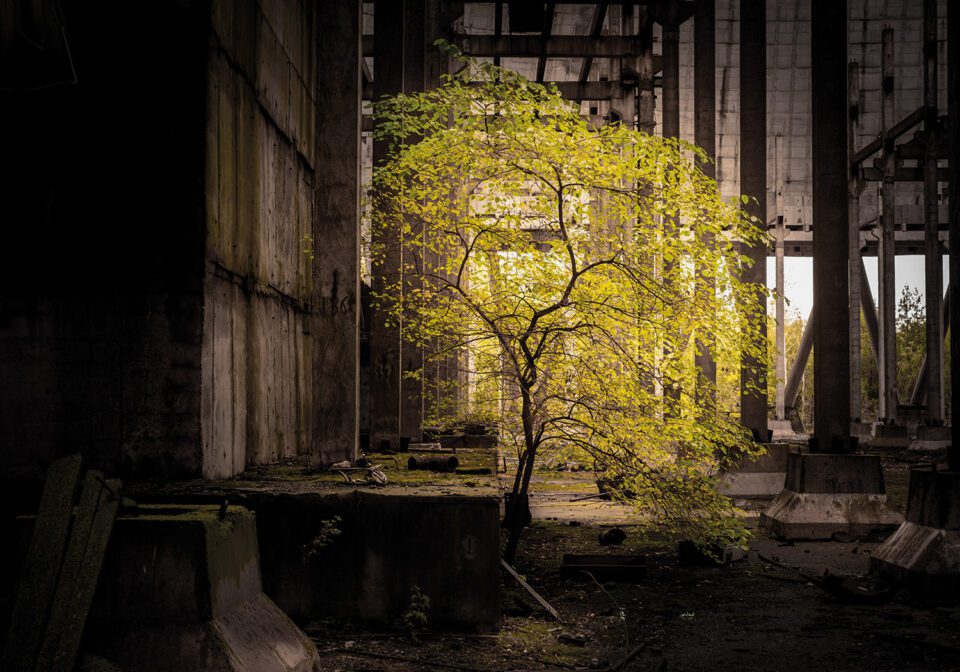
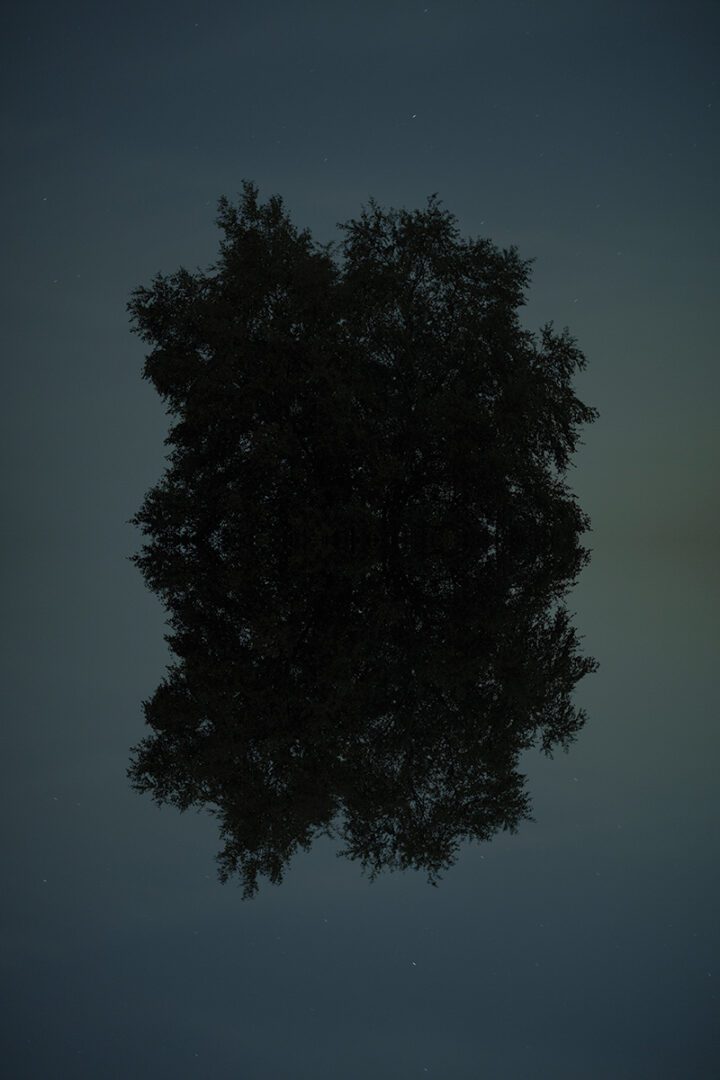
Amongst these heralds of crisis are also glimmers of optimism. Halfdan Hallseth’s Monument (2020) captures a delicate tree growing amidst Chernobyl’s Reactor 5 cooling tower, reflecting on both the ongoing impact of human-made disaster and nature’s resilience. Louise Beer, meanwhile, collaborated with students and young people on Earth, a Cosmic Spectacle (2024), encouraging the next generation to appreciate the wonder of our planet. As Blanco observes: “across the exhibition, the photographs create a conversation that moves between warning, observation, imagination, resistance and hope.”
It’s significant that OPEN ECO is an outdoor display. The works are installed along Brighton’s seafront, many within the very landscapes they respond to. Seen against the sea, sky and coastline, the prints take on an added relevance, connecting the issues they explore with the environment immediately around them. This is what makes OPEN ECO so impactful. The bottom line: Photo Fringe asked if photography could contribute to the climate conversation, and these 20 artists answered – with an emphatic “yes”.
OPEN ECO is presented outdoors at the Seafront Gallery, Brighton, until 1 November.
Part of Photo Fringe 2026.
Words: Eleanor Sutherland
Image Credits:
1. Jeremy Dennis, Still Searching For Land We Can Both Call Home, (2025).
2. Halfdan Hallseth, Monument, from the series Chernobyl, (2020).
3. Louise Beer, Earth, a Cosmic Spectacle/Billions and Billions and Billions of Years, (2024).
4. Mark Phillips, The Rhone Glacier retreats, from the series Asymmetries (2022).