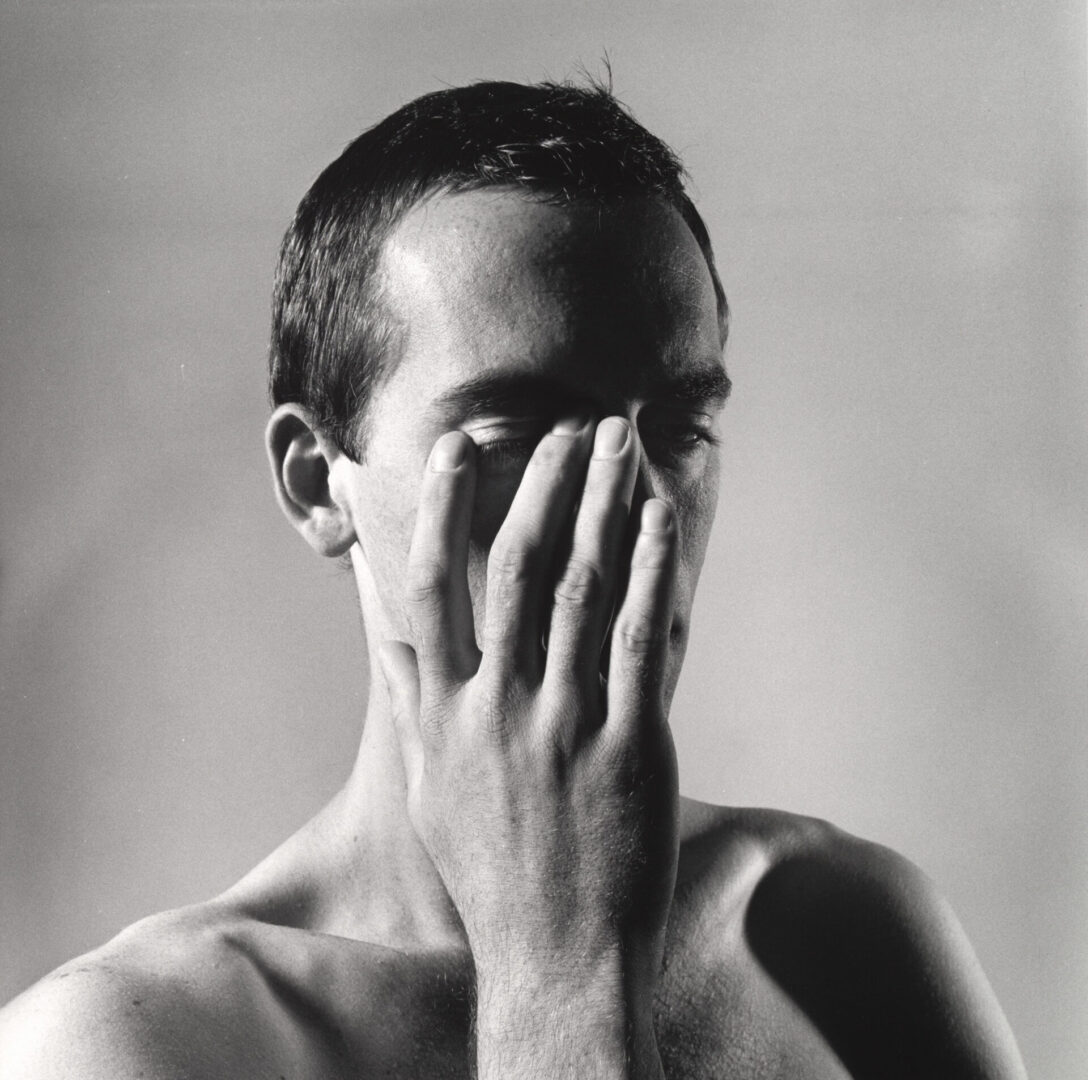
In a city defined by reinvention, the Gropius Bau presents Peter Hujar / Liz Deschenes: Persistence of Vision, a striking intergenerational dialogue in photography that challenges the boundaries of the medium. Bringing together two artists whose practices span nearly half a century; the exhibition foregrounds the clarity of vision that defines their work while exploring photography as a material and conceptual practice. Hujar and Deschenes treat light, chemistry, space and perception as integral elements of image-making, expanding photography far beyond simple representation. This is the first major exhibition in Berlin for both artists, situating their work in conversation with contemporary practice and historical context. Visitors encounter not only photographs and photograms but a meditation on vision itself. The show positions both artists as rigorous observers of human experience and the material world.
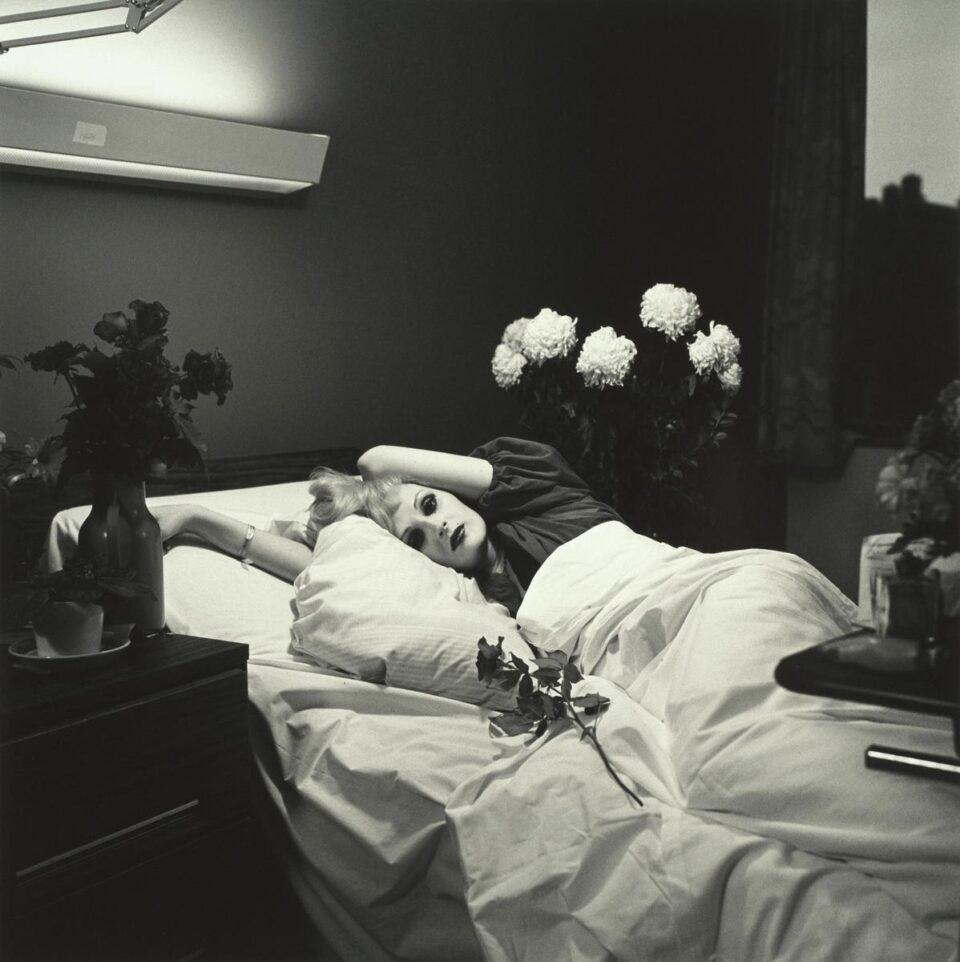
Peter Hujar, (1934-1987) was born and raised by Ukrainian immigrant grandparents in semi-rural New Jersey, began photographing animals and landscapes around his family home using his mother’s camera. At 12, he moved to New York City, where an English teacher recognised his potential and encouraged him to pursue photography. A Fulbright scholarship took him to Italy in 1962, where he studied film and travelled extensively, experiences that deepened his lifelong engagement with mortality. Returning to New York, he became embedded in the East Village arts scene, photographing figures such as Candy Darling, William S. Burroughs and Susan Sontag. Hujar’s work spans portraits, urban ruins and animals, reflecting themes of intimacy, community, sexuality and decay. His black-and-white images are characterised by an uncompromising directness, capturing both vulnerability and strength in equal measure.
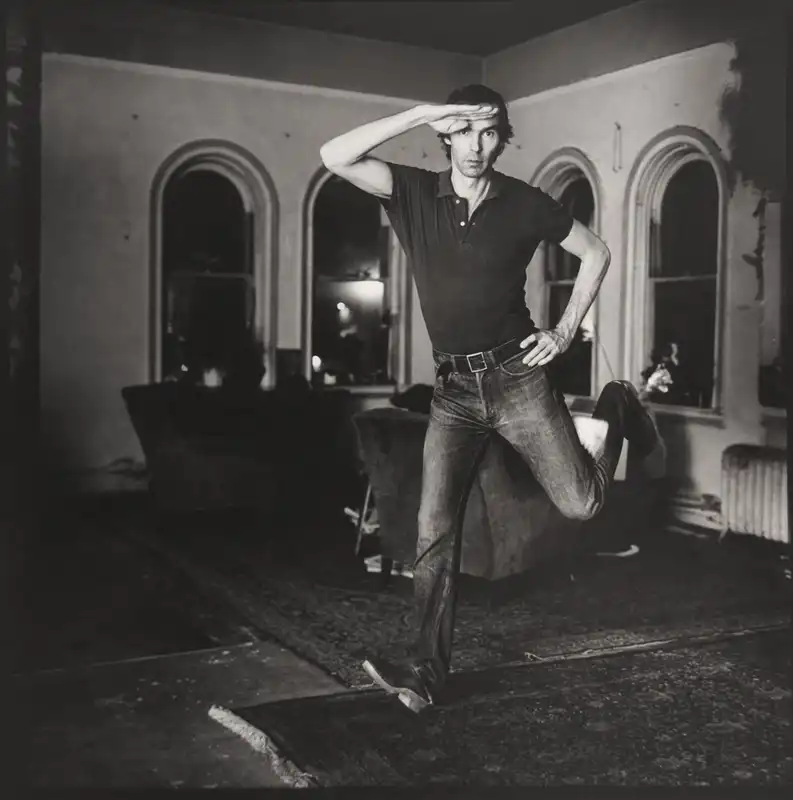
“I make uncomplicated, direct photographs of complicated and difficult subjects. I photograph those who push themselves to any extreme and people who cling to the freedom to be themselves,” Hujar once said. Working in New York from the 1960s to the 1980s, he documented the cultural era between Stonewall and the AIDS crisis, producing images of enduring emotional and historical resonance. His masterclass with Richard Avedon in 1967 prompted him to abandon commercial photography and dedicate himself fully to his art. Hujar’s meticulous approach to presentation, combined with his uncompromising character, meant he never achieved mainstream recognition during his lifetime. It was only after his death from an AIDS-related illness in 1987 that his work gained the wider acclaim it deserved. Hujar’s photographs serve as both documentary evidence and intimate reflection, bridging personal and historical narratives.
Liz Deschenes, born in Boston in 1966, represents a different generation yet shares Hujar’s dedication to experimentation and vision. With a BFA from Rhode Island School of Design, she interrogates the fundamental properties of photography – light, chemistry and time – and pushes the medium beyond conventional representation. Deschenes’ work spans photograms, glass, and sculptural interventions that blur the line between image and object. Early projects such as Elevations and Green Screen manipulate monochrome colour, while more recent moonlight-exposed photograms reveal subtle tonal shifts and silvery textures. Her sculptures and glass works introduce motion, spatial awareness, and viewer engagement into the exhibition, reflecting on how perception is shaped by context. “My work is often in reaction to the limited scope that photography is often understood by. I think photography is capable of much more than representing a particular moment in time,” she explains.
Persistence of Vision stages a dialogue between Hujar’s intimate, often intense imagery and Deschenes’ conceptual, process-driven works. Several galleries use grid installations inspired by Hujar’s 1986 Gracie Mansion exhibition, arranging photographs in ensembles that resist strict categorisation. Cinematic depictions of New York at night converse with Deschenes’ moonlight photograms, highlighting their shared fascination with darkness not only as subject but as medium. Hujar’s ruins meet Deschenes’ Retaining sculptures, inspired by scaffolding systems designed to stabilise historic buildings, a pairing that resonates with the Gropius Bau itself, which remained a ruin for decades after wartime destruction. Through this, the exhibition emphasises how formal and conceptual differences can generate unexpected affinities. The show encourages visitors to reflect on the interconnections between image, space and perception.
Deschenes’ works introduce a dramaturgical rhythm, attuned to light, motion and the presence of bodies in space. Juxtaposed with Hujar’s intimate portraits, they invite viewers to linger, examining both image and environment. The exhibition positions photography as a medium that is simultaneously experiential, conceptual and historical, demanding engagement rather than passive observation. Hujar’s commitment to humanistic detail complements Deschenes’ process-driven rigor, creating a space where intimacy and abstraction coexist. This tension encourages reflection on perception, time and the act of seeing. In this way, the exhibition is as much about the mechanics of vision as it is about the works themselves.
The legacies of Hujar and Deschenes resonate across contemporary photography and art. Deana Lawson, whose intimate portraiture explores identity, community and social structures, echoes Hujar’s humanist sensibility. Trevor Paglen, who investigates light, surveillance and invisible systems, recalls Deschenes’ interest in process, materiality and perception. Candida Höfer’s architectural studies, where the experience of space is inseparable from the image, reflect the perceptual concerns shared by both artists. These practitioners demonstrate how photography continues to embrace conceptual experimentation. Hujar and Deschenes establish a lineage of rigorous attention to material, subject and perception. Their influence underscores the medium’s capacity to be simultaneously personal, formal and conceptual.
Hujar’s photographs continue to shape portraiture and cultural memory, demonstrating how meticulous attention to detail can reveal profound humanity. His uncompromising approach to subject and environment has inspired a generation of artists committed to emotional authenticity without sentimentality. Deschenes’ material experimentation has opened avenues for contemporary practitioners to consider light, chemistry and spatial presence as integral to image-making. Together, their oeuvres offer lessons in the potential of photography to extend beyond documentation into conceptual and experiential territory. The exhibition encourages viewers to reflect on the act of seeing itself. In this way, Persistence of Vision situates both artists as vital figures in the ongoing evolution of photographic practice.
Curated by Eva Respini of Vancouver Art Gallery and Monique Machicao y Priemer Ferrufino of Gropius Bau, the exhibition offers a comprehensive view of Hujar and Deschenes’ work while placing it in dialogue with contemporary photography. Hujar’s portraits and urban landscapes are presented alongside Deschenes’ photograms and glass sculptures, revealing the generative power of juxtaposition. The show demonstrates how photography can be simultaneously intimate, conceptual and architectural, bridging generations and practices. By situating the works within the historical and spatial context of the Gropius Bau, the exhibition becomes a meditation on light, ruin and renewal. Both artists demonstrate that vision is not simply about what is captured, but how it is engaged with over time.
Persistence of Vision is not only a retrospective, but rather a conversation across time and practice, highlighting photography’s ongoing evolution. Hujar’s focus on humanity and Deschenes’ conceptual rigour combine to create a space that is visually, intellectually and emotionally resonant. Visitors are invited to engage with textures, shadows, architectural traces and subtle tonal shifts, experiencing the works as active agents in perception. In connecting historical depth with contemporary resonance, the show offers both reflection and revelation. It demonstrates that the act of looking is never passive, but always transformative, and that photography continues to speak across generations.
Peter Hujar / Liz Deschenes: Persistence of Vision is at Gropius Bau, Berlin from 19 March to 28 June: berlinerfestspiele.de
Words: Anna Müller
Image Credits:
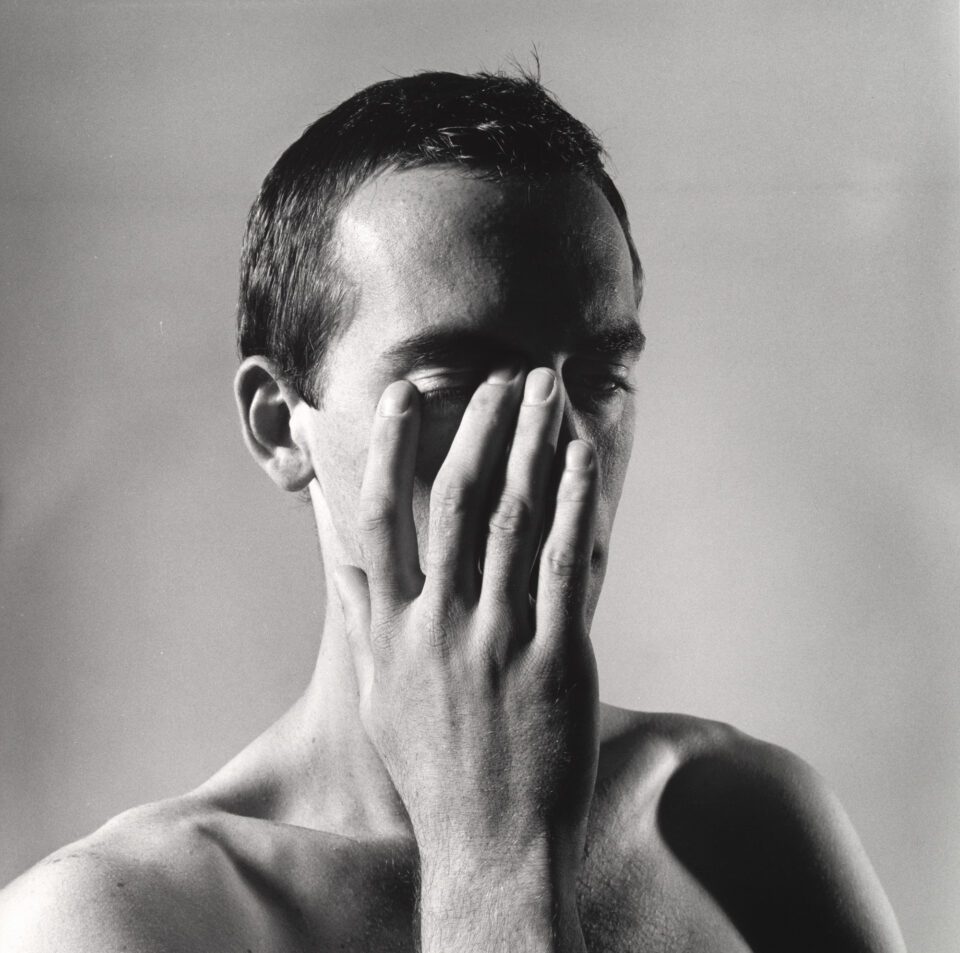
1&5. Peter Hujar, David Wojnarowicz (Hand Touching Eye), 1981. © The Peter Hujar Archive / VG Bild-Kunst, Bonn 2026.
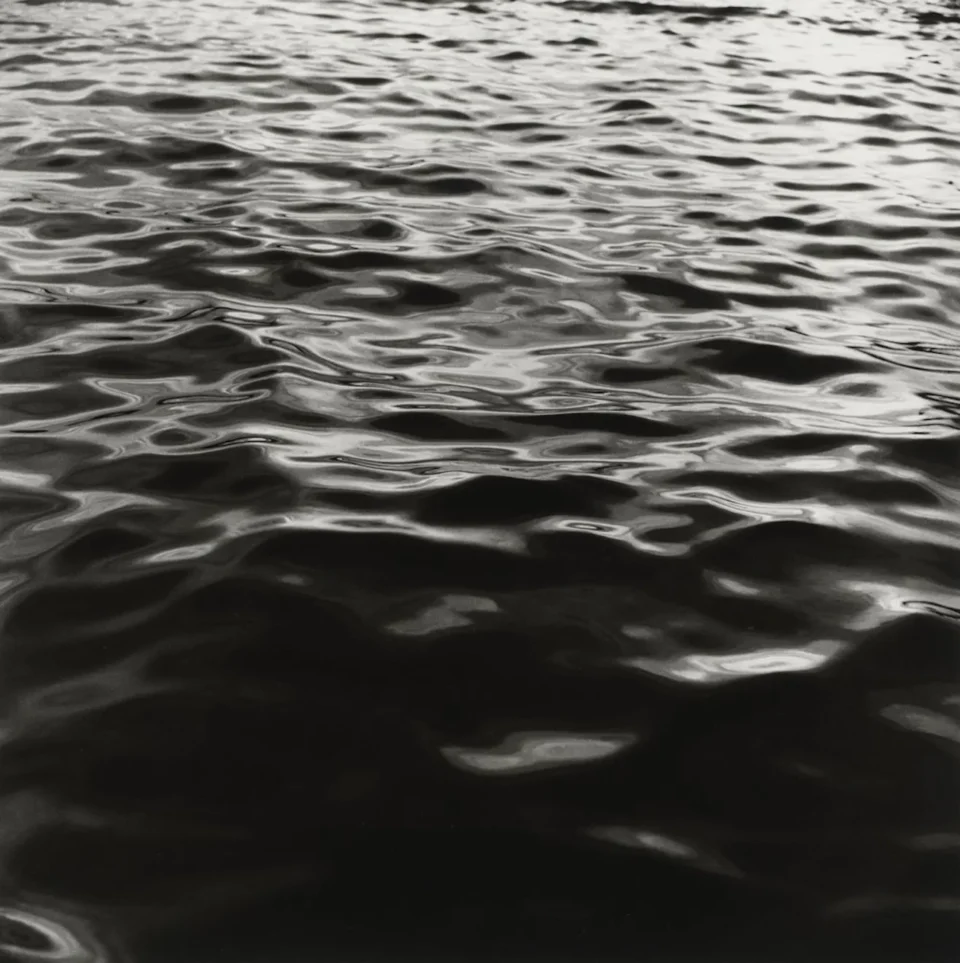
2. Peter Hujar, Hudson River (III), 1976 © The Peter Hujar Archive / VG Bild-Kunst, Bonn 2026.
3. Peter Hujar, Self-Portrait (I) Jumping, 1974 © The Peter Hujar Archive / VG Bild-Kunst, Bonn 2026.
4. Peter Hujar, Candy Darling on Her Deathbed, 1973 © The Peter Hujar Archive / VG Bild-Kunst, Bonn 2026.