

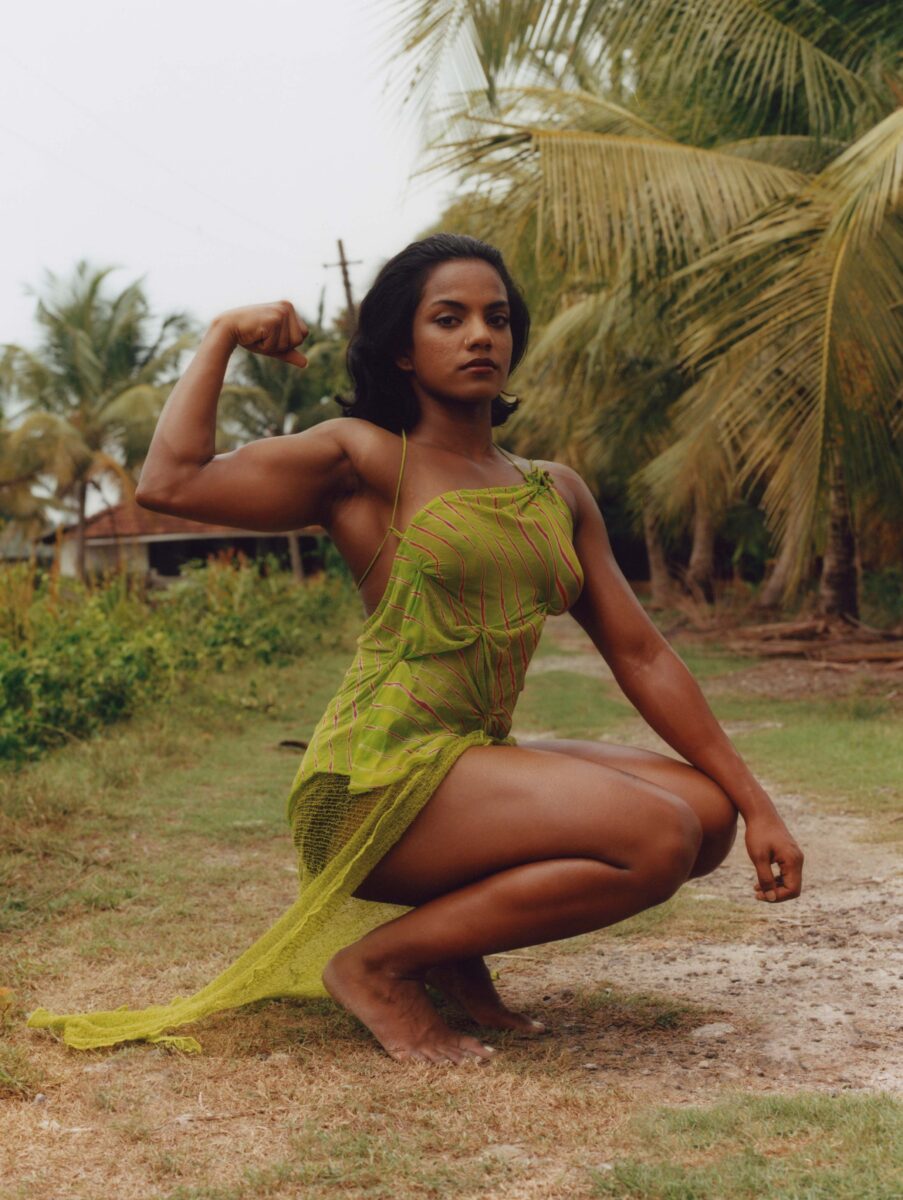
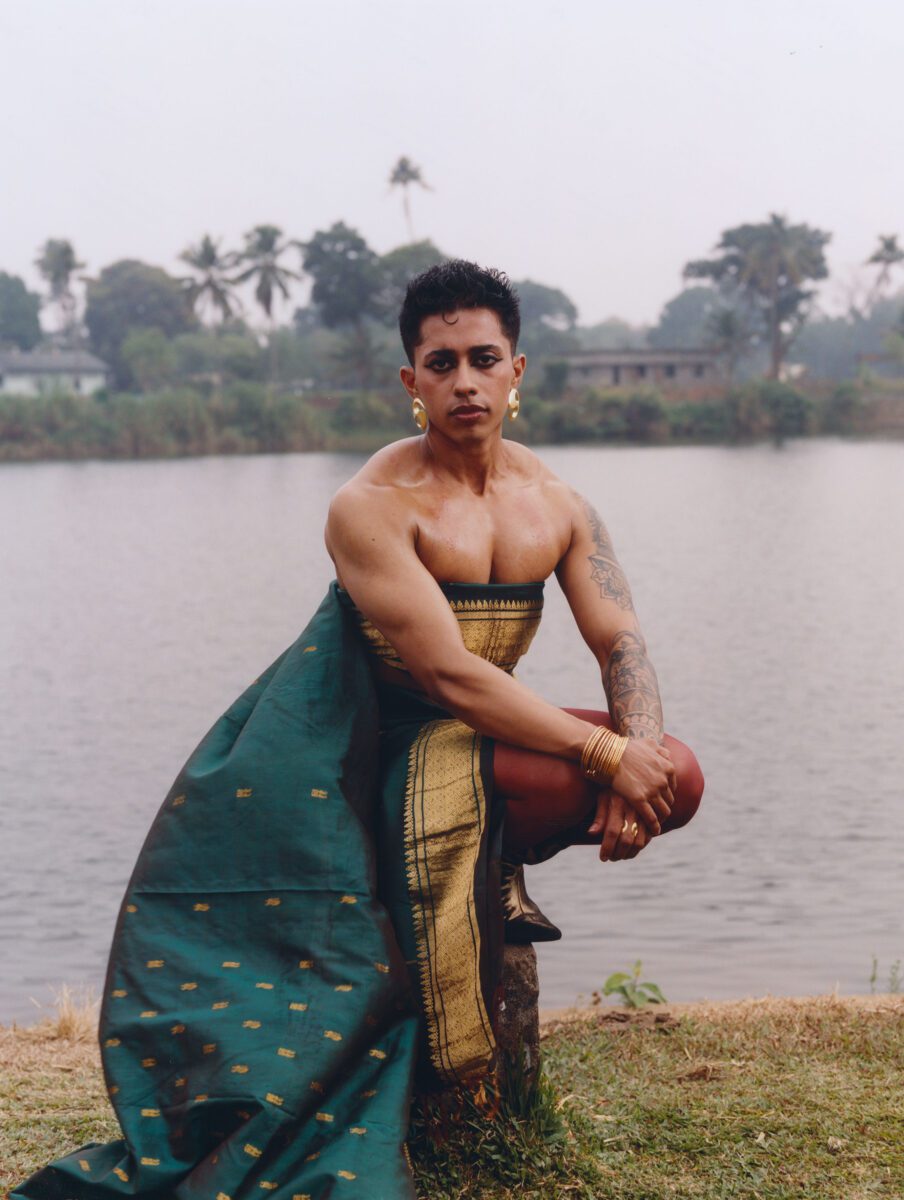
Keerthana Kunnath’s Not What You Saw began organically, after the photographer met a handful of female bodybuilders from the Kerala region of South India. The group later grew to more than a dozen, and Kunnath began to embed herself within the community. She came to understand the full weight of their commitment: the physical demands of the sport, the emotional strain, and the financial pressures of choosing this career. Determined to build visibility and respect for these women, she got to know their friends and families, spent time with them in their homes outside the shoots, and followed them to competitions. The project is both documentation and provocation: a tribute to trailblazing women and a call to rethink cultural constructs of gender and beauty. The artist’s visual language is striking and graceful, characterised by a rich colour palette. Foam, Amsterdam’s display of her works opens up vital conversations about gender, sexuality and mental health, topics that are rarely discussed in her homeland of India. Aesthetica spoke to the artist about how important visibility is for the women in her images.
A: Not What You Saw began when you met a handful of female bodybuilders from the Kerala region of South India. What was it about the women that you initially wanted to document?
KK: I was immediately drawn to their muscular bodies, but also to the grace and softness that existed alongside that strength. There was something about seeing these very powerful women in the context of Kerala that felt unfamiliar to me. I wanted to photograph them as Malayali women who are also bodybuilders. Two things that, to me, felt almost strange to see in the same sentence.
A: Can you tell us a bit about the bodybuilding community in Kerala?
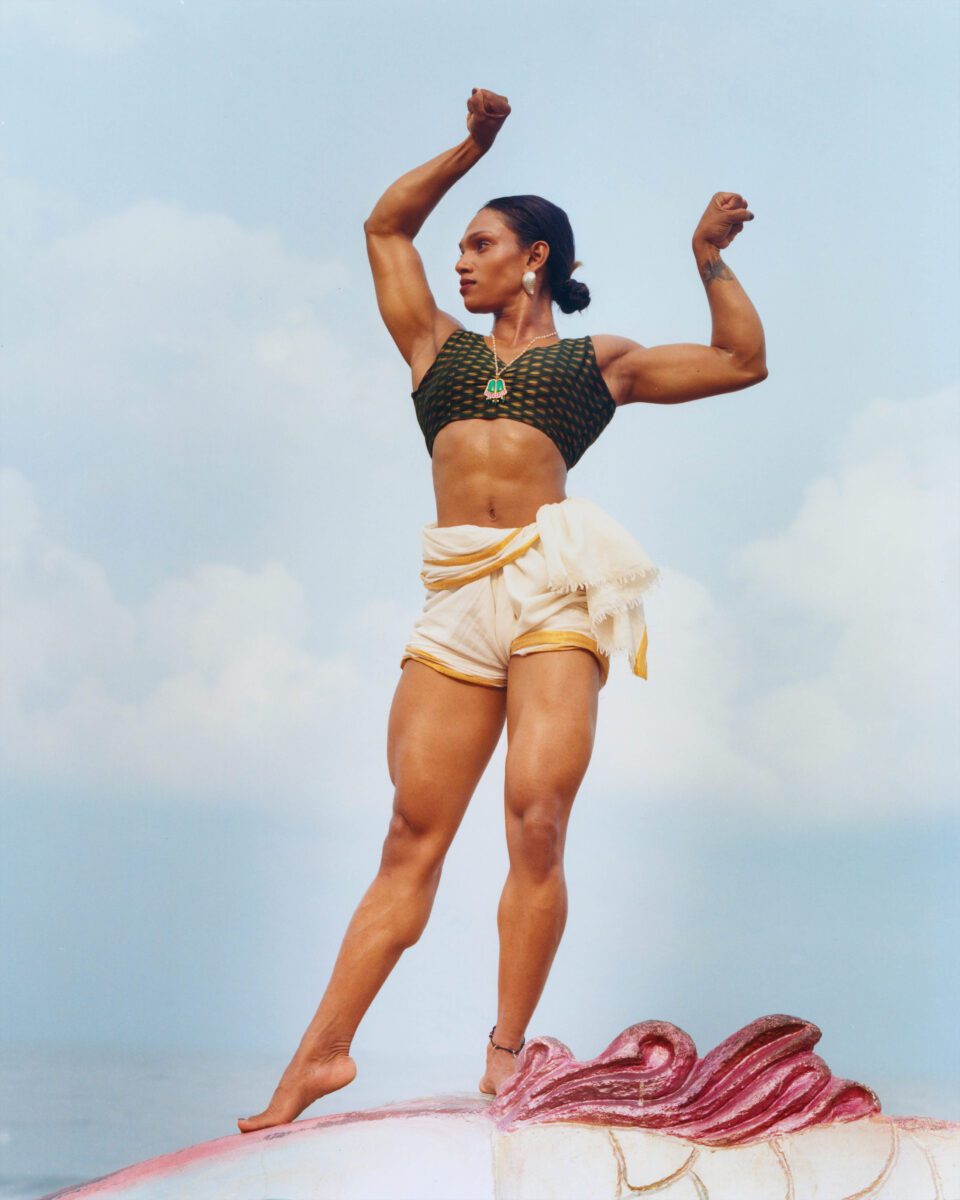
KK: It’s a very small and relatively new group, especially when it comes to women. Men’s bodybuilding has been much more established and visible in Kerala, whereas there are still only a handful of women competing. Because of that, the community is quite close knit. The women are supportive of each other, and they encourage one another to keep going in a space that can feel very male-dominated.
A: You spend a lot of time with the women, as well as their friends and family, in their quiet, domestic moments as well as during training. Why was it important to capture these spaces alongside the gym?
KK: I wanted to get to know them beyond bodybuilding. I was interested in the contrast between the physicality we usually associate with strength training and the quieter, more ordinary parts of their lives as daughters, mothers, friends, partners, and people with their own ambitions and responsibilities. Through our conversations, I realised how much they were navigating alongside the sport. It was important for me to hold space for all of those different parts of who they are, rather than reducing them to their bodies. Spending time with them at home, with their families and in their everyday environments allowed me to see those quieter layers, which became an important part of how I understood and photographed them.
A: How did spending time with these figures shape how you viewed strength?
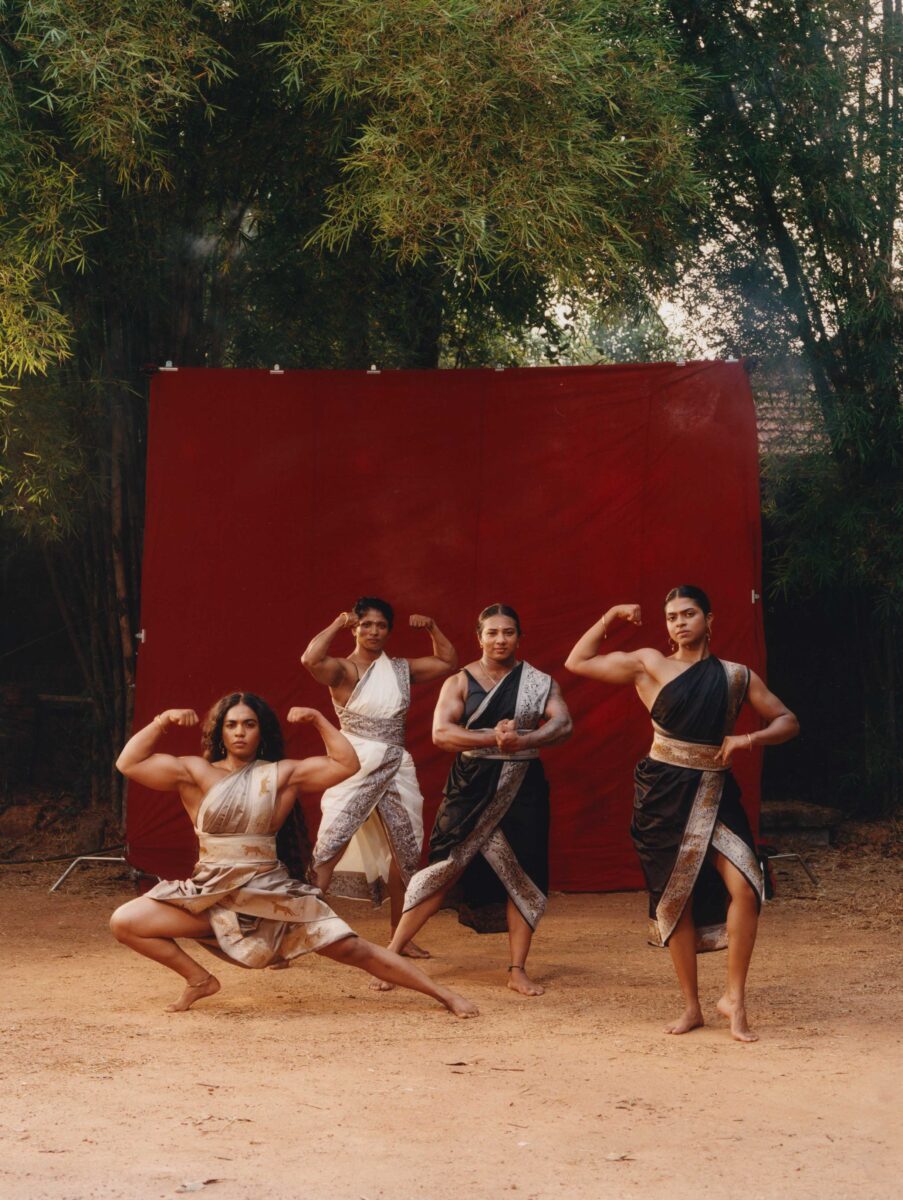
KK: I had initially been drawn to their physicality; the muscle, the discipline, the physical transformation. But the more I got to know them, the more I realised that wasn’t the strength that stayed with me. There is a much quieter resilience in choosing a path that isn’t expected of you, especially as a woman, and continuing to do it despite the ideas and expectations around womanhood. For me, that became one of the most powerful parts of the work: realising that strength can be as much about conviction and self-belief as it is about the body. Spending time with them made me rethink what I was initially looking at. Bodybuilding isn’t a very mainstream path for women in Kerala, and they are constantly having to negotiate that with their families, their communities and sometimes with their own ideas of what a woman is supposed to be. They make space for this part of themselves, and continue despite all adversity, which helped me realise that the physical strength was only the most visible part of it.
A: Were there any particular stories or experiences that have particularly stayed with you?
KK: One moment that has stayed with me was seeing Kavitha’s mother come to support her at a competition. Kavitha is 40, and her mother didn’t really know much about bodybuilding or what was happening around her, but she was completely there for her daughter. When Kavitha won the trophy, her mother had this huge smile that I found really moving. She may never have imagined this for herself or for Kavitha, but seeing her daughter on that stage, doing something so unexpected, was special.
A: Your images have a softness, despite the physical power of the bodies. How did you balance this?
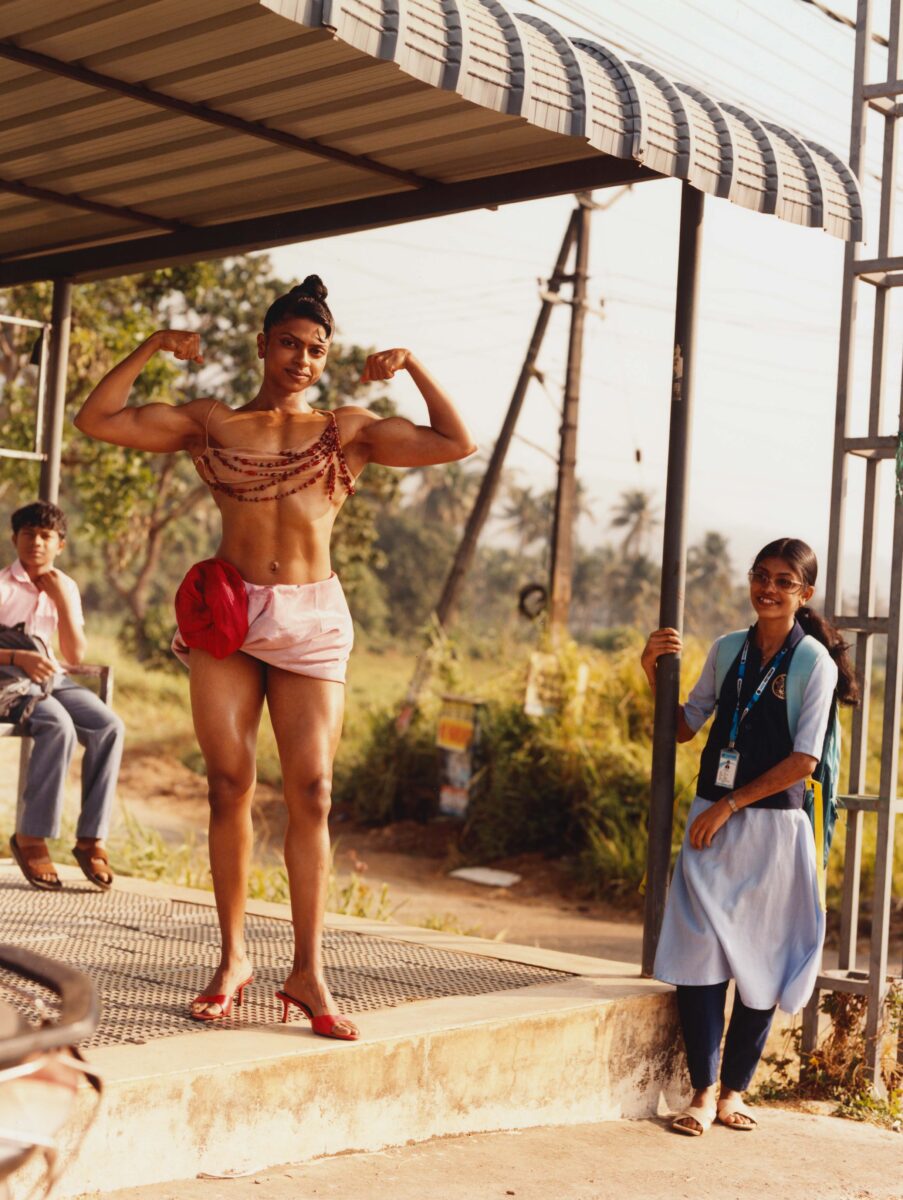
KK: I think that softness came quite naturally from the connection I built with the women. The more time I spent with them, the less I saw them simply as strong bodies and the more I saw them as whole people. We’re all much more complicated than what is visible on the outside, and I think that comes through.
A: How does your work challenge what wider society sees as acceptable for women’s bodies?
KK: I didn’t set out to challenge an idea of how a woman’s body should look. Through the process of making the work, I realised how much we attach meaning to a woman’s body and how quickly we decide whether it looks feminine, attractive, strong or acceptable. For me, the series is about sitting with that discomfort a little longer. A muscular female body can exist without needing to be explained or softened, and femininity doesn’t have to disappear when the body becomes stronger. I think the photographs are an attempt to make space for that without telling the viewer what they should think.
A: What do you hope your subjects see when they look at these photographs of themselves?
KK: I hope they see a side of themselves that they don’t always get to see. I’ve photographed them in so many different situations. Training, competing, at home, with their families and I hope the images hold all of those versions of them. I also hope they feel proud when they look at them. Many of them have had to make their own way in a sport that is still unfamiliar for women in Kerala. I’d like the photographs to remind them of how far they’ve come, and maybe, on a difficult day, give them a reason to keep going.
Keerthana Kunnath: Not What You Saw is at Foam, Amsterdam from 18 September – 27 November: foam.org
Words: Emma Jacob & Keerthana Kunnath
Image Credits:
1. Bhumika, 2024 © Keerthana Kunnath.
2. Sandra, 2024 © Keerthana Kunnath.
3. Bodybuilders for Tilfi, 2026 © Keerthana Kunnath.
4. Jannath with school kids, 2026 © Keerthana Kunnath.
5. Gouri, 2026 © Keerthana Kunnath.


