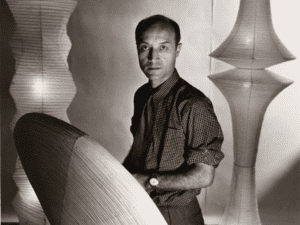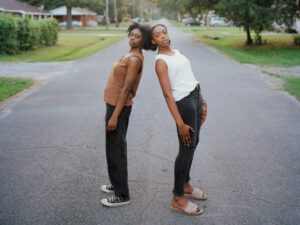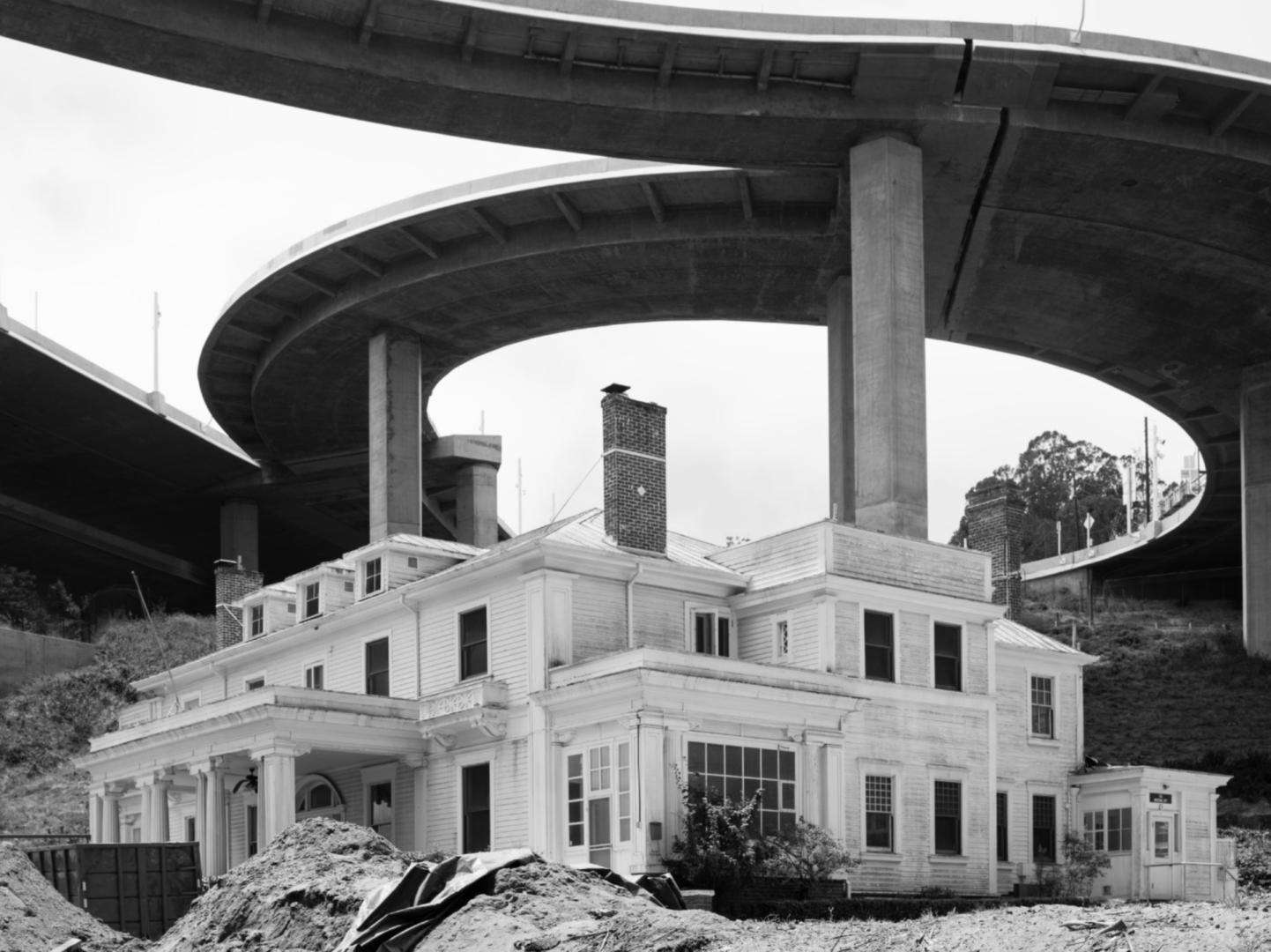
Mimi Plumb spent more than five decades observing the western United States subtle disquiet and enduring beauty. She was born in 1953 and raised in the San Francisco suburb of Walnut Creek. As a teenager, she began taking photographs, capturing the rhythms of suburban life during a decade of profound upheaval. In her early series The White Sky, Plumb depicts adolescents navigating uniform streets and abandoned construction sites, rendering the harsh Californian light with an intensity that amplifies both the absurdity and the pathos of everyday existence. Her images convey an empathy for her subjects whilst also registering the tension between human aspiration and the constrictions of environment. Her work evolved through Landfall and The Golden City in the 1980s and 1990s, and so, she turned her focus to landscapes scarred by development, natural catastrophe and militarisation, using the human figure as a conduit for broader cultural unease. Today, her recent work in The Reservoir continues this investigation, showing drought-stricken landscapes alongside the quiet resilience of those inhabiting them.
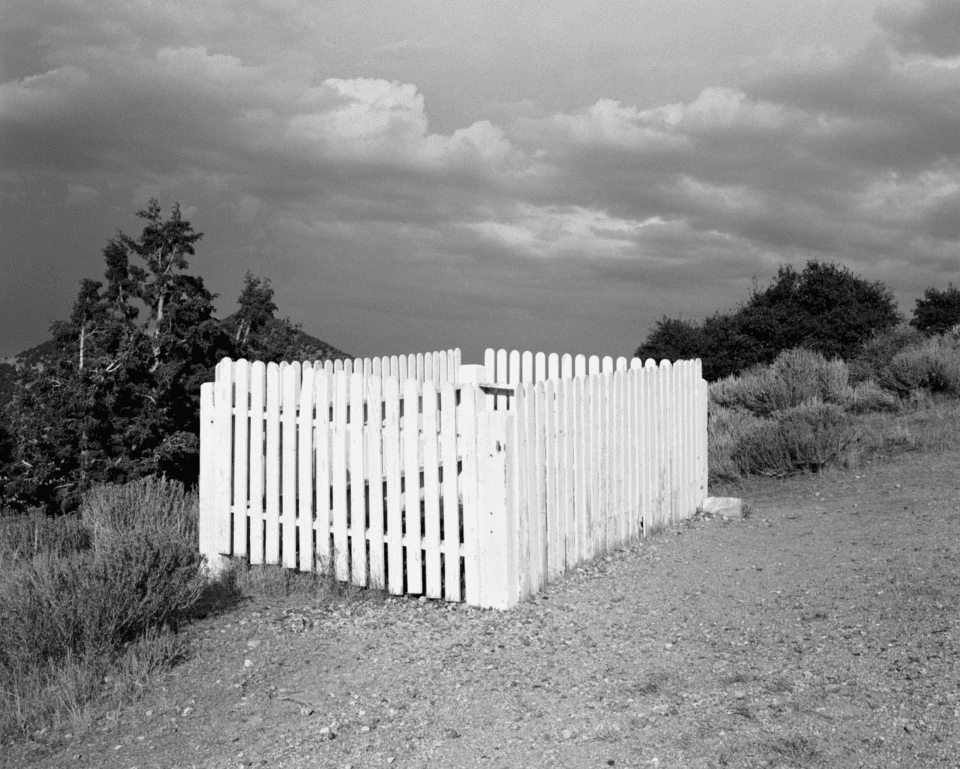
Plumb’s career has been shaped not only by her visual acuity but also by a rigorous engagement with photography as a medium. She holds undergraduate and graduate degrees from the San Francisco Art Institute and has taught at institutions including Stanford University and San José State University. Her work has been recognised with fellowships such as the Guggenheim and the John Gutmann Photography Fellowship, while exhibitions at Pier 24 Photography, the Museum of Fine Arts, Boston and Light Work in New York have introduced her vision to a wider public. Her photographs are held in major collections including the High Museum of Art in Atlanta, the San Francisco Museum of Modern Art and the Los Angeles County Museum of Art, underscoring her lasting relevance. Throughout her practice, Plumb has consistently explored the interplay between environment, society and the individual, producing images that are intimate yet socially resonant. She balances documentary observation with a poetically rigorous eye, rendering the American West in all its psychological and physical tension.
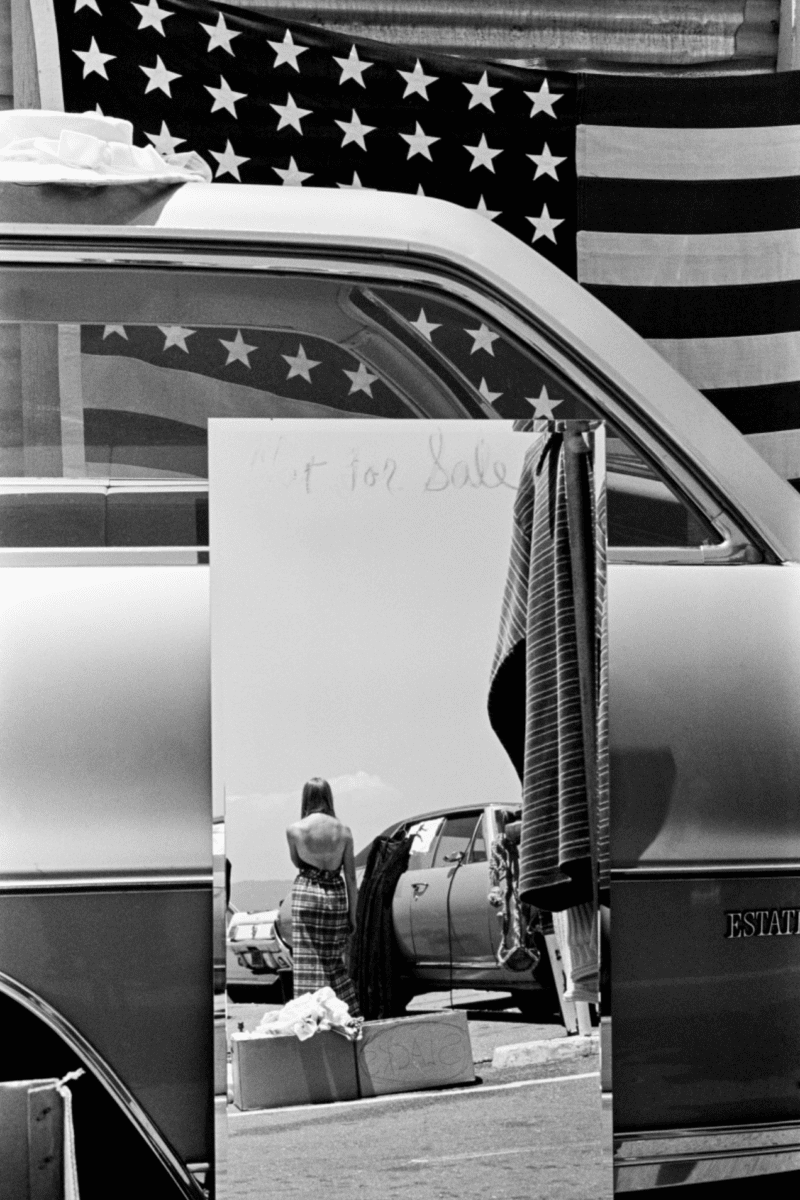
The High Museum of Art provides a fitting context for Plumb’s first solo museum exhibition, with a photography department that has long been a hub for historically aware collections. Beginning acquisitions in the early 1970s, the High now has over 8,500 prints spanning from the 1840s to the present-day, with strengths in modernist, documentary and contemporary photography. Its holdings include seminal civil-rights-era works alongside prints by Harry Callahan, Dawoud Bey, Walker Evans, Ilse Bing and William Christenberry, reflecting a commitment to both aesthetic and cultural significance. Over the past decade, exhibitions at the High have showcased photographers who interrogate identity, memory and social transformation, demonstrating the institution’s ability to balance historical survey with contemporary relevance. In this framework, Plumb’s work resonates as part of a continuing dialogue about the ways human lives are shaped by environment and culture. The museum provides a stage where her nuanced vision can be fully appreciated, highlighting its connection to photographic discourse.
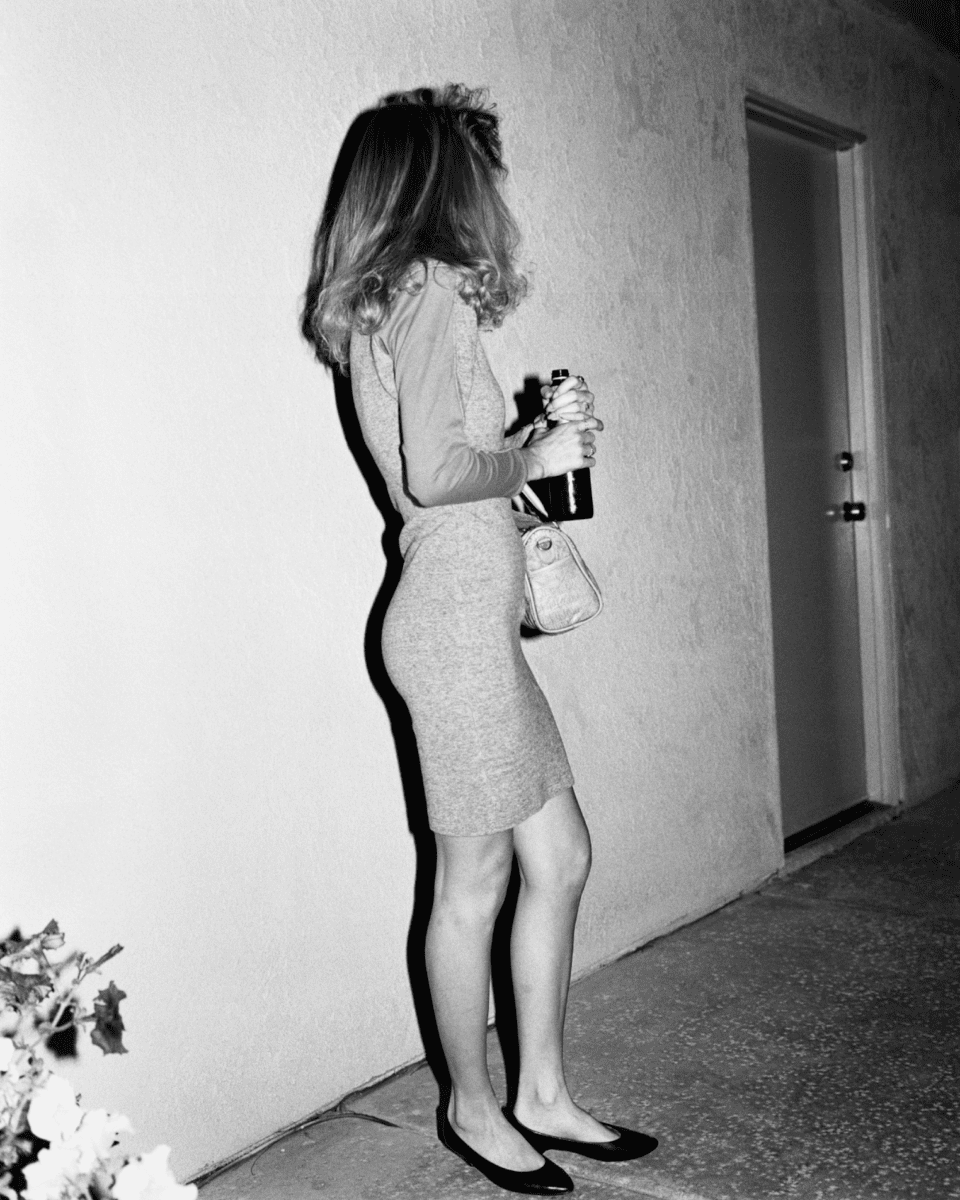
Blazing Light: Photographs by Mimi Plumb brings together more than 100 photographs, including 26 recent acquisitions. Rand Suffolk, the High’s Director, says: “Plumb’s photos capture a place in time – often, one fraught with personal, cultural and environmental upheaval. At a time when many see and feel similar changes occurring around them, her work resonates strongly.” The exhibition traces her progression from the suburban adolescence of the 1970s through the environmental and cultural concerns of later decades to the present. By organising a national tour to Ithaca, West Palm Beach and Chicago, the High ensures that Plumb’s work reaches diverse audiences, facilitating reflection on how landscapes, social structures and human resilience intersect. Each photograph becomes a site for meditation on history, environment and human presence, engaging viewers in both the specificity of time and the universality of experience.
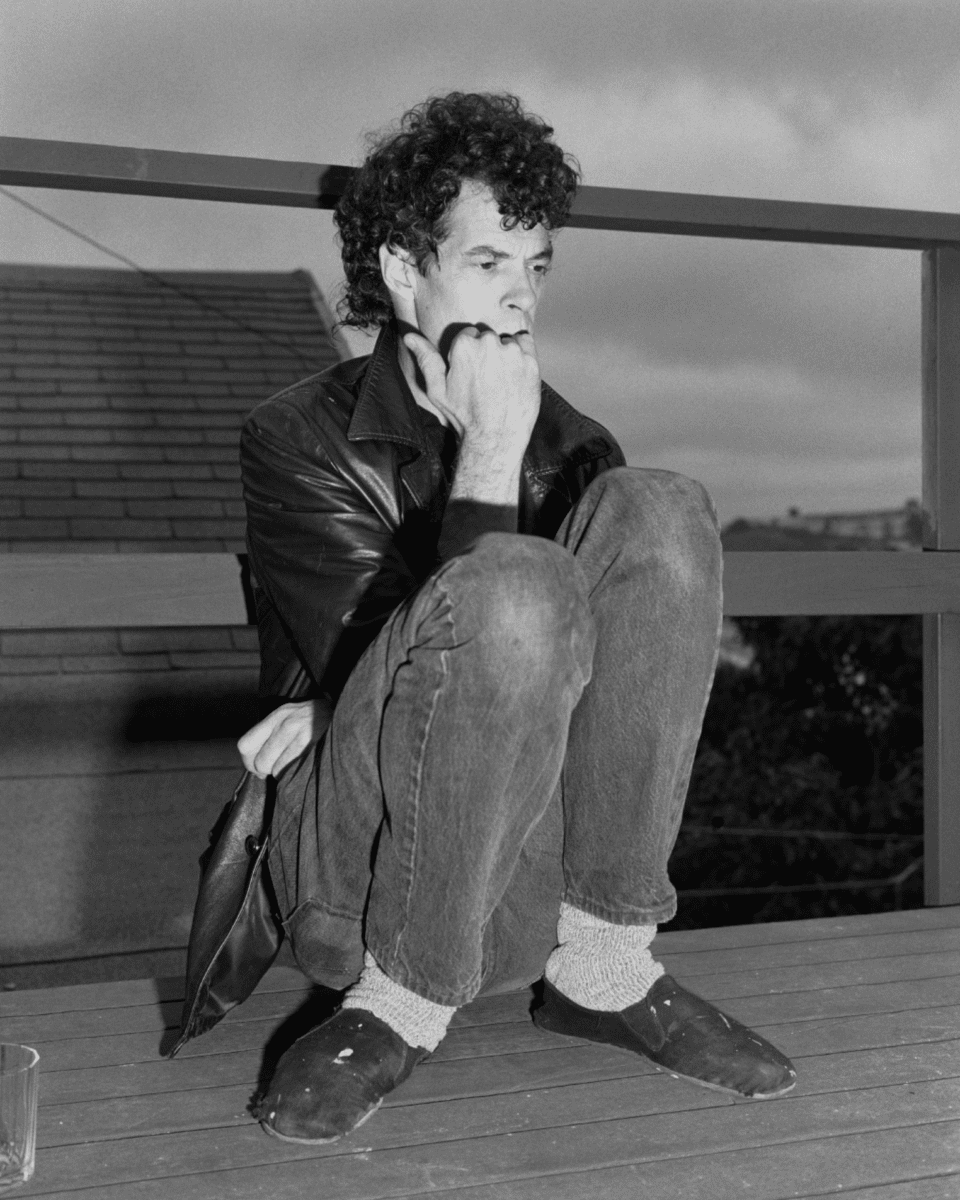
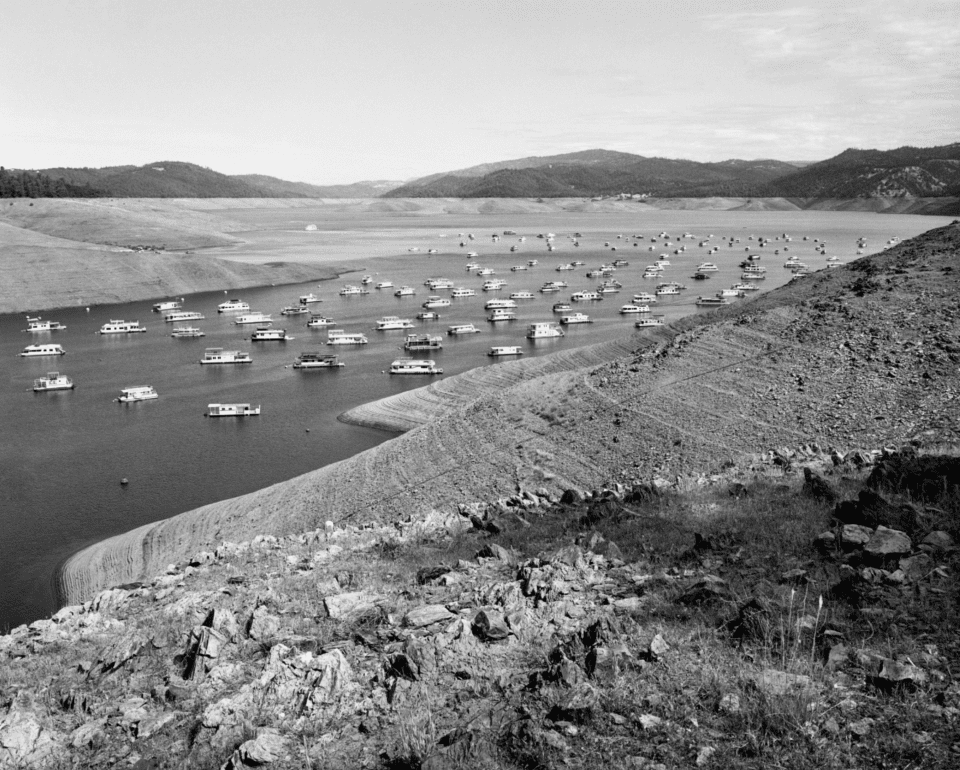
Plumb’s influence is apparent through a generation of female American photographers whose work intersects with her thematic concerns. Sally Mann’s intimate explorations of family and childhood resonate with Plumb’s psychological sensitivity to domestic and suburban spaces. LaToya Ruby Frazier addresses the effects of industrial decline, environmental degradation and systemic inequality, examining communities and landscapes in ways that mirror Plumb’s engagement with socio-environmental conditions. Catherine Opie’s urban and coastal portraits investigate identity and social belonging, continuing Plumb’s dialogue between the individual and the spaces they inhabit. These artists extend Plumb’s frameworks, blending personal observation, social commentary and documentary fidelity, showing how her nuanced approach continues to shape contemporary photographic practice. Blazing Light is a lens through which to consider ongoing questions about landscape, society and human presence.
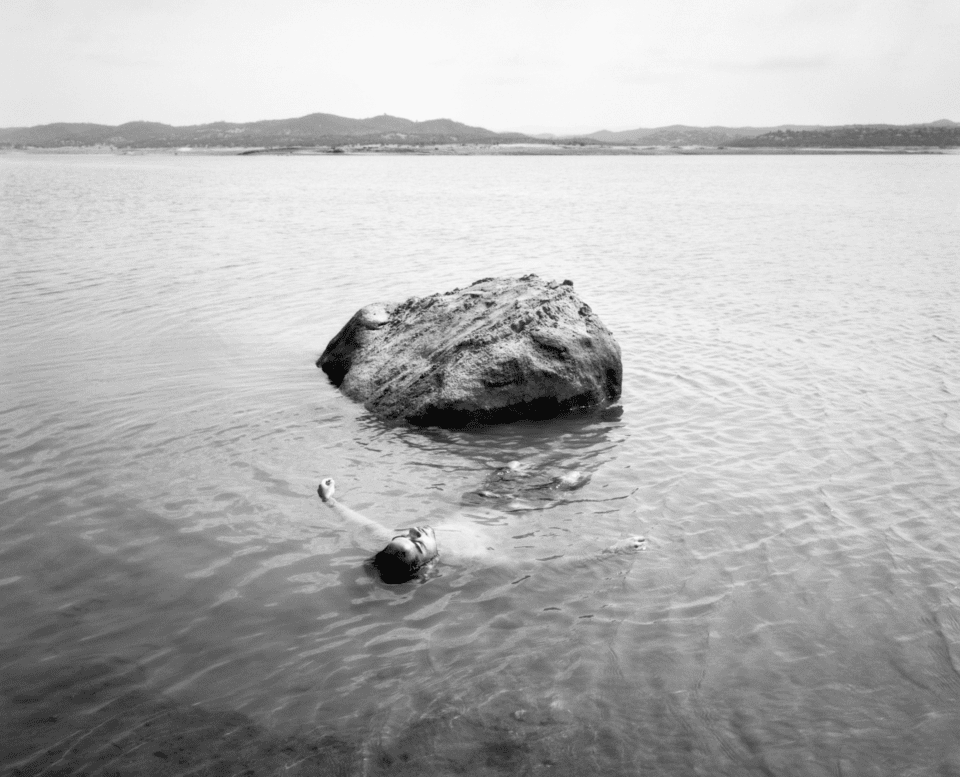
The exhibition foregrounds the threads that have defined Plumb’s work, from early suburban investigations to her most recent reflections on climate and community. In The Reservoir, parched lake beds and figures seeking refuge from the sun convey both environmental precarity and human endurance. Gregory Harris, the High’s curator of photography, notes that “Mimi Plumb is a singular artist who has endeavoured to give shape to the layered and disorienting experience of contemporary life through her evocatively charged photographs.” Across decades, her work intertwines observations of light, architecture and social life with broader commentary on environmental and political change. Plumb’s photographs resist purely documentary reading, offering instead nuanced reflections on time and place.
Blazing Light confirms Mimi Plumb’s significance as a photographer whose vision illuminates the intersections of landscape, society and human psychology. Through its national tour, the High Museum extends her reach, allowing audiences to engage with work that is formally rigorous, socially aware and deeply empathetic. In Plumb’s images, suburban streets, abandoned lots and parched landscapes become spaces of contemplation, memory and revelation. Her lens continues to offer insight into the American West and beyond, leaving a legacy that is intimate, intellectually engaged and profoundly visual.
Blazing Light: Photographs by Mimi Plumb is at High Museum of Art, Atlanta from 10 May: high.org
Words: Simon Cartwright
Image Credits:
1. Mimi Plumb (American, born 1953), Treasure Island, 2020, gelatin silver print, promised gift of Lucas Foglia. © Mimi Plumb.
2. Mimi Plumb (American, born 1953), White Fence, 1988, gelatin silver print, courtesy of the artist. © Mimi Plumb.
3. Mimi Plumb (American, born 1953), Girl in the Mirror, 1972, pigmented inkjet print, courtesy of the artist. © Mimi Plumb.
4. Mimi Plumb (American, born 1953), Kim, 1987, gelatin silver print, courtesy of the artist. © Mimi Plumb.
5. Mimi Plumb (American, born 1953), Adrift, 2021-2025, pigmented inkjet print, courtesy of the artist. © Mimi Plumb
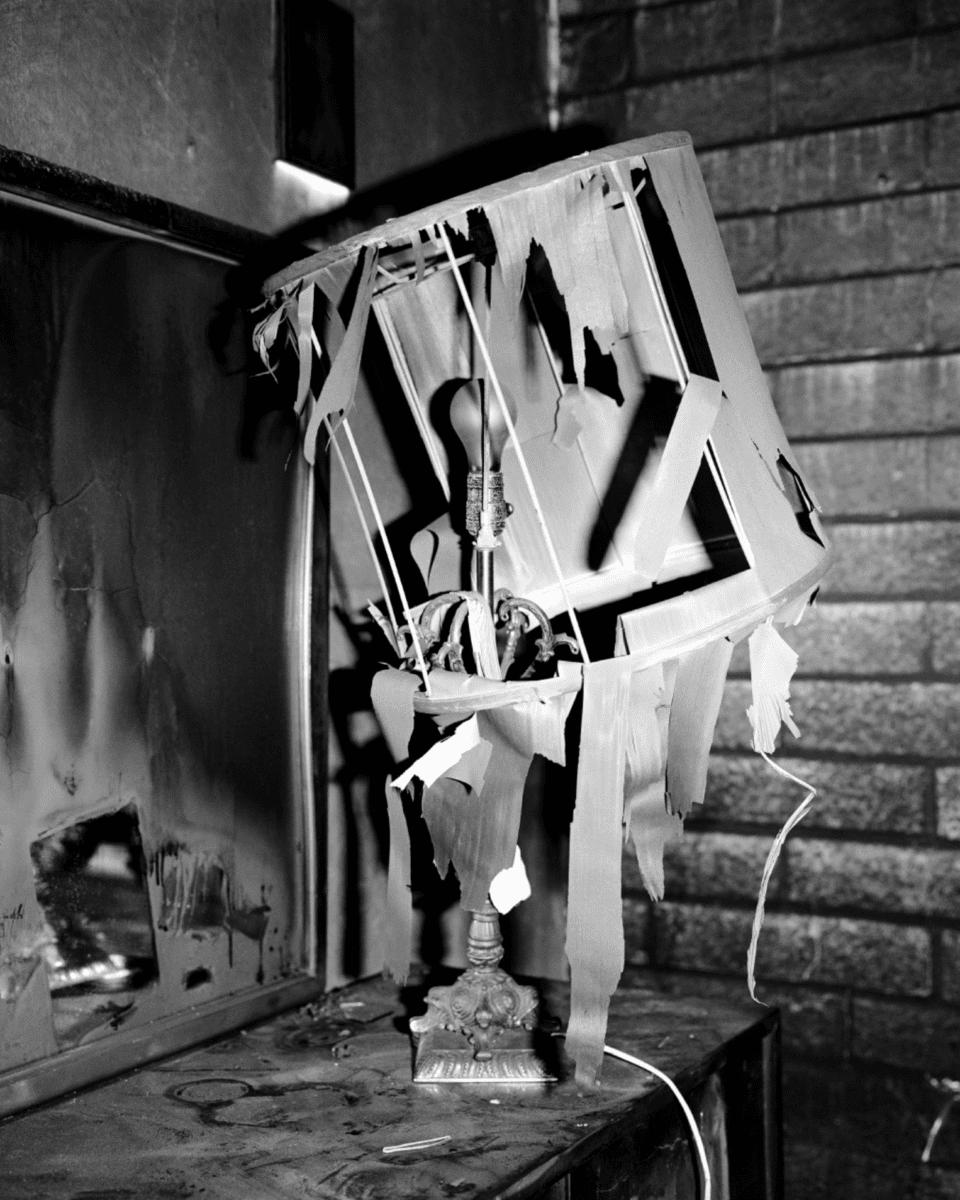
6. Mimi Plumb (American, born 1953), Lamp, Brewster Street Fire, 1985, gelatin silver print, courtesy of the artist. © Mimi Plumb.
7. Mimi Plumb (American, born 1953), Richard, 1986, gelatin silver print, courtesy of the artist. © Mimi Plumb.
8. Mimi Plumb (American, born 1953), Afloat, 2021-2025, pigmented inkjet print, courtesy of the artist. © Mimi Plumb.