Leather grown from fungi. Light reactive bio-plastics. Fibreboard made from hemp. These are just some of the innovations to be found in Plant Life: The Nature of Design, a new exhibition from the National Gallery of Victoria in Melbourne. Right now, 400 million tonnes of plastic are being produced every year – a number forecast to triple by 2060. This is having a devastating impact on marine life, including mammals and birds, and it is estimated there could be more plastic than fish in the sea by mid-century. It’s from this state-of-play that Plant Life emerges, offering a glimmer of hope in the form of renewable material alternatives.
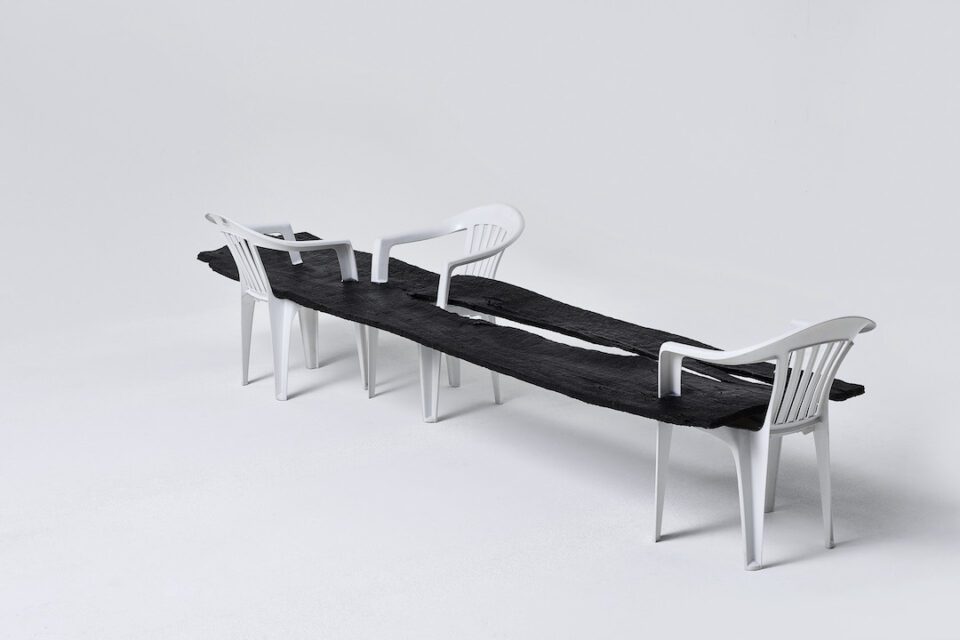
The show gathers 60 designers working at the frontier of the synthetic-to-plant-based transition, across the categories most reliant on plastics: seating, lighting, furnishings, even buildings. Examples include Norman of Copenhagen’s MAT Chair, which introduces hemp and seaweed as substitutes to traditional plastic shells. It is placed in conversation with Damien Wright’s sculptural 5:45pm 18/02/2020 bench seat (2020). Here, slab of ancient redgum – shiny black timber, thousands of years old – is propped up by three ubiquitous polypropylene seats. The contrast between the vast breadth of geological time and the rapid churn of disposable consumer culture is enough to make you double take. It’s a striking message.
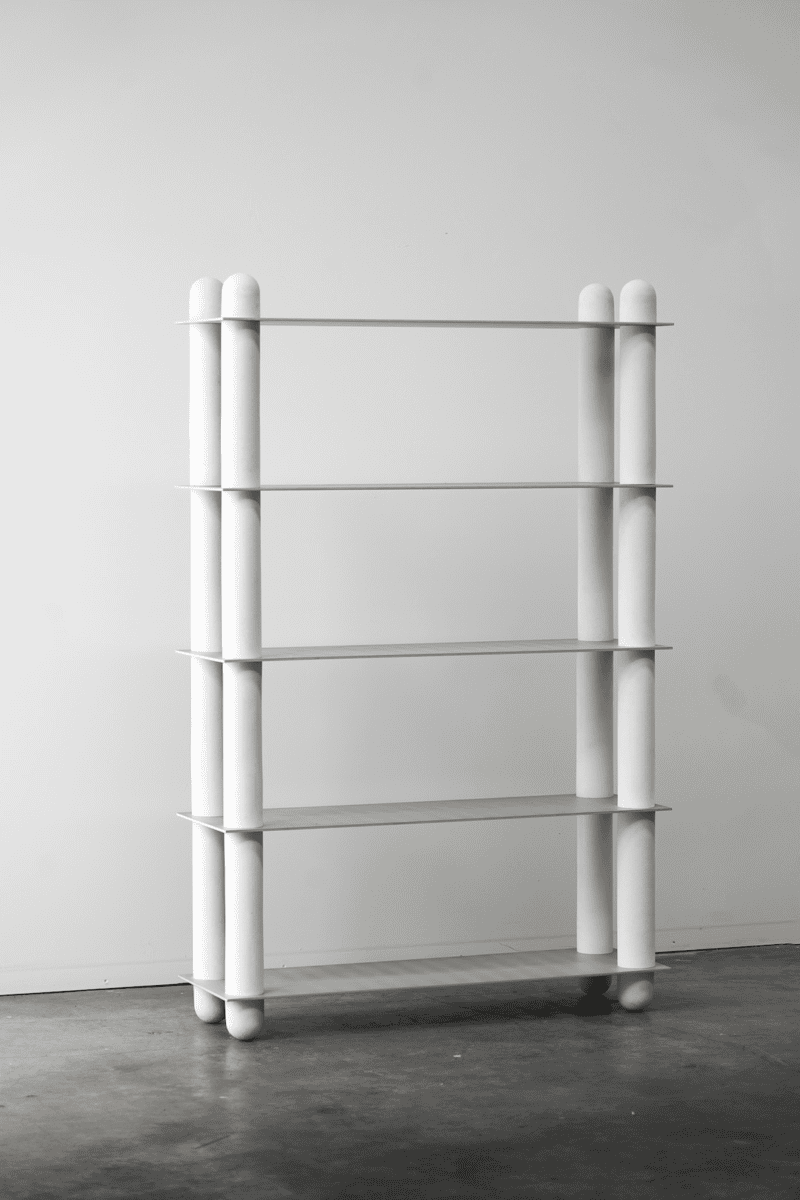
Elsewhere, Aifunghi’s suite of mycelium furniture – compostable and produced without petrochemical input – has been cultivated from fungal networks found in the core of hemp stalks. Joris Laarman’s Ply Loop Chair replaces the urea-formaldehyde resins that have bound plywood for a century, demonstrating that “the way we’ve always done things” can be rewritten without ecological harm. Some materials do more than replace conventional alternatives; they actively respond to environmental conditions. Sensbiom 2.1 by Crafting Plastics is a web-like material that stains pink when exposed to ultra-violet radiation, raising awareness of threats that harm three million people’s eyes and skin annually. Pair this with the Mycelium Wildfire Jacket, protective clothing commissioned by RMIT University (and brought to life by industrial designer Judith Glover, material scientist Tien Huynh, microbiologist Mohamad Arekha Bentangan and bio-designer Alexi Freeman), and it becomes clear that the breadth of applications is remarkable.
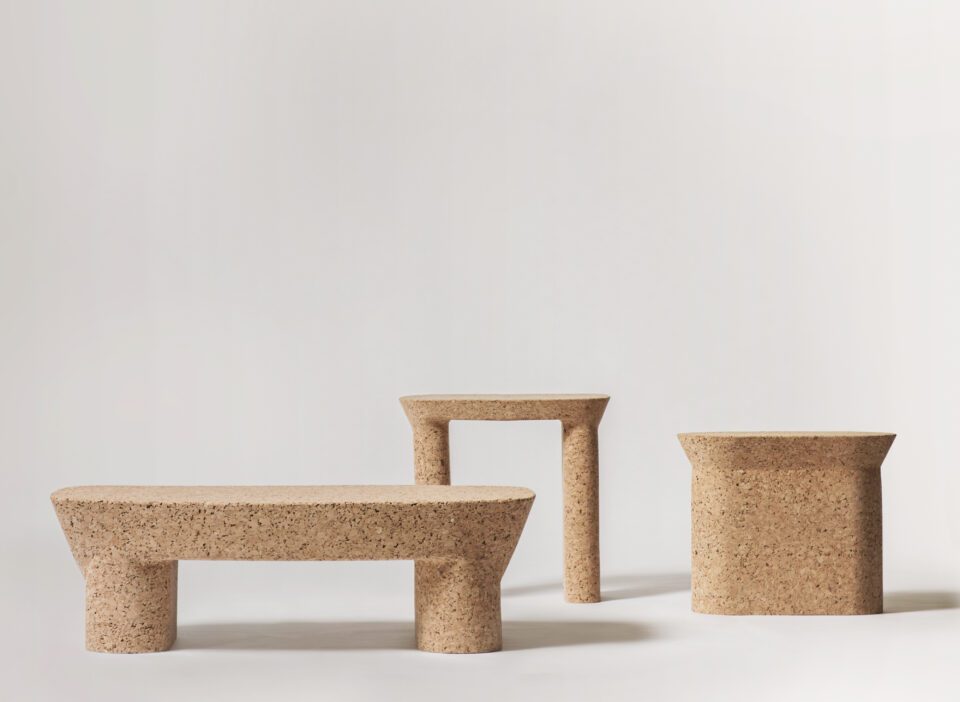
Crucially, Plant Life is keen to acknowledge the longstanding relationship between First Nation practitioners and the environment. It celebrates the ancestral craft knowledge held by Indigenous makers from Australia and beyond, including works made from bull kelp, grass weavings, tree bark, bamboo, Amazonian yaré vine and leather from the Amazon’s shiringa tree. As Tony Ellwood AM, Director at NGV notes, these are people who “have been creating with natural materials for millennia.” Many of the approaches needed today can be found within their materials, methods and modes of stewardship. This message is demonstrated by Emma Håkansson’s documentary film SHIRINGA: Fashion Regenerating Amazonia, which follows communities in the Brazilian state of Acre who tap shiringa trees using traditional methods (without cutting the tree down), in order to produce and distribute plant-based leather.
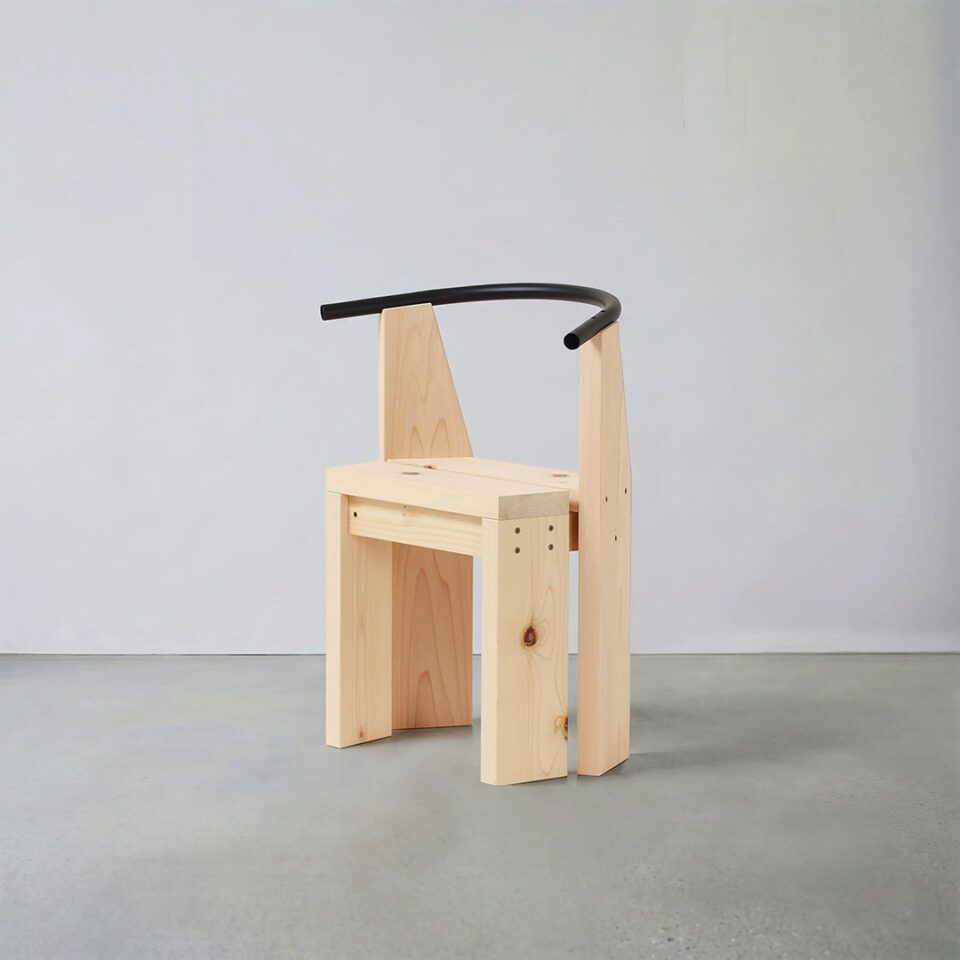
What’s more, the display’s own structures, plinths and surfaces will be fabricated from Plantbord, a new Australian-made hemp product developed by Joost Bakker and ForestOne, and bound with the world’s first 100% bio-based thermosetting resin. It’s heartening to see the museum align its practices with the values of the show; a decision that makes the ultimate goal – a future where alternative materials become the norm – feel possible. Ellwood AM agrees: “Moving away from abstract ideas and far-off possibilities, this exhibition powerfully reframes conversations around sustainability by offering real, tangible – and above all beautiful – examples of design created using plant-based polymers, leather, mycelium and more.”
Plant Life: The Nature of Design runs 28 August – 7 February.
The Ian Potter Centre: NGV Australia, Fed Square | ngv.vic.gov.au
Words: Eleanor Sutherland
Image Credits:
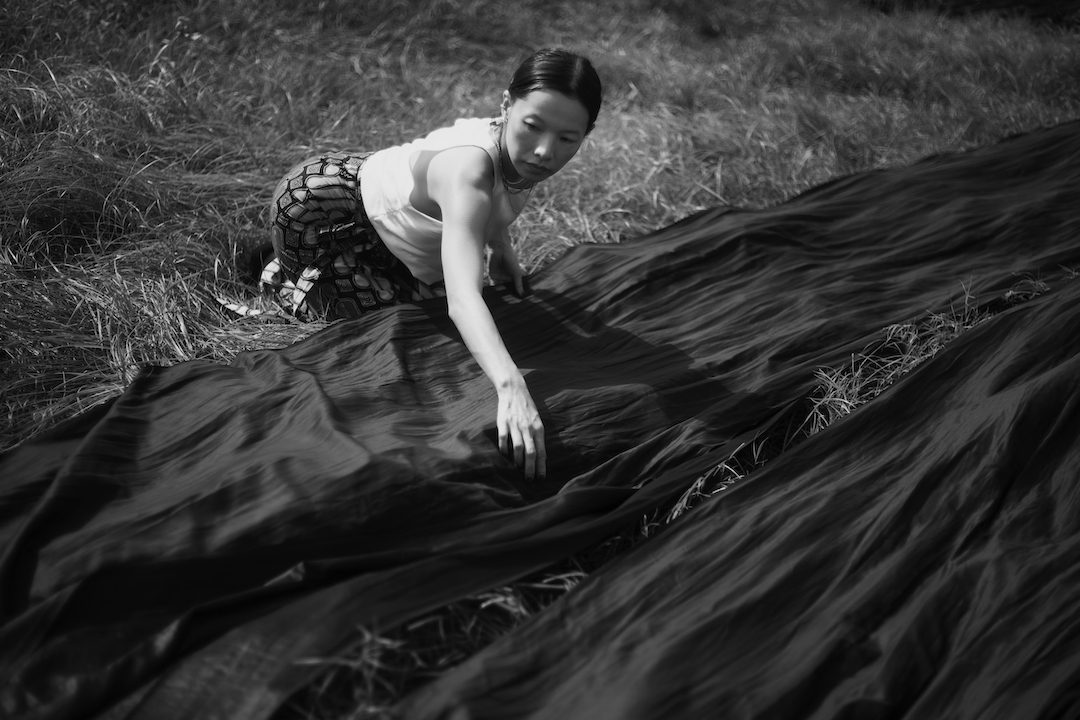
1. Black by Nature Lãnh Mỹ A Silk. Photo courtesy Donna Cleveland
2. Damien Wright 5:45pm 18/02/2020 bench seat (2020) polypropylene, red gum (E.camaldulensis), copper 80.0 x 90.0 x 356.0 cm National Gallery of Victoria, Melbourne Purchased, Victorian Foundation for Living Australian Artists, 2021 © Damien Wright. Photo: Kristoffer Paulsen
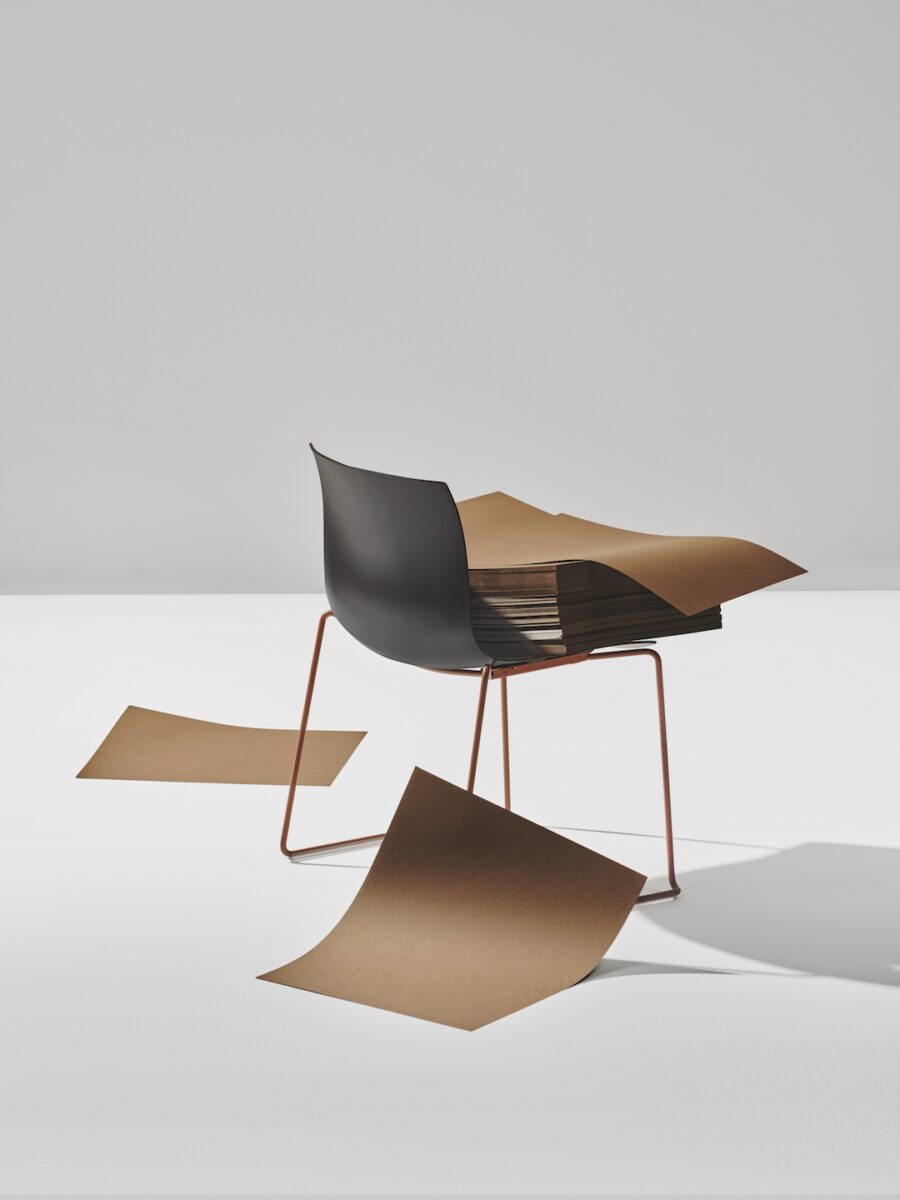
3. Arper, Catifa Carta. Photo: Salva Lopez.
4. Zeoform, Polar Shelf. Photo Jesse Bird. Image courtesy Zeoform
5. Pretziada, Accanta Companion Table Collection, designed by Maddalena Casadei, made by Falegnameria Pisu. Photo Studio Bulbo
6. Ishinomaki Laboratory Hiroi Chair. Photo courtesy Ishinomaki Laboratory