

London Design Festival celebrates its 24th edition this September. The event is a defining moment for UK design, and a cornerstone of the global cultural calendar. Across the city, venues will host both emerging and established talent, fostering collaboration and innovation across the international community. The jam-packed programme showcases Landmark Installations, Special Projects, the Global Design Forum, the London Design Medals and Fairs across 11 Design Districts, spanning iconic venues like the Barbican, Somerset House and the V&A.This year’s edition places an emphasis on dialogue – between East and West, past and future, human and non-human, physical and digital. This conversation foregrounds sustainability, circularity and reflection; positioning London as a platform for critical global conversations.
The Pangolin Shield is one of this year’s Landmark Project, brought to London by Studio Saar and Atelier One. The pavilion encourages visitors to reflect and examine the relationship between context, innovation and craft. Located on the Strand, the piece is inspired by the pangolin, the world’s most trafficked mammal and whose scales cover their bodies from head to tail. The work explores colonial legacies, power, ecological exploitation and the movement of people and beings across borders. It consists of a bamboo grid shell, covered with traditional Indian police shields made from lathis and women rain shields, or “knups”, traditionally used by farmers in north-eastern India. Layered atop the structure like scales, the various shields are reassembled as a protective canopy, playing with light and shade, whilst providing collective shelter. By removing the police shields from their context of confrontation and state authority, the installation disarms emblems of aggression to encourage rest and dialogue, empathy and community. Meanwhile, 2026’s other Landmark Project is immersive light sculpture, The Point of Unity, which brings contemporary light and media art into dialogue with the St Paul’s Cathedral’s longstanding role as a place of worship, gathering and reflection.
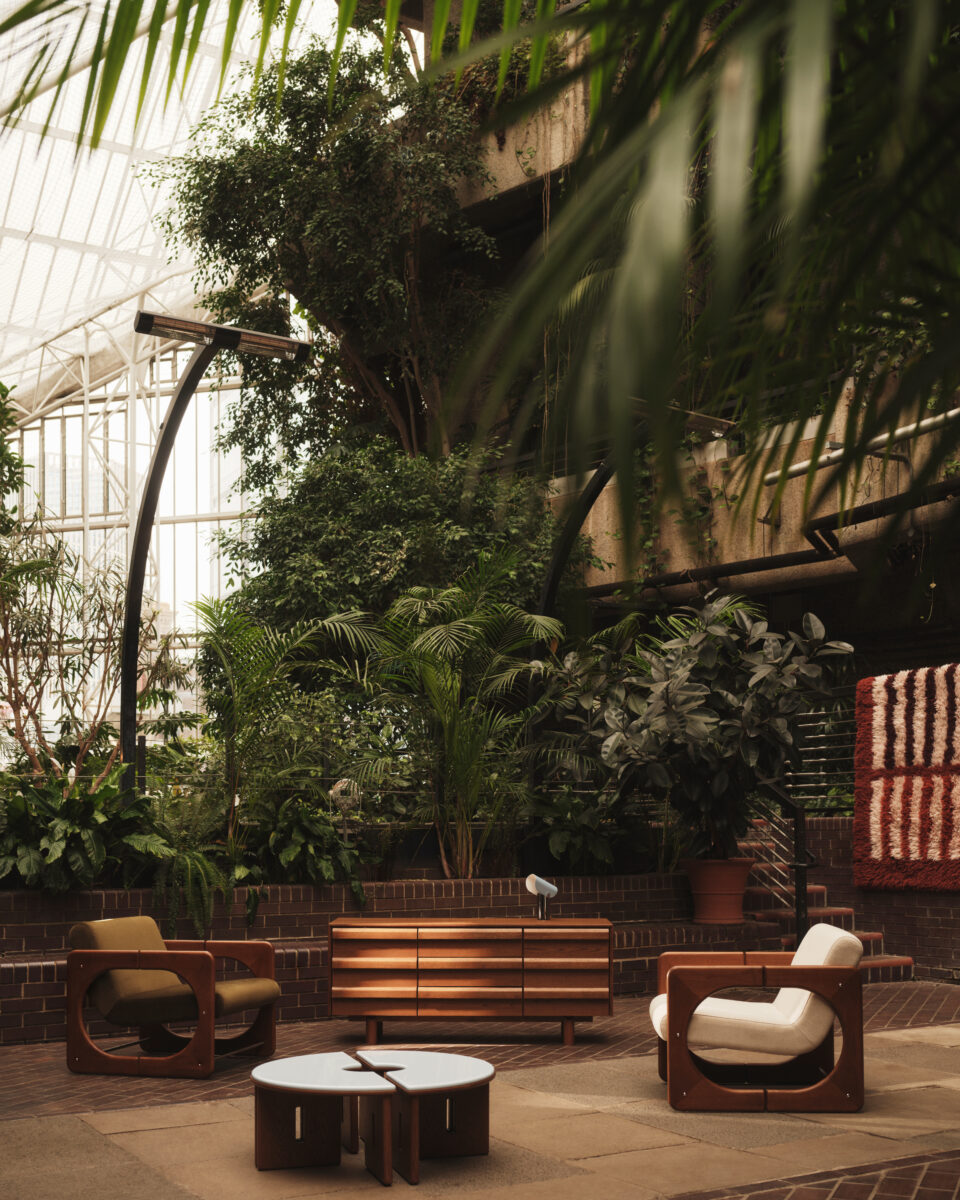
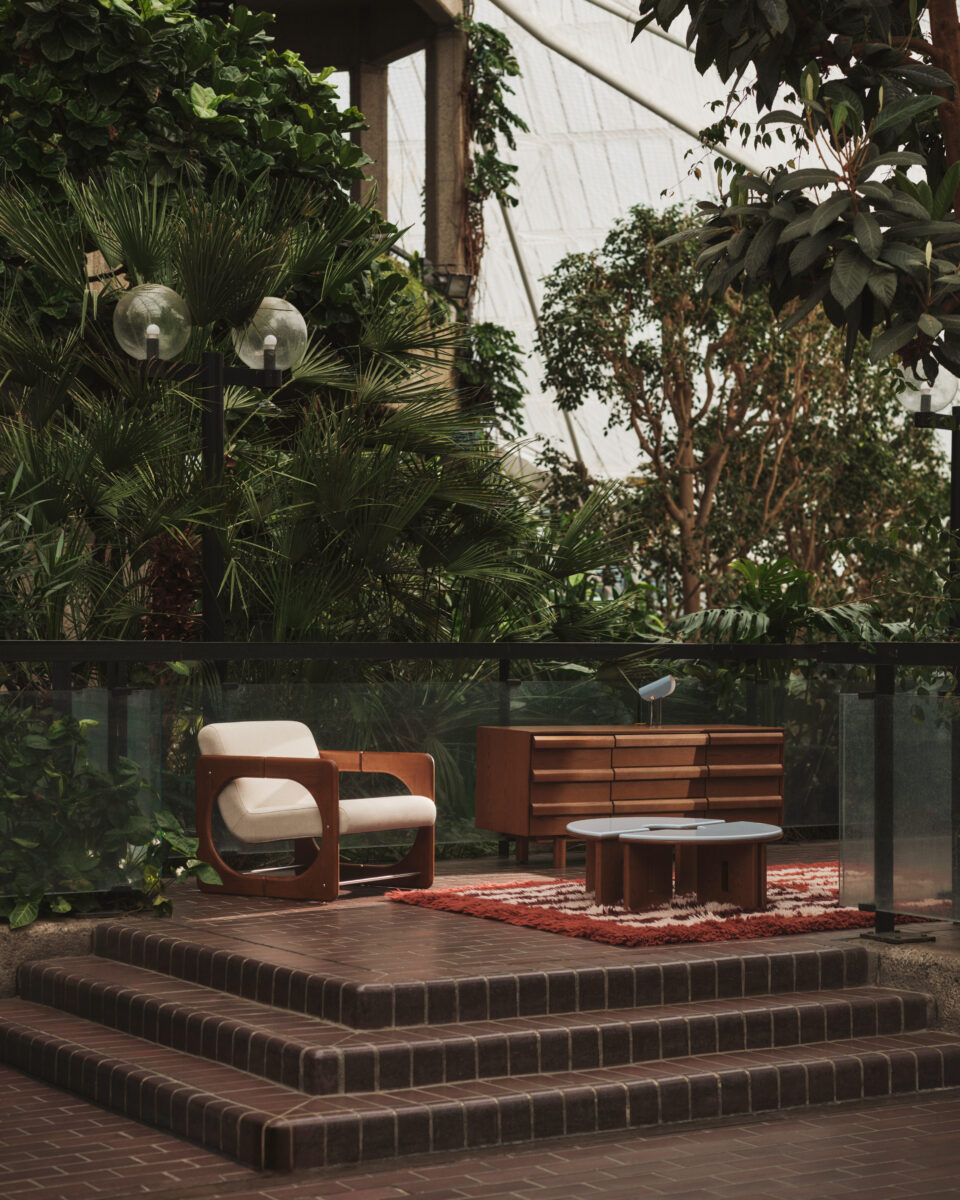
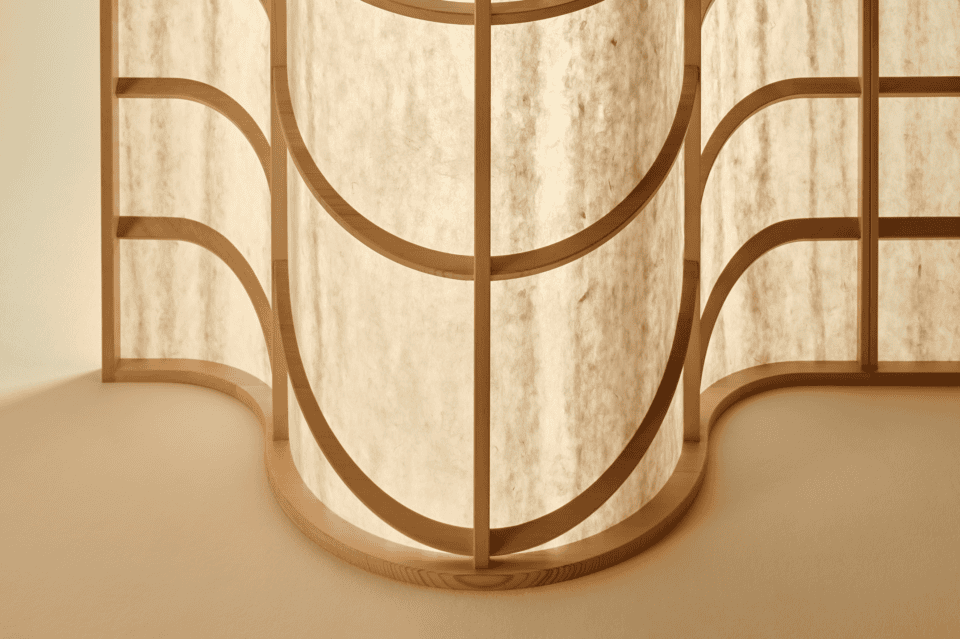
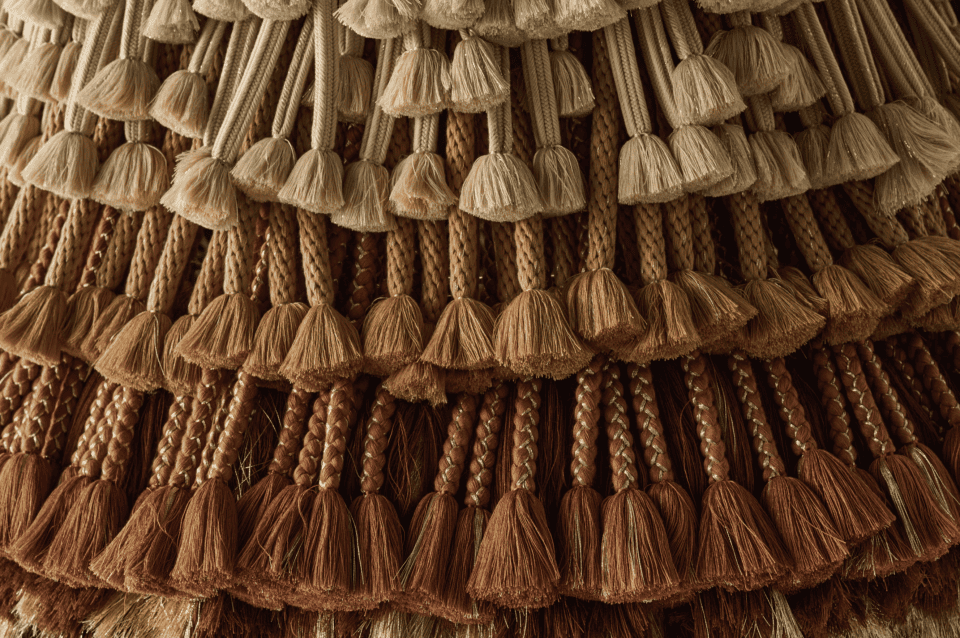
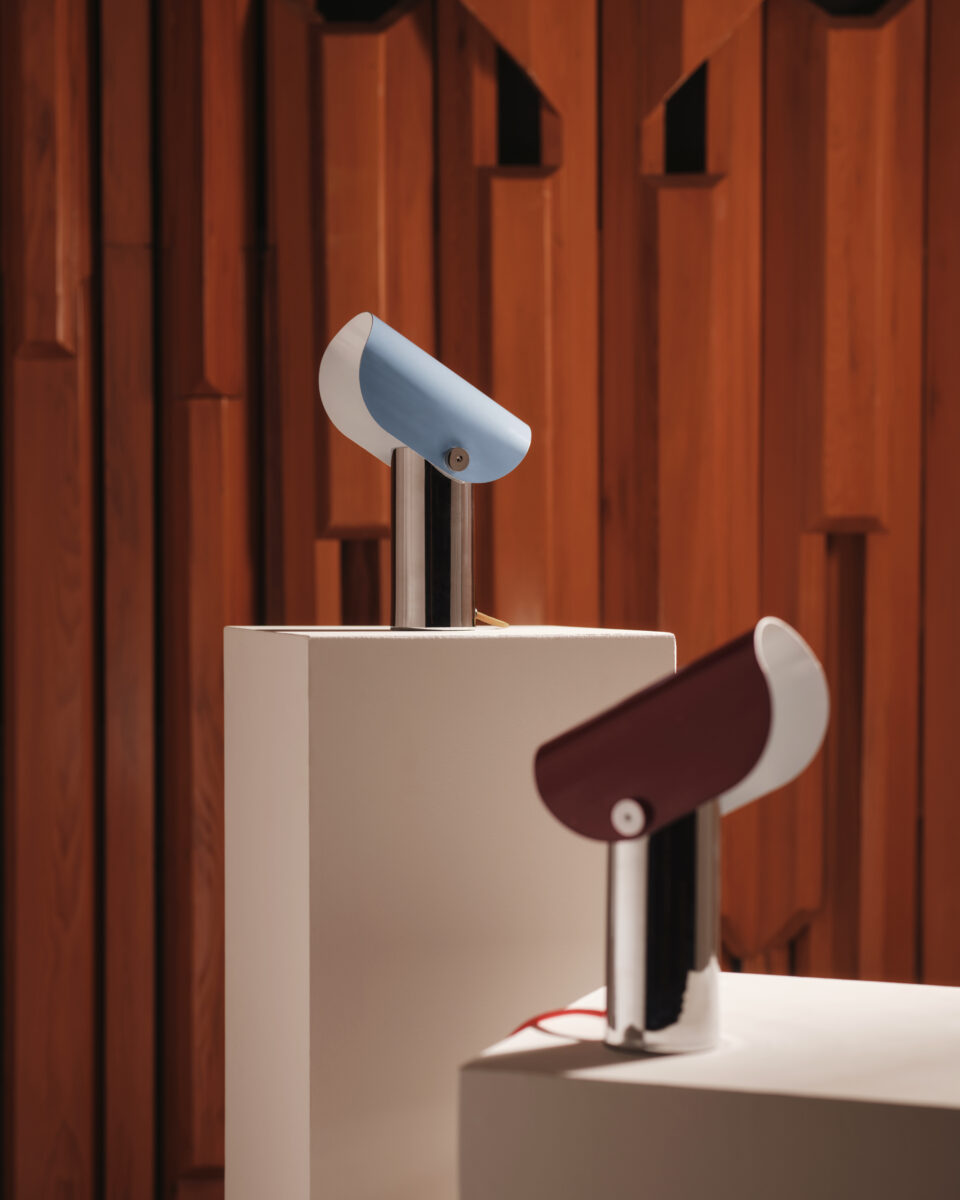
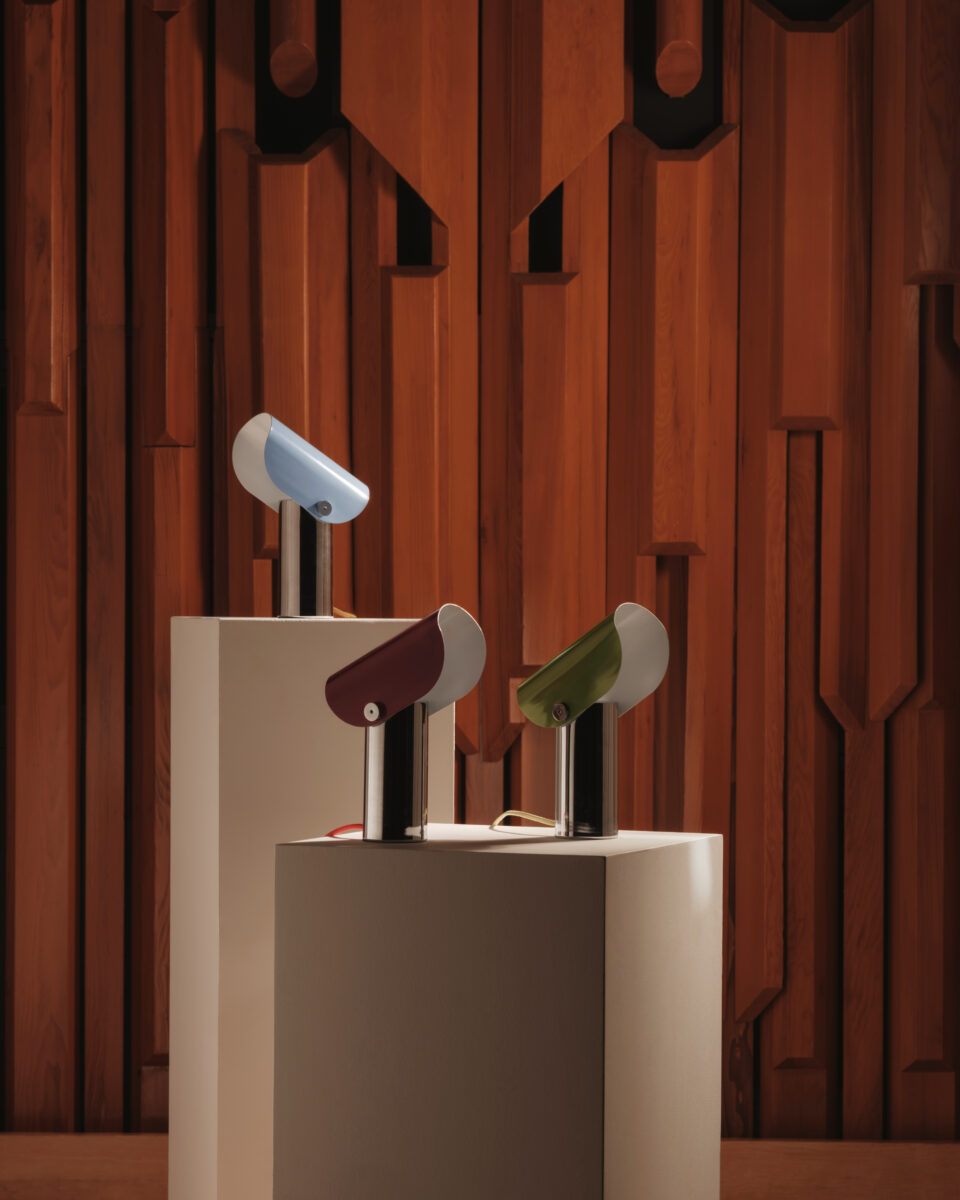
Meanwhile, the Special Projects are wide-ranging and ambitious in their scale. MADE unveils a collaboration with the Barbican, launching an interiors collection that brings one of Britain’s most iconic architectural estates into the heart of the contemporary home. Rooted in design history, yet focused on modern living, the MADE x Barbican collection reinterprets the interiors and features of the Barbican Estate for today’s lifestyles. Elsewhere, Craft x Tech returns to London Design Festival for its second edition. The project, founded by designer and engineer Dr Hideki Yoshimoto, pairs international artists with local Japanese craftspeople from the Tokai region to produce new works. It explores how Japanese craft, specialising in lacquer, metal, woodworking, ceramics, washi paper and textiles, can be reimagined through a thoughtful dialogue between traditional techniques and contemporary practices.
This year’s Global Design Forum hosts some incredible talks this year, allowing audiences exclusive access to major practitioners in the industry. The opening day’s keynote speaker is Es Devlin, whose work moves across art, architecture, performance and design to create some of the most ambitious and transformative environments of our time. Here, she’s in conversation with Ben Evans, Co-Founder and Director of London Design Festival, with a session that reflects on a practice shaped by collaboration and experimentation. Elsewhere across the programme, Anab Jain chats with Debika Ray, asking how speculation can become a design methodology for imagining and shaping alternative futures. Through design-led foresight, emerging technologies and more-than-human thinking, the conversation examines how speculative practice can help us navigate uncertainty, challenge assumptions and propose positive changes. Meanwhile, Yang Lan, pioneering journalist and media entrepreneur, is in conversation with Natalie Melton, Executive Director of the Crafts Council, to explore how traditional craftsmanship continues to inform contemporary design.
The Festival’s longstanding partner, the V&A, continues to play a central role with a curated programme of global installations. This year’s edition is co-curated by Carrie Chan and Kristian Volsing, and celebrates Awakenings – a vibrant exploration of how craft and technology can inspire new perspectives, spark curiosity and bring to light invisible yet interconnected forces. The lineup includes Andre Williams, Henry Svendsen, Nina Davies and Sam Ghantous, plus new commissions from Aziza Kadyri and Eunjo Lee. Plus, The Design Museum continues its annual PLATFORM series with a free to visit display showcasing works by Simone Brewster, exhibiting objects spanning architecture, furniture and jewellery. Her practice asks why objects exist, what they communicate and who benefits from their conception.
The 2026 edition of London Design Festival is a reminder of why it’s such an integral part of the global calendar. The programme sparks conversations about what it means to create in our contemporary moment, reflecting on colonial legacies, international movement, cross-cultural exchange, and AI-driven and technologically mediated societies. There’s a recontextualisation that happens across the entire event, prompting viewers to reconsider the past from new angles and imagine exciting possible futures.
London Design Festival 2026 runs from 12 – 20 September: londondesignfestival.com
Words: Emma Jacob
Image Credits:
1. MADE x Barbican.
2. Grid Unwoven, Mino Washi x Lanzavecchia + Wai.
3. MADE x Barbican.
4. MADE x Barbican.
5. Yamollo, Iga Kumihimo x Atang Tshikare.
6. MADE x Barbican.
7. MADE x Barbican.


