Beauty is a form of power. It can determine whose image is desired, whose body is made visible and which histories are softened into something easier to consume. Joy Gregory has spent four decades testing that tension, using photography to examine race, gender, memory and belonging while refusing the idea that politically engaged art must announce its position through confrontation. Catching Flies with Honey, presented at Arnolfini as part of Bristol Photo Festival 2026, brings together photographs, films, installations and textile works from across Gregory’s career, revealing a practice in which seduction and critique are deliberately intertwined. What appears at first to be an interest in beauty becomes something more unsettled – an investigation into who defines it, who benefits from it and what it might conceal.
Gregory’s politics are embedded in the act of looking. The exhibition takes its title from a proverb repeated by her mother – “You catch more flies with honey than vinegar” – which offers an apt description of an approach that privileges intimacy, humour and visual pleasure as ways into difficult subjects. Rather than simplifying histories of race and representation, Gregory creates images that encourage the viewer to stay with their contradictions. This strategy places her within a broader history of Black feminist photographic practice while also distinguishing her approach from work that relies on direct confrontation. The political emerges through decisions about framing, material, colour, performance and context.
Bristol Photo Festival provides a particularly fitting context for this examination of how images move between past and present. Its 2026 theme, Time Machine, considers photography’s ability to connect different temporalities, bringing histories, memories and possible futures into relation. Running from 14 October to 15 November, the festival places Gregory’s exhibition within a wider programme concerned with photography as an active force in shaping cultural memory. This is central to her practice, where archival research and personal recollection are continually brought into dialogue with contemporary experience. Rather than treating the past as something finished, Gregory’s photographs suggest that history remains active – embedded in objects, bodies, landscapes and inherited ideas of beauty.
Curatorially, Catching Flies with Honey benefits from resisting a straightforward chronological account. Originally organised by Whitechapel Gallery, the exhibition brings early works into proximity with later photographs, installations, textiles and moving image. Such a structure allows recurring concerns to become visible without suggesting that Gregory has spent forty years making the same work. Instead, familiar questions are repeatedly reformulated through different materials and photographic languages. The result is less a monument to an established career than an opportunity to reconsider how Gregory’s practice sits within the changing institutional recognition of Black British and feminist art.
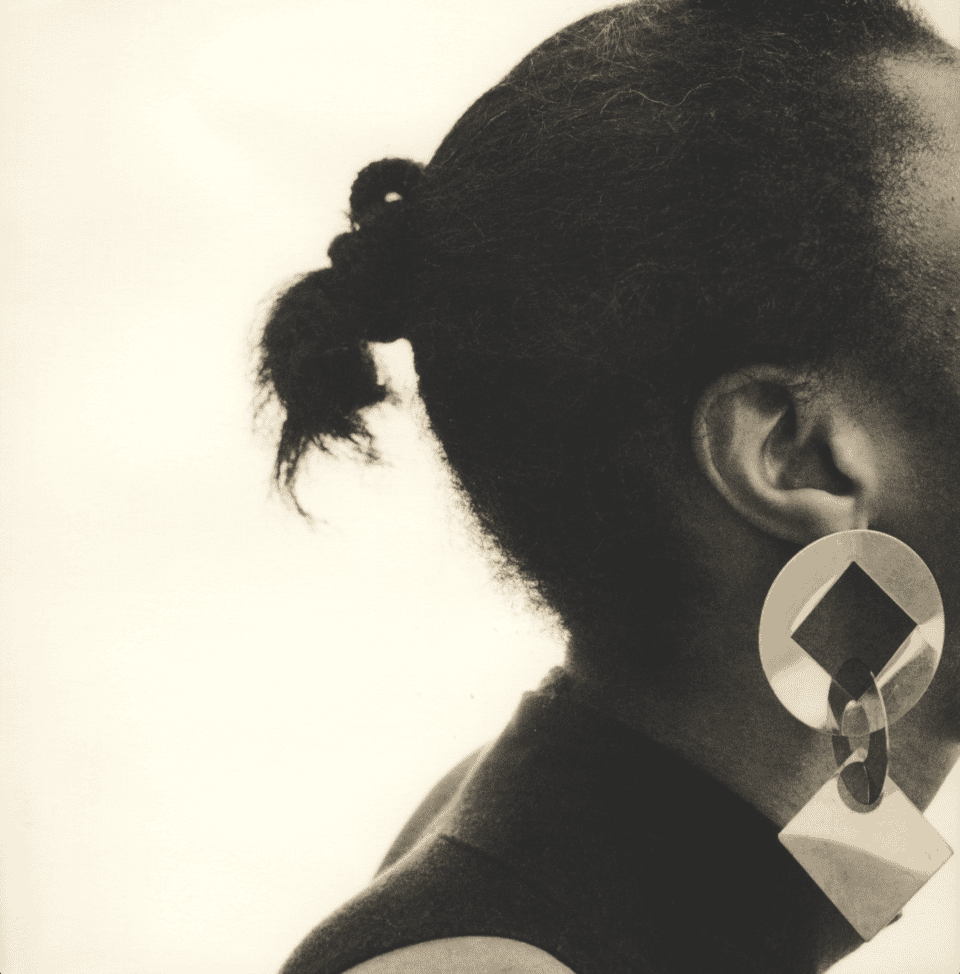
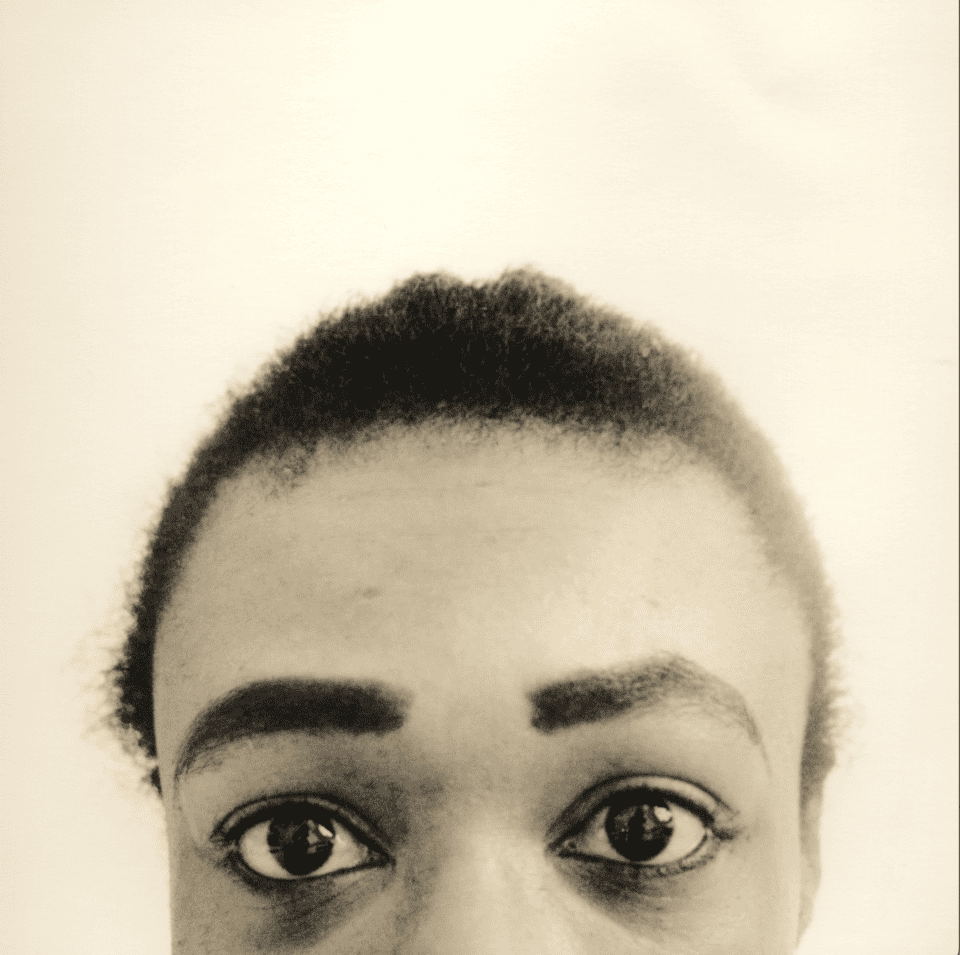
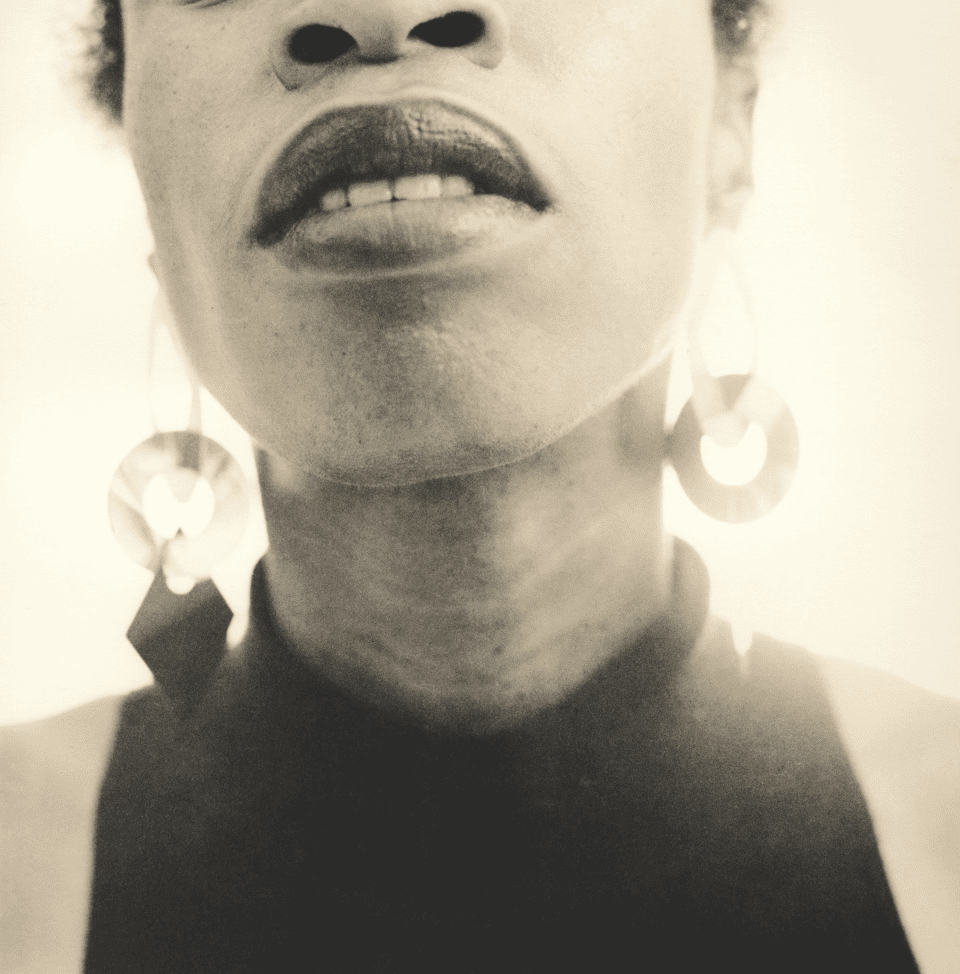
Autoportrait (1990) establishes that argument with an image of the self that is deliberately incomplete. Gregory fragments her face into close studies of eyes, lips, hands and skin, refusing the coherent portrait that might appear to offer an uncomplicated route to identity. The body becomes something constructed through the camera, exposing the cultural assumptions that determine how race and beauty are read. Self-representation becomes an act of disruption, taking control of an image-making system historically dominated by external gazes. Decades later, Zanele Muholi’s Somnyama Ngonyama similarly uses self-portraiture to confront racialised and gendered conventions of representation, although Gregory’s quieter, more oblique strategies demonstrate that resistance need not always announce itself as protest.
The domestic sphere extends this interrogation beyond the face. In Women and Space, Objects of Beauty, The Handbag Project and Girl Thing, ordinary rooms and possessions become evidence of the social systems through which femininity is produced. Gregory’s attention to handbags, interiors and fragments of the body refuses the hierarchy that places supposedly grand subjects above everyday experience. These objects carry associations of class, desire, labour and status, revealing how identity is rehearsed through the things people own and the spaces they inhabit. Liz Johnson Artur’s long-term photographic practice offers a productive contemporary parallel, particularly in its emphasis on relationships, self-fashioning and the everyday lives of Black communities. In both practices, the seemingly incidental becomes a means of questioning who is granted visibility and how photographic archives are built.

Beauty becomes more explicitly unstable in The Blonde, where Gregory approaches racialised ideals through performance and visual play. Rather than simply exposing the dominance of Eurocentric beauty standards, the work inhabits and manipulates them, revealing their constructed nature through exaggeration and humour. The strategy is important because it prevents the image from becoming merely illustrative of an argument already understood. Instead, Gregory makes the viewer experience the seduction of the ideal while simultaneously recognising its absurdity and exclusions. Beauty becomes lure, disguise and evidence at once – a visual language whose authority begins to fracture under attention.
Material experimentation deepens that instability. Gregory moves between Victorian cyanotypes and kallitypes, contemporary photographic processes, textiles, sound, performance and digital media, refusing the idea that photography should be defined by a single technology or aesthetic. Each material carries its own history, so process becomes part of the meaning rather than simply a means of producing an image. Textile work, for instance, invokes forms of making historically associated with domestic labour and women’s work, while older photographic techniques bring the history of image-making directly into the frame. Photography consequently becomes an expanded practice – something that can accommodate the archive, the handmade object, performance and research. The physicality of Gregory’s work insists that histories are not abstract concepts but things that can be carried, touched, preserved and transformed.
That relationship between material and history comes sharply into focus in Memory and Skin, Seeds of Empire and The Sweetest Thing. Gregory’s research into the transatlantic slave trade and the movement of people, plants and ideas opens photography onto the structures of colonialism. Seeds of Empire is particularly revealing because botanical exchange is often framed through the language of discovery, cultivation and beauty, despite its connections to systems of extraction and imperial commerce. Gregory complicates history by drawing attention to the networks behind the image. The work asks what happens when aesthetic pleasure becomes inseparable from knowledge of the violence that produced it.
Landscape provides another way of approaching these questions. Photographs made at Geoffrey Bawa’s Lunuganga Estate in Sri Lanka respond to grief and solitude following the death of Gregory’s father, yet they also resist the idea of landscape as an innocent category. Places are never simply seen; they are shaped by histories of ownership, tourism, colonialism and personal memory. Ingrid Pollard has explored a related tension throughout her practice, particularly in her examination of Black presence within the British landscape and the cultural assumptions attached to ideas of the picturesque. Gregory’s landscapes operate differently, but both artists expose the politics beneath seemingly neutral images of place. What looks like a photograph of a landscape can become a photograph of memory, power and belonging.
The question of home receives an intimate treatment in I’m Home, which considers domesticity through the experiences of Gregory’s Jamaican-born parents. Home emerges here not as a fixed geographical location but as something reconstructed through memory, migration and family history. Such an approach complicates familiar narratives of diaspora, moving beyond displacement towards the emotional negotiations involved in carrying several places and histories at once. The photograph becomes an instrument for making private histories visible without reducing them to autobiography. Gregory’s family story consequently opens onto a larger question – how much of a nation’s history survives not in official archives, but in the memories and objects carried between generations.
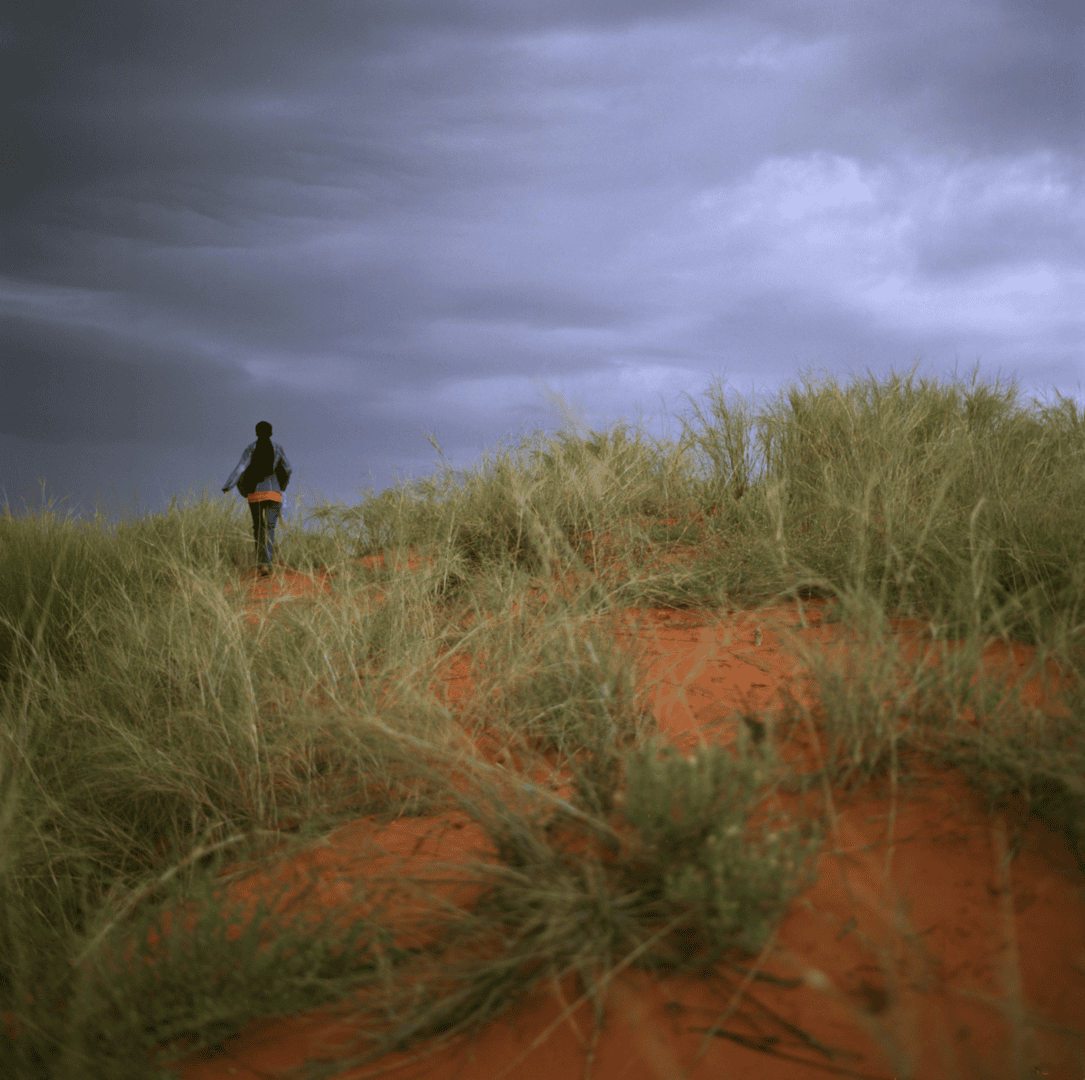
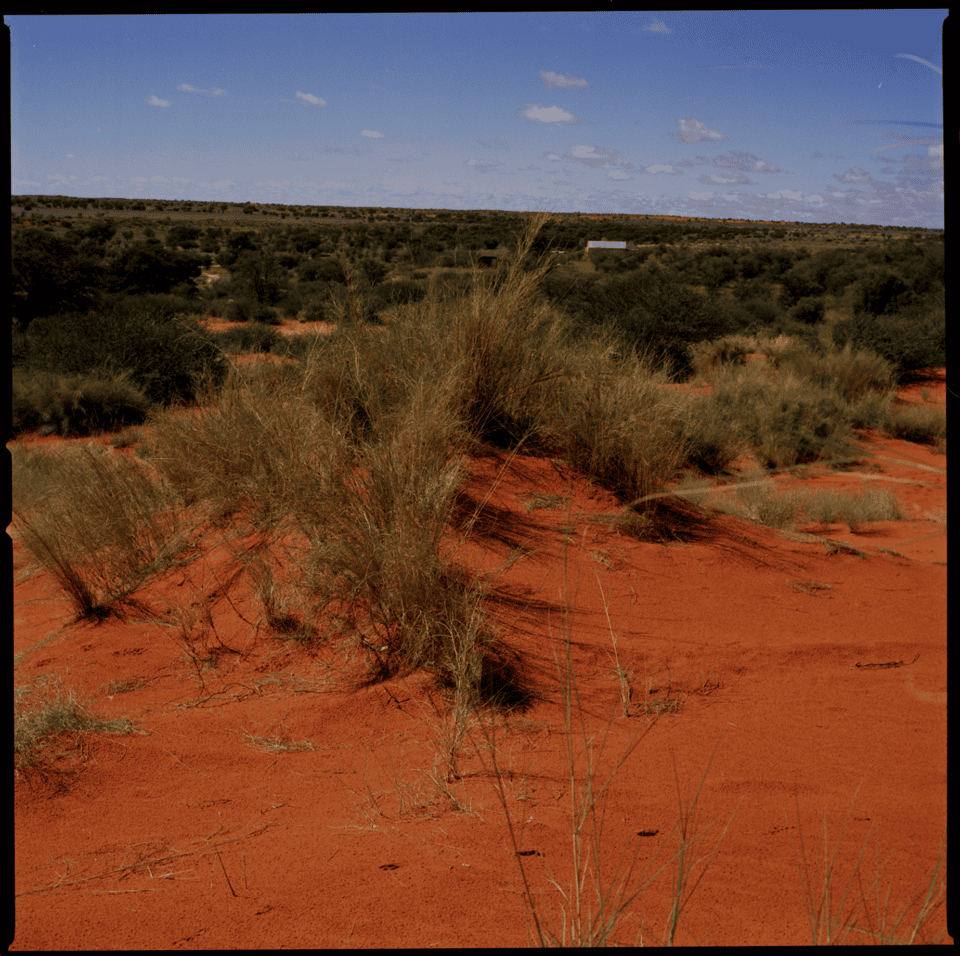
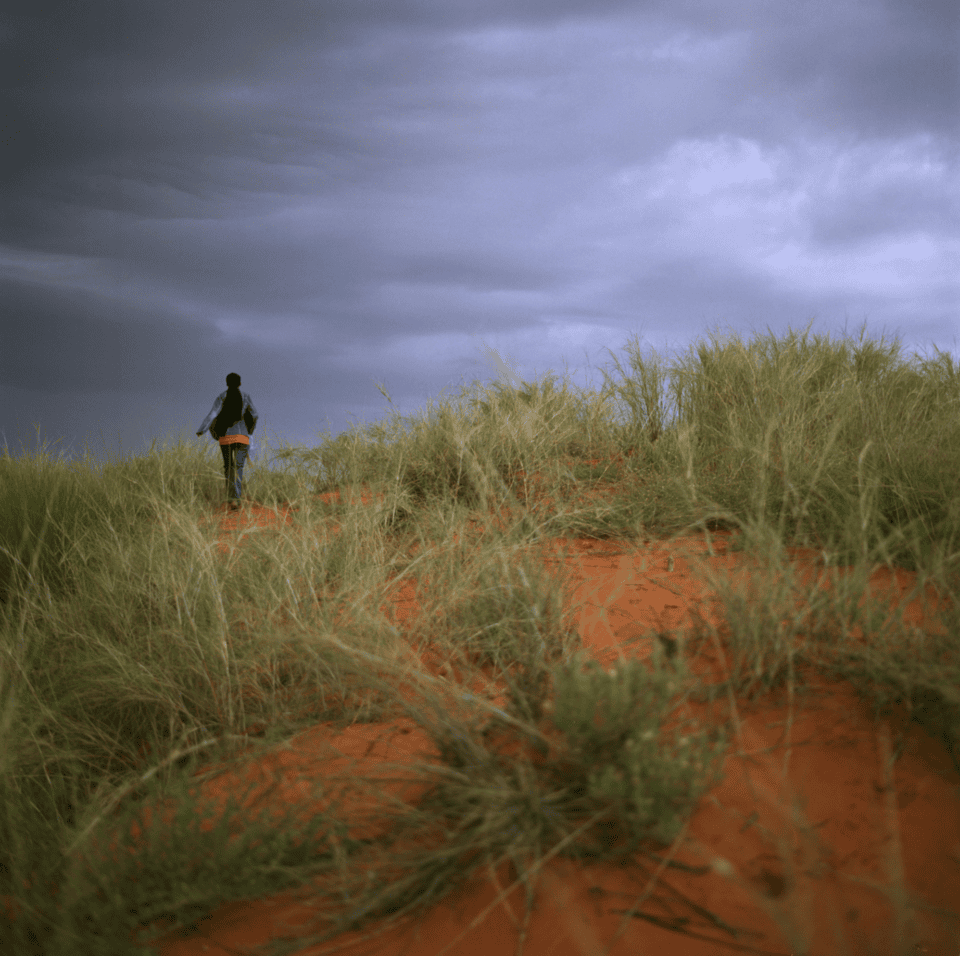
Collaboration is increasingly important in the exhibition’s newly commissioned film, developed with San communities in the Kalahari Desert through a relationship extending over two decades. Its emphasis on language, landscape and cultural resilience shifts Gregory’s practice towards a model of photography grounded in duration rather than instant capture. This sustained relationship is significant within contemporary debates around the ethics of representation, particularly at a time when artists and institutions are questioning the extractive histories of documentary photography. The work suggests that meaningful photographic practice can depend upon time, reciprocity and accumulated trust as much as on the image itself. Here, the camera becomes one element within a much longer process of exchange.
Gregory’s significance lies in her refusal to separate the aesthetic from the political. Her photographs can be beautiful without allowing beauty to remain innocent, personal without becoming purely autobiographical, and historically informed without turning into illustration. Contemporary photographers such as Muholi, Pollard and Artur demonstrate how urgent these questions remain, but Gregory’s four-decade trajectory also reveals how radically the field has changed around them. What Catching Flies with Honey makes clear is that the politics of photography reside not only in what an image represents, but in how it asks us to look. Within Bristol Photo Festival’s Time Machine, Gregory’s work becomes a particularly resonant proposition: the past is not behind us, but something continually reconstructed through the images we choose to preserve, question and see again.
Joy Gregory: Catching Flies with Honey is at Arnolfini, Bristol from 17 October – 7 February.
Words: Anna Müller
Image Credits:
1&7. Joy Gregory, Autoportrait 1989 – 1990. Silver Gelatin Lith Print © 2025 Joy Gregory. All rights reserved, DACS.
2. Joy Gregory, Manuel Pina (Portraits – from ‘Memory and Skin’) 1998. C-Type Print © Joy Gregory.
3. Joy Gregory, Autoportrait 1989 – 1990. Silver Gelatin Lith Print © 2025 Joy Gregory. All rights reserved, DACS.
4. Joy Gregory, Kalahari (Magdalena Runs) 2005 – 2010. C- type print © Joy Gregory.
5. Joy Gregory, Autoportrait 1989 – 1990. Silver Gelatin Lith Print © 2025 Joy Gregory. All rights reserved, DACS.
6. Joy Gregory, Kalahari (Red Earth) 2005 – 2010. C- type print © Joy Gregory.