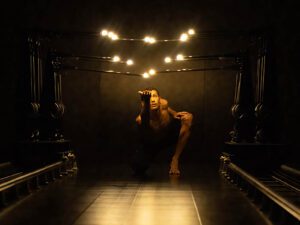
Jing Hsu combines digital technology with traditional sculptural techniques to create works that examine how we understand history and the images that shape it. Using processes such as digital modelling, casting and mechanical movement, he reworks familiar subjects including classical figures, mythological bodies and cavalry into sculptures that feel both ancient and contemporary. Rather than presenting history as fixed, Hsu explores how it is continually reconstructed through technology, materials and cultural interpretation. His works encourage viewers to consider how the past is represented and remembered.
The artist creates works that go beyond traditional sculpture. They often begin through digital construction and then move through processes such as modelling, fabrication, casting and mechanical movement. The aim is to better understand how technology can reshape forms that seem familiar, such as classical bodies, mythological figures, cavalry and monuments. The artist explains: “When a historical or classical image passes through a digital process and returns as a physical object, it is no longer completely old or new, real or fictional. It carries traces of both human intention and technological transformation.”
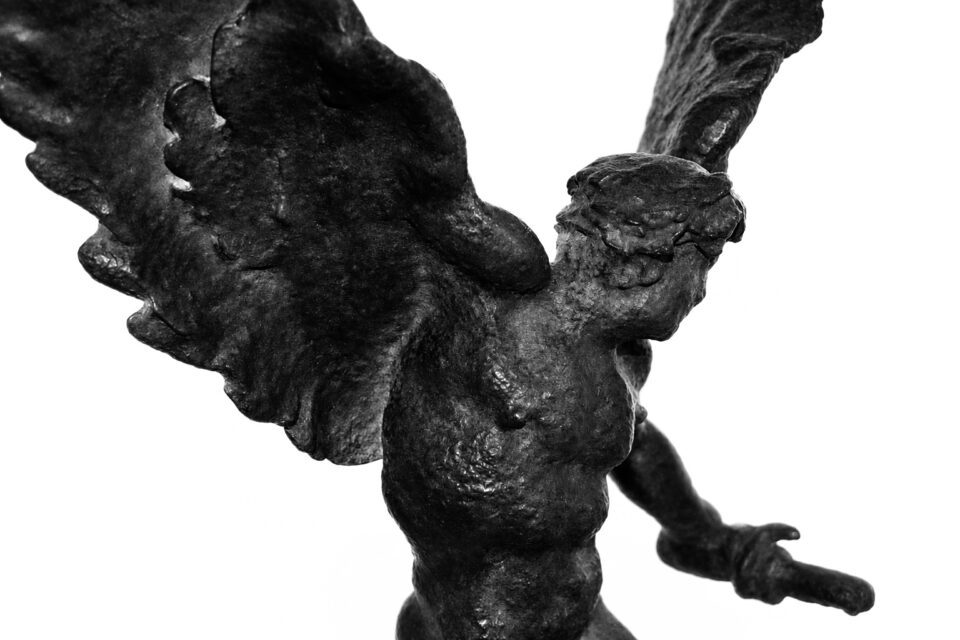
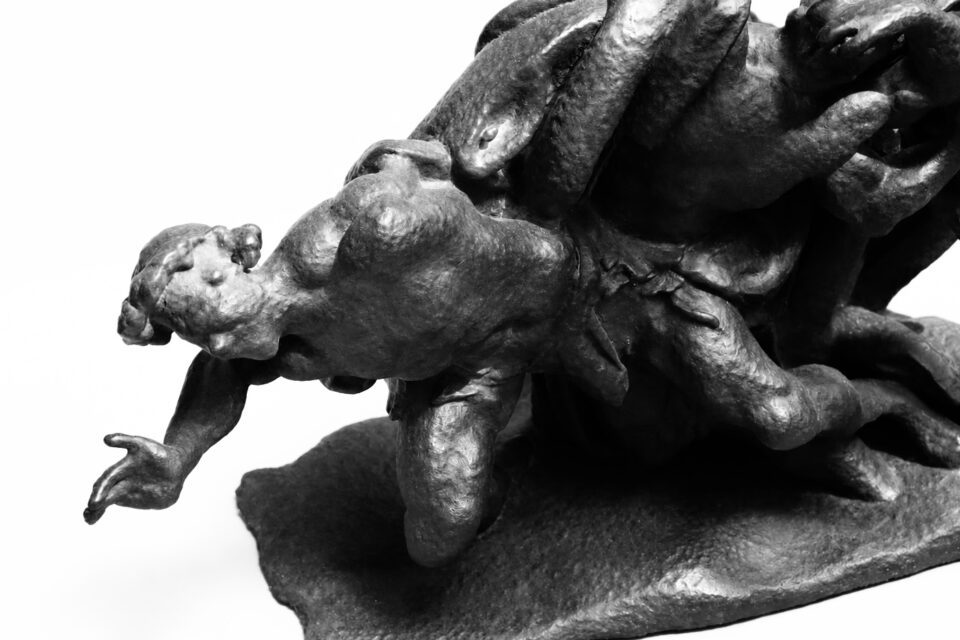
In Fake Mythology, Hsu transforms classical and mythological bodies into bronze sculptures. The use of bronze gives the works a sense of age, weight and permanence, but the bodies themselves appear fragmented, unstable and difficult to identify. It’s a fascination perspective on time, history and cultural storytelling. Somewhere between the longevity of bronze and the erosion of the subjects is a revealing truth: we may think we have a tangible grasp on the past, but it remains subject to change, interpretation and the slow erosion of time. Hsu asks how myths and cultural symbols are made believable through material, and how technology can disturb the authority of these inherited forms.
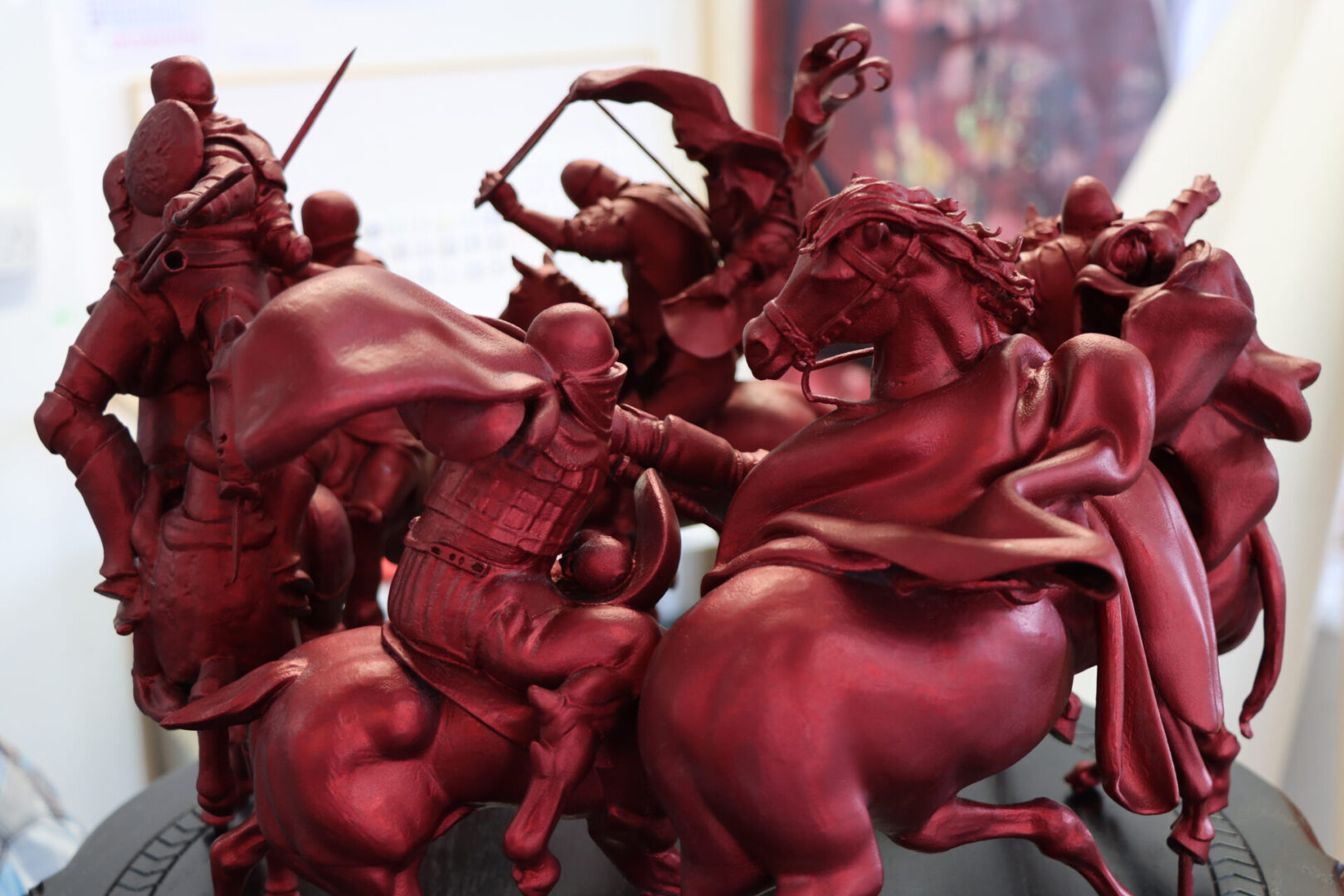
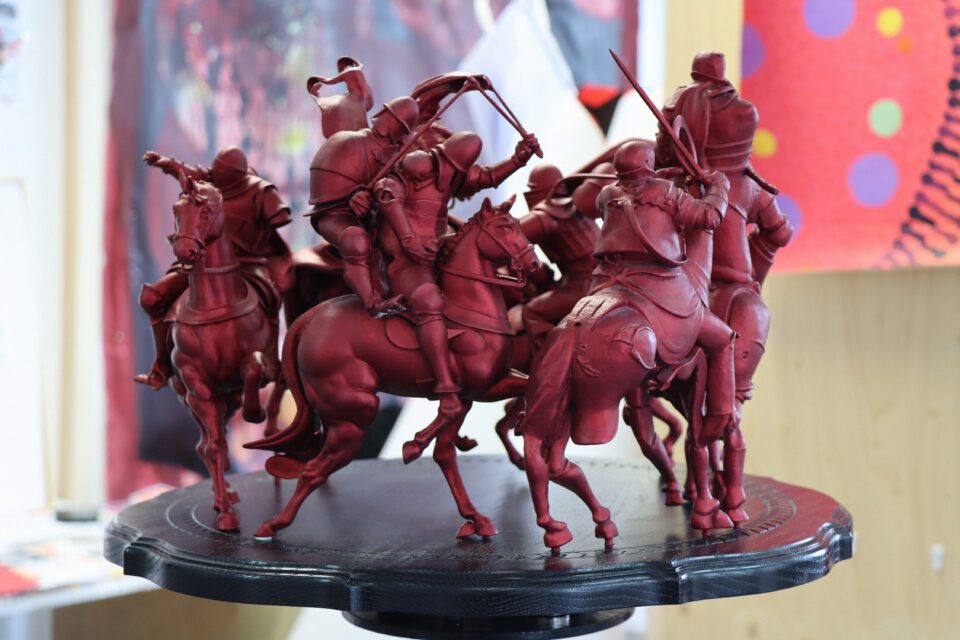
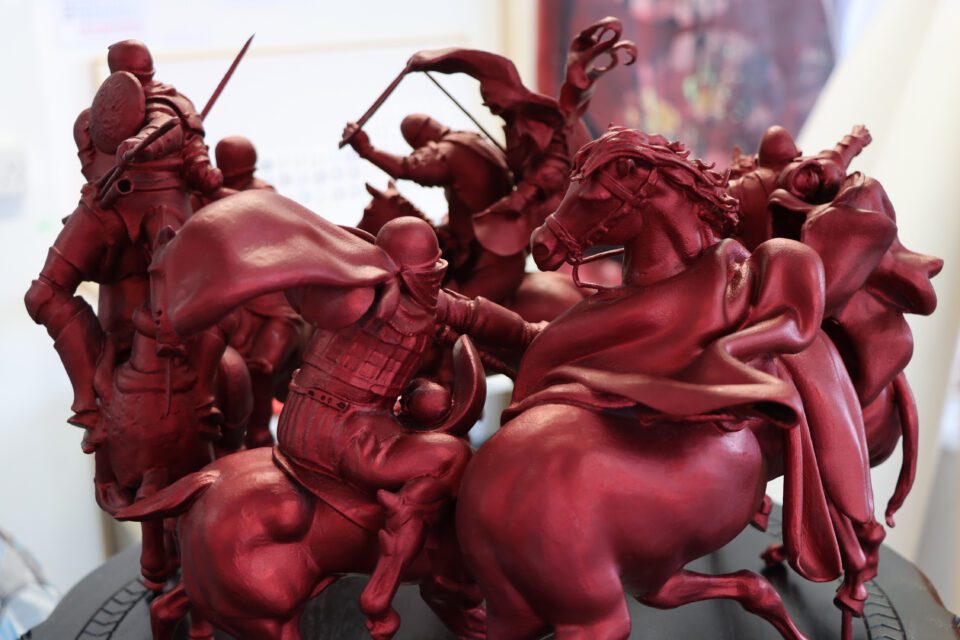
Endless March sees Hsu move away from legends and towards the imagery of war. The work presents three groups of cavalry figures, compressed into a single red sculptural mass and placed on a motorised rotating table. The movement is not dramatic or narrative; it simply continues. This endless rotation turns the heroic figures into a closed system of repetition. Here, Hsu offers a powerful mediation of war, positioning it not as a single, historical event, but as something that keeps returning, circulating and becoming part of everyday visual experience.
Together, Hsu’s works raise both ethical and aesthetic questions about technology and how we use it. He employs digital and mechanical processes to question how history is remembered, how violence is represented and how cultural images gain authority. His sculptures suggest that images are never neutral. They are made, repeated, changed and believed through systems that reproduce them.
Words: Emma Jacob
Image Credits:
All images courtesy of Jing Hsu.