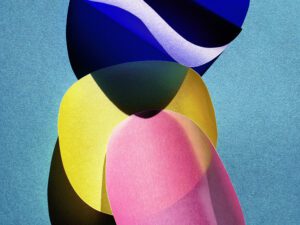
Five years ago, Berlin-based photographer Jessica Backhaus (b. 1970) took her first steps towards abstraction. She arranged tiny paper shapes under the summer sun, positioned her camera, and, as the pink, blue and yellow pieces started to curl and bend, she pressed the shutter. The resulting series was Cut Outs, and it was the beginning of her journey to strip photography back to its fundamentals: light, shadow and form. In 2024, she built on these investigations with Plein Soleil, a collection that was “more radical and uncompromising” than the previous project. Now, she returns with Papyrus, the third instalment in the trilogy. The book, published by Kehrer Verlag, is introduced to readers as a “visual tribute to paper.”
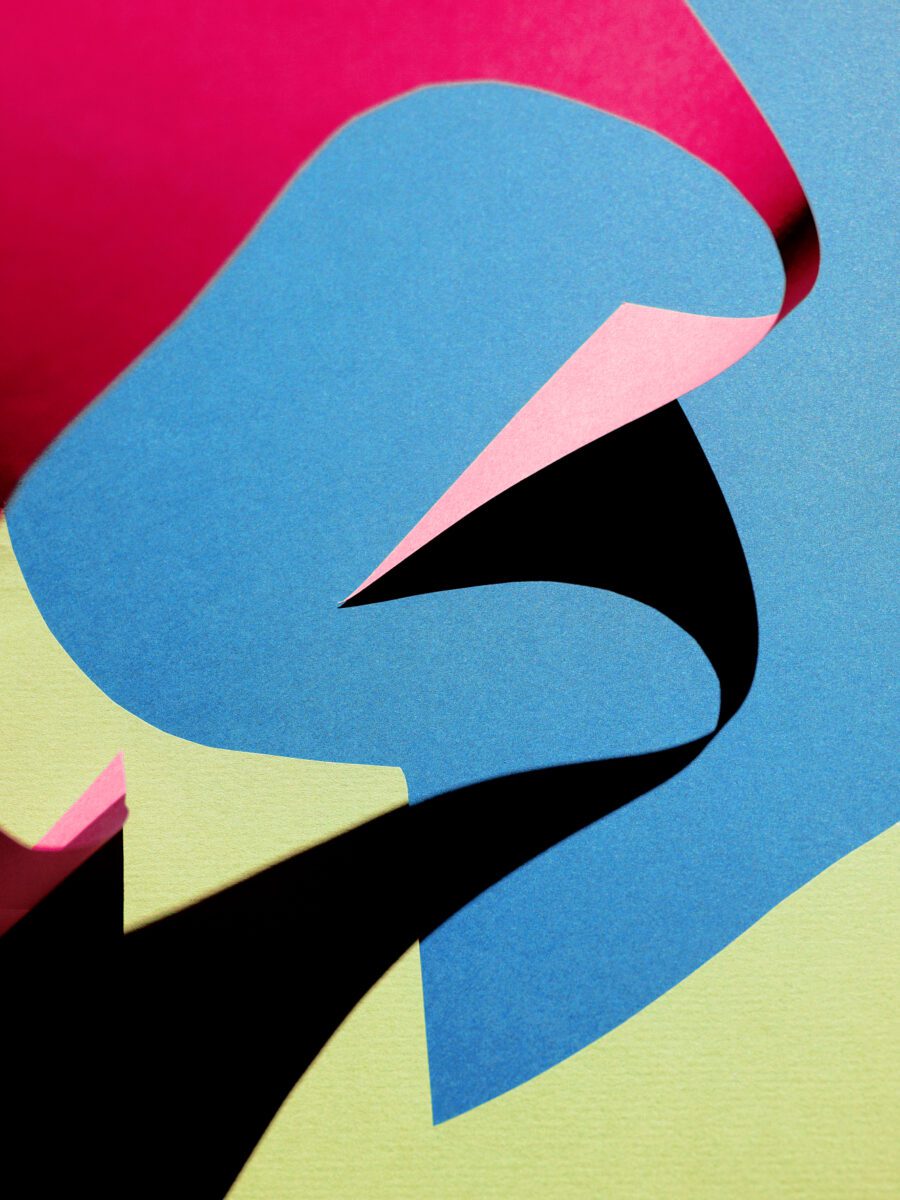
Paper is one of humanity’s oldest carriers of knowledge. But, in an age of increasing digitisation, and as more and more communications go “paperless”, it is gradually disappearing from everyday life. Papyrus responds to this shift by deliberately focusing on its value as a cultural and artistic medium. In antiquity, papyrus was among the earliest surfaces used to record human thoughts, memories and ideas, becoming inscribed with poetry, philosophy, rituals and historical records. Today, Backhaus reimagines it as “a metaphor for communication beyond words,” exploring how even the simplest visual elements can spark emotions. To do so, she worked under natural light – a process she calls “humble, ephemeral and direct.”
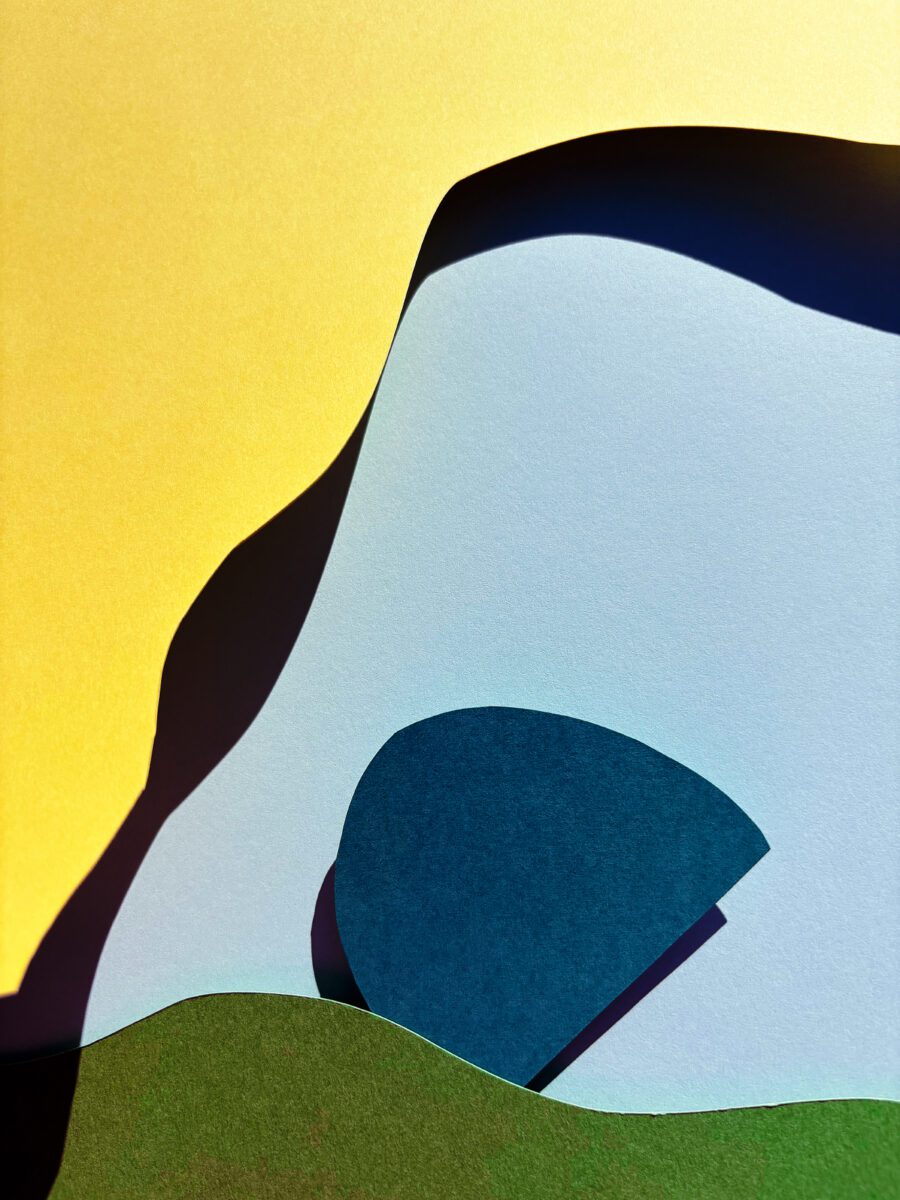
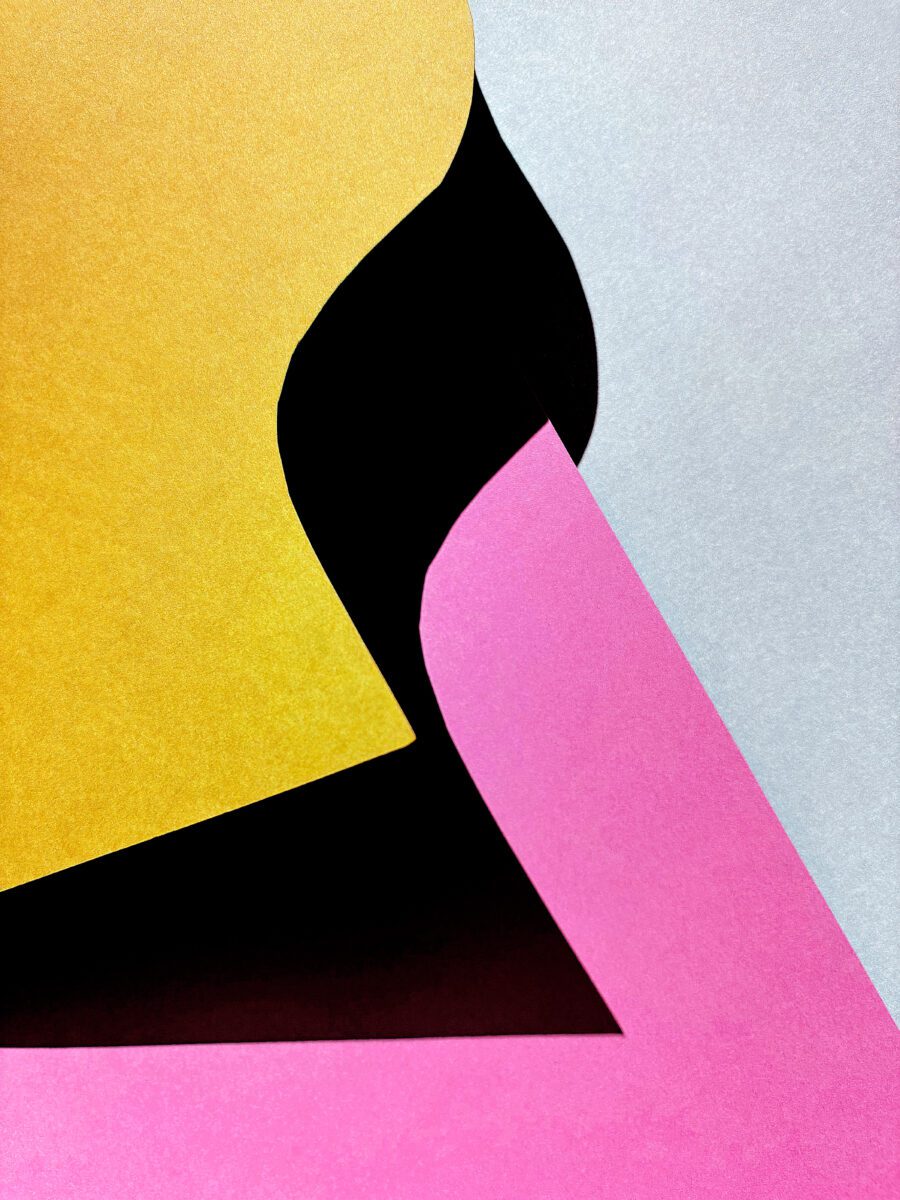
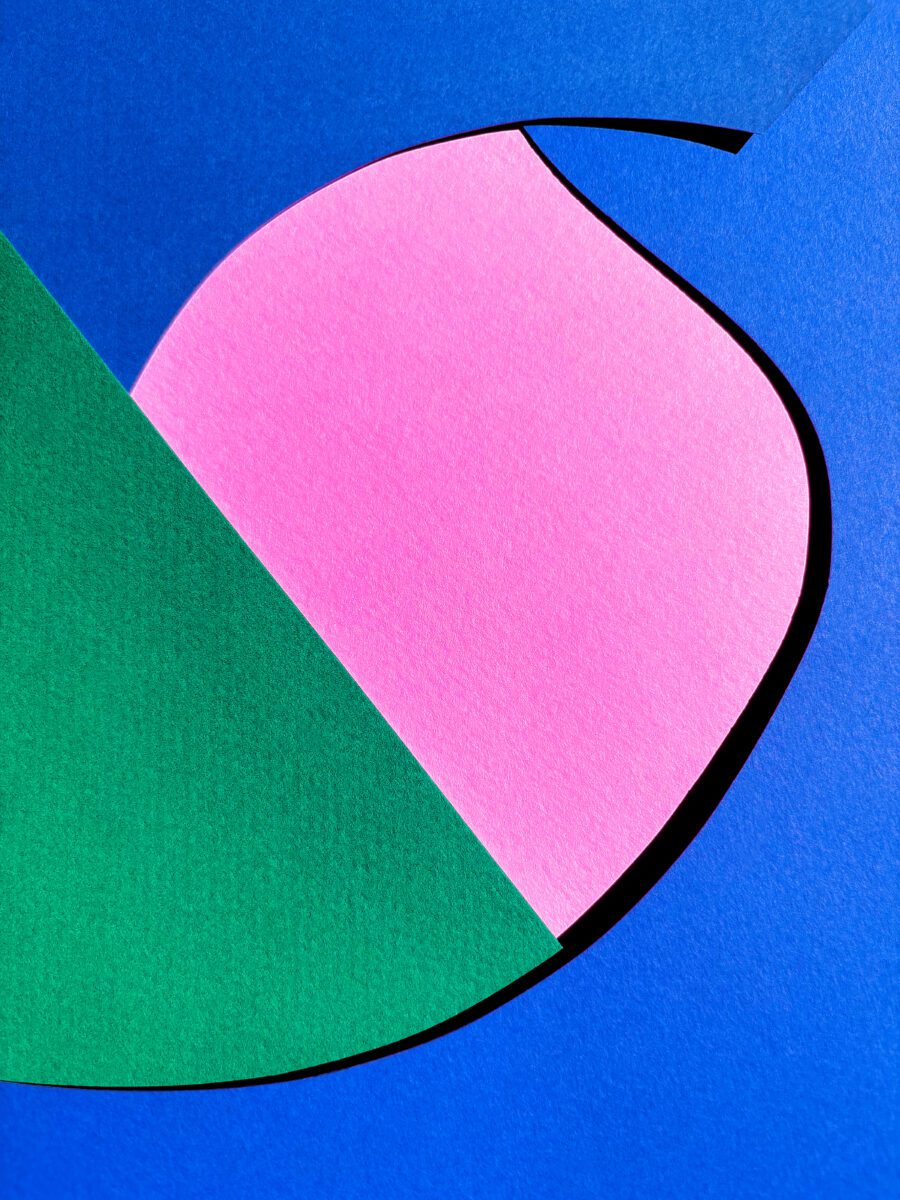
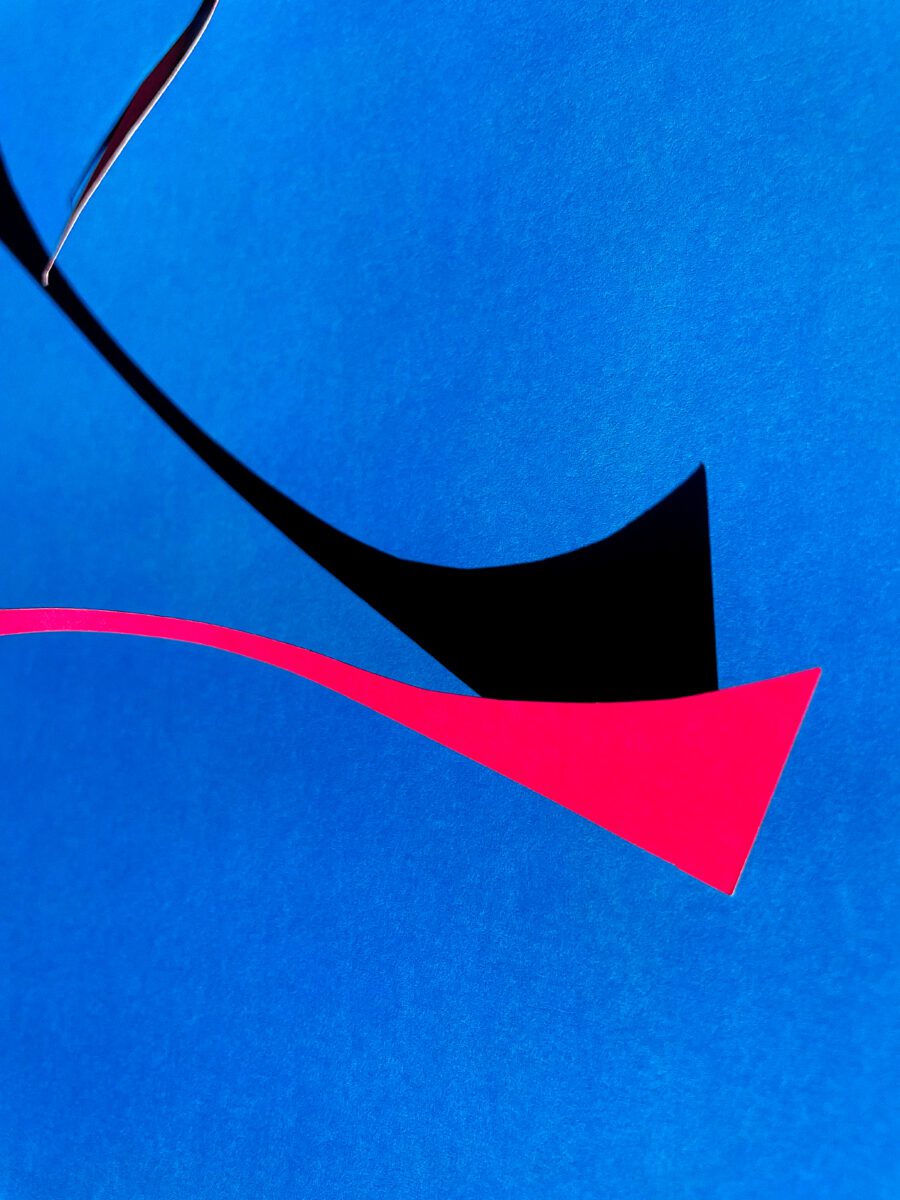
Flicking through the pages of Papyrus, it doesn’t take long to become mesmerised. At times, it’s like cloudspotting: some combinations of shapes and shadows, by happenstance, resemble things in the real world: waves, flowers, the side profile of a face. Sometimes, you can see the mark of Backhaus’ hand through a cut-out edge or fold. The textures are equally satisfying, with some card stock shimmering under the sun, whilst others are solid matte. Shadows cast graphic black lines and create a sense of depth. But what really stands out is Backhaus’ command of colour, which the artist describes as her “vocabulary” and “a form of writing.” Pinks, blues, greens, yellows intersect, creating different moods and relationships. “Each hue becomes a statement and is chosen for its emotional weight, its temperature, and its ability to suggest presence or absence,” she explains. “I mark space, time, and emotions without a verbal narrative.”
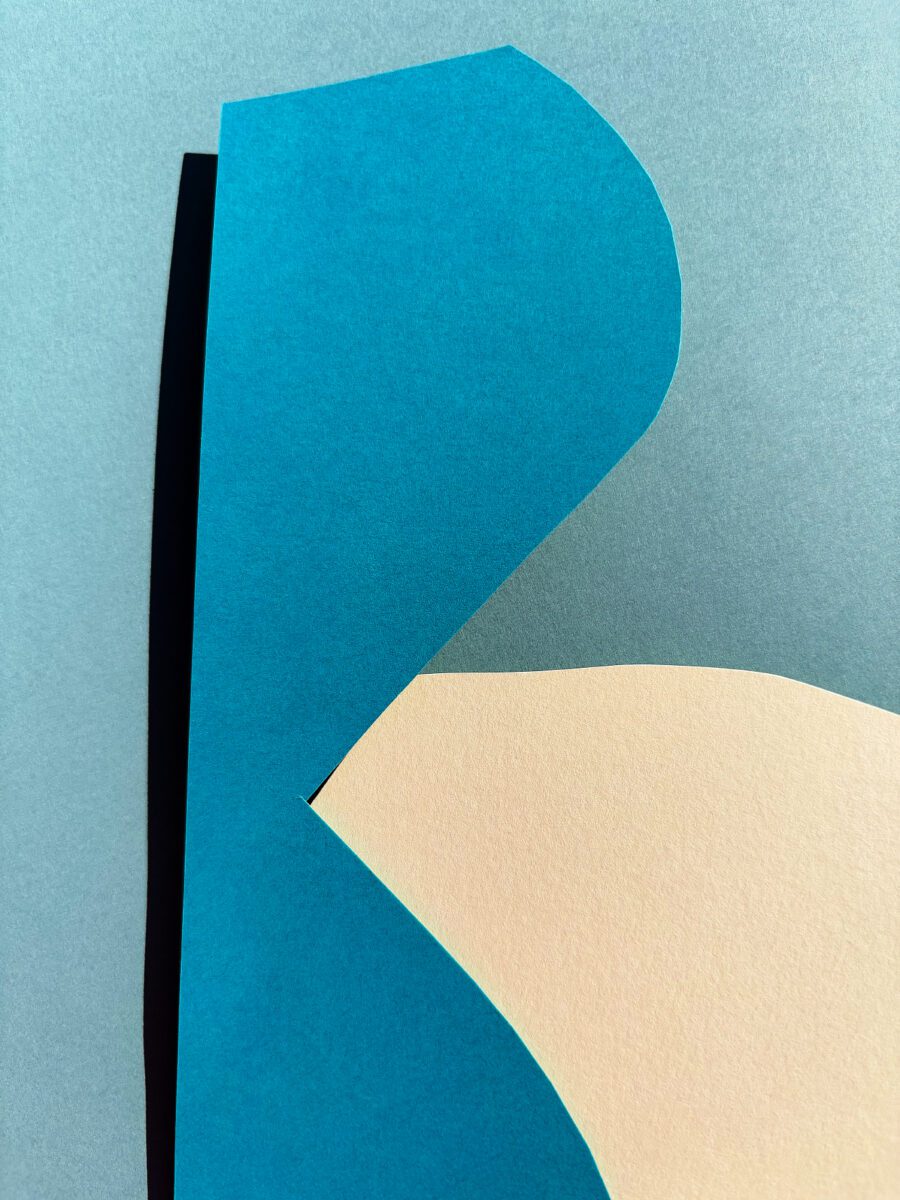
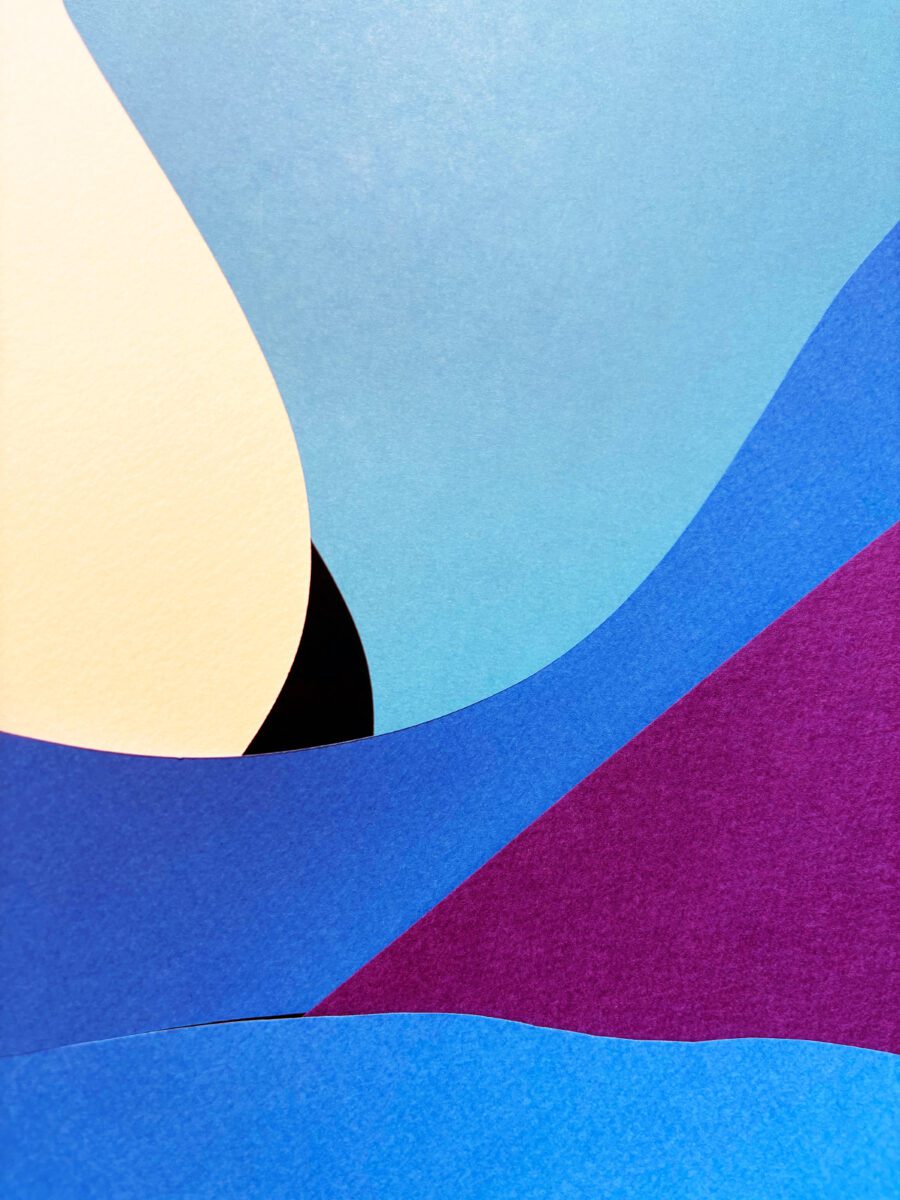
In her use of paper, Backhaus joins the likes of German sculptor Thomas Demand, who builds life-sized cardboard reconstructions of scenes of political and cultural significance, photographs them, and then destroys them. Whilst their approaches differ, both artists construct temporary physical works for the camera. Like Demand’s rooms, Backhaus’ abstract combinations happen only once, meaning that no two arrangements can ever be exactly the same. This is partly due to the influence of sunlight, which she sees as a “collaborator, transforming the work through time and shadow and breathing life and transience into it.”
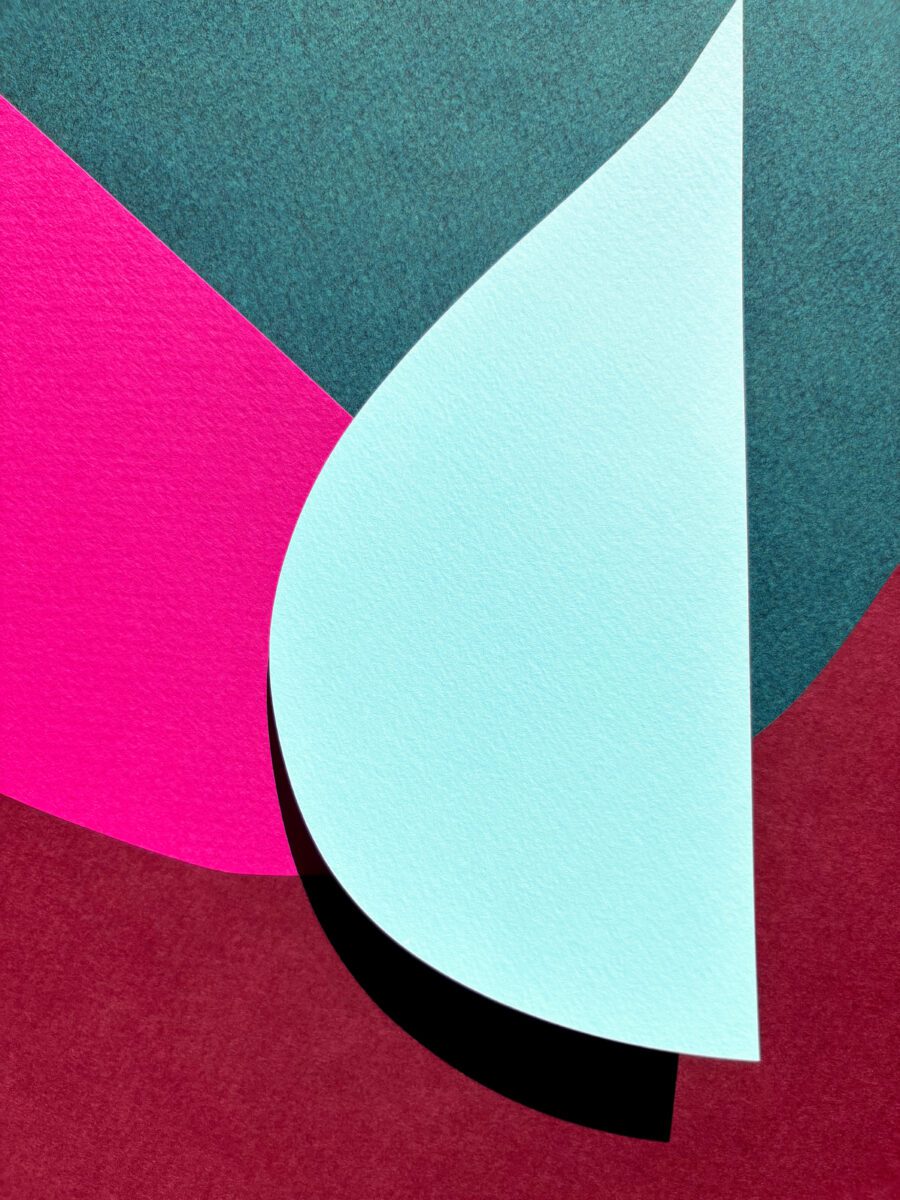
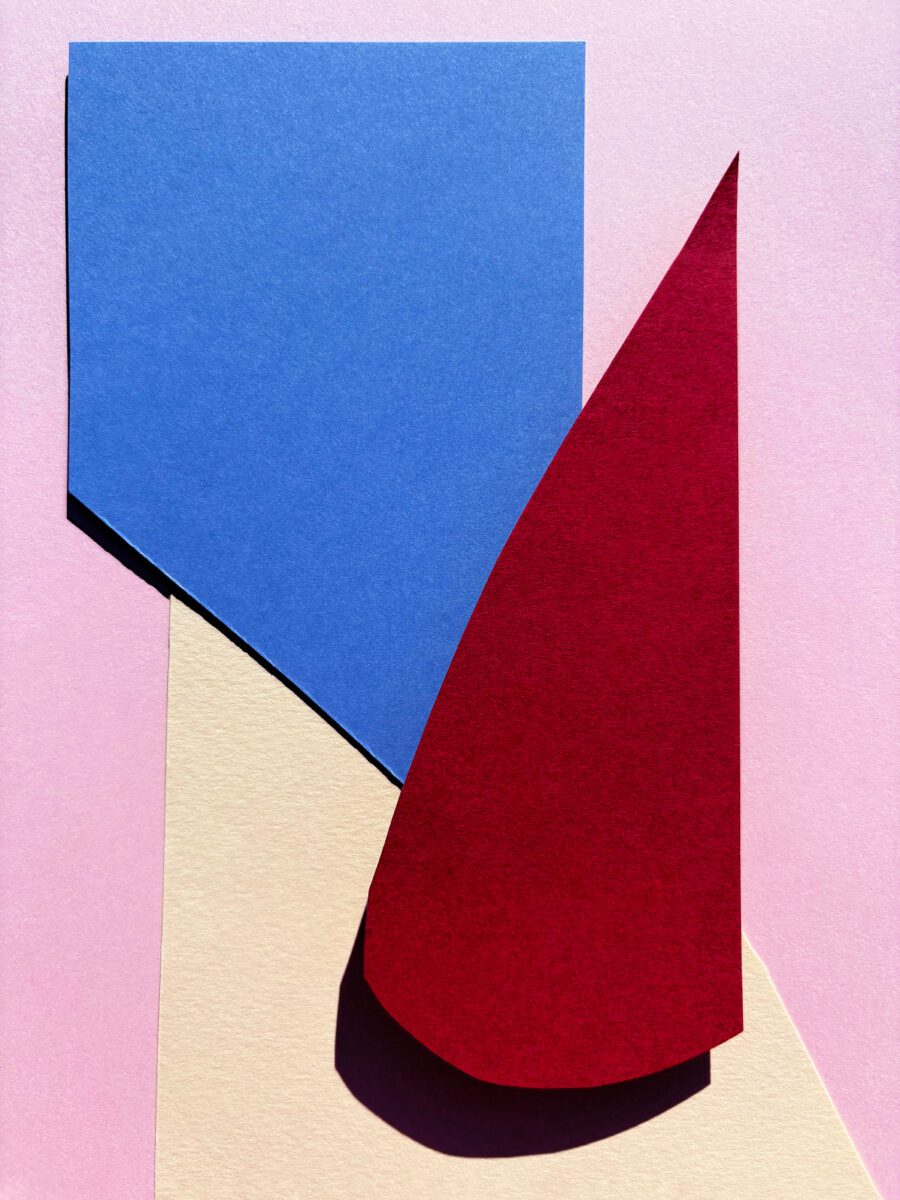
Papyrus marks the third and final chapter in Backhaus’ progression towards total abstraction. It is the culmination of an ambitious process, and it will be interesting to see what’s next both for her and the genre as a whole. Abstract photography is an increasingly popular field, with figures like Barbara Kasten, Liz Nielsen, Niko Luoma and Sebastiaan Knot working across analogue, cameraless processes and constructed staging. “It’s a mysterious and fascinating genre, and, for many years, we’ve been witnessing its rise in the contemporary photography space,” Backhaus told Aesthetica in 2024. “Hopefully, seeing as the recent influx of AI-generated imagery has led to distrust in pictures that look “too good to be true”, we’ll see a resurgence in the popularity of analogue – or unedited – image processes.”
Jessica Backhaus: Papyrus is published by Kehrer Verlag.
Words: Eleanor Sutherland
Image Credits:
1. Plate 73, 2026 © Jessica Backhaus
2. Plate 8, 2024 © Jessica Backhaus
3. Plate 4, 2025 © Jessica Backhaus
4. Plate 61, 2025 © Jessica Backhaus
5. Plate 35, 2025 © Jessica Backhaus
6. Plate 48, 2025 © Jessica Backhaus
7. Plate 54, 2026 © Jessica Backhaus
8. Plate 26, 2026 © Jessica Backhaus
9. Plate 40, 2025 © Jessica Backhaus