

Self-cleaning kitchens. Plastic houses assembled in a day. Push-button appliances. Desktop computers. The 20th century saw Americans bombarded with numerous domestic innovations. Many of these are now included in Home of the Future, 1925 –1985: Designing Domestic Utopias and The Kitchen and Its Discontents, two concurrent exhibitions at The Los Angeles County Museum of Art (LACMA). With more than 260 architectural models, drawings, films, furniture, paintings, photographs – and objects ranging from sinks to televisions – the season is dedicated to the idea of “the home of tomorrow.” Between 1925 and 1985, single-family dwellings in the USA became a testing ground for scientific innovation, corporate ambition, government policy and experimental design. Companies not only manufactured new products but also sold the idea of the future. World’s fairs, museum exhibitions, model homes, department stores and mass media made new technologies, materials and ways of living feel within reach. LACMA’s Home of the Future investigates the social impact of these visions, whilst bringing greater visibility to the contributions and counter-narratives of women designers, creatives of colour and historically marginalised communities.
The show opens with Health, Efficiency, and Mechanization, covering the years 1925–1945. During this period, products emerged that vowed to reduce labour: Kohler’s Electric Sink promised liberation from the “thrice-daily drudgery” of washing dishes by hand, whilst American Stove’s “Mrs. Modern” declared the company’s Magic Chef would “serve me instead of enslave me.” The presentation then moves on to 1945–1965: Plastics, Push Buttons, and Prefabrication, revealing how military innovations in plastics, plywood and metals were applied to architecture, furniture and textiles after WWII. Next, 1950–1970: The Cold War Command Center turns to a time of nuclear threat and social upheaval, when domesticity and geopolitics became inextricably linked. Fantasies about alternative living proliferated: whether underground, underwater, or in outer space. The final section, 1965–1985: The Counterculture and The Computer charts the rejection of conventional materials: Frank Gehry’s Bubbles lounge chair elevated humble, corrugated cardboard into sculptural furniture. But this was also the time of the Civil Rights Movement: Floyd McKissick’s proposed multiracial Soul City demonstrates efforts to realise a more equitable future.
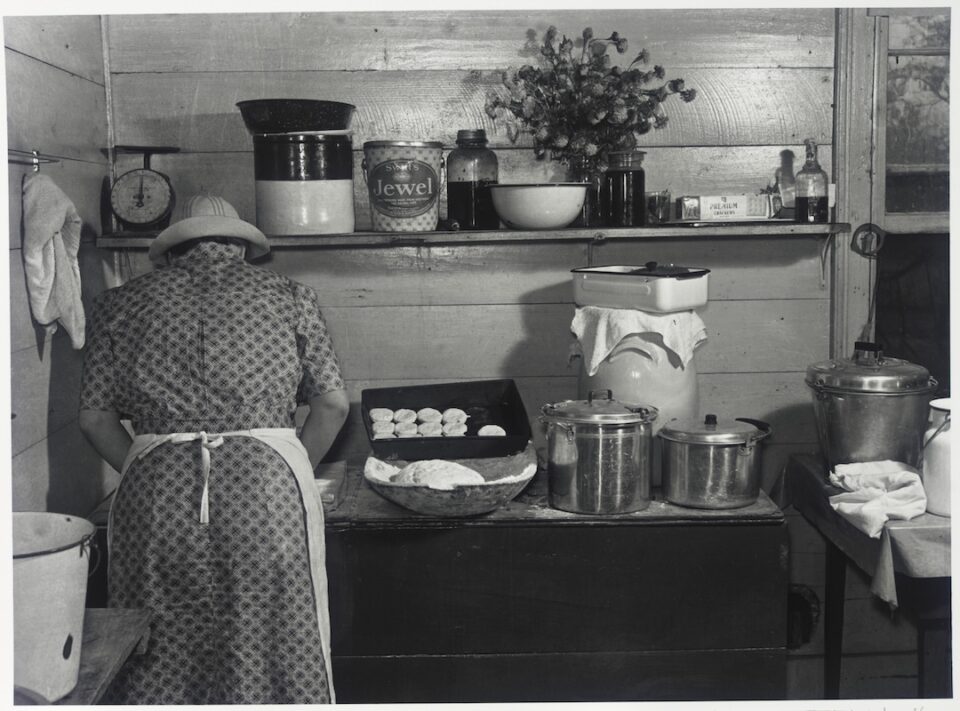
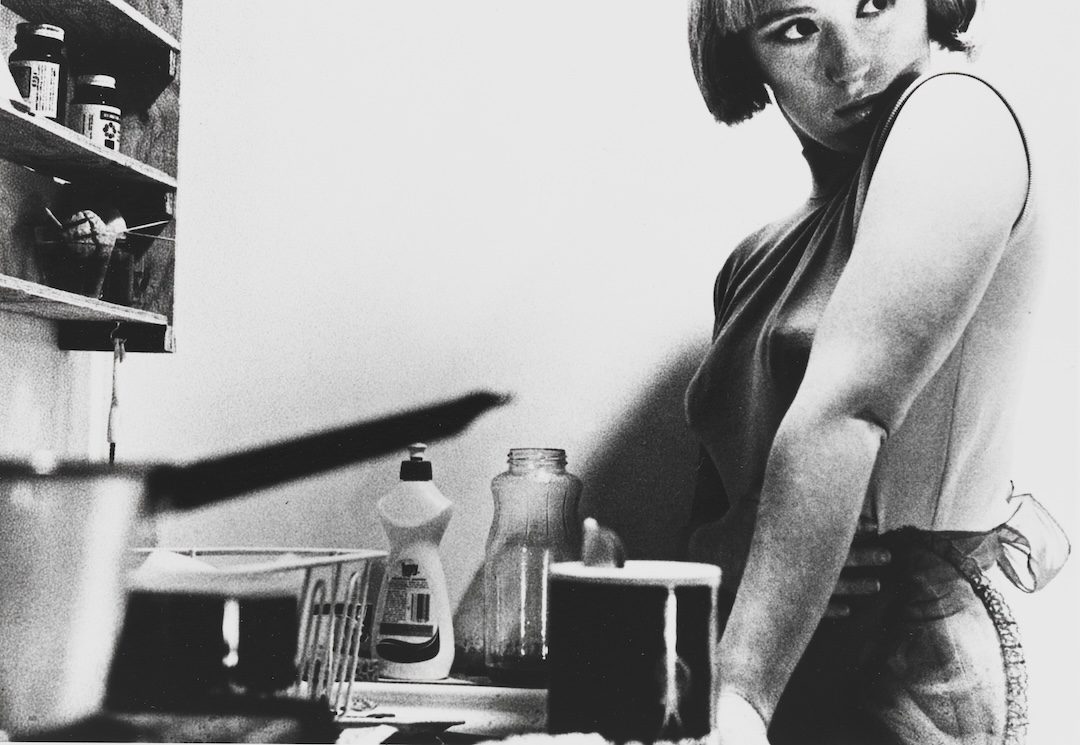
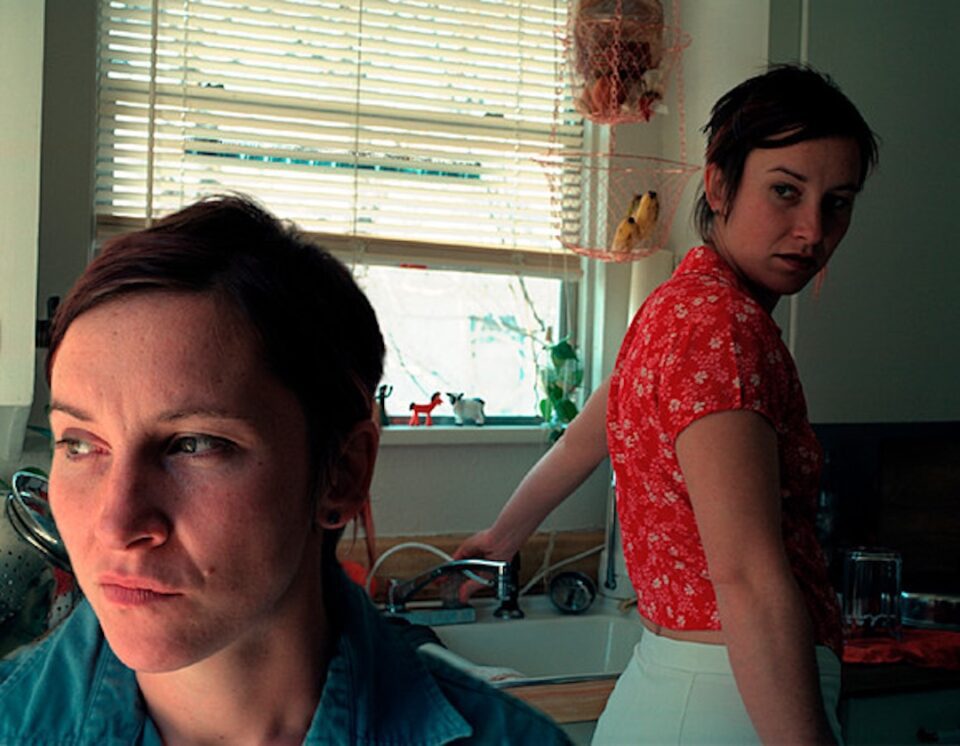
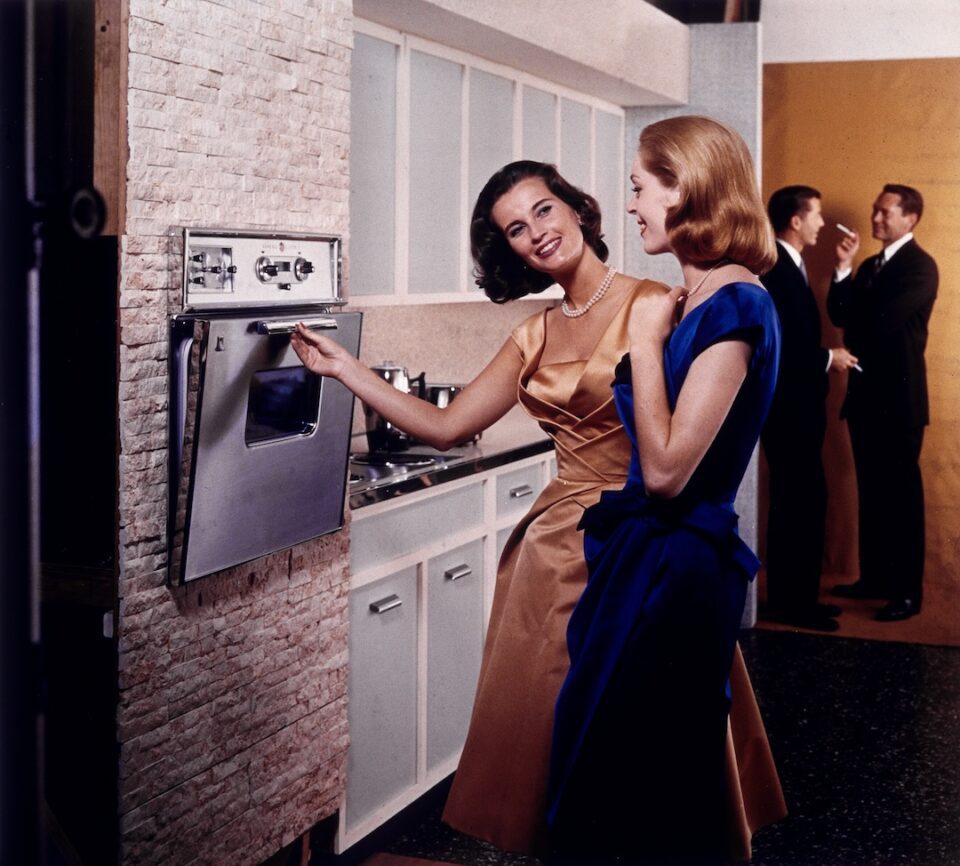
“The American home of the future was always elsewhere, just over the horizon,” says Wendy Kaplan, curator of Decorative Arts and Design at LACMA. “That restless forward motion, powered by the conviction that tomorrow’s design would solve today’s problems, is itself quintessentially American. The objects, images, and houses brought together in Home of the Future remind us that every utopia is a mirror, reflecting our dreams as well as our blind spots, our values, and our willingness to imagine and to exclude in equal measure.” The question of who was included in these visions of the future, and who was left out, comes into sharper focus in LACMA’s second exhibition, The Kitchen and Its Discontents. As the title suggests, it addresses the kitchen’s longstanding association with women’s labour. It foregrounds two of the period’s most influential designs, as envisioned by Margarete Schütte-Lihotzky and Charlotte Perriand, as well as work by artists and activists Cindy Sherman, Kelli Connell, Laurie Simmons and Martha Rosler. Documentary photographs such as Marion Post Wolcott’s One of the Wilkins Family Making Biscuits (1939) capture the realities of ordinary domestic life, whilst advertising and architectural images by commercial photographer Ralph Bartholomew, Jr., promote idealised visions of comfort and convenience.
For Michael Govan, LACMA CEO and Wallis Annenberg Director, these presentations are more than traditional museum displays. They are “a provocation: a reminder that the homes we inhabit today were once someone’s radical idea, an act of imagination, and a leap of faith.” Together, they reveal how domestic design has long been shaped by competing ideas about progress, convenience and social change. They also expose the limitations of these visions, drawing attention to the people whose labour sustained them and the communities whose needs were often overlooked. LACMA doesn’t just ask what futures were imagined, but also who envisaged them, how they circulated and, perhaps most importantly, for whom they were intended. In doing so, they invite a reconsideration of the home not simply as a private space, but as a reflection of wider cultural values, political ambitions and social inequalities. The future, it seems, is never just a question of what can be designed, but of whose lives those designs are intended to improve.
Home of the Future, 1925 –1985: Designing Domestic Utopias & The Kitchen and Its Discontents
LACMA from 27 September – 14 March.
Words: Eleanor Sutherland
Image Credits:
1. Cindy Sherman, Untitled Film Still #3 , 1977, Los Angeles County Museum of Art, the Audrey and Sydney Irmas Collection, © 2026 Cindy Sherman/Artists Rights Society (ARS), NY, courtesy the artist and Hauser & Wirth, digital image © Museum Associates/LACMA
2. Kelli Connell, Kitchen Tension , 2002, from the series Double Life , Los Angeles County Museum of Art, purchased with funds provided by the Ralph M. Parsons Fund, © Kelli Connell, digital image courtesy Museum Associates/LACMA
3. Marion Post Wolcott, One of the W ilkins Family Making Biscuits, Near Tallyho, Granville County, North Carolina , 1939, printed later, Los Angeles County Museum of Art, anonymous gift, Los Angeles, in honor of Robert Sobieszek, digital image courtesy Museum Associates/LACMA
4. Ralph Bartholomew, Jr., for International Nickel, Untitled , 1960, Los Angeles County Museum of Art, gift of the Bartholomew Family, courtesy Keith deLellis Gallery, © Estate of Ralph Bartholomew, digital image courtesy Museum Associates/LACMA


