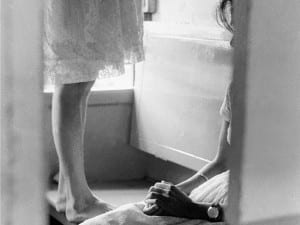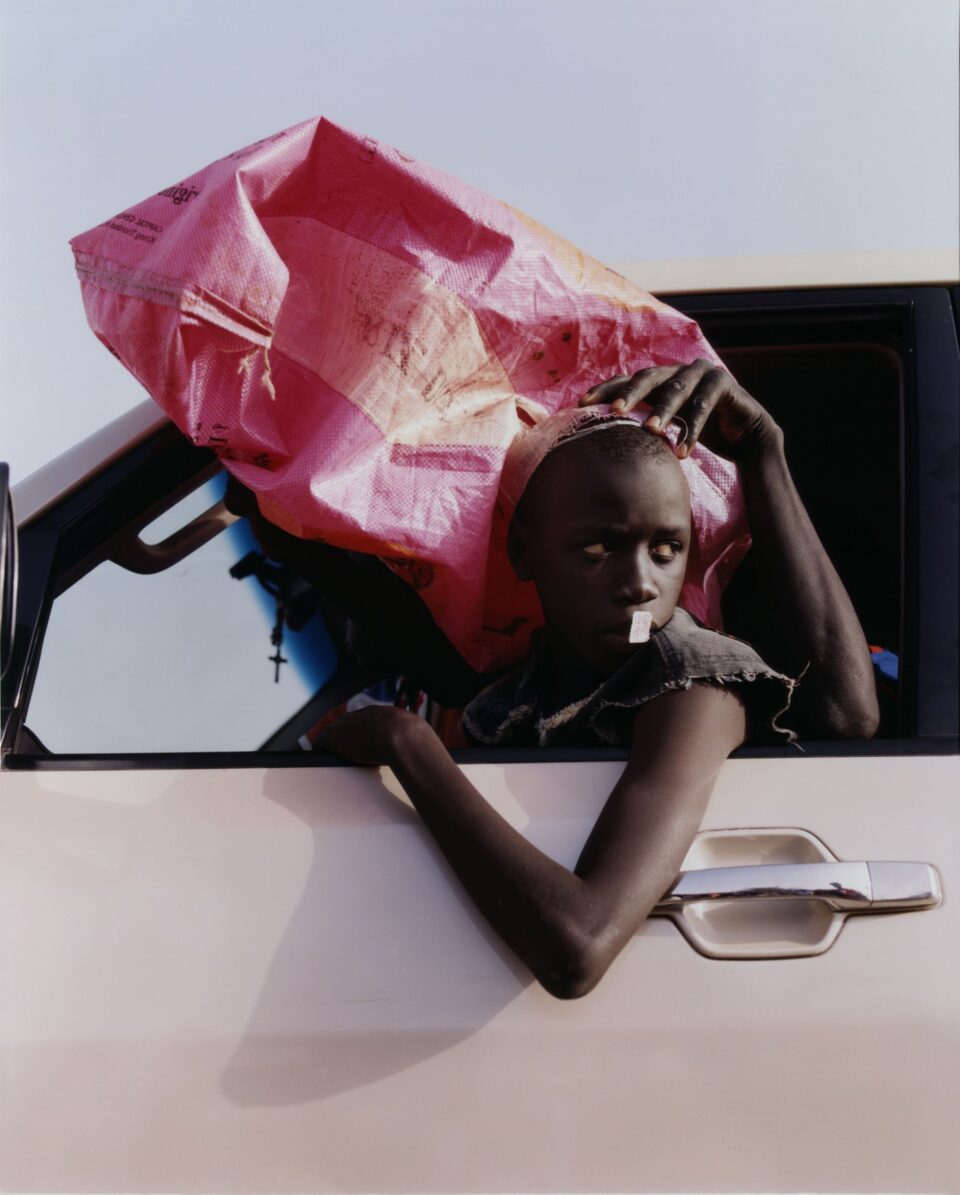
Photography has always been entangled with desire – with the urge to look, possess, remember and be seen. Fragile Beauty: Photographs from the Sir Elton John and David Furnish Collection, on view now at the Jeu de Paume in Paris, explores these tensions through more than 300 works drawn from the couple’s extensive collection. First presented at the V&A South Kensington in 2024, the exhibition brings together fashion, celebrity, queer identity, documentary and portraiture without treating them as separate photographic worlds. Instead, images move between glamour and vulnerability, intimacy and spectacle, asking how photography shapes the ways bodies, lives and identities enter public consciousness. This exhibition is a survey of who gets to look, who is looked at and what happens in the space between the two.
Private collecting inevitably begins with personal fascination, however, the act of bringing those choices into a museum changes their meaning. John and Furnish’s collection, assembled over more than three decades, reflects interests in music, fashion, sexuality, performance and the lives of people who have existed beyond conventional ideas of visibility. Within the Jeu de Paume, however, these attachments become part of a larger cultural conversation about photography and its power to construct memory. Curators Duncan Forbes, Lydia Caston and Newell Harbin developed the exhibition around interconnected themes rather than a conventional chronology, allowing works from very different periods to encounter one another. The result is a collection that feels less like an archive of photographic achievement than a map of the desires, anxieties and cultural histories that have shaped the act of looking.
Desire provides one of the exhibition’s most productive organising principles because photography has always been closely tied to wanting. A portrait offers the illusion of proximity, a fashion image manufactures aspiration, while the celebrity photograph promises access to a person who remains fundamentally out of reach. Yet looking is never entirely passive: the camera selects, frames and transforms its subject, while the viewer decides what deserves attention. Susan Sontag’s observations about photography as a form of possession remain pertinent, particularly when images become objects through which people collect, remember and claim cultural experience. Fragile Beauty repeatedly exposes this growing tension, offering the suggestion that beauty is not simply something a photograph contains but something that is produced through systems – both simple and layered – of looking , desire and value.
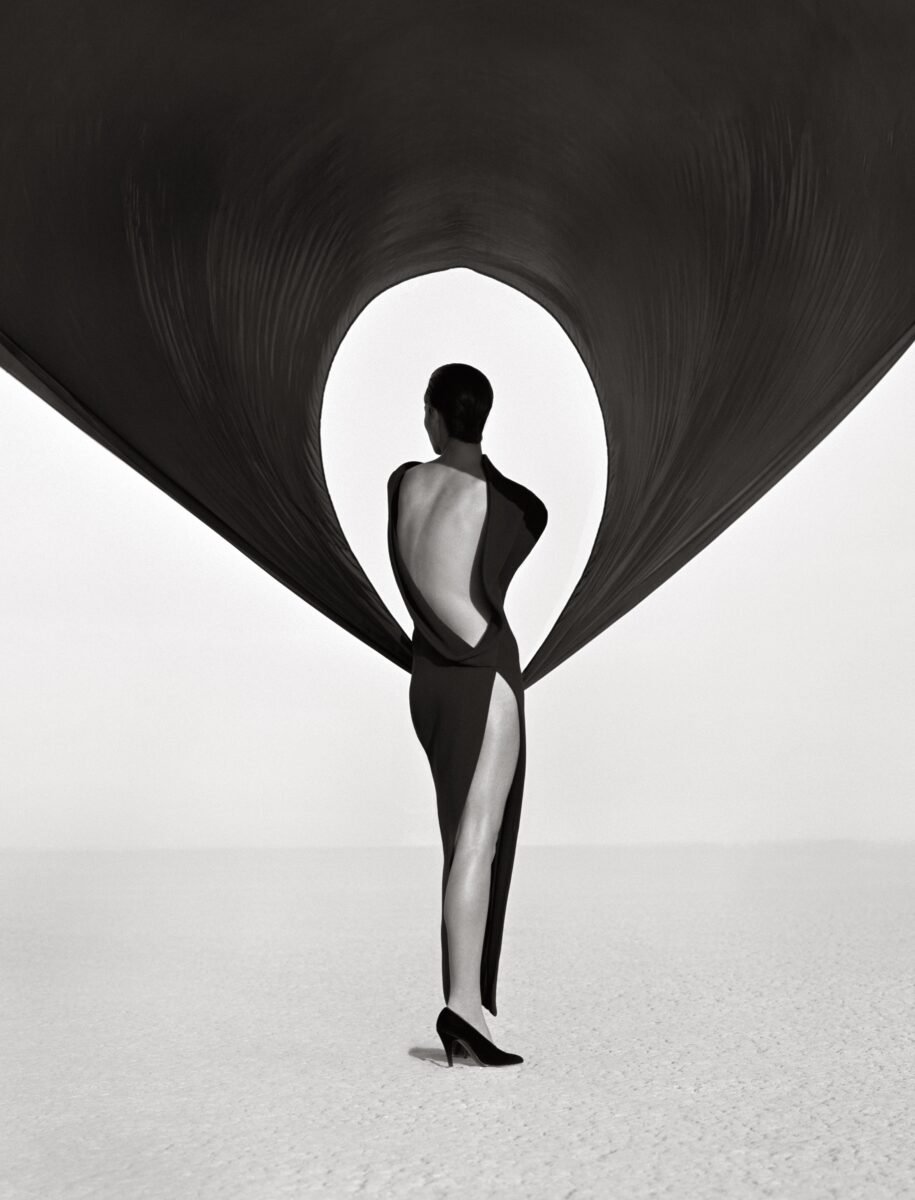
Fashion makes those systems especially visible because its images are designed to shape aspiration. Irving Penn’s precise compositions and Herb Ritts’ sculptural studies of the body demonstrate how photography can impose order upon physical presence, transforming people into carefully constructed ideals. Elsewhere, that polished vocabulary gives way to approaches in which clothing becomes a means of self-definition, allowing subjects to control how they enter the frame. Nontsikelelo Veleko’s portraits are compelling in this context, foregrounding style, pose and urban identity to challenge established assumptions about African representation. Her subjects appear neither passive nor anonymous; they meet the camera with a visual confidence, shifting the balance between photographer and photographed.
Identity becomes more complicated when the subject refuses the categories imposed upon them. Photography has frequently participated in defining masculinity, femininity and sexuality, but the same medium has also provided artists with a means of dismantling those definitions. Peter Hujar’s portraits possess an intimacy that resists the distance of conventional studio photography, giving queer subjects an immediacy that feels personal rather than symbolic. Robert Mapplethorpe approaches the body differently, using formal precision and confrontation to place sexuality within debates around censorship, taste and institutional authority. Their opposing practices show that queer representation cannot be reduced to a single visual language; it can be tender, erotic, theatrical, confrontational or observational.
Visibility carries weight within queer photographic history because being represented has never been a neutral condition. To appear in an image can mean recognition and solidarity, but it can also involve exposure, stereotyping or the reduction of a complicated life to a single visual sign. Nan Goldin’s work unsettles that dynamic by photographing from within the worlds she inhabits, replacing the detached position of the observer with an intimacy shaped by friendship and participation. Her Thanksgiving series builds moments of sexuality, addiction, tenderness and loss until individual photographs begin to resemble fragments of a collective history. The work insists that lives frequently excluded from official narratives can generate their own archives – not through institutional authority, but with persistent personal memory.
Goldin also complicates the exhibition’s understanding of beauty. Her photographs rarely conform to the polished visual language associated with commercial portraiture or fashion, yet their emotional intensity produces another kind of aesthetic force. Imperfection is not something to be corrected; it becomes part of the image’s meaning, while intimacy replaces spectacle as the source of visual power. This approach reflects a wider shift in photographic practice towards lived experience, where the camera can preserve contradiction rather than manufacture perfection. Vulnerability now neither a weakness nor a subject to be aestheticised from a safe distance, but a condition through which the image acquires its force.
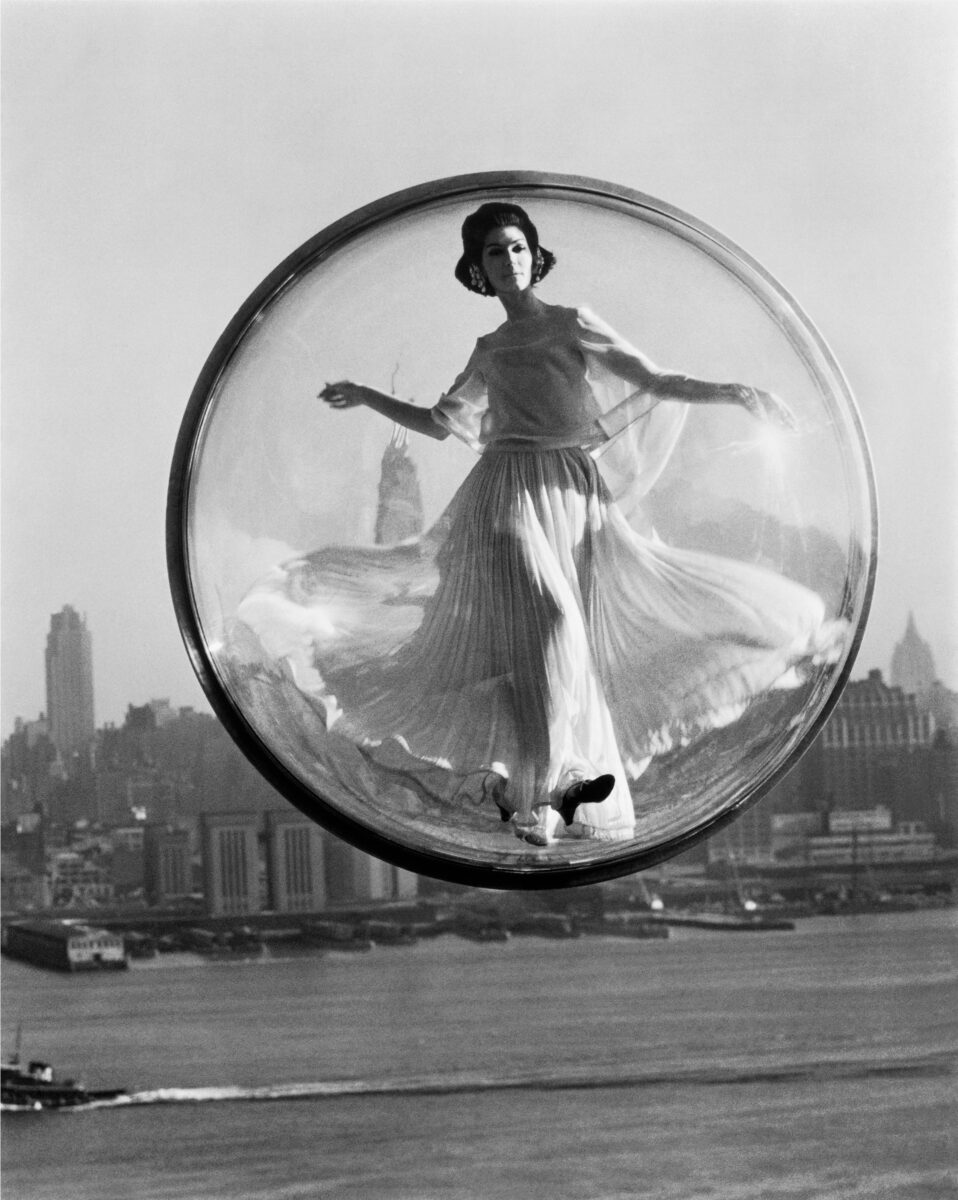
Celebrity introduces another form of contradiction because constant visibility can make genuine knowledge of a person more elusive. Marilyn Monroe, Chet Baker and other cultural figures appear through photographs that helped shape public identities, yet an image can quickly become a mythology that stands in for an entire life. Eve Arnold’s images of Monroe are revealing because they interrupt that mythology, showing the performer within the processes of preparation and performance over presenting only the finished star. Herman Leonard’s portrait of Baker operates differently, using atmosphere and composition to evoke the musician’s charisma while retaining a sense of distance. Together, such images reveal celebrity as something constructed through repetition, circulation and the audience expectation.
Fame exposes the uneasy relationship between photography and intimacy. A portrait creates the sensation that the viewer has been granted access to a private person, while simultaneously reinforcing the distance between subject and spectator. Public figures must remain recognisable enough to sustain their cultural identity, yet mysterious enough to maintain fascination. Photography becomes one of the mechanisms through which that balance is continually produced, circulating images that appear familiar while withholding the person behind them. Fragile Beauty makes this conflict known by placing obvious figures with less familiar subjects, showing that celebrity is ultimately another form of photographic construction.
Political photography alters the outcome of looking because images can become part of collective memory. Photographs connected to the American Civil Rights movement, protest and conflict do more than document events; they influence how those events are subsequently imagined and remembered. Pirkle Jones’ images of the Black Panthers, for instance, possess the immediacy of reportage while also demonstrating the formal decisions that shape documentary imagery. Their significance lies partly in their recording, but equally in the fact that images become visual reference points for generations who did not witness the events. An image can hence function both as evidence, interpretation and cultural symbol.
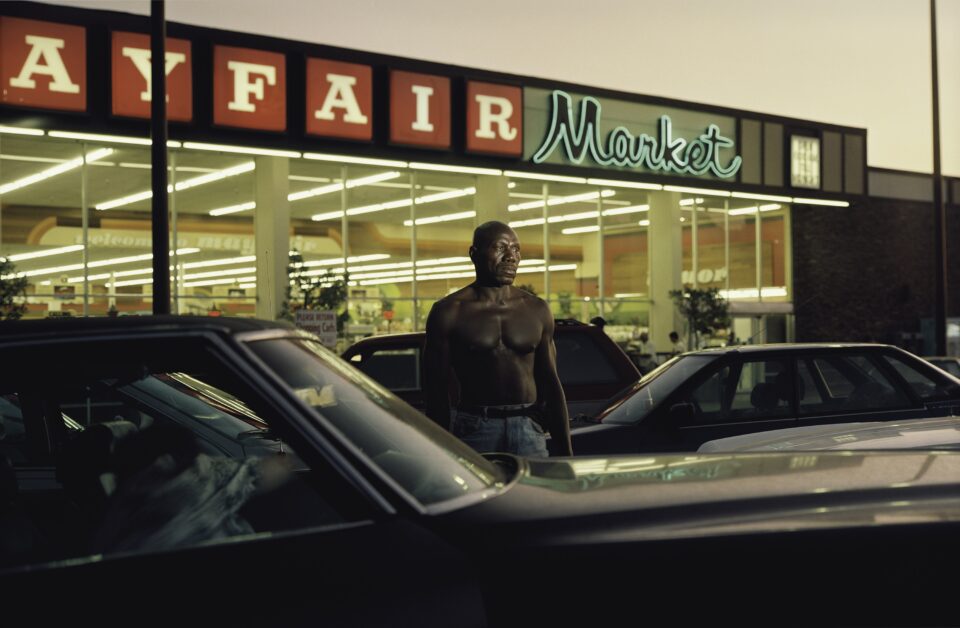
Documentary practice cannot be separated entirely from aesthetics, however uncomfortable that fact may be. Every photograph involves decisions about timing, composition, distance and emphasis, even when the photographer’s principal intention is to bear witness. The familiar division between “art” photography and “documentary” photography begins to look increasingly unstable when works from both traditions are placed in direct dialogue. Fashion can reveal social structures, portraiture can expose political identities and reportage can possess an undeniable visual seduction. By bringing these genres together, the exhibition invites viewers to consider photography as a shared language over a series of clear categories.
Curatorial structure becomes crucial because John and Furnish’s collection could easily have been presented as a procession of famous names. Instead, thematic relationships encourage photographs to acquire meaning through proximity, allowing an image associated with glamour to sit within a conversation about sexuality, mortality or political history. This reflects a wider development in museum practice, where collecting is understood not simply as the preservation of objects but as an interpretative act that actively shapes cultural memory. What a collector chooses to preserve tells us something about what has mattered to them, while the curator determines how those choices can be understood by others. The exhibition therefore becomes a negotiation between private taste and public interpretation.
The V&A presentation is important to that story because it sets the exhibition’s framework before the collection arrived in Paris. Its original presentation at South Kensington, which ran from May 2024 to January 2025, introduced audiences to a selection from the more than 7,000 photographs accumulated by John and Furnish. That history gives the Jeu de Paume presentation a useful point of departure without defining its meaning, since the images continue to operate differently according to their surroundings and the cultural discourse that accompany them. Moving between institutions reinforces the idea that images are not entirely fixed in meaning. Their significance changes in different contexts, audiences and histories.
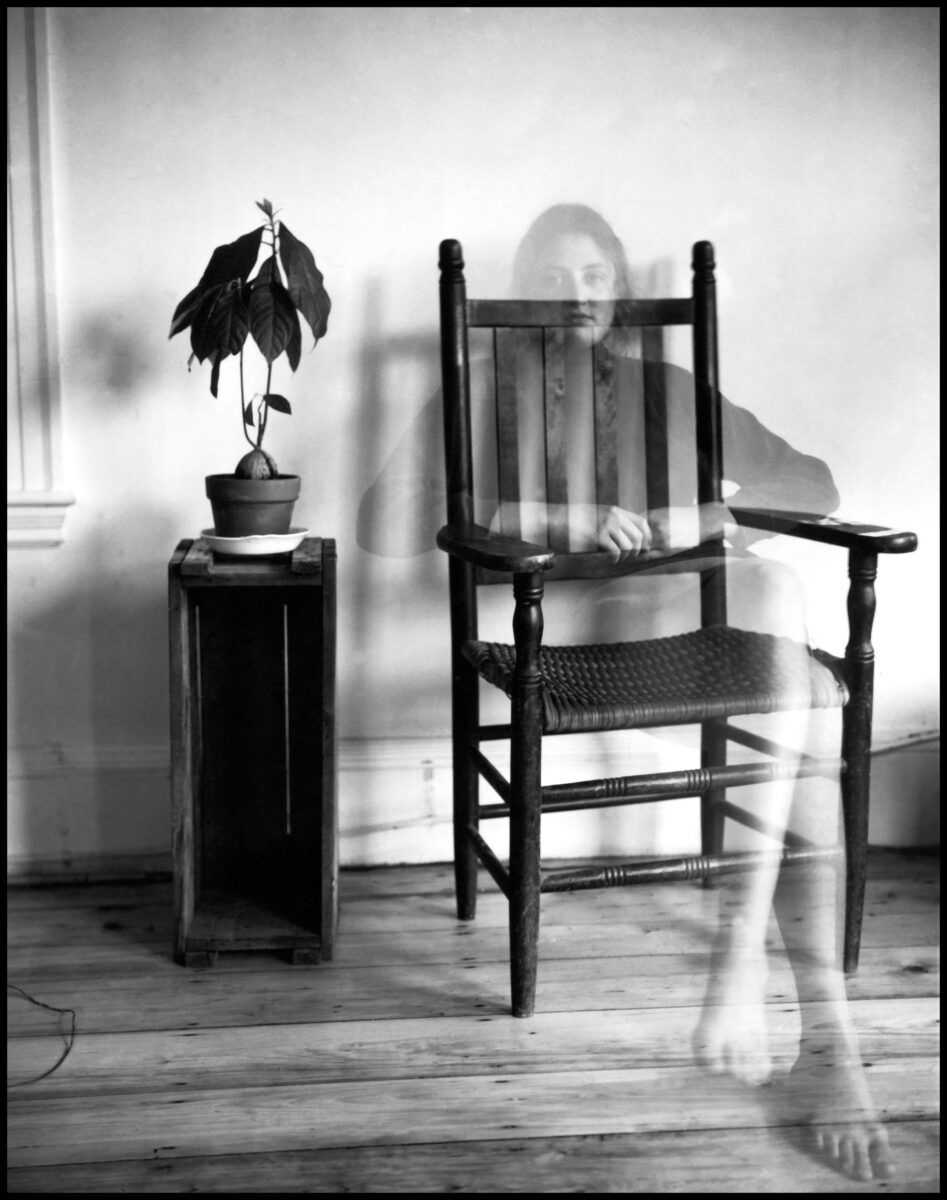
The current state of photography makes the question of selection increasingly urgent. We encounter images at a speed and volume that would have been unimaginable when many of these works were produced, yet abundance does not necessarily generate sustained attention. Faces, bodies, protest and private experience pass rapidly through digital feeds, becoming visual information before they have time to become meaningful encounters. An exhibition offers a different rhythm, returning photographs to physical space and asking viewers to remain with them rather than immediately moving on. Fragile Beauty thereby becomes an argument for slow looking, reminding us that attention has become a form of value.
This exhibition resists the idea that beauty can be separated from vulnerability. Its most compelling photographs are those in which glamour gives way to intimacy, identity becomes unstable, or an apparently straightforward document reveals the presence of the person behind the camera. John and Furnish’s collection begins with personal passion, but its public presentation opens onto much larger questions about who is photographed, who controls representation and how images enter cultural memory. From Penn and Ritts to Goldin, Mapplethorpe and Veleko, the photographers gathered here approach those questions through radically different visual languages. What connects them is not a single definition of beauty, but an understanding that every act of looking carries consequences. At the Jeu de Paume, there is a negotiation between visibility and vulnerability, espousing a medium capable of affirming identity, building mythology and exposing the fragile power relations that determine who gets to be seen.
Fragile Beauty: Photographs from the Sir Elton John and David Furnish Collection is at Jeu de Paume, Paris until 24 September: jeudepaume.org
Words: Anna Müller
Image Credits:
1. Harley WeirBoys Don’t Cry, Senegal, [Les garçons ne pleurent pas, Sénégal] 2015© Harley Weir
2. Herb Ritts Versace Dress (Back View), El Mirage [Robe Versace (vue de dos), El Mirage de New York], 1990 © Herb Ritts Foundation, courtesy Fahey Klein Gallery, Los Angeles
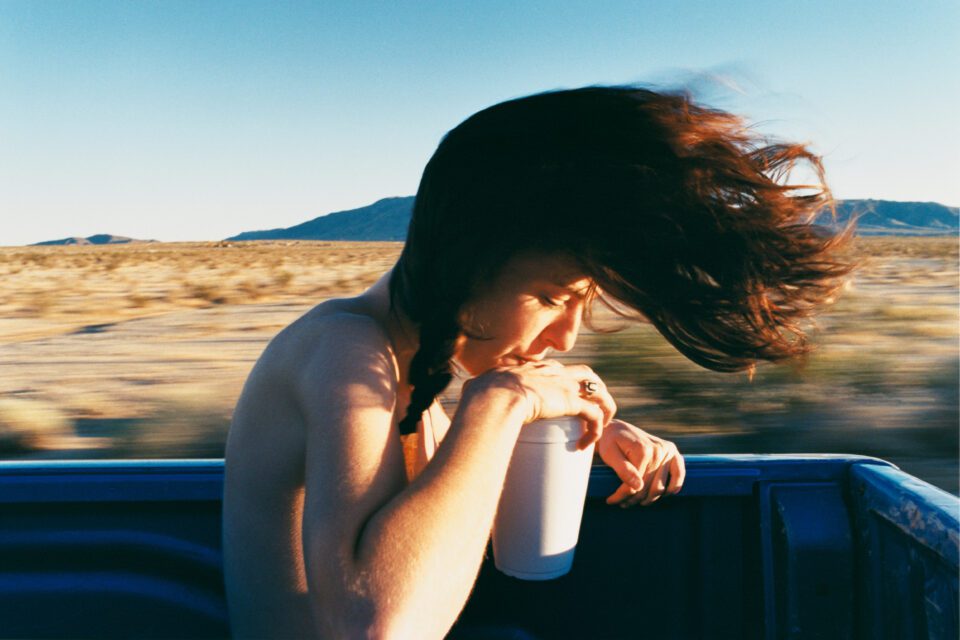
3. Ryan McGinleyDakota Hair, [Coiffure du Dakota], 2004© Ryan McGinley
4. Melvin Sokolsky Over New York [Au-dessus de New York], 1963 Image appartenant à la série Bulle, créée pour Harper’s Bazaar. © Melvin Sokolsky, courtesy of Fahey/Klein Gallery, Los Angeles.
5. Philip-Lorca diCorcia Ike Cole, 38 years old; Los Angeles, California: $25[Ike Cole, 38 ans ; Los Angeles, Californie : 25 $] 1990-1992 Chromogenic print Philip-Lorca diCorcia Courtesy de l’artiste et David Zwirner
6 . Susan Meiselas Self-Portrait [Autoportrait] 1971© Susan Meiselas /Magnum Photos