Taavi Rekkaro, Vasli Souza
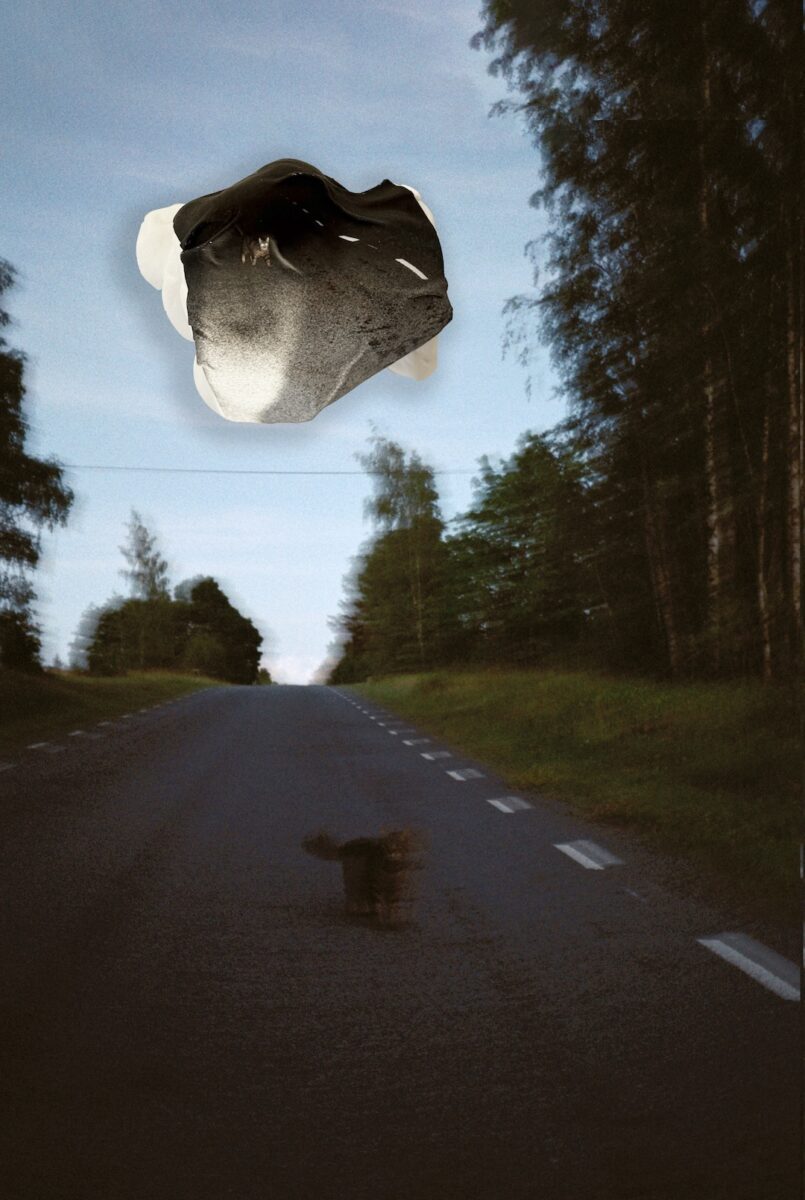
Mixed-media artist Taavi Rekkaro (b. 1988) introduces a series of “photo objects” at this year’s Foto Tallinn. These works see physical materials – clay, wood, vacuum bags and needles – merge with images, transforming prints from flat, two-dimensional objects into something that occupies three-dimensions. In so doing, Rekkaro challenges the conventional relationship between artwork and audience, in which pictures are hung on walls and viewed behind glass. Instead, he redefines photographs as tactile objects, offering surreal reflections on moments from everyday life – a self-portrait, a cat walking down the street.
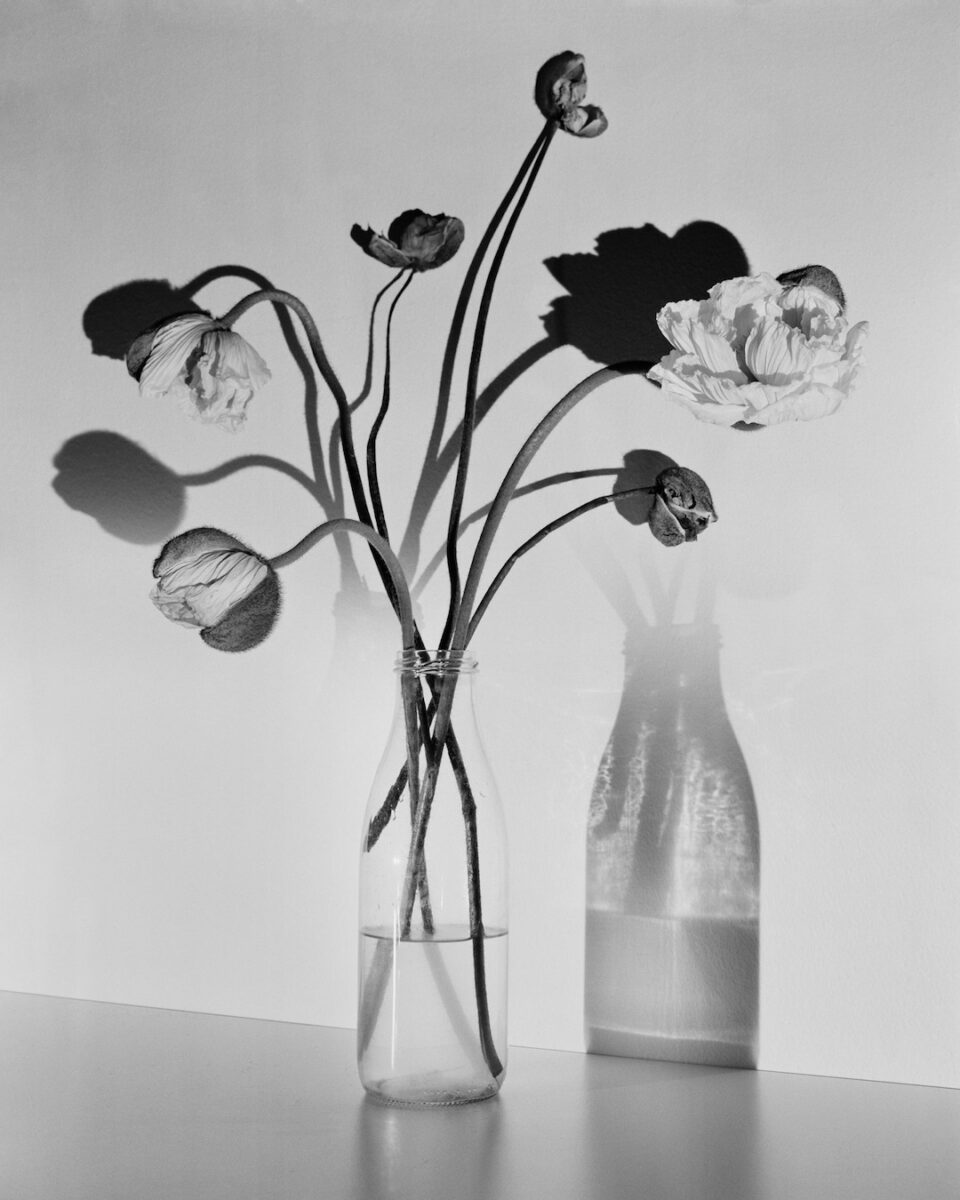
Diana Luganski, The Academy of Fine Arts Helsinki
Diana Luganski (b. 1980) describes photography as a “twisted vampire that feeds on light, capable of immortalising the fleeting and that which remains invisible to the human eye.” She is interested in breaking down the mechanisms of image-making, asking questions about the ephemerality of pictures and their relationship to reality. This is often reflected in her artworks, such as Screen (2026), which shows a figure trapped inside a digital camera – hands pressed up against the LCD screen. At FOTO Tallinn, she offers a first look at her ongoing Sacer series, which combines prints with bronze cast sculptures.
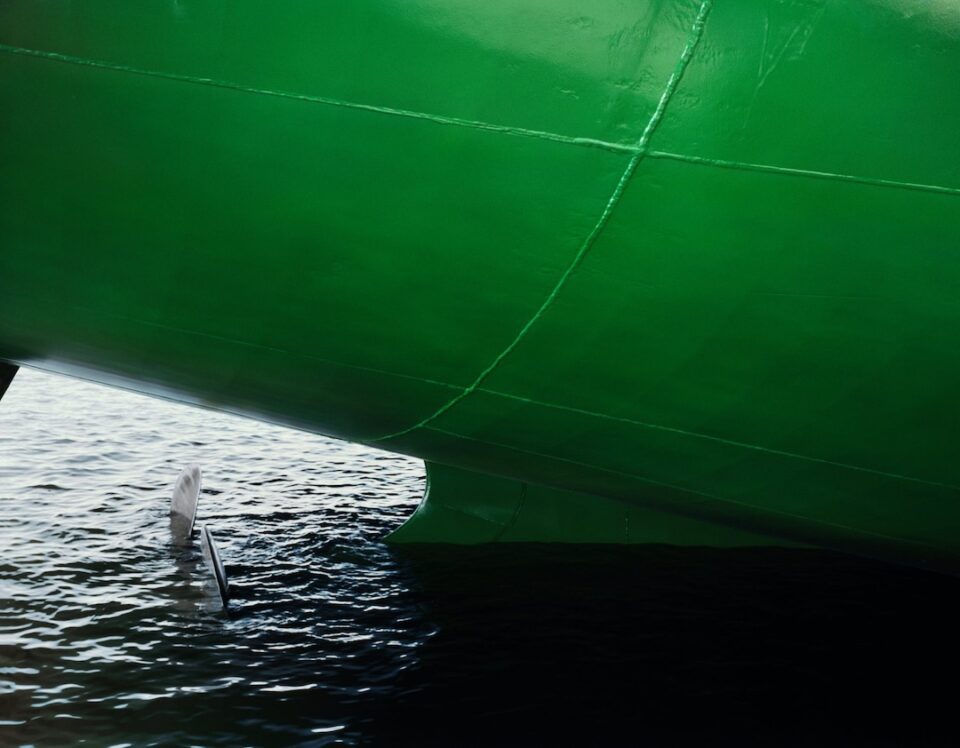
Joosep Kivimäe, Punctum Gallery
Tallinn-based visual artist Joosep Kivimäe (b. 1994) presents images from several series that hold up a mirror to today’s world. His practice reveals the structures of consumer society, the relationship between humans and technology, and, more specifically, the role of the Baltic Sea as a transport corridor. Rather than take a straight documentary approach, Kivimäe employs abstraction; his subjects include the green hull of a ship, a huge propeller and an unidentified fabric draped across the picture plane. In his wider work, Kivimäe explores the blurred lines between public and private spheres in the information age.
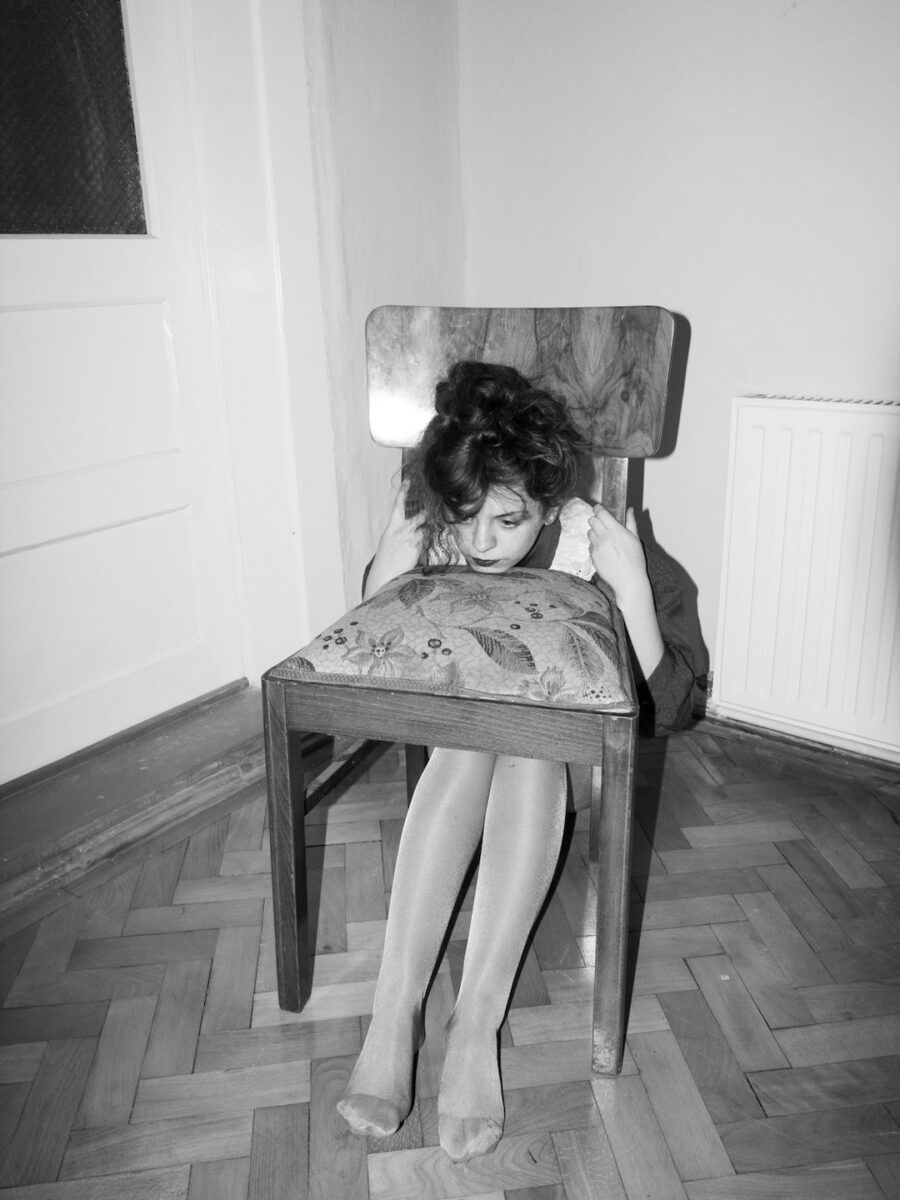
Kincső Bede, TOBE Gallery
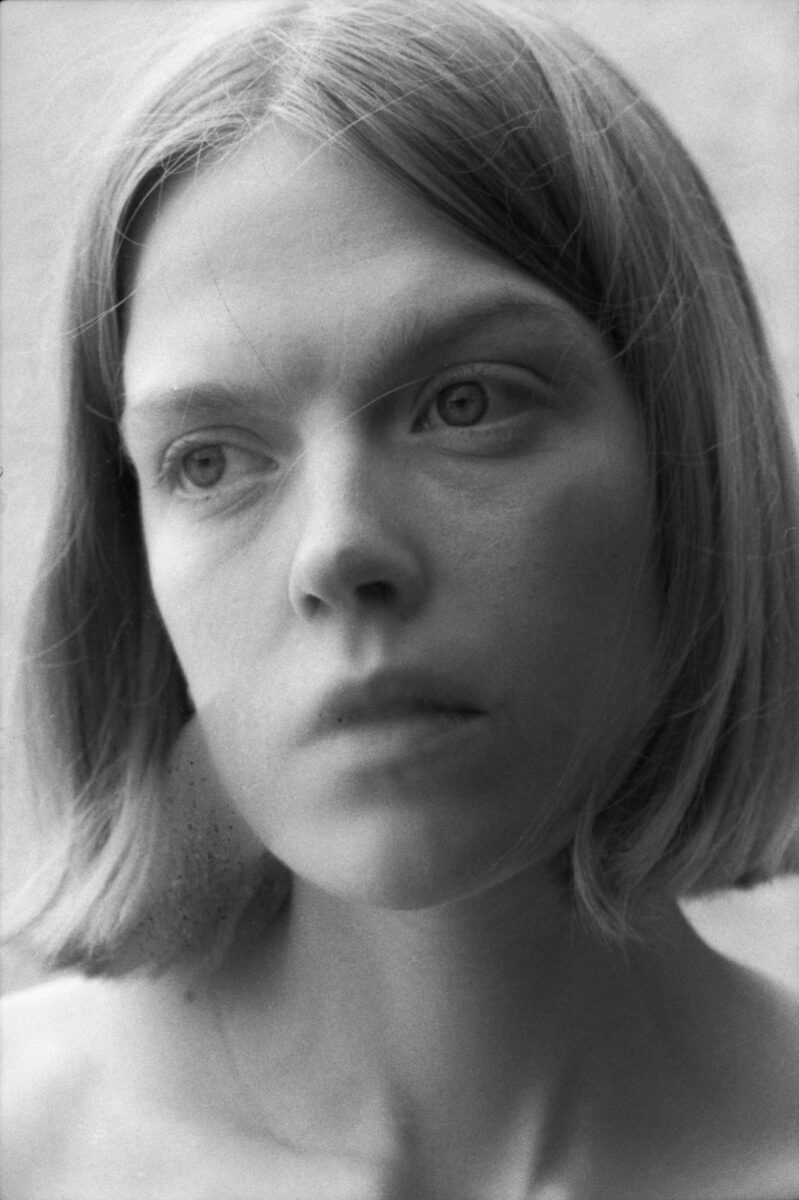
Kincső Bede (b. 1995) is a Romanian visual artist of Hungarian heritage, who grew up in a small town in Transylvania. She is deeply interested in the communist past of her homeland, specifically the legacy of Nicolae Ceaușescu’s (1918-1989) regime and the pervasive control exercised by his secret police, The Securitate. Her work examines how this history is transmitted across generations. Three Colours I Know in This World is a black-and-white, staged photographic series exploring identity, femininity and cultural memory. The Art of Pista, meanwhile, reflects on the complex relationship between her grandparents.
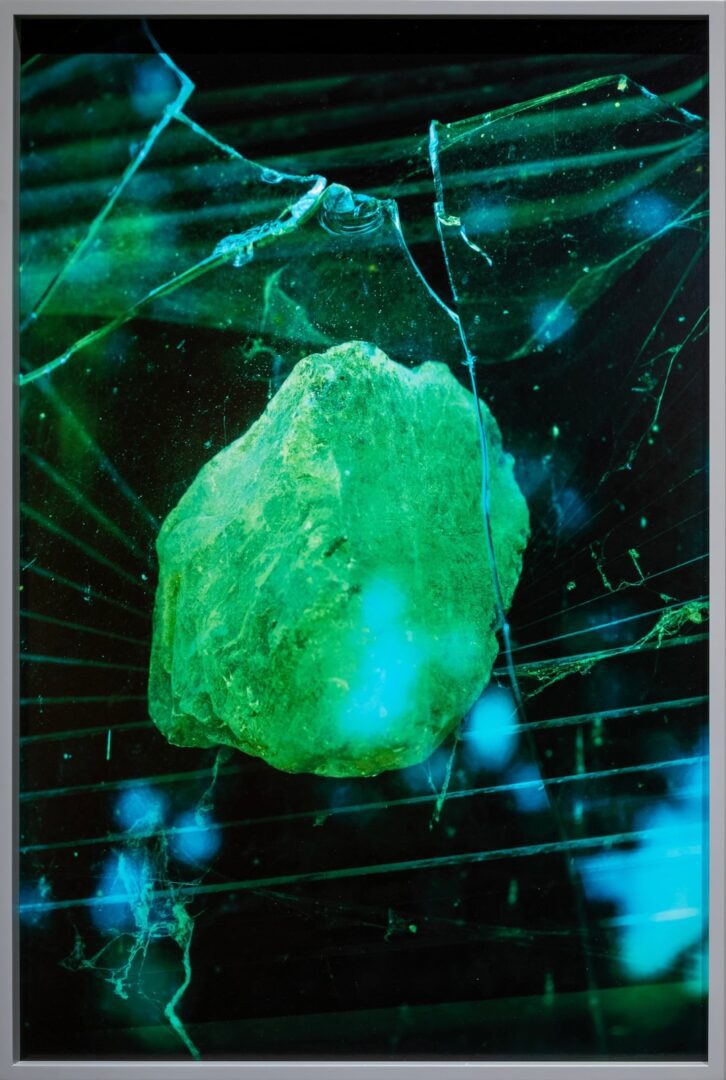
Roman-Sten Tõnissoo, FOKU Gallery
Roman-Sten Tõnissoo’s (b. 1989) practice is rooted in “the quest for spirituality and purpose in contemporary society.” At Foto Tallinn, the artist showcases Nekya, a series whose title refers to an ancient Greek ritual which involved summoning the ghosts of the deceased to be questioned about the future. Tõnissoo’s project takes inspiration from this tradition: his photographs take a journey into the human psyche, depicting “unsettling yet transformative moments of liminality – somewhere between creation and violent destruction.” Here, cobwebs, rocks and broken glass float amidst neon-drenched voids.
Foto Tallinn is at Kai Art Center from 18-20 September.
Words: Eleanor Sutherland
Image Credits:
1. Diana Luganski, Hengittäjä, (2025).
2. Taavi Rekkaro, Traveller, (2026). 35 × 50 × 10 cm; 10 × 10 cm. Archival inkjet print, wood, clay. Archival inkjet print on steel. Unique / Variation #1.
3. Diana Luganski, Hypnosis, (2026).
4. Joosep Kivimäe, Untitled, (2025). 55 × 70 cm. Archival pigment print. Edition: 5.
5. Kincsõ Bede. Three Colours I Know in This World V, (2021). 53 × 40 cm. Digital photography, archival pigment ink print. Edition: 3 + 2 AP.
6. Roman-Sten Tõnissoo „Nekyia I“ (2025). Pigmentfoto alumiiniumkomposiidil, värvitud raam, muuseumiklaas. 50 × 75 cm. Tiraaž: 5 + 2 AP.