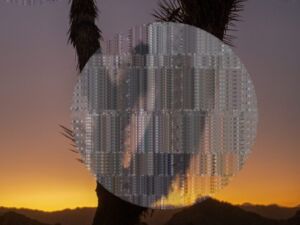
Manifest Destiny refers to the commonly held 19th century belief that the USA was meant to expand westward across North America. The pursuit of this ideal saw wagon trains of settlers move towards the West Coast, often battling harsh conditions as they crossed the Rockies in search of a promised “land of milk and honey.” It also meant that thousands of Indigenous people were forcibly removed from their land through brutal legislation that prioritised white communities. Artists of that era often engaged with this philosophy through romanticising expansion and conquest, depicting the West as a vast and “empty” landscape filled with promise. Such images concealed the realities of dispossession and erased the enduring presence of the peoples and cultures who had long inhabited the land.
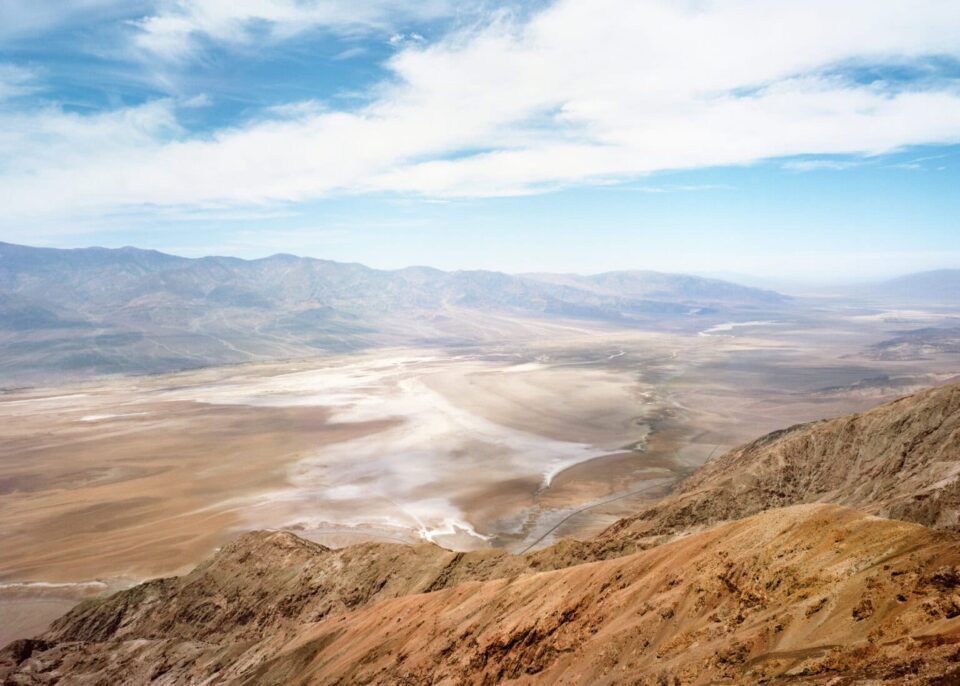
The Griffin Museum’s latest exhibition, Manifest Destiny, revisits this legacy through a contemporary lens, bringing together photographers who investigate the layered histories embedded within the American landscape. The featured practitioners create works that bear witness to transformation, revealing human stories embedded in the monumental landscape. Here, the apparent emptiness of landscapes becomes a site of tension, between memory and erasure. The show spotlights both American and international artists, including Scott Conarroe, Craig Raston, Lisa Elmaleh, Rich Frushman, Drew Leventhal and Victoria Samburnaris. Together, they invite viewers to reconsider the narratives that shape national identity.
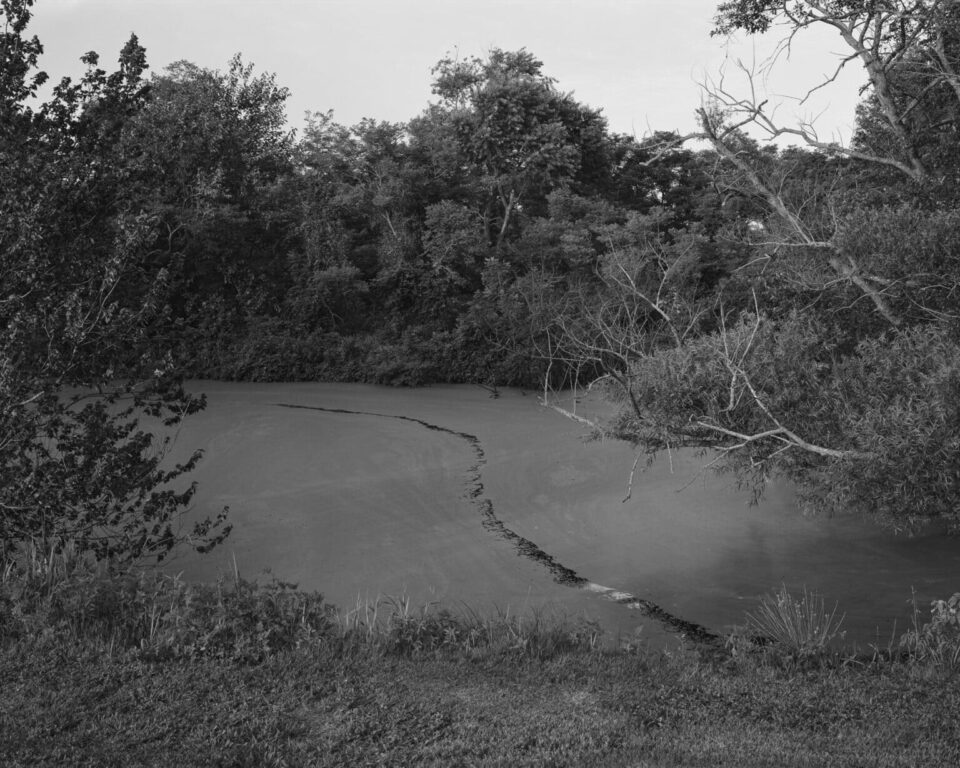
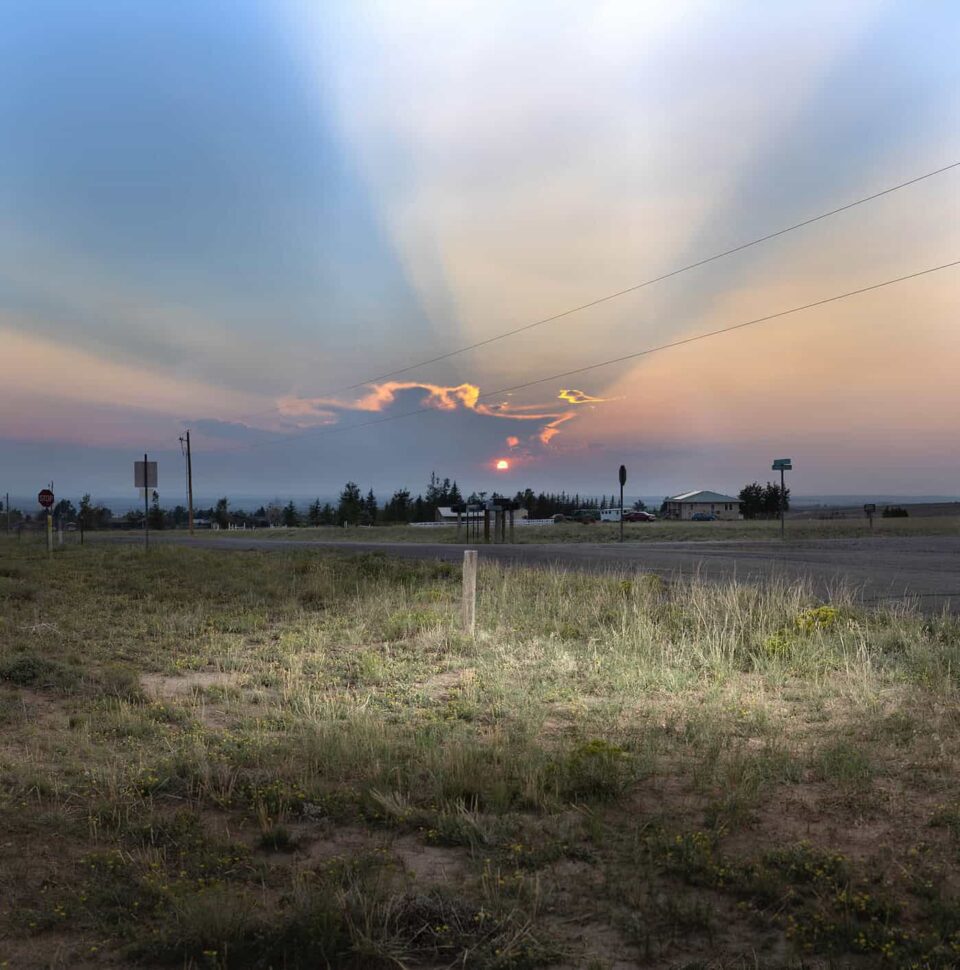
Infrastructure appears as a common theme throughout the show, as artists grapple with the shift from the wide open, untouched landscapes of popular imagination to the more industrialised scenes of today. Scott Conarroe’s By Rail and By Sea began as a study of railways and coastlines in Canada and the USA, before evolving into a deeper reflection on the legacy of Western expansion. The rail lines, once symbols of expansion and power, now stand as reminders of that complicated history. Conorroe captures the juxtaposition of natural beauty, interrupted by industrial structures, inviting viewers to reconsider space, history and movement. Meanwhile, Richard Frishman’s powerful series is grounded in the assertion that “all human landscapes have cultural meaning.” Ghosts of Segregation explores the vestiges of systemic racism and oppression as seen in the landscape: segregated schools for children, theatre entrances and restrooms for people of colour, lynching sites, juke joints and bus stations. Frishman writes: “Segregation is as much current events as it is history. These ghosts haunt us because they are very much alive.”
Lisa Elmaleh brings the human consequences of American power into sharp focus in the present day. The photographer grew up in an immigrant community in South Florida, the daughter of a father who was a political refugee from Morocco. Since 2020, she has travelled the length of the US-Mexico border, volunteering with humanitarian aid organisations and creating photographs that look beyond the sensationalised narratives. Elmaleh explains: “Promised Land interrogates the myth of the American Dream from the perspective of the borderland environs, the people seeking asylum in the United States, and the volunteers and groups who are engaged in helping people migrating with vital needs such as food, shelter, healthcare, and search and rescue in the desert.” The pictures are absent of people, but their traces are everywhere, reminding us that the landscape is always imbued with emotional meaning.
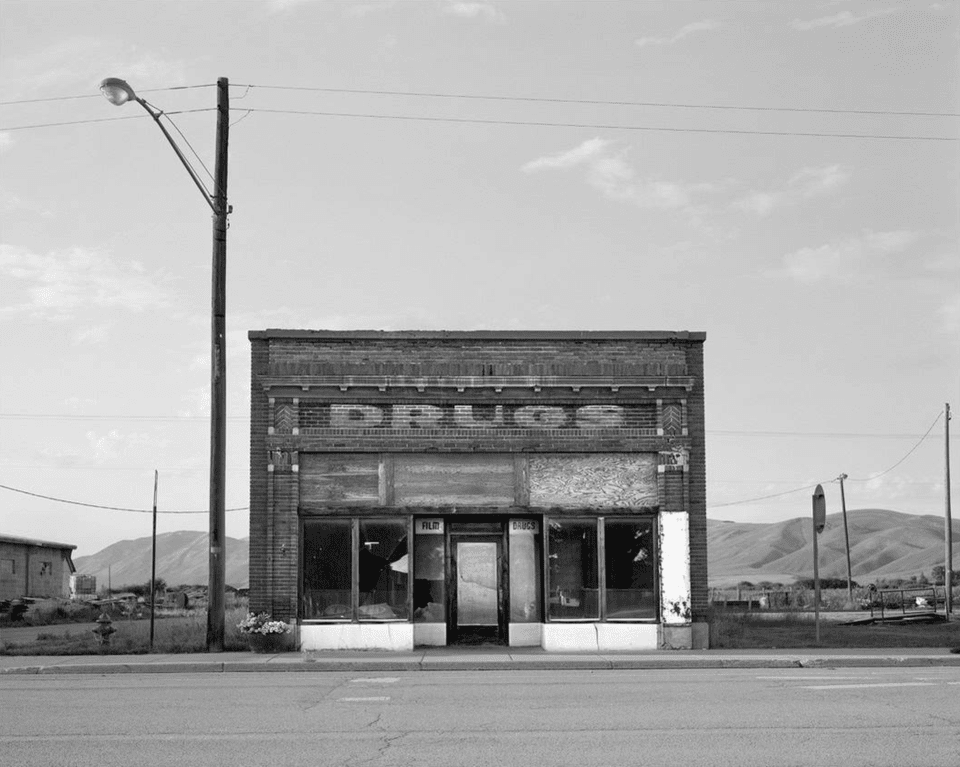
The moments in which Manifest Destiny introduces an outsider perspective are particularly compelling. They offer an opportunity to consider the mythology of America from a global perspective. Scottish artist Craig Easton considers how photography shapes global perceptions of the United States. He cites Simone de Beauvoir’s disruptive European perspective on the nation, as well as Robert Frank’s The Americans, as key influences. In this tradition, the artist “came to see this vast, complex, beautiful and puzzling country for myself; an America that delights and confounds in equal measure, attracts and repeals, fascinates and intrigues.” In 2021, Easton was awarded the Prestigious title of Photographer of the Year at the SONY World Photography Awards and in 2022, was recognised by the Royal Photographic Society.
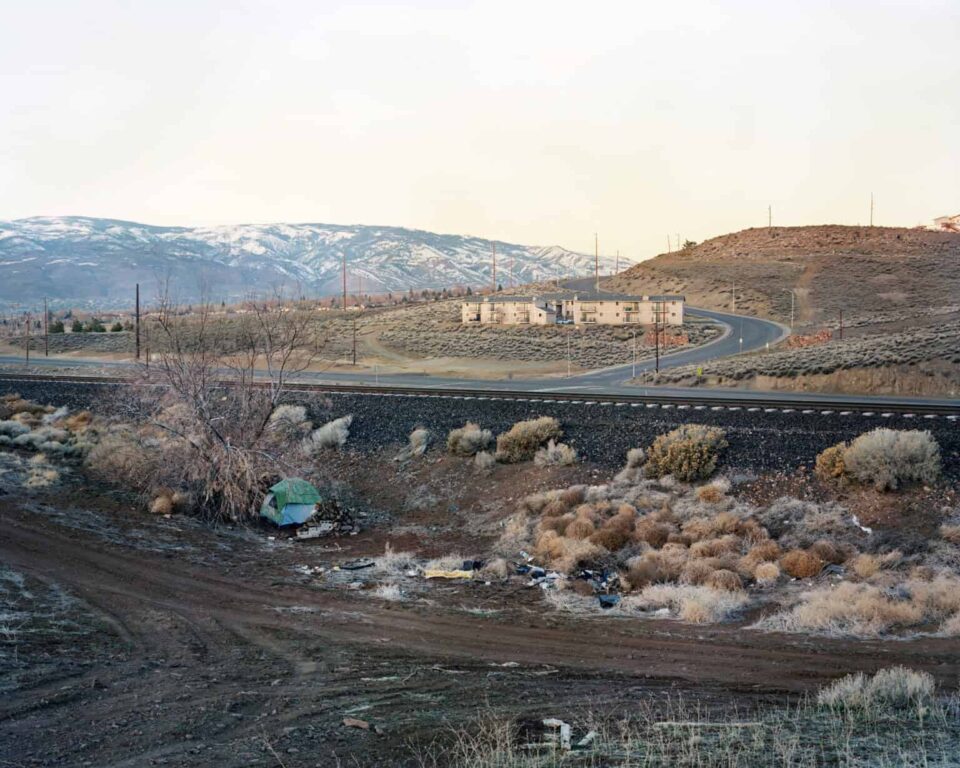
Seen together, the works in Manifest Destiny challenge the enduring power of a national myth that continues to shape borders, policies and identities. The landscape becomes a mirror for unresolved histories, reminding us that the consequences of Manifest Destiny are not confined to the past. They remain embedded in the terrain, shaping who is seen, who is displaced, and who is allowed to belong.
Manifest Destiny is at Griffin Museum of Photography, Winchester until 15 March: griffinmuseum.org
Words: Emma Jacob
Image Credits:
1&5. Image courtesy of Craig Heaton.
2. Image courtesy of Victoria Sambunaris.
3. Image courtesy of Drew Leventhal.
4. Image courtesy of Richard Frishman.
6. Image courtesy of Scott Conarroe.