New Contemporaries has announced the 26 artists selected for its 2026 edition, a touring exhibition opening later this month at the South London Gallery before travelling to MIMA in Middlesbrough in spring. From the end of January through to August these two institutions will host a snapshot of emerging practice in the UK, bringing together artists working across painting, sculpture, installation, photography and moving image. As the gallery prepares to open its doors, New Contemporaries arrives not simply as a showcase but as a declaration: that the future of art is shaped at its earliest stages and that attention, space and belief must be extended now if new voices are to be heard.
Founded in 1949 by artists for artists, New Contemporaries has long functioned as a sensitive instrument for contemporary practice. Its history reads like a parallel canon of British art, charting the moment before recognition arrives and before language settles into certainty. David Hockney, Paula Rego, Mona Hatoum, Chris Ofili, Tacita Dean, Mark Leckey, Lynette Yiadom‑Boakye and Michaela Yearwood‑Dan are among those who passed through its exhibitions when their work was still testing its edges. What links these artists is not a shared aesthetic but rather a shared beginning. Each person encountered an organisation ready to listen, engage with, and provide a platform before consensus took hold.
This attentiveness is crucial. To support new talent is to acknowledge that cultural renewal depends on risk, patience and sustained commitment. Every artist starts without the assurance of visibility or validation and it is precisely at this stage that support can be most decisive. In an art world shaped by acceleration and increasing precarity, New Contemporaries insists on the value of beginnings. It understands that it is new voices that renew and refresh us, challenging inherited narratives.
At Aesthetica we follow a similar outlook through the Aesthetica Art Prize, which celebrates its 20th edition in 2026. For two decades the Prize has offered artists an international platform, presenting their work in public galleries and in the pages of Aesthetica Magazine, and connecting them with curators, critics and institutions from Tate Modern to the Guggenheim and Centre Pompidou. Prize alumni have gone on to exhibitions at institutions including Foam Amsterdam, the V&A and The Photographers’ Gallery and have been recognised across major awards such as the Prix Elysée, the Jarman Award and the Taylor Wessing Portrait Prize. Notable names who have built momentum following their involvement include Jenn Nkiru, Larry Achiampong, Ellie Davies, Baff Akoto, Julia Fullerton-Batton and many more. Through this sustained engagement Aesthetica shares New Contemporaries’ belief that early support and meaningful exposure can transform careers and extend the reach of artists’ ideas well beyond their first public platforms.
Opening on 30 January, the 2026 New Contemporaries exhibition brings together 26 artists from across the UK selected by Pio Abad, Louise Giovanelli and Grace Ndiritu. The list signals a commitment to geographic reach and conceptual breadth, with at least half of the artists based outside London and practices that resist easy categorisation. As Ndiritu said: “We have chosen a diverse range of artists from all over the UK, with a variety of mediums and points of view, that are both visually arresting and can help bring a little bit of joy and beauty into an increasingly difficult world.” This sense of joy is not superficial but hard‑won, emerging from close attention to form, material and meaning.
This year’s show is presented thematically rather than by medium, allowing conversations to emerge across different practices. Speculations on dystopian futures sit alongside critical responses to the climate crisis, industrialisation, gentrification and displacement. Several artists interrogate systems of power, revealing how they operate through everyday structures and inherited technologies. There is a recurring concern with our entanglement with the digital, explored not as an abstraction but as an intimate force.
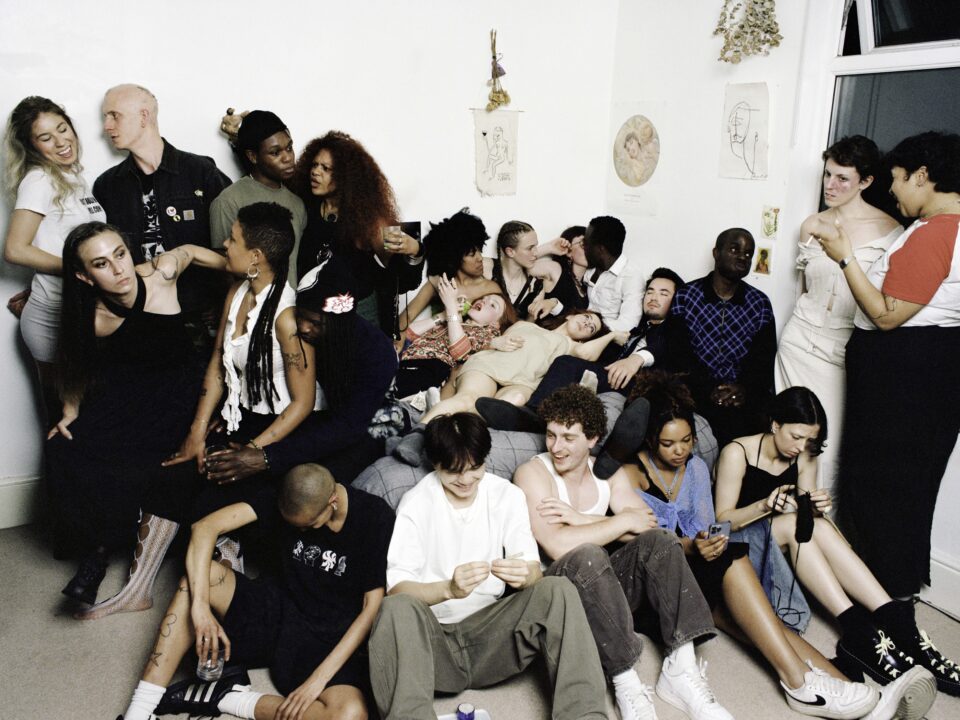
Many of the artists also look beyond the human, exploring alternative modes of perception through animals, environments and speculative ecologies. This outward gaze is balanced by engagement with personal and collective histories. Themes of mourning, remembrance and loss surface through works that move between the intimate and the monumental, drawing on both private memory and shared experience. Some artists merge figuration with abstraction to investigate intersecting identities, articulating a desire for connection across fragmented narratives. Others draw on the familiar and the fantastical, shifting between urban landscapes and domestic interiors as sites where selfhood and place are constructed.
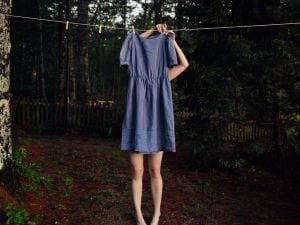
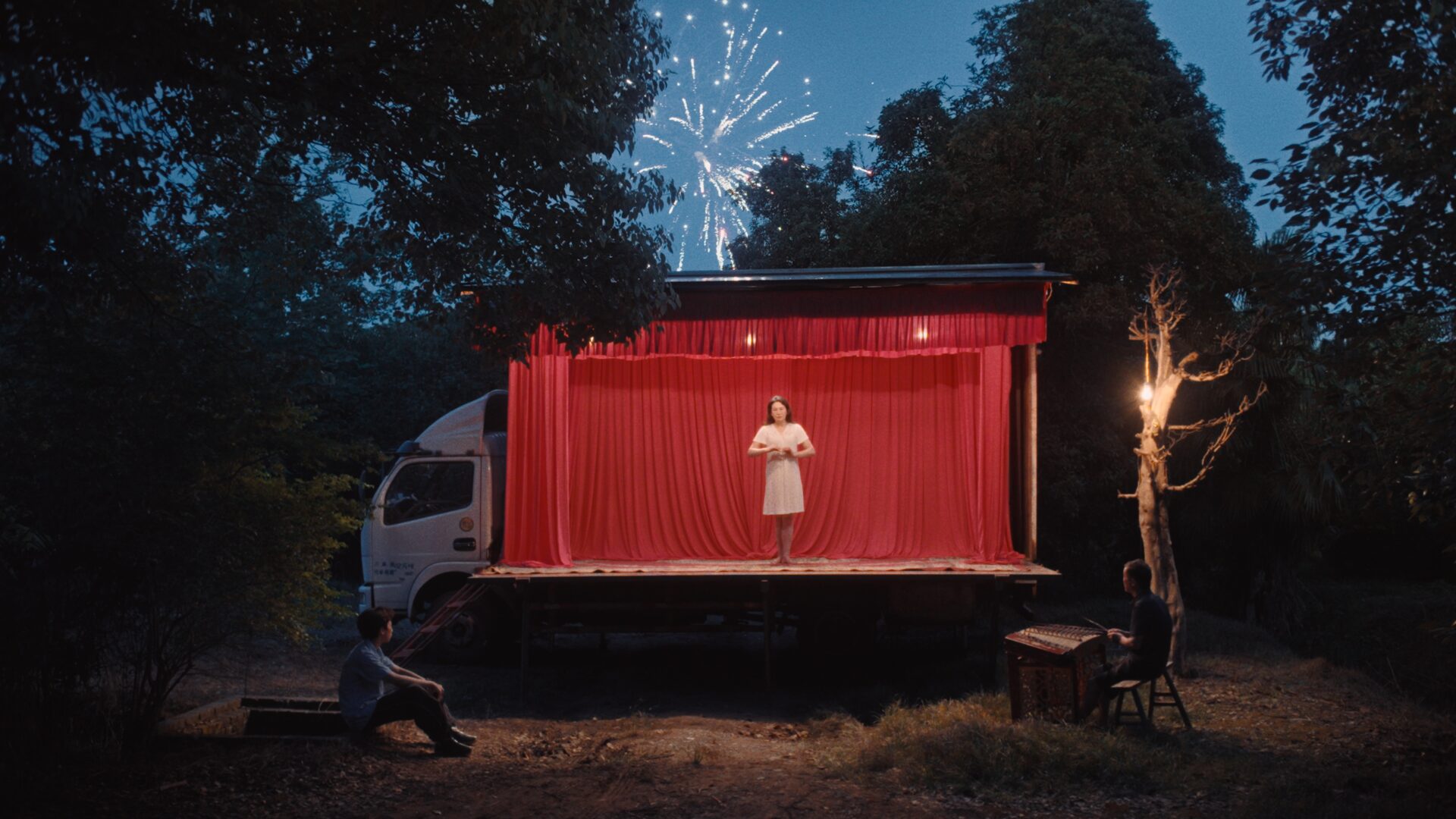
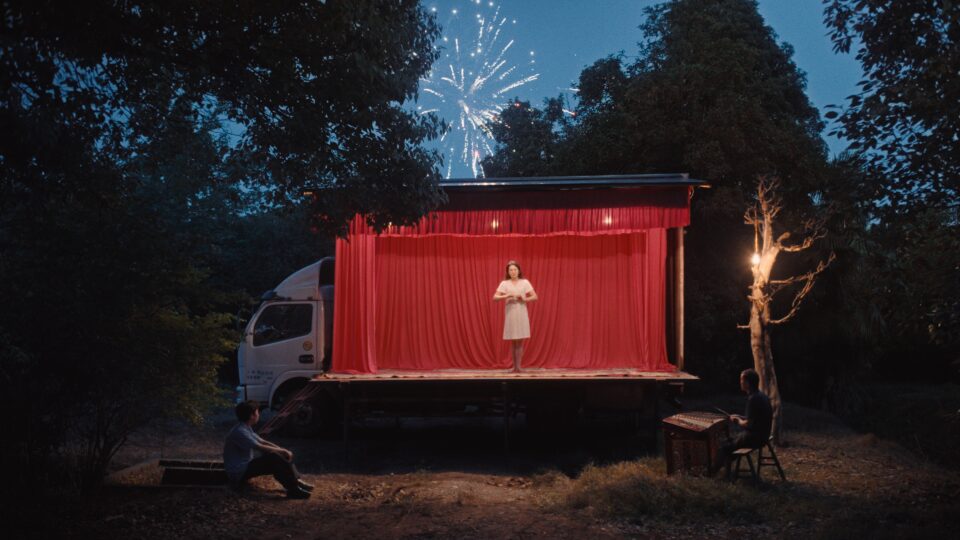
Individual works offer points of entry into these broader concerns. Ali Cook’s paintings combine acrylic and pen to hold belief and uncertainty in productive tension. River Yuhao Cao’s moving image work reflects on transparency and mediation, using glass as both material and metaphor. Elsewhere sculptural and installation‑based practices probe industrial legacies and ecological futures while photography lingers on moments of transition, vulnerability and quiet resistance. The exhibition does not propose a single worldview but a constellation of positions, each attentive to the urgencies of the present moment.
What distinguishes New Contemporaries is not only its exhibition programme but its evolving model of support. Building on more than 75 years of experience, the organisation is expanding its work beyond exhibitions to include advice, mentoring, residencies and studio bursaries. This shift responds directly to the growing precarity faced by early‑career artists and recognises that visibility alone is not enough. As Director Kiera Blakey states: “Artists renew society. They are everywhere, in every part of the UK, in every circumstance but they can’t do it alone. Our job is to make sure their voices are heard and supported. We’re leading the way for artists, and we won’t stop advocating for them.” It is a declaration that frames artist support as a sustained commitment rather than a one‑off opportunity.
The partnerships with the South London Gallery and MIMA underscore this spirit. Margot Heller, Director of the SLG, describes the collaboration as reflecting a “shared commitment to supporting artists at pivotal, often early stages in their careers,” while Laura Sillars, Director of MIMA, emphasises the importance of space and encouragement, noting that emerging artists need room “to take the risks they need to take.” As the exhibition opens in south London later this month and prepares to travel north in May, these institutions provide new work embedded within programmes grounded in learning and community.
Looking back at New Contemporaries’ alumni reinforces the importance of this moment. Many artists who have since achieved critical acclaim first encountered a wider public through this platform. Their success stories remind us that recognition often begins quietly, in group exhibitions that privilege potential over polish. The impact of New Contemporaries is cumulative, shaping not only individual careers but the wider ecology of contemporary art by ensuring that experimentation and dissent are continually replenished.
This latest presentation reaffirms New Contemporaries’ role as a catalyst for new voices and as a platform that grows alongside the artists it exists to support. In a moment marked by uncertainty and rapid change, the exhibition offers something both urgent and sustaining: a space to listen, to look closely and to remember that renewal begins at the beginning. To encounter these works is to recognise that the future of art is already here, tentative, questioning and alive with possibility.
New Contemporaries is at South London Gallery from 30 January – 12 April: southlondongallery.org
Words: Simon Cartwright
Image Credits:
1&4. River Yuhao Cao, The Glass Essays, Moving image still, 2024.
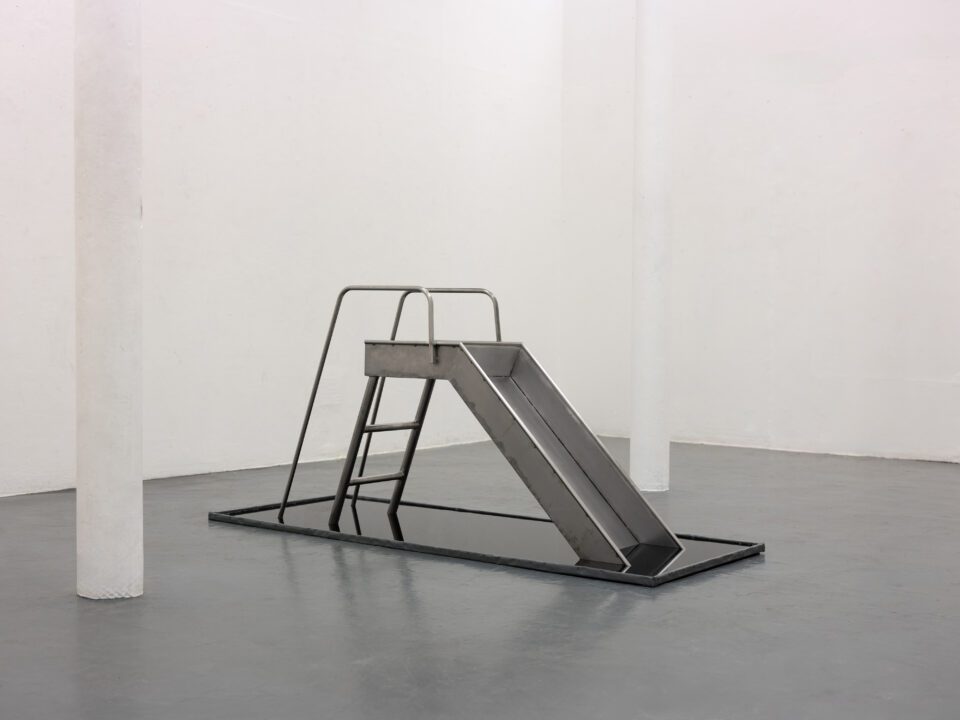
2. Uhlik Varvara, Slide, steel, container, water.
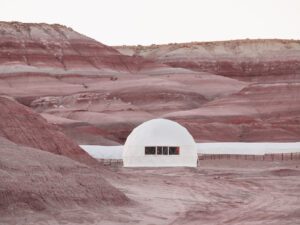
3. Timon Benson, Compression (copped), 2024.