How can our immersive art help change how we view the world? What is possible when we look at our shared history from a different angle? Chang Meng is a Chinese transdisciplinary artist, researcher and lecturer based in London, working across immersive multisensory experience, performance and site-responsive art. Her practice takes a medium that is often overlooked in life: water. It’s often taken for granted, but in a contemporary moment when more than two thirds of the UK have declared an official drought and deadly flash floods in placed like Nepal has threatened lives, water is a topic on everyone’s minds. This is only set to become more pressing. Meng explores the liquid as a relational medium that connects human bodies, ecology, natural-cultural heritage and collective experience.
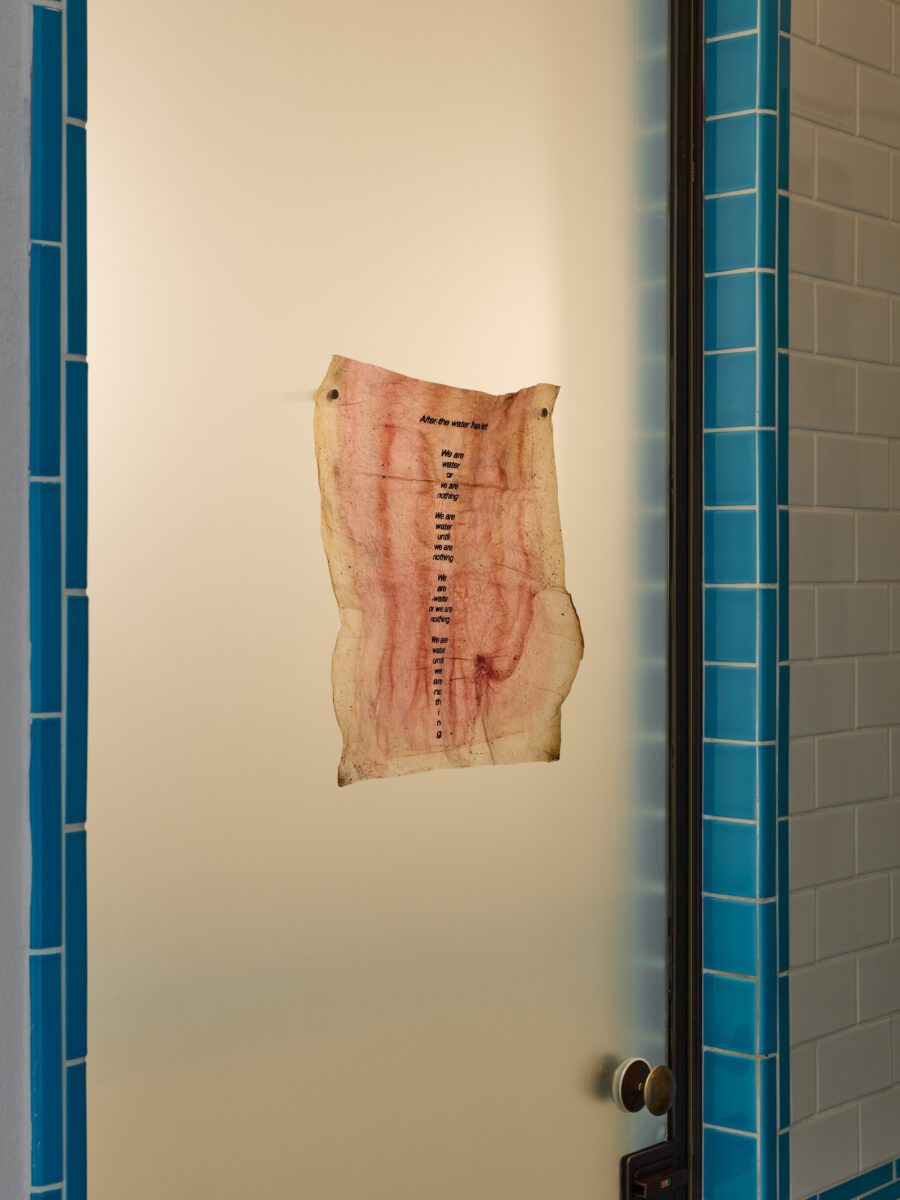
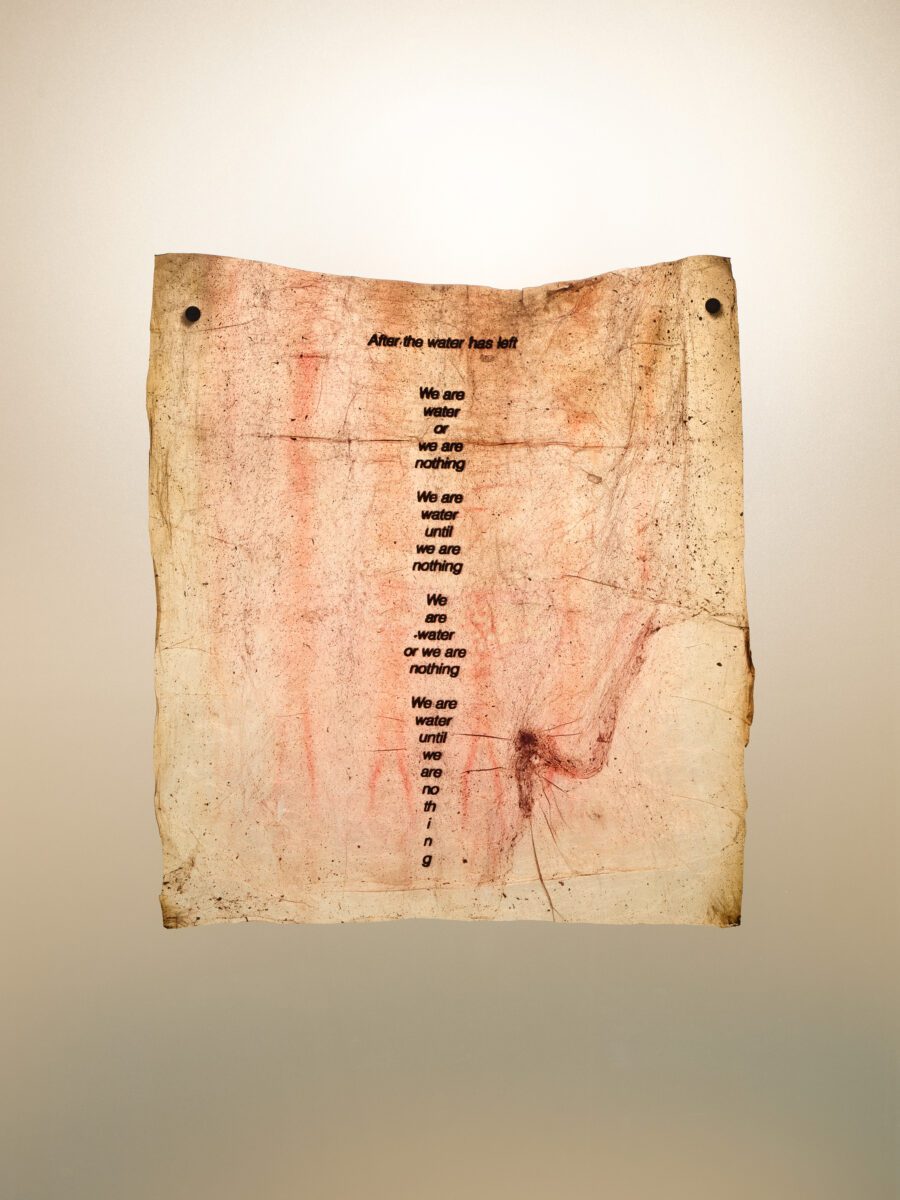
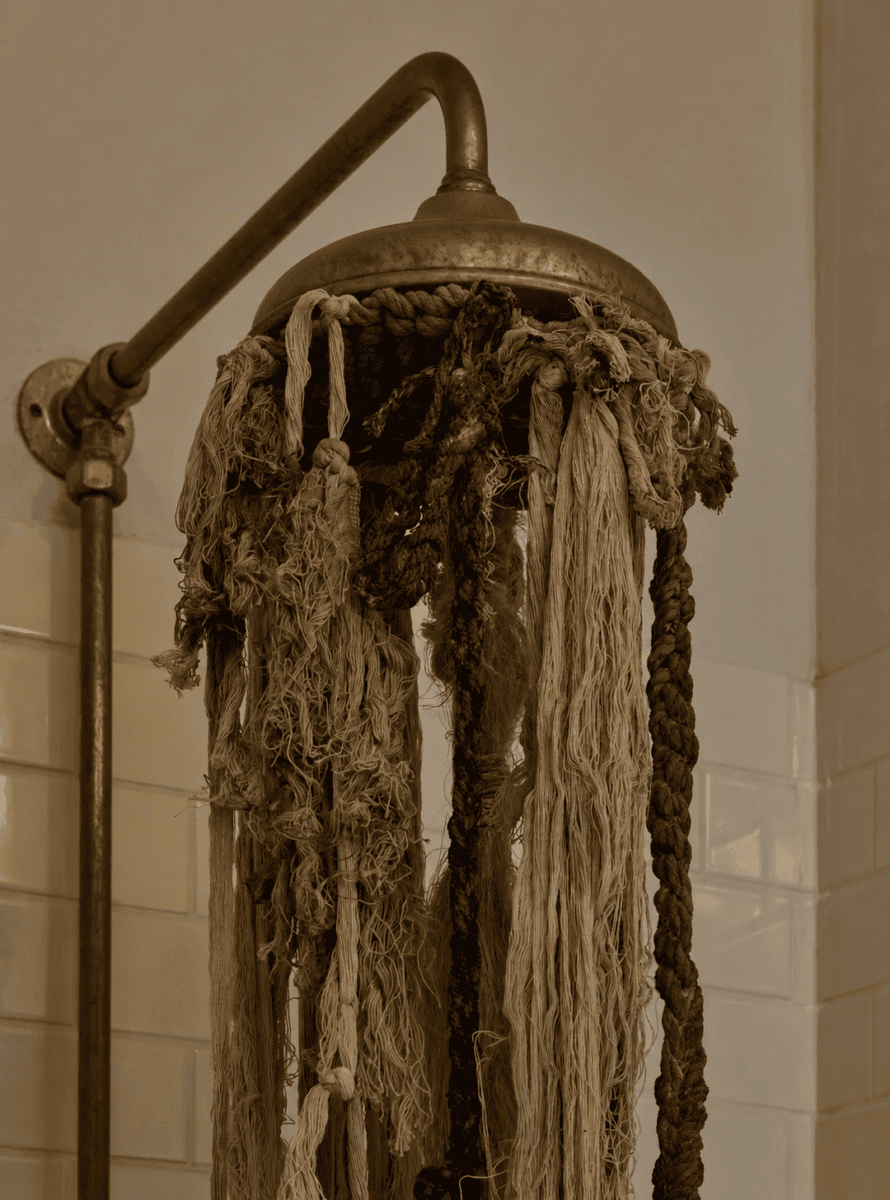
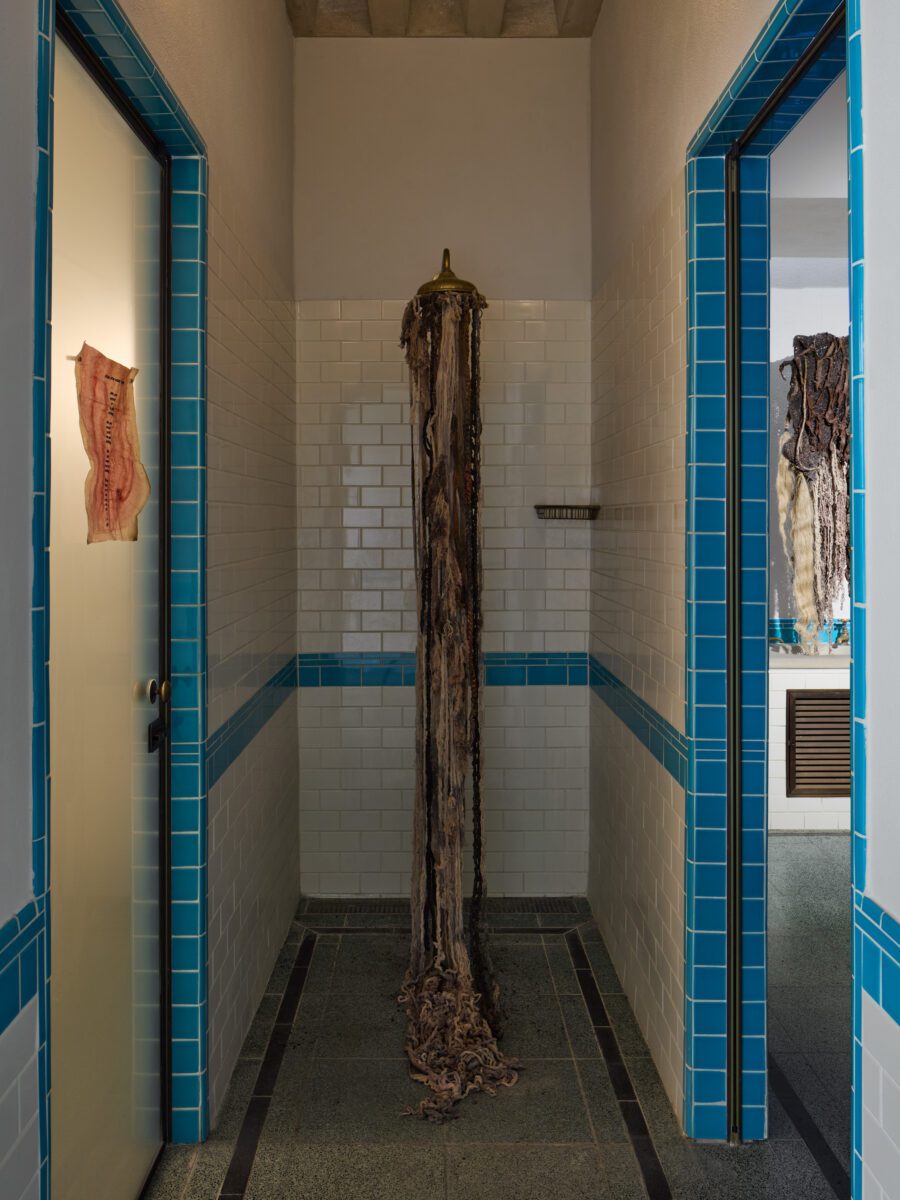
Meng’s ongoing research project, Dehydrate / Rehydrate, takes the 19th century tea trade between China and Britain as it’s historical anchor. The work traces colonial infrastructures, exploring female experiences, ecological entanglements and embodied memories that are often hidden from view. As the artist explains: “Picked, withered, rolled, compressed – tea leaves pass from living matter into measurable cargo, dried into forms that can be stored, transported and circulated across oceans. Yet, this process is not only a history of trade. When water is extracted, ecologies are depleted, bodies are exhausted, and experience is condensed into utility. Dehydration is more than a material transformation: it emerges as the hidden condition through which empire, commerce and power sustain their movement.” After the Water Has Left (2026), the latest addition to the series, was created using “tea-based bio-material experimentation.” The artist dyed textiles, including rope, cotton and wool, with each piece dangling from a shower head to form an installation that mimics the water that would have once flowed in the location.
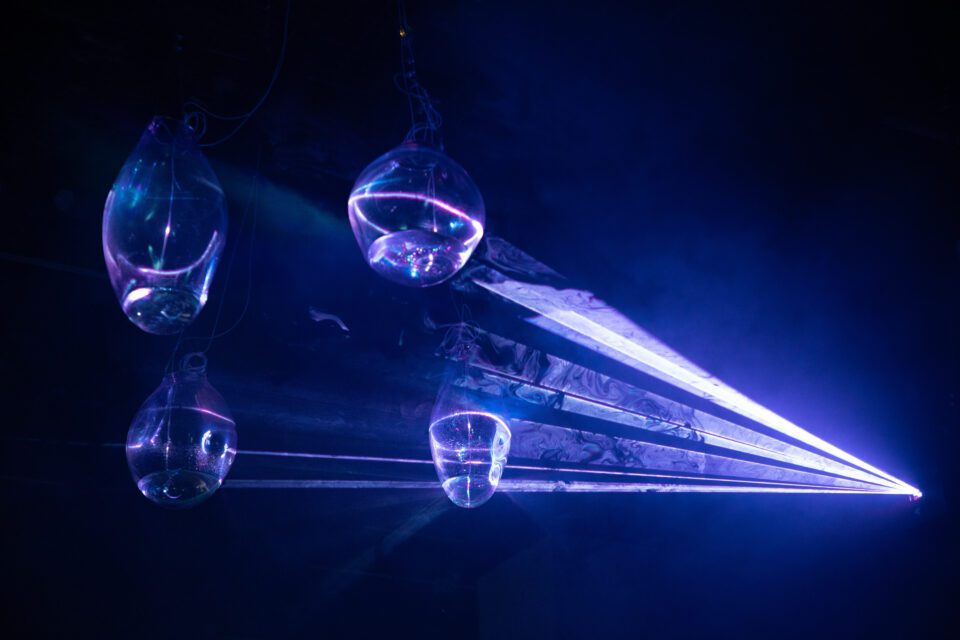
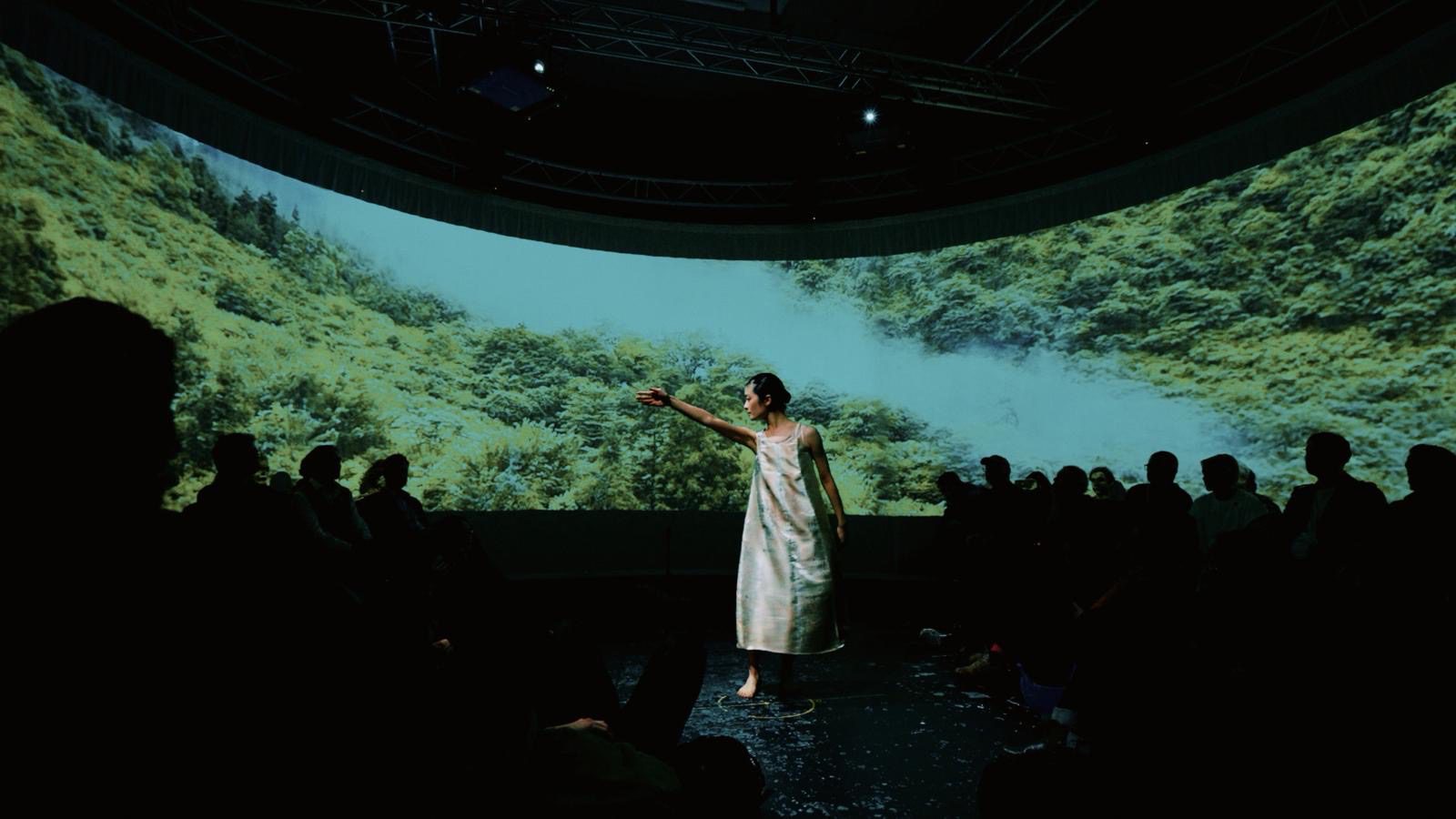
Wet Utopia continues this enquiry. The live performance combines 360-degree film, spatial sound and movement to ask one question: where was tea before it became cargo? Before the product entered trade routes, it belonged to the landscape and grew within a particular climate. The artist explains: “Tea carried the knowledge of cultivation, everyday labour and local ways of living. As it was rolled, dried, compressed and shipped across the world, it slowly became known as a commodity rather than a living part of its place of origin. Wet Utopia brings attention back to these earlier histories.” The performance unfolds slowly to surround the audience. Sounds move through the space, low frequencies are felt before they are heard: tea rolling, ocean waves, underwater recordings and noises from Mazu temples circulate around the room. Throughout Meng’s practice, the historic becomes something visceral. Abstract concepts of trade routes and cargo are morphed into something audiences can interact with, forcing them to confront the supply chains that not only supported national histories and colonial legacies, but that continue to shape our existence today. It’s a bold approach to the topic, and one which is sure to leave a lasting impact on those who encounter it.
Moving image. Sound. Installation. Data. Chang Meng is an artist who uses diverse materials to deliver a singular message: that our bodies, technologies and environments are deeply interconnected. Her work questions how we experience and understand the landscape, revealing the unseen influences upon our surroundings. In doing so, she offers a vital perspective to the contemporary art landscape.
Find out more about the artist: a-i-gallery.com
Words: Emma Jacob
Image Credits:
1. Wet Utopia (2025).Director & Visual Chang Meng / Sound Zhao Jiajing / Movement Donna Kim. Photo by Sung Hoon Song.
2. After the Water Has Left (2026). ai. Gallery London, London Gallery Weekend 2026.
3. After the Water Has Left (2026). ai. Gallery London, London Gallery Weekend 2026.
4. Jue Studio, Oceanosmos (2024). Co-created by Meng Chang, Ke Peng, Zhao Jiajing and Yueshen Wu.
5. After the Water Has Left (2026). ai. Gallery London, London Gallery Weekend 2026.
6. After the Water Has Left (2026). ai. Gallery London, London Gallery Weekend 2026.